
Why I Repeated Aasia Bibi’s Alleged Words

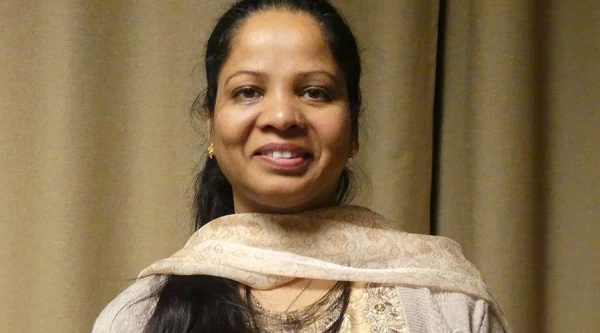
Kabir was right to question why I repeated the remarks Aasia Bibi was accused of making. The point did not require repeating them. But the principle did.

I try to be respectful towards all religions. I’ve even been accused of being too sympathetic to Islam and to Pakistani narratives. But many people still do not grasp that the rage some believers feel when they think their Prophet has been insulted is the rage I feel when a powerless Christian woman spends years on death row for something she did not do—or had every moral right to say.

Aasia Bibi is the clearest example in our era of what happens when a blasphemy taboo becomes a blasphemy law.

And what happens when a blasphemy law becomes a political weapon.

If we cannot speak the very words that put her in prison, then the injustice done to her cannot be fully confronted. Sanitising the allegation only sanitises the cruelty.

This is the core of the matter:

Freedom of expression is meaningless unless it protects speech that some consider offensive or sacred.

It cannot protect only polite dissent. It must also protect speech that religious authority hates.

I don’t indulge in theatrics or gratuitous insults. But the principle has to be clear: in a free society, no religion, none, can demand immunity from criticism, satire, or even irreverence. If believers wish to revere, they are free to do so; if others do not, they are free not to.

What troubles me is the growing chorus of Western liberal Muslims and “hijabi feminist” activists who demand respect under the banner of “Islamophobia,” while simultaneously insisting that Muhammad must never be depicted, mocked, or even discussed without ritualised reverence. This is simply a diplomatic version of the same rule that keeps women like Aasia in prison: the Prophet’s honour is more important than human freedom.

And the moral inconsistency is glaring.

There is deafening anger over Gaza. There is a whisper, at best, over Aasia Bibi. For some, outrage is selective, calibrated to global cause-identity. Aasia is inconvenient because she reveals an uncomfortable truth about the political uses of piety.

This is why I repeated the alleged words. Because the principle they engage is non-negotiable:

In a free society, all ideas, including religious ones, must be open to criticism.

No faith gets to write exceptions into the law.

Aasia Bibi paid for that principle with a decade of her life.

The least I can do is speak the words that she was punished for—even if only to show how absurd it was to punish her at all.
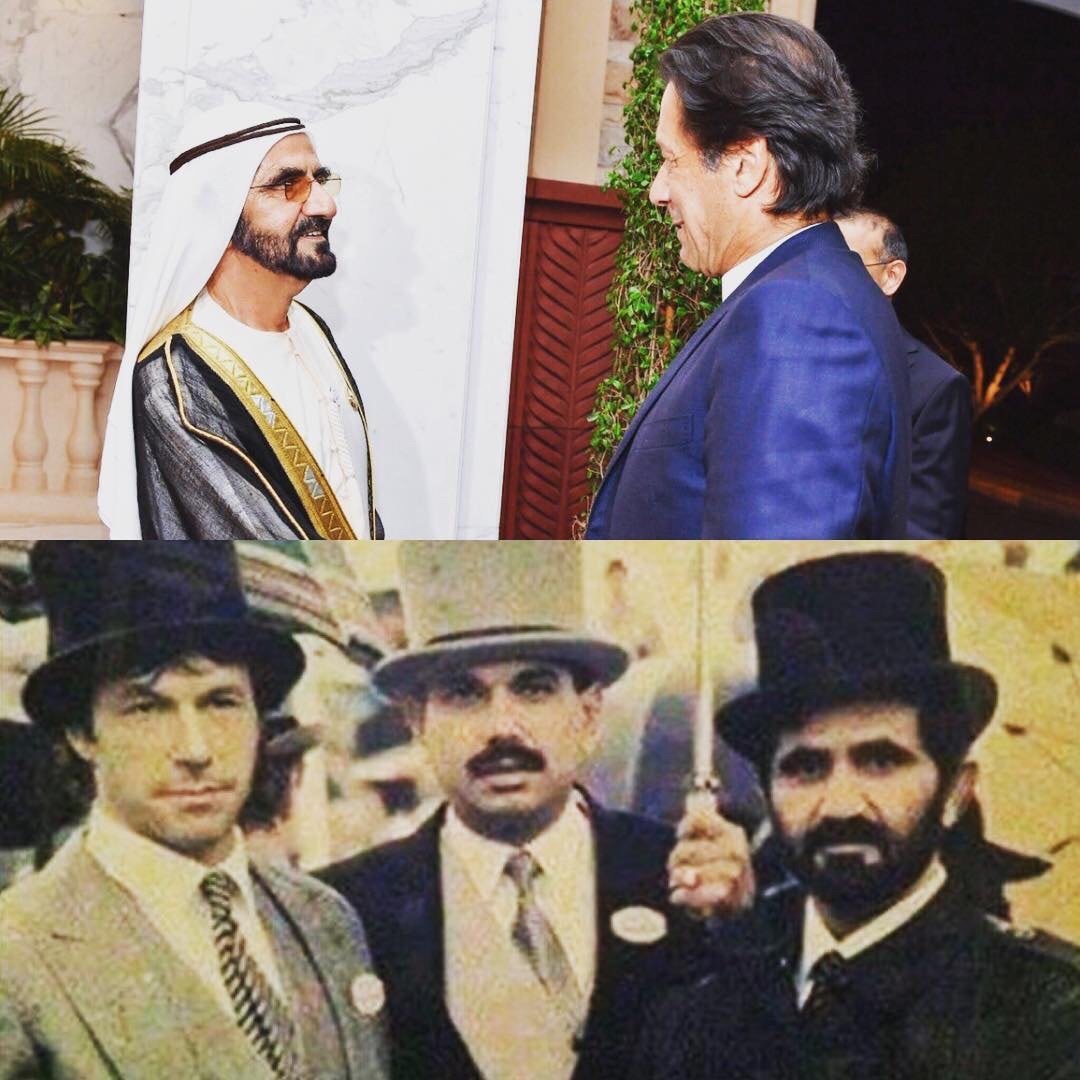
Why has Imran Khan aged so badly-

In the top photo he’s with Sheikh Zayed of the UAE. This is them in the 70’s. Imran these days looks so haggard and old especially in comparison with his dashing younger self.

The Emir on the end pretty much looks the same; in fact looks even better since he’s more au fait.

Unfortunately for Imran; I think he became a born-again Muslim a little too late for his own good. There’s obviously been a lot of sharab in his wilder days and god knows what else.

It’s part of the reason as to why I have such a visceral dislike of substances; they can age you really quickly. Black don’t crack but brown also has pretty amazing staying power.

That’s why when I see Indians boast about how much they drink I tend to roll my eyes. Alcohol is no great panacea and instead for Brown people we must guard against weight gain. I wonder if there is salient Vedic wisdom on staying young as long as possible.

I do notice that as one ages sleep is increasingly an issue. Our 9-5 industrialised tempo with some leisure time thrown in after doesn’t make for long and conducive rest periods, which is necessary to our psyche and well-being.

It may sound controversial but I imagine the outbreak of depression and mental illness probably has some simple solutions. There was big news over the weekend that 17 children (most of them autistic or on the spectrum) have transitioned at a single school.

I may sound a bit old-school here but I suspect there’s a deep spiritual malaise in the West that’s almost consuming it. It’s why poorer nations aren’t necessarily unhappier ones; there’s much to be said for spiritual and social solidarity once basic fundamental needs & wants are met.

Why I love being Paki-

https://twitter.com/janatzaf/status/1064008024459829249?s=12

This cracked me up to no end.

On a serious note I tend to follow a fair bit of Twitterstan. It’s a lot more fun than Twitterdesh.

Twitterdesh is a bit scary since a lot of the Bollywood celebs have fled to Instagram and we’re left with a bunch of intellectuals constantly griping about Hinduism losing out to Islam.

Twitterstan happens to have a lot of Pakistan’s glamorous politicians; Bakhtawar Bhutto has a pretty fascinating account. What I haven’t fathomed yet is why haven’t the PPP & PML-N made a Grand Democratic Coalition to punch back against Imran & the Army.

I picked up this piece (via Razib’s twitter) on the New York Times on China’s unique rise.

I think Pakistan is a fairly advanced and democratic country compared to the rest of the Muslim world (which is a fairly low bar). However the strong pull of the Raj’s legacy & an Indian cultural orientation mitigate the harsher aspects of Islam.

I was quite vocal in the last podcast with Razib; I ranted a fair bit since I’ve been so angry about the Aasia Bibi situation.

I’m actually not so angry with Pakistanis back home but our Diaspora abroad who cower behind the veil of the Woke & Social Justice Warriors.

If we are all meant to constantly check our Privileges then what about the rights of the most under-privileged person there is, Aasia B.

This is why I find the Left at the moment to have betrayed the legacy of liberalism whatsoever. It’s fighting for what is expedient rather than what is right. It doesn’t mean the Right is any better but the apostolic mantle that the Left has shrouded itself in means that it must be held to the same standards as religious authority. The Death of Christianity as a pervasive moral code has left a huge moral vacuum in large sections of society.

Brown Pundits