-
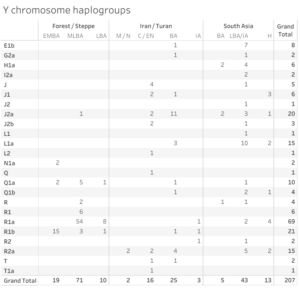
Brahmins were made in India, not the steppe
Razib Khan reads Narasimhan et al.’s Y-chromosome data to argue that Brahmin lineages, from UP, Punjab and elsewhere, mix steppe R1a with many local lineages, so Brahmins were formed in…
-
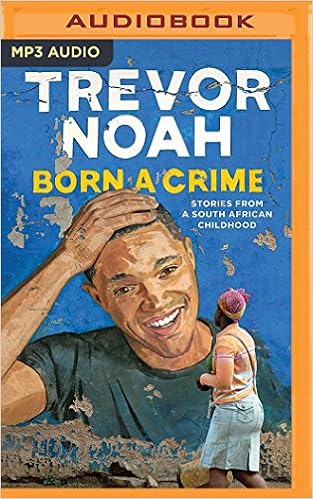
Review: Trevor Noah, Born a Crime
Omar Ali reviews Trevor Noah’s memoir Born a Crime, expecting a standard memoir but finding something far richer: an account of poverty, his strong mother, daily life in Black South…
-
Browncast Episode 97: Extraction!
In Browncast Episode 97, Razib talks to his friend Sagar about the Netflix film Extraction with Chris Hemsworth, in a short, casual episode that also touches on how coronavirus is…
-
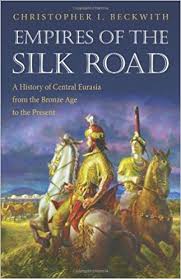
The Sintashta shamans
Razib Khan wonders whether the Kalash of Chitral, about 30 per cent Sintashta in ancestry, can show what early Indo-Aryan belief was like, noting their mountain shamanism resembles steppe shamanism…
-
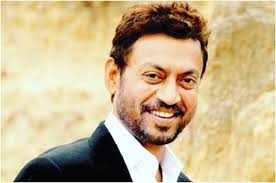
Irfan Khan, 1967-2020
-
The Abbasid invention of Islam
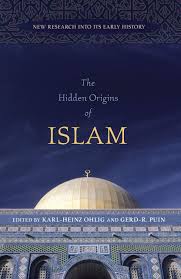
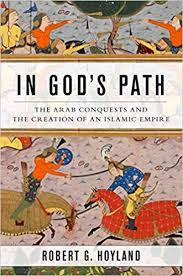
Razib Khan argues that Sunni Islam as we know it was strongly shaped by Iranian-Indian religious and social thought maturing in Central Asia under the Abbasids, with the hadith culture…
-
The myth of Arabian paganism, and the Jewish-Christian origins of the Umayyads
Citing a Twitter thread, the author notes that religious inscriptions from sixth-century Arabia appear invariably Christian rather than pagan, which sits uneasily with Islamic tradition and the Book of Idols’…
-
Hindu racism against Muslims
Prompted by Mindy Kaling’s use of ‘racism’ for prejudice against Muslims, Razib Khan argues that both some Hindu nationalists and some Muslims treat Muslims as an alien race, although genetics…
-
Never Have I Ever
Razib Khan calls Netflix’s Never Have I Ever pretty good and not really political, praising its realistic Southern California setting and the diverse non-Indian love interests that avoid the assumption…
-
COVID-19 in India, one week before the easing…
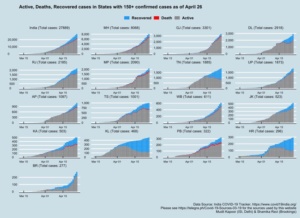
A note on India’s COVID-19 figures a week before easing: huge regional differences, with Kerala and Tamil Nadu having more recovered patients than active cases.
The Indian Subcontinent Argues with Itself
Sunday, 8 November 2026Since December 2010 · 4,170 posts · 93,923 comments