Devdutt Pattanaik asked on Facebook who funded the Brahmins to give up meat. His claims about Brahmin vegetarianism: the earliest texts promoting a fully vegetarian lifestyle are Jain texts from Gujarat around 1000 AD; Muslim merchants and halal practice may have shaped Hindu purity rules; and trade went both ways, with Gujarat supplying the peacocks seen in Islamic art and Muslim traders supplying the lions that became the symbol of the Jain kings of Girnar. He conceded that some monks and priests were vegetarian earlier, and asked whether the influence could have run the other way. He framed each point as “this needs investigation.” His Baniya and Brahmin thesis was discussed in The Brahmin Civil War.
Satire or history
“Who funded” and “this needs investigation” are phrases used online to question activists and protests. Pattanaik applied them to Brahmin diet and ended: “So it cannot be Baniya funded.” The post can be read as satire of that method. Whether or not it was meant as satire, its historical claims can be checked.
Two claims that hold
Brahmin diet varies by region
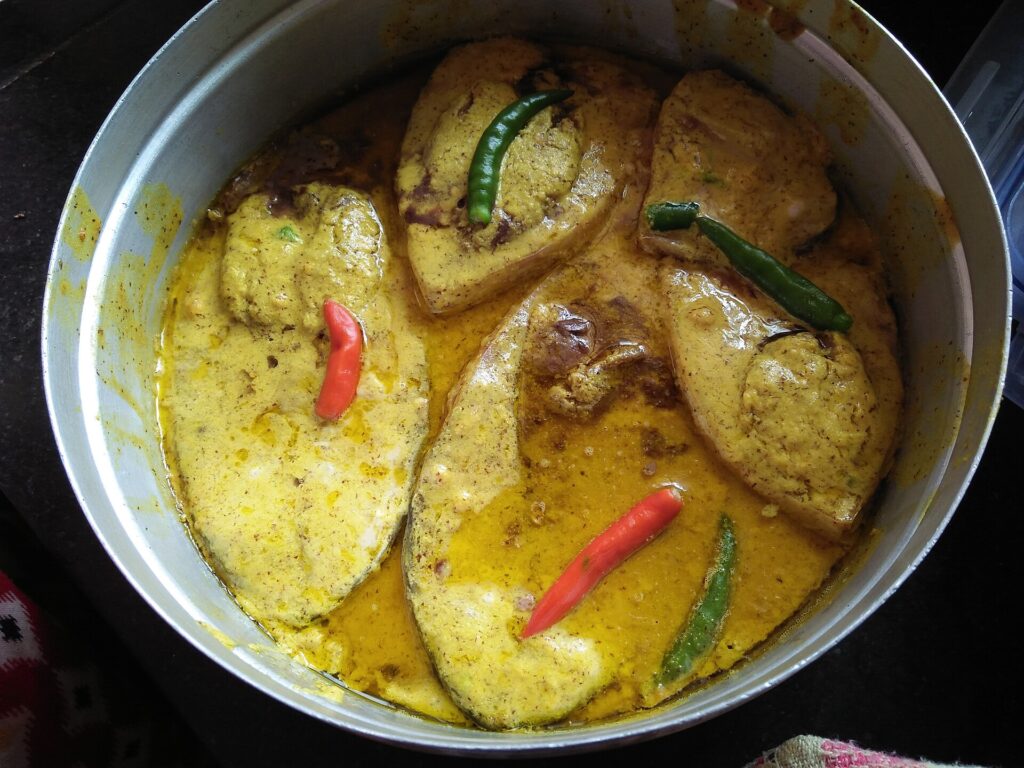
Members of several Brahmin communities eat fish, and some eat meat: Bengali, Odia, Maithil, Kashmiri, Saraswat and Konkani traditions all include fish-eating groups. Vedic ritual included animal sacrifice. Vegetarian norms are prominent among Brahmin communities in Gujarat, Rajasthan, the Tamil and Kannada regions and parts of the Hindi belt. Current practice shows variation; it does not by itself show how old any of these diets are.

Jain accounts describe a royal ban on killing in Gujarat
Jain accounts record that in the twelfth century the Chaulukya king Kumarapala, advised by the Jain scholar Hemachandra, proclaimed amari, a ban on killing animals, across his kingdom. The accounts come from the Jain side. How far the ban was enforced is not known.

Arguments against eating meat long before 1000 AD
Pattanaik’s dating concerns texts that promote a fully vegetarian life. The sources below are of different kinds. None shows all Brahmins changing diet at one moment. Together they show that the argument for abstaining from meat is far older than medieval Gujarat.
| Date | Source | Type | Content |
|---|---|---|---|
| c. 250 BCE | Ashoka’s edicts | Royal policy | Rock Edict I reduces killing in the royal kitchen to two peacocks and a deer, the deer not regularly, and says these too will stop. Pillar Edict V lists protected animals. A restriction on killing, not a vegetarian rule for all subjects. |
| Early centuries CE | Manusmriti 5.48 to 5.49 | Normative teaching | Meat cannot be had without injury to living beings, so a man should avoid it. The same chapter permits meat in ritual and other contexts. |
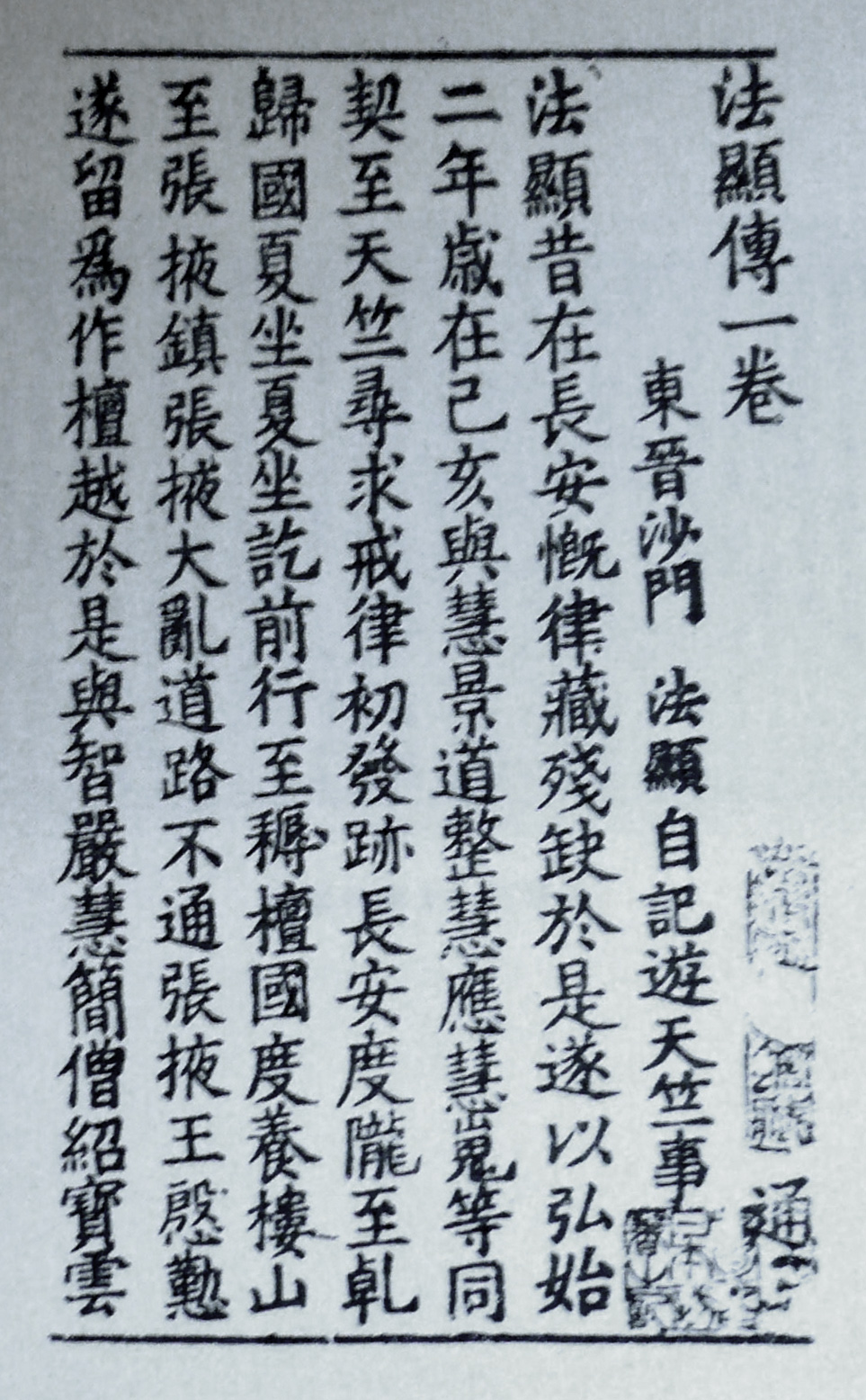
| c. 400 CE | Faxian, Chinese pilgrim | Traveller’s account | Reports that in the Middle Country people did not kill living creatures, drink alcohol, or eat onion or garlic, except the Chandalas. An observation, not a census. |
| c. 300 to 600 CE (dating disputed) | Tirukkural, chapter 26 | Normative teaching | Ten verses on abstaining from meat. |

The disputed Jain passage
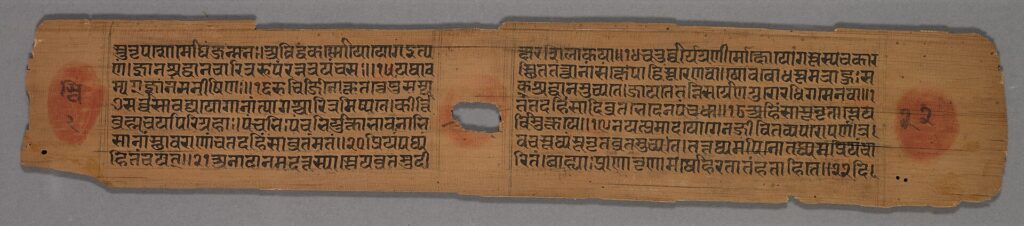
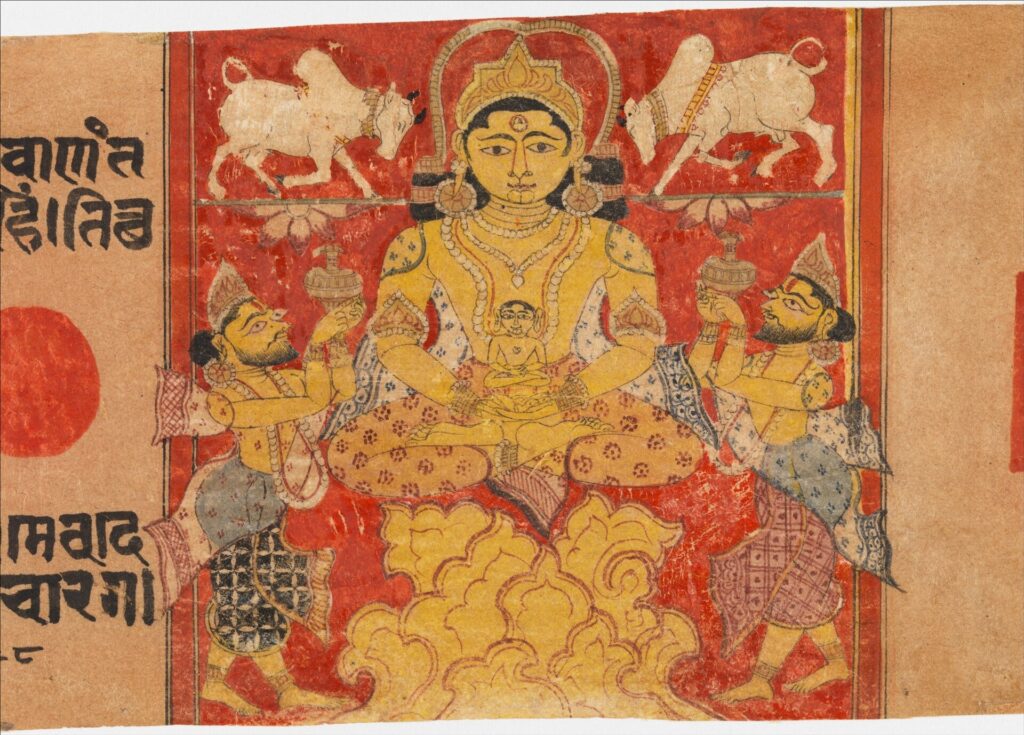
Pattanaik’s reading that early Jain texts allowed meat rests in part on the Bhagavati Sutra (Viyahapannatti 15), in the account of Mahavira’s illness. Revati prepares food described with words that can mean pigeon and rooster. The Indologist Ludwig Alsdorf defended the literal meat reading. Jain commentators since the medieval period have read the words as plant names, a gourd and a citron. The passage is disputed and has been for more than a century. It does not settle Mahavira’s diet, and it does not date the origin of Brahmin vegetarianism either way.

Purity rules and the lion before Islam
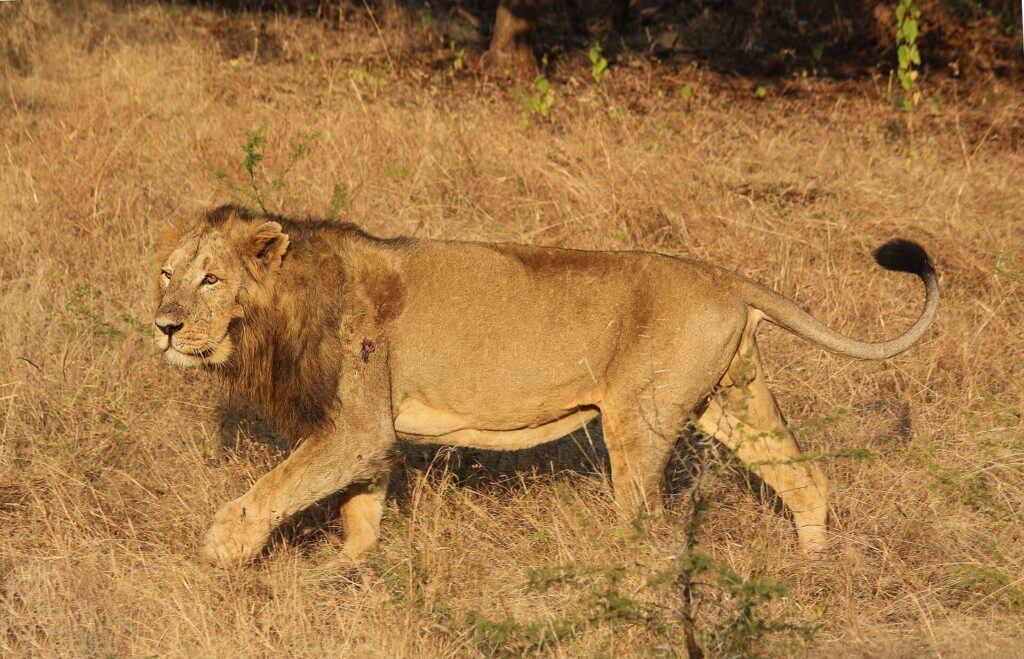
Dharmashastra texts classified substances, animals and people as pure or impure centuries before Islam reached Gujarat. Lions are native to Gujarat, where the Gir forest and the surrounding Saurashtra landscape hold the surviving wild Asiatic lions, and the lion is Mahavira’s emblem in Jain iconography. None of this rules out later borrowing in particular cases. It does mean that a Muslim import is not needed to explain the purity rules or the lion.

What the evidence explains, and what it does not
Sanskritisation explains spread, not origin
M. N. Srinivas described Sanskritisation in the 1950s: castes seeking higher status adopt the practices of higher castes, often including vegetarianism. This explains how a prestigious diet spreads, and why diet still marks caste boundaries in everyday life. It does not explain why Brahmins in some regions adopted it first.
Competition with Buddhism and Jainism
Brahmanical traditions competed with Buddhism and Jainism for royal and merchant patronage over many centuries, and both of those religions made non-violence central. That is a plausible pressure on Brahmin practice. The sources used here do not establish whether it explains the regional pattern, and the ancient texts above do not measure it.
What the sources establish
Diet is now argued over as a marker of national identity: meat called foreign by one side, vegetarianism called an import by the other. Indian arguments for abstaining from meat predate Islam and Hemachandra. The sources do not identify one moment when all Brahmins changed diet, or one sponsor. Regional practice, religious teaching, patronage and status imitation are separate mechanisms, and each needs its own evidence.