Zoroastrianism
-
Parsis, DNA and steppe incursions
Indosaurus announces his long-promised article on Parsi matrilineal DNA and steppe ancestry, published on his Substack, and hopes Zoroastrians and Hindus can reclaim the name Aryan from racists.
-
Parsi Nanis Are Gujarati
X.T.M reads genetic studies of the Parsis, with Iranian paternal lines and roughly half South Asian maternal lines, to argue that Parsi Gujarati comes from founding Gujarati mothers. A Facebook…
-
Lord Zoroaster’s Fire Still Burns
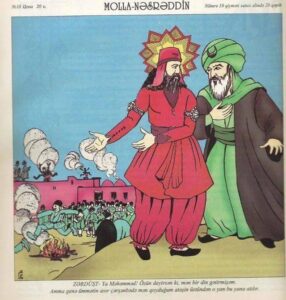
X.T.M uses a Molla Nasreddin cartoon of Zoroaster to argue that Persian customs survived Islamisation. He holds that Iran is a civilisation-state, not a regime problem, so Western pressure is…
-
Between Arab Conquest and Persian Conversion: The Sasanian Inheritance
X.T.M uses Hugh Kennedy and Ira Lapidus to argue that conquest and conversion were different processes in Iran, rejecting both the viral claim of mass forced conversion and the opposite…
-
Twelve Days of Norouz
A personal reflection on Nowruz as a twelve-day ritual of recalibration, written by a part-Persian Bahá’í of distant Zoroastrian descent. The author describes cutting a cake at the equinox, calendars…
-
The Hidden Migrations of Bahá’ís in Northern Iran: Ayyám-i-Há Reflections
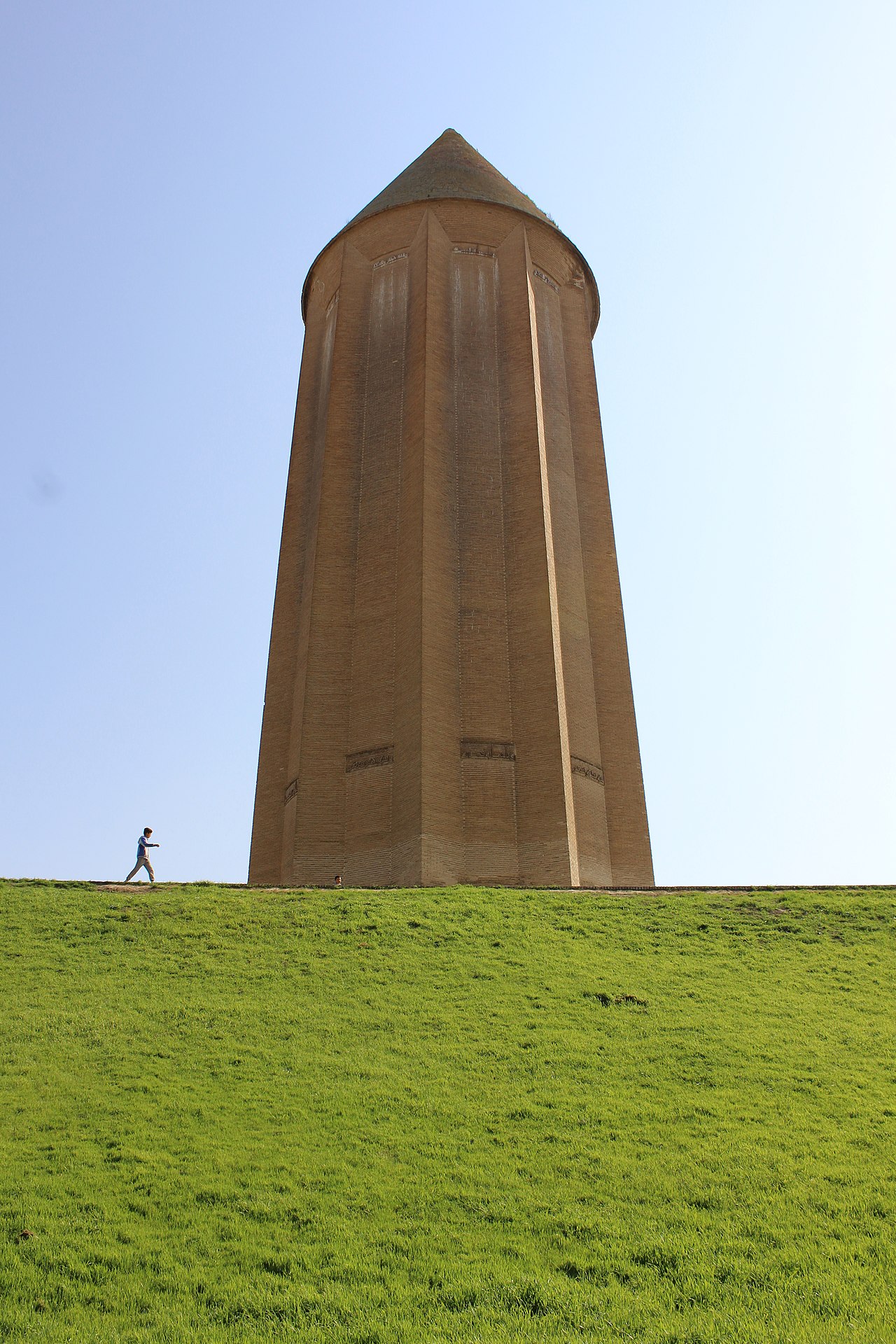
Starting from a conversation with a Bahá’í friend born in Gonbad-e-Qabus, X.T.M traces how Bahá’í families from Sangesar in Semnan Province migrated north, a story of adaptation and survival under…
-
Open Thread – 05/14/2023 – Brown Pundits
Open Thread, 14 May 2023: the host announces he has finished his Iran sequence, four Substack pieces from pre-Persian Iran and Zoroastrianism to the end of the Persian Empire and…
-
The Parsis of Bombay
Prompted by Michael Axworthy’s Iran: Empire of the Mind, the author reposts a decade-old personal account of the Parsis of Mumbai, descendants of Zoroastrians who fled Persia for Gujarat after…
-
“The Buddhist Age”
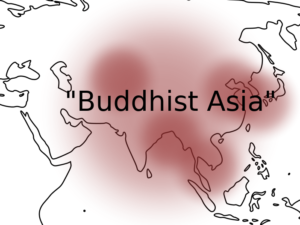
The author argues that 250 to 750 AD can be thought of as Asia’s ‘Buddhist Age’, and that around 700 Buddhism, though declining in the subcontinent and under threat in…
-
Endogamy and assimilation: Parsis in India
Prompted by a Guardian profile of Parsis, Razib Khan argues they combine high assimilation with high separateness, citing genetic work that finds them closest to Iranians and Caucasus populations, with…