Who are the Indus Periphery people ?

From the pre-print of the Narasimhan et al paper, we got hold of 3 ancient  Bronze Age samples which the authors contend, based on their genetic ancestry (which had significant levels of AASI ancestry and no Anatolian Neolithic farmer ancestry (ANF)) to have been South Asian in origin.

Since these 3 samples were found outside of the geographical expanse of the Harappan civilization (2 from Shahr-i-Sokhta in Eastern Iran & 1 from Gonur (BMAC) in Turkmenistan), they have been designated as Indus Periphery samples – implicitly under the assumption that they were migrants from the Harappan civilization.

It has been a long time since the Narasimhan et al preprint had come out in 31st March 2018, and we still await the peer-reviewed publication of the paper. However, there are a few things we already know about the final paper. One of these is the fact that the final paper, in comparison to its preprint, will have significantly greater number of samples from Eastern Iran and Central Asia, including as many as 14 Indus Periphery samples.

This is exciting stuff !

More specifically, 10 of these Indus Periphery samples are from Shahr-i-Sokhta are from Eastern Iran and 4 from the site of Gonur in BMAC.

This is a very important information !

Let me explain how it is so.

The Indus Periphery samples have been assumed to be Harappan migrants from South Asia into Eastern Iran and Central Asia, an assumption which is largely correct.

However, the Narasimhan et al paper went one step further and argued that these 3 Indus Periphery samples can be taken as a good sample representation of the entire Harappan genetic diversity which spread over a vast geographical expanse from Afghanistan in the West to Western UP in India in the East and upto the northern half of Gujarat in the South.

Clearly, the mature Harappan civilization had emerged by the assimilation of several distinct but interacting early Harappan cultures. The Early Harappan period is broadly defined by 4 cultural groups –

  • The Damb Sadat or Quetta ware tradition of northern Baluchistan and southern Afghanistan,
  • the Amri-Nal tradition of the southern Baluchistan and Sindh but also extending into Gujarat (Dholavira is considered a type site of this culture)
  • The Kot Diji tradition of the Greater Punjab region
  • The Sothi-Siswal tradition of North Rajasthan, Haryana, Western UP and also parts of Punjab.

The Kot Diji and Sothi-Siswal traditions were clearly the dominant cultural traditions in the formation of the Mature Harappan civilization and their sites were also typically larger in size than the other 2 traditions.

There are also greater nuances even within this broad 4-way classification. Therefore it is rather simplistic to assume that the 3 Indus Periphery samples give us a good estimation of the genetic diversity of the Harappans, without identifying the likely geographical origins of these Indus Periphery samples within South Asia.

And the fact that we have 10 Indus Periphery samples from Shahr-i-Sokhta and 4 from Gonur helps us a great deal in narrowing down their geographical origins within South Asia.

Archaeological evidence clearly shows that the site of Shahr-i-Sokhta only began to emerge around 3200 BC (very close in time to 1 Indus Periphery sample from this site which dates to around 3100 BC). And there is a lot of cultural similarities with the Chalcolithic cultural traditions of Baluchistan in the East, which has lead archaeologists to argue that there likely was migration from Baluchistan into Shahr-i-Sokhta.

To put it more directly and clearly, there was a significantly large input from the Chalcolithic people of Baluchistan in the formation of Shahr-i-Sokhta, including migration of people. The ancient DNA evidence has now confirmed it by showing the presence of as many as 10 Indus Periphery samples in Shahr-i-Sokhta (where perhaps the total no. of aDNA samples are unlikely to be more than 20-25).

By the way, hundreds of cattle figurines were discovered from the site of Shahr-i-Sokhta, and all the securely indentified figurines of cattle (more than 600 of them) are of the South Asian Zebu cattle.

The place in South Asia which was most directly involved in the formation of Shahr-i-Sokhta was Baluchistan and therefore it is quite safe to say that the Indus Periphery samples in Shahr-i-Sokhta are also migrants from Chalcolithic cultures of Baluchistan.

Furthermore, Shahr-i-Sokhta and the cultures of Eastern Iran in general and quite possibly Baluchistan as well, are said to have in turn significantly influenced the cultural formation of BMAC. So the 4 Indus Periphery samples from the BMAC site of Gonur could very well have been from these regions in Baluchistan or Eastern Iran in the South.


Now that we have identified the most likely place of origin of the Indus Periphery people within South Asia, let us understand the implications of this in terms of the genetic data.
Settler Colonialism and Permanent Settlement

I just read a short but very thought provoking article by Will Dalrymple in the Spectator website (https://spectator.us/algeria-current-colonization/). Some people may find the article a bit off-character from Dalrymple because here he provides a critique of all sort of colonialism and imperialism in history, including Muslim. Anyway, there are several interesting points in the article but I found a particular point very fascinating because although the implication seems huge in history of the Sub-continent, I haven’t much thought about it before. Without further ado,

“In the bloody 1954-62 War of Independence which ended French rule in Algeria, perhaps as many as 25,000 French and one million Algerians lost their lives in Franco-Algerian fighting, a terrible tale brilliantly told in Alistair Horne’s classic study A Savage War of Peace. In contrast, despite horrific death tolls in Hindu-Muslim violence at Partition and the creation of Muslim-only Pakistan, only seven Brits lost their lives in 1947 during the British decolonization of South Asia. The man to thank for this, more than anyone, is probably Lord Cornwallis, the British general who received such an unfair caricature in the Mel Gibson movie The Patriot. Having surrendered British forces in America to Washington at Yorktown in 1781, Cornwallis was recruited by the East India Company to make sure the same never happened in British India. He achieved this by enacting one simple law which made it illegal, except in very exceptional cases such as indigo plantations or hill stations, for British individuals ever to own land in India. This meant no settler class developed, as in the 13 American Colonies or French Algeria. As a result, in 1947, the last British officials were able to board their ships in Bombay harbor with little more than a backward glance, a regretful shrug and a rush to buy leafy bungalows in Tunbridge Wells.”


Genetics, history, and identity in South Asia

In light of all the posts on Indian genetics, and my soon-to-be conversation with Vagheesh Narasimhan, I thought I would lay out some things in a single post rather than scattering across comments.

* I dislike the political/tribal valences of questions about South Asian genetic and cultural history. As an American, I’m very detached from the whole thing. As someone with an Islam-skeptic view (I have posted my sketches of Muhammad being sodomized by a camel on this weblog), I also am not someone who thinks that the Muslim impact on India was wholly good. Some of you lower IQ Hindu nationalists detect an Islamic subtext in my comments…but you just stupid and biased (which is OK, since most people are stupid, and everyone is biased). What you are detecting is that I generally find some of the anti-Islamic perspectives of Hindu nationalists ahistorical as well, and, strangely almost enslaved and haunted by Islam.

For example, while some Hindu nationalists linger on the violent and avaricious nature of the Turks and its impact on India as sui generis, I am quite amazed the more I think about it and read about it that Indian religio-cultural systems persisted so robustly. Islam is nothing special, just a flavor of another thing.

* As someone of the Right, I am not a fan of Marxism, though some Marxist analysis and historiography is useful. That being said, some on the Indian Left, Marxist and not, seem to support the migration-narrative for the “wrong reasons.” This includes some Indian scientists I follow on Twitter.

It’s pretty depressing when biologists spread scientific results not because the results themselves were interesting, but because of second-order impacts on internecine political arguments. Those second-order impacts happen to be that for whatever reason the Hindu Right as adhered itself to a set of positions that are difficult to support empirically, which have only ethereal and tenuous connections to Hindu nationalism.

Though I am probably more suspicious of Marxism than most, I am also not someone who thinks all Hindu nationalists are Nazi and that that position is ipso facto illegitimate. Not all positions and ideologies I disagree with are illegitimate. 

* The empirical data on migration of large numbers of pastoralists into South Asia between 2000 and 1500 BC seems very strong now. Before 2010 I assumed that something like this happened, but that it was a matter of a few percents. That is, I had assumed that the Indo-Aryan migration was likely as demographically impactful as the Magyar conquest of modern Hungary. Not very.

In 2009 Reconstructing Indian History was published. I also began examing genome-wide data myself. In short, South Asians were way too “West Eurasian” in relation to my earlier assumptions. I didn’t know what to make of it. Reconstructing Indian History presented a model where there had been a massive admixture between “Ancestral North Indians” and “Ancestral South Indians.” In personal communication of the authors explained just how similar “ANI” was to other West Eurasians (pairwise Fst). It seemed then that the admixture had happened during the Holocene.

* Looking at packages like Treemix and Admixture as 2010 progressed many were arguing that ANI was two populations. I saw it myself in my analyses. Follow-ups from the Reich lab confirmed this hunch. Some South Indian populations shared drift with Georgians/Armenians, while some North Indian populations (e.g., UP Brahmins) shared a lot of drift with Northeast Europeans and ancient steppe people.

* Model-based analyses today suggest that 10-15% of the ancestry of modern South Asians is “steppe.” In some groups, it is nearly 30% (Jatts, Kalash, some North Indian Brahmins). This is a huge demographic impact.

Like many of the authors, the confluence of linguistic affinities between Eastern Europeans and Indo-Aryans and the genetic affinities point to a recently shared origin. As South Asians have ancestry components (AHG in particular) that Eastern Europeans do not, the most parsimonious explanation is that Eastern Europeans or their ancestors are a donor population to South Asians.


Review: The Anarchy, by WIlliam Dalrymple

The glossary at the end gives two meanings for “Alam” – the world, and the battle standard used in Muharram by Shi’as. In fact, these are two different words: ‘aalam عالم = world ‘alam علم = standard BTW, ‘alam refers to battle standards in general.

Also in the glossary, “firangi” is translated as “foreigner”. In fact, the term refers only to Europeans, and is derived from “Frank”. Non-European, non-white foreigners would never be called “firangi”..

A truly startling error in the translation of the term “Id” عید in the glossary, which says that “Id-ul-Zuha” (actually “Id-al-Azha”) “commemorates the delivery of Isaac”. Muslims celebrate the deliverance of Isma’il (Ishmael), NOT Isaac…..

Again in the glossary, “Masnavi” is defined as “Persian or Urdu love lyric”, which is incorrect. “Masnavi” refers purely to the form of a poem, where both lines of each couplet rhyme with each other but each couplet has its own rhyme…..

The term comes from “ithnan”, the Arabic word for “two”, indicating the dual rhyme pattern. The most famous Masnavi in the world – by Rumi – is emphatically NOT a “love lyric”. The Shahnameh of Ferdowsi is also a masnavi, but not a love lyric…..

There are fanous masnavis in Persian by Nizami, Khusraw, Jami and many others. In Urdu by Mir Hasan, Daya Shankar Naseem and Nawab Mirza Shaoq. All these great masnavis are book length poems, which is the typical use of this genre …..

“Muharram” is not a “great Shi’a festival”; it is the first month of the Islamic calendar. Shi’as (and many Sunnis) mourn the martyrdom of Inam Hussain in this month, but not as a “celebration” and certainly not with “gusto”! It is a solemn – if often passionate – occasion…..

There are many short masnavis in Urdu, notably Iqbal’s “Saqi Nama”. Ghalib wrote a whimsical masnavi on mangoes, and another one complaining about his financial problems. Offhand, I can’t think of any masnavis that can be considered love lyrics, though there must be some….


Why you are not as smart as you could be and why I am smarter than I should be

Recently regular reader and commenter “ScorpionEater” said something to the effect of “why do you bring up non-Indian history/phenomena in conversations where we are talking about Indian history/phenomena?” The simple answer is that you can’t understand the history and culture of any particular place without understanding the history and culture of other places. Without a cross-cultural perspective, history becomes “just one damned thing after another.”

Perhaps the bigger problem is parochialism in general. As an American, I am aware of this problem firsthand. When the terrorist attacks on September 11th occurred many Americans expressed shock at the proposition that there could be anger and the United States of America abroad. The fact is that most people are stupid and ignorant and don’t know anything, and Americans in particular, in their continent-sized nation, are simply unaware of how they are perceived by other peoples.

Americans have a high self-regard and many blind spots. I was raised as a child to believe that the Revolutionary War was unreservedly good. But as Dr. Johnson observed, “How is it that we hear the loudest yelps for liberty among the drivers of Negroes?” Reality is more complex than our imaginings and myth-making.

With a substantial proportion of the readership from this website coming from India, parochialism has now reared its head differently. My personal experience with Indians has been with the cosmopolitan Diaspora. Indians in India seem somewhat different, and frankly, more like Americans in their self-regard and self-centeredness. India is after all a continent-sized country, with its own long history and cultural predilections.

Setting the ground straight on the Indian economy

“I could see some parts of the coastal peninsula approaching Thai levels at best”

Some comments in our discussion threads necessitate a deconstruction of the Indian economy.

In my opinion, a good place to start analyzing national economies is nominal industrial output. This is a good measure of the level and depth of industrial prowess of a country. The prices of industrial goods also tend to be less sensitive to locale, than services.

As an example of the usefulness of this measure, consider the economies of Italy and Germany. Seeing the number of German brands around the world, the reputation of German engineering and more recently, the exodus of highly educated Italians from their country, we have a strong intuition that the German economy is stronger than the Italian one. Yet the difference between Germany and Italy in terms of overall PPP GDP per capita does not seem very large. However, restricting to the nominal industrial output, the German output is more than twice that of Italy.


The Global Influences and Achievements of Indian Civilization

A few days Razib asked about the achievements of Indian civilization that a Hindu would be proud of. I take this as a opportunity to make an exhaustive list of all things I am aware of in my own humble understanding.  This is not limited to what one would refer to as achievements but also includes events or processes that have made a significant influence across the globe.

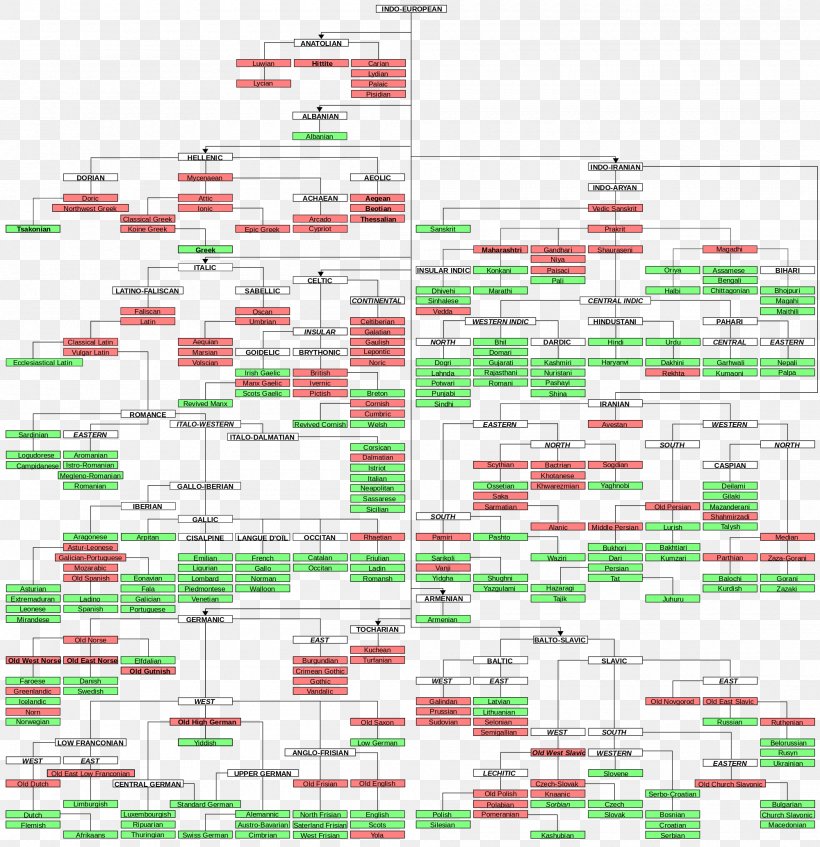
1. The origins of Indo-europeans

2. the indus-saraswati civilization and its sphere of influence

3. Greater india

4. gypsies

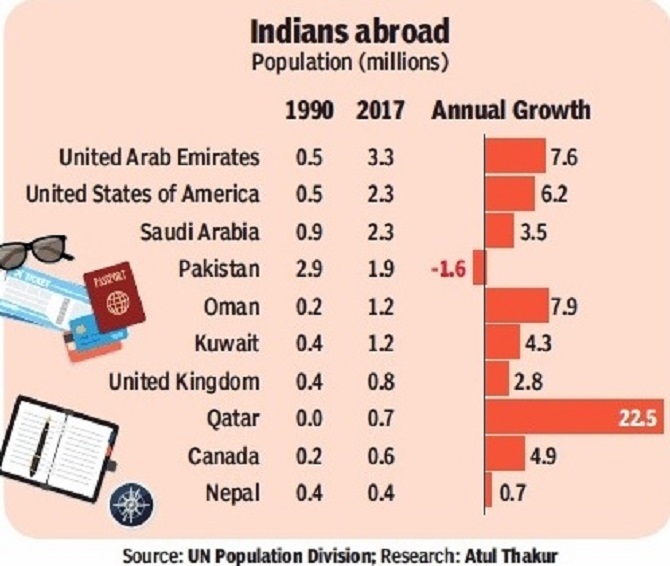
5. indian diaspora

Indians diaspora is the largest in the world, more than 15 mn live ...

6. zebu cattle

7. water buffalo

8. chickens

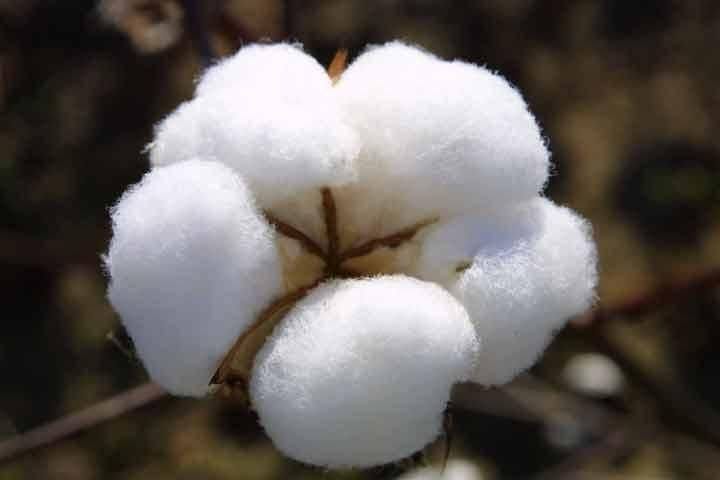
9. cotton

10. rice

11. religion

12. philosophy

13. statecraft & espionage

14. republics

15. non-violent non-cooperation

16. mathematics


17. hindu-arabic numerals

18. medicine

19. astronomy

20. toxicology

21. yoga

22. classical literature

23. paninian grammar

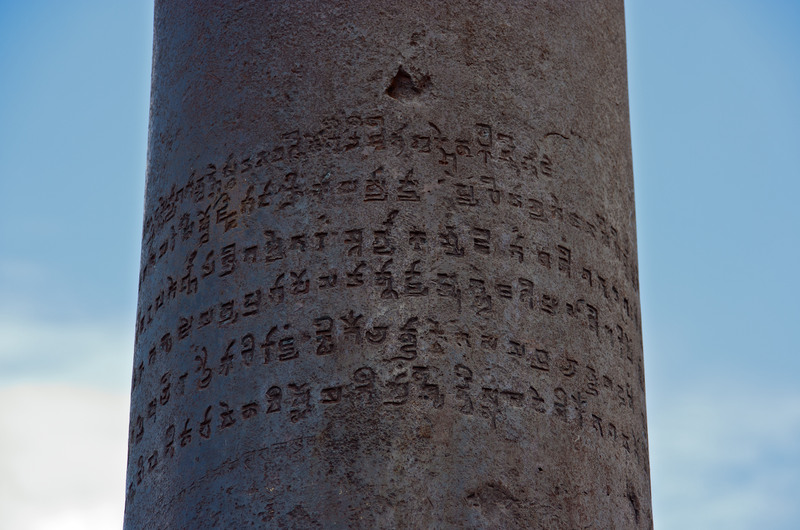
24. scripts

25. indian stories

26. music

27. dance & theatre

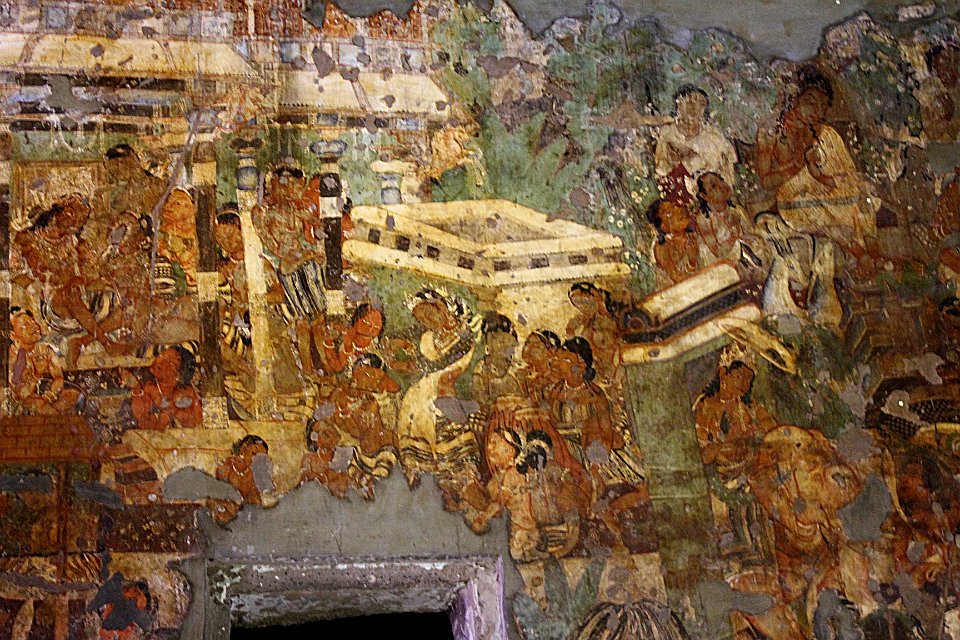
28. murals & frescoes

29. vastu shastra & shilpashastra

30. surgery

31. chess

32. snakes & Ladders

33. ludo

34. the drainage and sewerage system

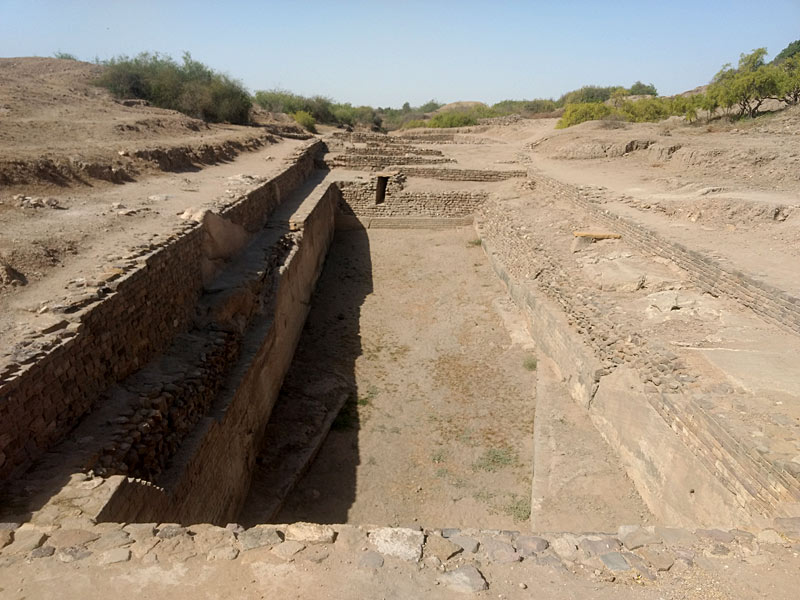
35. canals & reservoirs

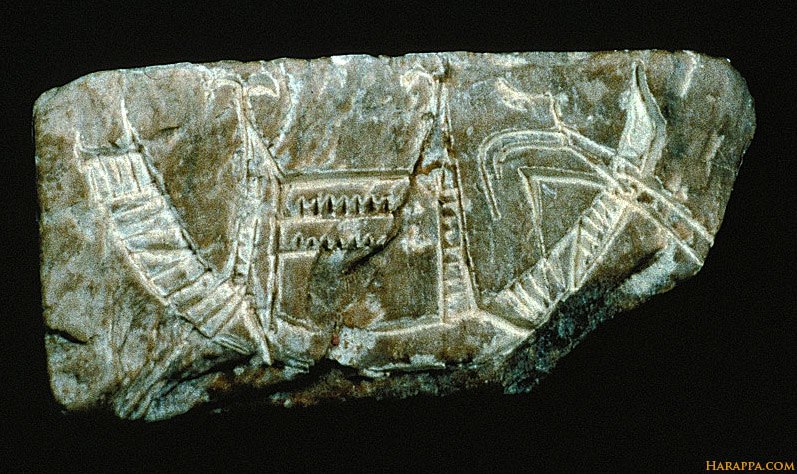
36. seafaring & shipbuilding

37. grid-iron city plan

38. the english bond

39. tin bronze

40. lost-wax casting

41. coinage & currency

42. iron

43. steel

44. zinc

45. spices

46. sugar & jaggery

47. mango & other fruits

48. indian cuisine

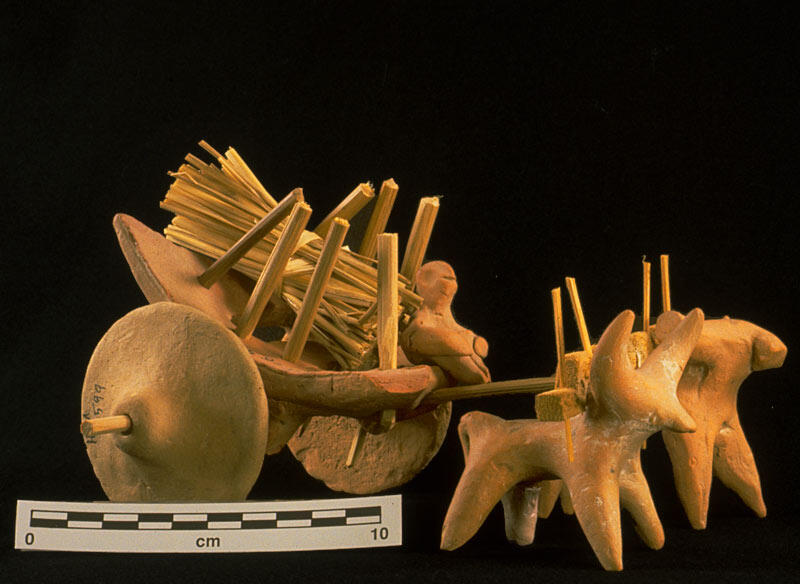
49. toys

50. soaps & shampoo

51. perfumes

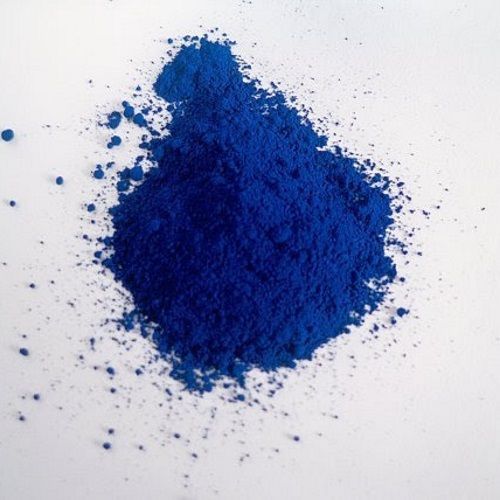
52. dyes – indigo & others

53. organic farming

54. gunpowder & rockets

55. martial arts

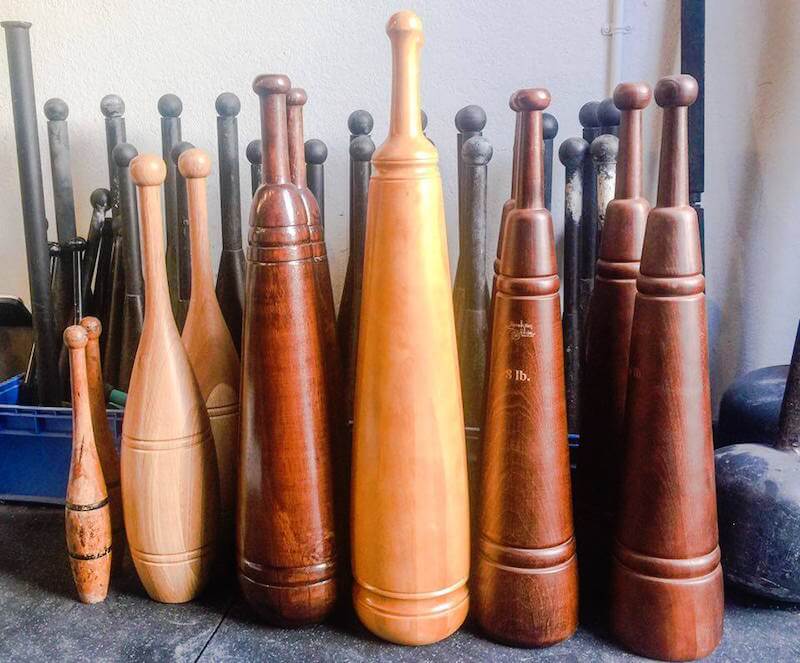
56. indian clubs & maces

57. chariots

58. gemstones – diamonds & others


Brown Pundits