misinformation
-
Disinformation Feudalism
Comparing today’s America with the medieval Church’s monopoly over morality and information, the author argues that digital-age ideological power resembles a feudal order, and asks what the ‘resistance’ resists when…
-
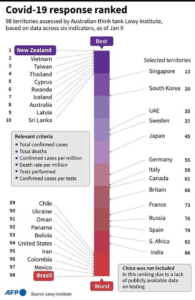
Looking back at COVID-19
A pathology trainee in Texas, writing on policy rather than clinical medicine, looks back at the Covid-19 response, drawing on two New Yorker pieces and recalling early complacency about outbreaks…
-
Why Hindu-Americans Don’t Stand Up For Hindus
The author asks Hindu-American friends why they speak up for other minorities but not Hindus, finds many unaware of the persecution of Hindus in Pakistan and Bangladesh, and argues their…
-
Was There a Sugar Conspiracy?
Omar Ali shares a balanced Science article on whether a ‘sugar conspiracy’ really existed in the nutrition wars, concluding not in a sense that could go to court.
-
The Coming Information Apocalypse..
Omar Ali shares a long article in which technologist Aviv Ovadya warns of AI-assisted fake news and falsified reality over the next two decades.