
This essay has nothing to do with South Asia but I am sharing it in the interest of mixing up topics and discussing things that don’t have to do with Ind-Pak. For FlyDie specifically.
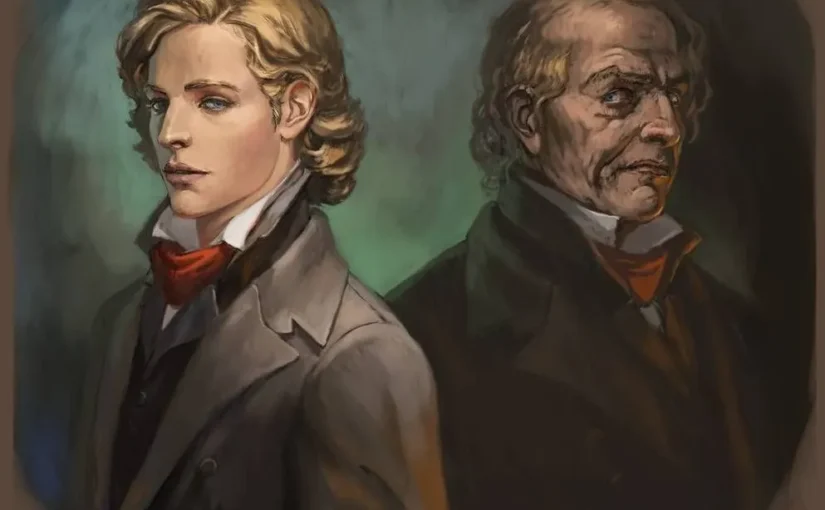
Oscar Wilde’s The Picture of Dorian Gray is a classic work of 19th century gothic horror. Initially published in the July 1890 issue of Lippincott’s Monthly Magazine, the novel became immediately controversial, primarily because of its “immorality”. In his “Introduction” to the annotated, uncensored edition (Belknap 2011)–based on Wilde’s original typescript– editor Nicholas Frankel quotes a contemporary review in the Daily Chronicle:
It is a tale spawned from the leprous literature of the French decadents–a poisonous book, the atmosphere of which is heavy with the mephitic odours of moral and spiritual putrefaction–a gloating study of the mental and physical corruption of a fresh, fair and golden, youth, which might be fascinating but for its effeminate frivolity, its studied insincerity, its theatrical cynicism, its tawdry mysticism, its flippant philosophizing…
Frankel argues that a large part of the reviewers’ outrage arose out of what they perceived to be the novel’s references to homosexuality. He writes:
That outraged British reviews of The Picture of Dorian Gray share the same coded language (unhealthiness, insanity, uncleanliness, and so on), while making allusion to criminal prosecution, shows very clearly that many early British readers were cognizant of the the ways in which the novel challenged conventional Victorian notions of masculine sexuality, particularly through its preoccupation with the homoerotic and emotional relations between the three main male characters (Dorian, Basil, and Lord Henry) and through its complex interest in the potentially corruptive nature of interpersonal influence.
As a response to this criticism, Wilde made substantial changes to the 1891 book-length version, substantially toning down the homoerotic content. However, during his 1895 trials for “gross indecency”, passages from the novel were often introduced into evidence, usually in the more scandalous magazine version. Thus, the controversy around Dorian Gray became inseparable from the scandal around Wilde’s sexual behavior more generally. Continue reading Oscar Wilde’s The Picture of Dorian Gray: The Controversy around the novel’s depiction of homoeroticism