
It’s a wonderful place.
Tag: Indic civilisation
Can Sindh Save Pakistan
Whatever one may think of Bilawal Bhutto Zardari, it is hard
to deny that his call to celebrate the heritage of Sindh in particular and
Pakistan in general has touched a chord. Perhaps it’s the fact that, after
years of paying homage to attitudes imported from the Arabia Deserta, someone
of prominence has had the guts to promote traditions with actual roots in
Pakistan, and to do it vociferously, without apology or qualification. In this
age of “Allah Hafiz” and Ansar Abbasi, this is no small relief. Two other
aspects of the festival are also especially important. First, the choice of
Moenjodaro as the site of the opening event – though understandably
controversial for archaeological reasons – sent a refreshingly clear signal of
the desire to own all of the region’s
history, not just that associated with Muslims or Pakistan. Second, the
inclusion of performers and languages from all over Pakistan – including Punjab
– turned the festival into a celebration of the country as a whole rather than
one focused on Sindh. Thus, it came to symbolize an alternative view of
Pakistan to place against the one promoted incessantly by those who seek to
turn the country into an ahistorical, joyless Salafist emirate. I have to
believe that this is exactly what the goal of the event was, and I think that
it is an extremely important one.
to deny that his call to celebrate the heritage of Sindh in particular and
Pakistan in general has touched a chord. Perhaps it’s the fact that, after
years of paying homage to attitudes imported from the Arabia Deserta, someone
of prominence has had the guts to promote traditions with actual roots in
Pakistan, and to do it vociferously, without apology or qualification. In this
age of “Allah Hafiz” and Ansar Abbasi, this is no small relief. Two other
aspects of the festival are also especially important. First, the choice of
Moenjodaro as the site of the opening event – though understandably
controversial for archaeological reasons – sent a refreshingly clear signal of
the desire to own all of the region’s
history, not just that associated with Muslims or Pakistan. Second, the
inclusion of performers and languages from all over Pakistan – including Punjab
– turned the festival into a celebration of the country as a whole rather than
one focused on Sindh. Thus, it came to symbolize an alternative view of
Pakistan to place against the one promoted incessantly by those who seek to
turn the country into an ahistorical, joyless Salafist emirate. I have to
believe that this is exactly what the goal of the event was, and I think that
it is an extremely important one.
It has become conventional wisdom to blame the Taliban or
other extremist religious groups for Pakistan’s recent tragic turn towards becoming
a narrow-minded, intolerant society, but anyone with any knowledge of the facts
realizes that the extremists are just a visible symptom of an older, less
visible and far more insidious disease. The intolerant ideology that today is
being imposed on people through guns and bombs was nurtured for decades – even
centuries – in mosques and homes, courts and seminaries, conditioning millions
of people all over the Muslim world to equate piety with bigotry. But in South
Asia, it was always kept in check by two important forces: The living
multi-cultural, multi-ethnic and multi-religious societies of the region; and a
fundamentally tolerant, open-minded and welcoming tradition within Islam, i.e.,
Sufism. And nowhere was this more true than in the regions that constitute the
country of Pakistan today. While the men occupying the shrines of the great
Sufi masters may no longer have been as inspiring as their ancestors, the ethos
of Islam in Punjab and Sindh, and to a lesser extent in other areas, was shaped
by the tradition of those masters and great Sufi poets like Shah Latif, Rahman
Baba and Bulleh Shah. This is not to say that all was wonderful – how wonderful
could things be in a feudal society? – but Islam was not a divisive factor.
other extremist religious groups for Pakistan’s recent tragic turn towards becoming
a narrow-minded, intolerant society, but anyone with any knowledge of the facts
realizes that the extremists are just a visible symptom of an older, less
visible and far more insidious disease. The intolerant ideology that today is
being imposed on people through guns and bombs was nurtured for decades – even
centuries – in mosques and homes, courts and seminaries, conditioning millions
of people all over the Muslim world to equate piety with bigotry. But in South
Asia, it was always kept in check by two important forces: The living
multi-cultural, multi-ethnic and multi-religious societies of the region; and a
fundamentally tolerant, open-minded and welcoming tradition within Islam, i.e.,
Sufism. And nowhere was this more true than in the regions that constitute the
country of Pakistan today. While the men occupying the shrines of the great
Sufi masters may no longer have been as inspiring as their ancestors, the ethos
of Islam in Punjab and Sindh, and to a lesser extent in other areas, was shaped
by the tradition of those masters and great Sufi poets like Shah Latif, Rahman
Baba and Bulleh Shah. This is not to say that all was wonderful – how wonderful
could things be in a feudal society? – but Islam was not a divisive factor.
Then came Pakistan – or rather, the movement to create
Pakistan. Perhaps its most harmful effect was to turn Islam into an ideological
weapon. Admittedly, India was not the only place where this happened (see Qutb,
Sayyid), but India was the only place
where it succeeded! An ideological state was created based on an inherently
exclusionary view of Islam – a land for Muslims and thus, by implication, a
land not for “others”. And once a society sets off on the path to purification,
there is no reason to stop at any particular point. What has followed – the
bombing of churches, the persecution of Ahmadis, the prejudice against Shias –
is a logical consequence of that first decision to draw the first boundary
between “us” and “them”. Ever since then, the disease has grown steadily,
helped along by the (necessary) creation of a mythological history to justify
the ideological state, feeding delusions of ancestral grandeur on the part of
presidents and generals seeking to replicate the triumphs of heroes past. The
Objectives Resolution of 1948, the anti-Ahmadi movement of the 1950s and their
being declared non-Muslim in 1974, the creation of the Council on Islamic
Ideology in 1962 and the Federal Shariat Court in 1980, the entire reign of
General Zia, the Hudood Ordinance, the Blasphemy law – the history of Pakistan
has traversed the path of increasing intolerance ever since the beginning. On
the one hand, it has led to the Taliban. On the other, it has gradually crushed
the older, more tolerant, more inclusive traditions that had dominated the
region for centuries. And that brings us back to the Sindh Festival.
Pakistan. Perhaps its most harmful effect was to turn Islam into an ideological
weapon. Admittedly, India was not the only place where this happened (see Qutb,
Sayyid), but India was the only place
where it succeeded! An ideological state was created based on an inherently
exclusionary view of Islam – a land for Muslims and thus, by implication, a
land not for “others”. And once a society sets off on the path to purification,
there is no reason to stop at any particular point. What has followed – the
bombing of churches, the persecution of Ahmadis, the prejudice against Shias –
is a logical consequence of that first decision to draw the first boundary
between “us” and “them”. Ever since then, the disease has grown steadily,
helped along by the (necessary) creation of a mythological history to justify
the ideological state, feeding delusions of ancestral grandeur on the part of
presidents and generals seeking to replicate the triumphs of heroes past. The
Objectives Resolution of 1948, the anti-Ahmadi movement of the 1950s and their
being declared non-Muslim in 1974, the creation of the Council on Islamic
Ideology in 1962 and the Federal Shariat Court in 1980, the entire reign of
General Zia, the Hudood Ordinance, the Blasphemy law – the history of Pakistan
has traversed the path of increasing intolerance ever since the beginning. On
the one hand, it has led to the Taliban. On the other, it has gradually crushed
the older, more tolerant, more inclusive traditions that had dominated the
region for centuries. And that brings us back to the Sindh Festival.
There was a time some years ago when many of us believed that
the ideological fever would eventually subside and the natural, organic ethos
of the Pakistani region would reassert itself. However, for reasons that can be
understood in retrospect, that has not happened. Most of Pakistan has actually
succumbed to the ideological virus, with the old attitudes fighting a desperate
rearguard action. What used to be called the Northwest Frontier was lost during
and after the Afghan jihad; in the last fifteen years, Punjab too has mostly been
overrun by extremist groups and their political sympathizers; Baluchistan is
struggling with both extremism and insurgency; which leaves Sindh. If the
people of Pakistan – most of whom are still not extreme fundamentalists – are to
reclaim their country from the clutches of insanity, the reclamation project
must start from Sindh.
the ideological fever would eventually subside and the natural, organic ethos
of the Pakistani region would reassert itself. However, for reasons that can be
understood in retrospect, that has not happened. Most of Pakistan has actually
succumbed to the ideological virus, with the old attitudes fighting a desperate
rearguard action. What used to be called the Northwest Frontier was lost during
and after the Afghan jihad; in the last fifteen years, Punjab too has mostly been
overrun by extremist groups and their political sympathizers; Baluchistan is
struggling with both extremism and insurgency; which leaves Sindh. If the
people of Pakistan – most of whom are still not extreme fundamentalists – are to
reclaim their country from the clutches of insanity, the reclamation project
must start from Sindh.
Of course, no cultural festival – however delightful – or a photogenic
young leader with a famous name can accomplish what needs to be done. The rot
of decades will take a long time to reverse, and will require active
participation from millions of people. However, one of the most important components
of any rearguard action must be to provide a positive alternative to the unacceptable situation. Ideas must be
opposed by ideas, not just by refusal. The extremist ideology that has gained
ground in Pakistan must be met with an alternative ethos with content – something that people can hold
and cherish and celebrate and identify with as Pakistanis. And for this
alternative to have any chance of prevailing, it must be able to excite people
viscerally, to attract them in ways beyond naming, to resonate with their
being. It must be something that they already carry in their hearts so that
when they are reminded of it, they recognize it as their own and love it for
that reason. Principles such as “rule of law” and “human rights” are extremely
important, but, unfortunately, they do not move populations. They must ride in
on something more primeval, something more intertwined with peoples’ sense of
themselves. Faith, art, community and tradition are such things. These, after
all, are the things that the other side is using (in addition to guns and
bombs, of course). They must also be deployed in the cause of good – but very
carefully. The last thing Pakistan needs is another ideology with its own
purity tests and its own interference in governance. The ideology of oppression
must be countered with a gospel of liberation – one that actively seeks to
include rather than exclude; that is based on allowing people the freedom to
make their own choices and find their own truths. This is something that the
great Sufis and poets understood well, which is why they are still loved by
millions hundreds of years after their death. No king or cleric has that love,
and that is a fact!
young leader with a famous name can accomplish what needs to be done. The rot
of decades will take a long time to reverse, and will require active
participation from millions of people. However, one of the most important components
of any rearguard action must be to provide a positive alternative to the unacceptable situation. Ideas must be
opposed by ideas, not just by refusal. The extremist ideology that has gained
ground in Pakistan must be met with an alternative ethos with content – something that people can hold
and cherish and celebrate and identify with as Pakistanis. And for this
alternative to have any chance of prevailing, it must be able to excite people
viscerally, to attract them in ways beyond naming, to resonate with their
being. It must be something that they already carry in their hearts so that
when they are reminded of it, they recognize it as their own and love it for
that reason. Principles such as “rule of law” and “human rights” are extremely
important, but, unfortunately, they do not move populations. They must ride in
on something more primeval, something more intertwined with peoples’ sense of
themselves. Faith, art, community and tradition are such things. These, after
all, are the things that the other side is using (in addition to guns and
bombs, of course). They must also be deployed in the cause of good – but very
carefully. The last thing Pakistan needs is another ideology with its own
purity tests and its own interference in governance. The ideology of oppression
must be countered with a gospel of liberation – one that actively seeks to
include rather than exclude; that is based on allowing people the freedom to
make their own choices and find their own truths. This is something that the
great Sufis and poets understood well, which is why they are still loved by
millions hundreds of years after their death. No king or cleric has that love,
and that is a fact!
Pakistan is a region rich in history. Unfortunately, most
Pakistanis are only familiar with its cartoon version. They do not know of all
the great civilizations – Hindu, Buddhist and Muslim – that rose and fell in the
area over three thousand years. Of the even older Indus Valley civilization,
they know only the words “Moenjodaro” and “Harappa”. They are not aware that
Alexander’s armies sailed down the Indus; that Iranian kings ruled over Sindh; that
Sialkot was the capital of King Menander; that major international trade routes
ran through Sindh and Baluchistan two thousand years ago; that whole new
schools of Hindu and Buddhist and Muslim thought developed in places where gas
stations stand today. But history never truly dies; it lives in the traditions
of the people, in their art, in their languages. If a leader should rise to
reclaim all that history, to revive the arts of the people, to welcome people
of all creeds, to celebrate the open-minded ethos of Sufi Islam and its poets, and
to do it in a broad, national and inclusive way, he or she could truly begin to
turn back the tide of obscurantism that is engulfing Pakistan. It will take
years, perhaps decades. And it will be dangerous. It will require not only the use
of the creative arts but also the exercise of military power, because people
with guns cannot be defeated with just songs and Sufism. But the process will
begin, and people will have something to stand for, not just against.
Pakistanis are only familiar with its cartoon version. They do not know of all
the great civilizations – Hindu, Buddhist and Muslim – that rose and fell in the
area over three thousand years. Of the even older Indus Valley civilization,
they know only the words “Moenjodaro” and “Harappa”. They are not aware that
Alexander’s armies sailed down the Indus; that Iranian kings ruled over Sindh; that
Sialkot was the capital of King Menander; that major international trade routes
ran through Sindh and Baluchistan two thousand years ago; that whole new
schools of Hindu and Buddhist and Muslim thought developed in places where gas
stations stand today. But history never truly dies; it lives in the traditions
of the people, in their art, in their languages. If a leader should rise to
reclaim all that history, to revive the arts of the people, to welcome people
of all creeds, to celebrate the open-minded ethos of Sufi Islam and its poets, and
to do it in a broad, national and inclusive way, he or she could truly begin to
turn back the tide of obscurantism that is engulfing Pakistan. It will take
years, perhaps decades. And it will be dangerous. It will require not only the use
of the creative arts but also the exercise of military power, because people
with guns cannot be defeated with just songs and Sufism. But the process will
begin, and people will have something to stand for, not just against.
It is hard to say if Bilawal Bhutto Zardari is – or can even
become – the leader that Pakistan needs. I am skeptical – change that to very
skeptical, given recent history and the tragic tradition of unfulfilled promise
that is his legacy. But one, skeptics can be wrong; and two, there may be
others. What I do know is that the attitude exemplified by the Sindh Festival
and Bilawal’s recent statements is exactly what Pakistan needs, and that Sindh
is the only place where the counter-offensive can be based. Fortuitously, Sindh
is also home to Karachi, which is not only the largest city in Pakistan but
also its economic center and home to the largest secular urban population in
the country. If the ethos of secular
commerce can be married to a new cultural awakening, an alternative history of
Pakistan may yet be possible.
become – the leader that Pakistan needs. I am skeptical – change that to very
skeptical, given recent history and the tragic tradition of unfulfilled promise
that is his legacy. But one, skeptics can be wrong; and two, there may be
others. What I do know is that the attitude exemplified by the Sindh Festival
and Bilawal’s recent statements is exactly what Pakistan needs, and that Sindh
is the only place where the counter-offensive can be based. Fortuitously, Sindh
is also home to Karachi, which is not only the largest city in Pakistan but
also its economic center and home to the largest secular urban population in
the country. If the ethos of secular
commerce can be married to a new cultural awakening, an alternative history of
Pakistan may yet be possible.
the state of Sindh
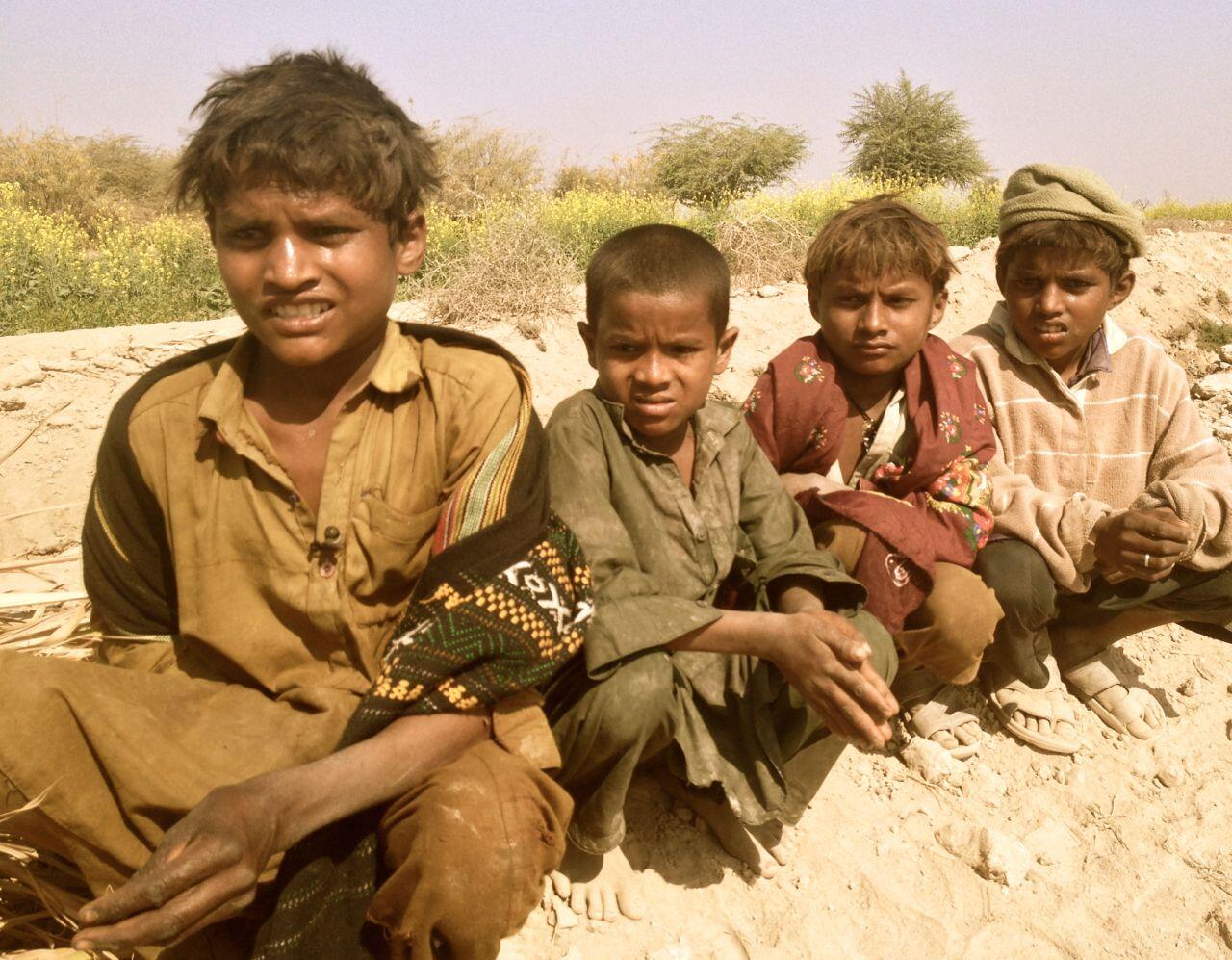
Sindh can be heart-breaking. We found Devo & friends working hard in fields. Said they knew no one who went to school pic.twitter.com/iHKyHXVa6b
Why are Pakistanis such a jealous and vicious lot?
I’m sure everyone on Twitterstan (why are there so many Pakis on twitter btw) is condemning BBZ’s brave Sindh festival. Apparently the hoo-ha is caused by the fact that Mohenjardo has been scaffolded and used as a stage for the festival.
My own thoughts on the festival is that it seems rather ethnic and downmarket as opposed to cosmopolitan and pseudo-Western (let’s keep it real – the upscale Urdu-speaking Mohajers are now the core constituency of Guccistan, we like Urdu but prefer English), which is what elite should be trying to foster.
At any rate now half of Twitterstan is slinging at BBZ and his anglo allies for somehow desecrating Mohenjardo. Myra Macdonald made the good observation where were these Pakistanis when Bamiyan was being blow to bits. Also these are the same Pakis (middle class Urdu speaking Islam lot) that believe our history beings with Mohammed Bin Qasim & ends with Quaid-e-Azam.
Personally I’m glad I stay out of Paki politics (I have to since it’s doctrine for us to remain strictly non-partisan) but Pakistan seems to be uniquely affected by Tall Poppy syndrome (which deeply affects the Old Commonwealth; contrast the US & Canada) and also the developing world problem of vicious, aggressive cut-throat competition for the limited space.
Bilawal is what promises for a Hereditary Princeling of Pakistan these days; he and his sisters are a localised version of a fumbling royal dynasty. Let them indulge their passing fancy because there aren’t many other good representatives of Pakistan (their cousin Fatima is of course stunning but then again she’s only quarter Paki, far too caught up in a blood feud & doesn’t have that feel for Pakistan that a Guccistani should naturally have).
Pakistanis sadly make so little use of Mohenjardo and other such sites that at least a good send-off in some forgettable festival isn’t the best way to mark the true end of 5,000 years of Indus Civilisation. Since these very same critics of Bilawal (the Urdu speaking Punjabi Islam middle classes) are the very same one who’ll happily put on Burka & Dishdasha to make sure that Pakistan finally becomes the Arab-Muslim country that Quaid-e-Azam may or may not have promised us.
Bengalis are like Tamils, and Jatts are sui generis, and Syrian Christians are not Brahmins
Zack Ajmal has closed comments on Harappa DNA. Though they were amusing, they had gotten out of control. But that doesn’t mean that his blog still isn’t a comment worthy. The data is still there. I check in on it every now and then, mostly because Zack’s sample has populations which you can’t find elsewhere. It can also answer some questions which I’ve always wondered about. So three things are now clear with his sample sizes/constituents
1) Like Tamils, Bengalis exhibit a dichotomous distinction between Brahmins and non-Brahmins genetically. By and large Bengali Brahmins seem only moderately effected by the distinctive East Asian admixture found in other Bengalis, and are rather like North Indian Brahmins. The other Bengali samples are very similar in having elevated East Asian admixture, and lower fractions of “Northwest” Indian affinities than the Brahmins. This is in contrast to the situation in Uttar Pradesh where there are non-Brahmin high castes who have similar genetic profiles to the Brahmins (e.g., Kshatriya).
2) The Jatt samples are unique and distinctive, and have more European-affinities than almost any other South Asian samples Zack has (more than Punjabi Brahmins, for example). And, they are relatively uniform in this pattern. To me this does suggest that these populations have a more recent infusion of ancestry from outside South Asia.
3) Syrian Christians have told me for years that their ancestors were Brahmins. Not necessarily all Syrian Christians, but their ancestors. This was so common I assumed it was false because there are about ten times more Syrian Christians in Kerala than Brahmins. The Harappa DNA results show that Syrian Christians are probably not descended from Brahmins, probably none in Zack’s sample. But their genetic profile often matches that of the Nairs, and also other various castes. Unlike Bengali Brahmins, or Jatts, this implies to me that multiple communities have moved into the Syrian Christian category over the centuries.
A lonely BP
Since most of our contributors haven’t been enabled yet it’s pretty much me manning the fort. Two always riveting pieces from Centre India (lest I deviate from a “Brown” Topic) . The below is from Harsh Gupta who I follow on twitter and it touches on Indian identity, which is an apparently inexhaustible topic (like Israeli identity) since they have to at least nominally some measure of inclusion (purport to be liberal democracies) yet also chauvinism (such is the way of nationalism).
The Indian centre-left tries to co-opt Christians, dalits, tribals and the “very poor” into a coalition that is electorally sustainable. In 2009, large sections of the urban middle class too went with them. But they are now coming back towards the BJP, which has grown from middle and upper castes in North India to a broader coalition.
The Muslim percentage of population of what is now India is about half of what it was in 1924, because of the partition, despite faster population growth amongst Indian Muslims. The 2011 census results as far as I know have not yet been broken down by religion, but the Muslim population should be around 15%, higher than 13.6% in 2001. This would mean the Indian Muslim population is around 180-190 million Muslims. The 250 million number peddled by fanatics – both Hindu and Muslim – is simply inaccurate. Sikhs and especially Christians make significant religious minorities as well. A Letter to Indian Muslim Youth
India and identity – In ten pieces Varshney’s writing (‘Why India must allow hyphens‘, IE, Feb 13) that “If Indians can be Gujarati Indians or Hindu Indians, why can’t there be Muslim Indians or Christian Indians?”, is a strawman. Nobody is saying Indians cannot see themselves and fellow citizens as belonging to any group. The argument is simply for the government to not see Indians as Hindus, Muslims, and Christians or so on… 9. Against entrenched identities – Indian Express
…it is high time the Indian state breaks from Nehru’s construct of seeing religious minorities as “separate from us” and stops indulging in the “soft bigotry of low expectations” from certain communities.
Brown Pundits main site is currently undergoing technical maintenance
We’ll be back.