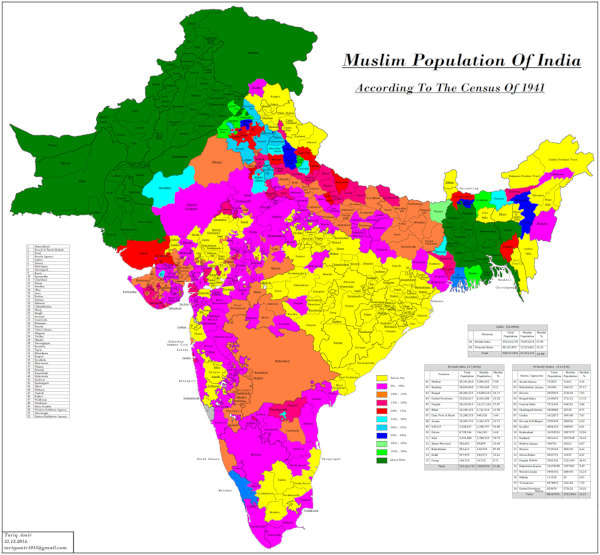
First, I want to enter into the record that among Punjabis and Sindhis there is almost no West Asian ancestry in Pakistanis.* I qualify this with “almost” because there is some, particularly in Sindhis. You can tell because of African ancestry, which is distinctive in even small fractions, and which is found in some of the HGDP Sindhis. I haven’t checked the 1000 Genome samples from Lahore (which clearly includes Punjabis but also other ethnicities), but they seem “more Indian” than the HGDP Sindhis.
Most people with half a brain can see the above fact in the data. That being said there is some ideological battle between Pakistanis and Indians about the Hindu origins of Pakistanis. Or, should we say “Hindu”?
On both sides of my family, I have “caste Hindu” forebears within the last few centuries. My paternal grandmother’s father was born a Hindu. So I have no compunction in admitting that my ancestors were Hindu, and my genetics indicate a rather generic Bangladeshi ancestry except for the higher fraction of East Asian (my family is from what was Tippera). It helps I’m not Muslim or Muslim-identified.
From Hindu Nationalists there something of schizophrenia on the topic. On the one hand, they loudly proclaim the Hindu origins of South Asian Muslims (correct). Often, there is also an assertion that these are low caste converts (perhaps correct, but specious to the argument). But then, they flip to the assertion that South Asian Muslims are invaders, oppressors, etc.
It’s not totally coherent. Perhaps more coherent is the position of some Pakistanis: “we were never Hindus.” The argument is straightforward, and about ten years ago I was quite open to it. To be frank, I probably leaned toward the proposition that Hinduism as an identity makes no sense without a reaction to Islam and later the British-Christian experience. Though probably not as extreme as “real Hinduism didn’t exist in the 19th century”, I wouldn’t have laughed that assertion out of the house.
There are several reasons I reject or have evolved from my older views.
Thought I’d start with an essay I’d written some time back on the history of Liberalism –
I tweet @shrikanth_krish
Liberalism – A Short History
The rise of populist “right wing” movements around the world has caused many commentators to bemoan the decline of the “Liberal world order”.
Notably Lord Meghnad Desai, the British Labour Peer in the House of Lords, wrote in his 2017 book – “Politicshock” –
“Brexit and Trump mark the collapse of the liberal order worldwide, a phenomenon which saw its beginning with Modi’s rise in 2014”
But what was Meghnad talking about? What is this “liberal world order”? It is one of those nice sounding words of modernity that everyone wants to appropriate, but few offer a precise definition. It is a term which is so universally attractive and capacious that individuals who embrace it often range across the political spectrum.
What does it mean? What are its principles? What is its history? How has it evolved over time? What are its limitations? What is its prognosis in the 21st century? And why is it that many pundits are worried about its health all of a sudden in the past couple of years?
Let us first make an attempt to understand what it means. One of the reasons Liberalism is extremely hard to define is because of its immensely complex history and the internal contradictions that do exist among liberals on many fundamental political questions.
Over at my other blog, Pakistani British Are Very Much Like Indians Genetically. The title doesn’t refer to genome-wide worldwide affinities. Rather, the preprint looks at British Pakistanis, and finds a pattern that is not going to surprise Indians: endogamy seems to have kicked in for these groups starting 1,500 to 2,000 years ago. This is exactly what you see in the Indian jati data. The similarity is pretty incredible, and to me is a strong rejection of the model that these groups were strongly anti-caste so on the margins of Indic civilization.
There is a second wave of endogamy though, dated from 150-500 years ago, roughly. I think this is likely Islamicization and adherence to cousin-marriage. These Pakistani groups seem to show the tendency of jati endogamy common among Hindus, and, cousin-marriage patterns of the Islamic world.
Finally, the reason I posted over on the other blog is that I think this might speak to the long-term trajectories of Bangladesh and Pakistan: Bangladesh is not in the same mold as Indo-Pak societies. The 1000 Genomes data indicate few runs of homozygosity and not much internal structure. That is, no jati endogamy, and, low levels of cousin-marriage.
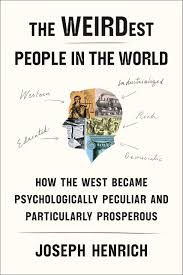
If you believe Joe Henrich, this means good things for Bangladesh in the future… (vs. Pakistan)
(the Henrich podcast is already available for Patrons)
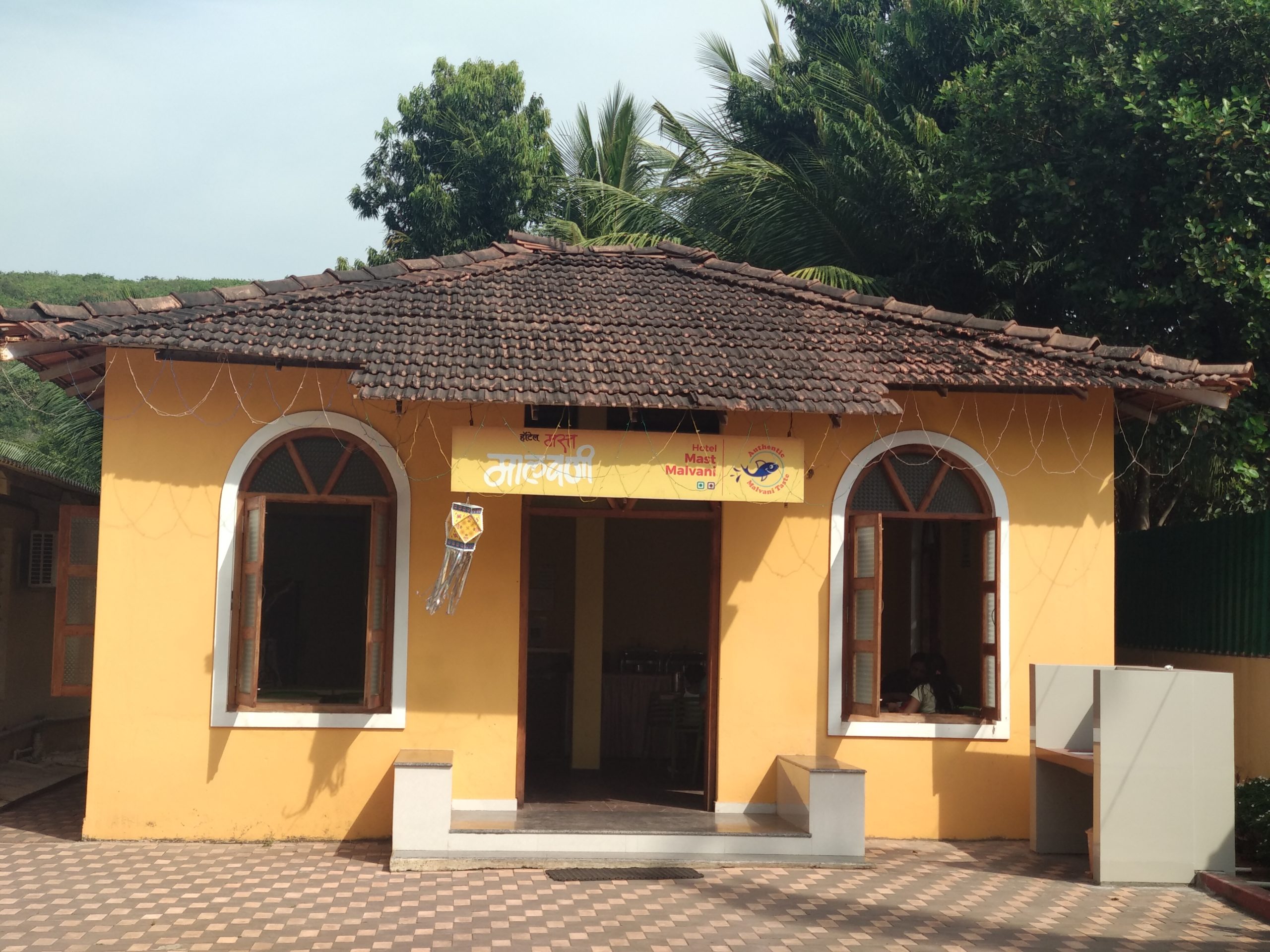
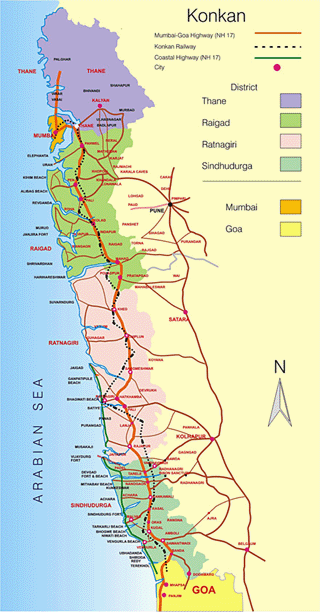
Malvan is a village located in the Sindhudurg district of Konkan subdivision in Maharashtra. Malvan is famous for Malvani non-veg cuisine (especially seafood) – which is a unique spicy cuisine that has managed to exert its influence well beyond the confines of Malvan or Sindhudurg.
The Malvani Masala is easy enough to make and has the important quality of hiding failures in cooking. As a result, Malvani cuisine’s popularity has grown in leaps and bounds these last few decades. Restaurants across the state & increasingly along the coast have taken up serving Malvani cuisine while serving other cuisines is reducing.
The broader Konkan region from Thane to Goa & Dakshina Kannada has multiple culinary traditions which were very vibrant (heresay :P) until a few decades ago. But increasingly the cuisines from Thane to Ratnagiri are bowing down to the Malvani cuisine. If these continue, one can assume that a lot of delightful and subtle tastes of Konkani seafood may become difficult to find. Even in one of the most famous restaurants in Ratnagiri – Hotel Amantran – the food is more Malvani – probably as that’s what most customers want. Efficiency and markets have that effect on food traditions all over not just in India. All these other cuisines – Saraswat cuisine, CPK cuisine, Cuisines of Diveagar & Ratnagiri, Cuisines of Alibaug are only preserved in families till now but will they be going ahead remains to be seen. After an initial love affair with Malvani food, we (my wife & me) have ventured into trying some of the other dishes to great success.
These include
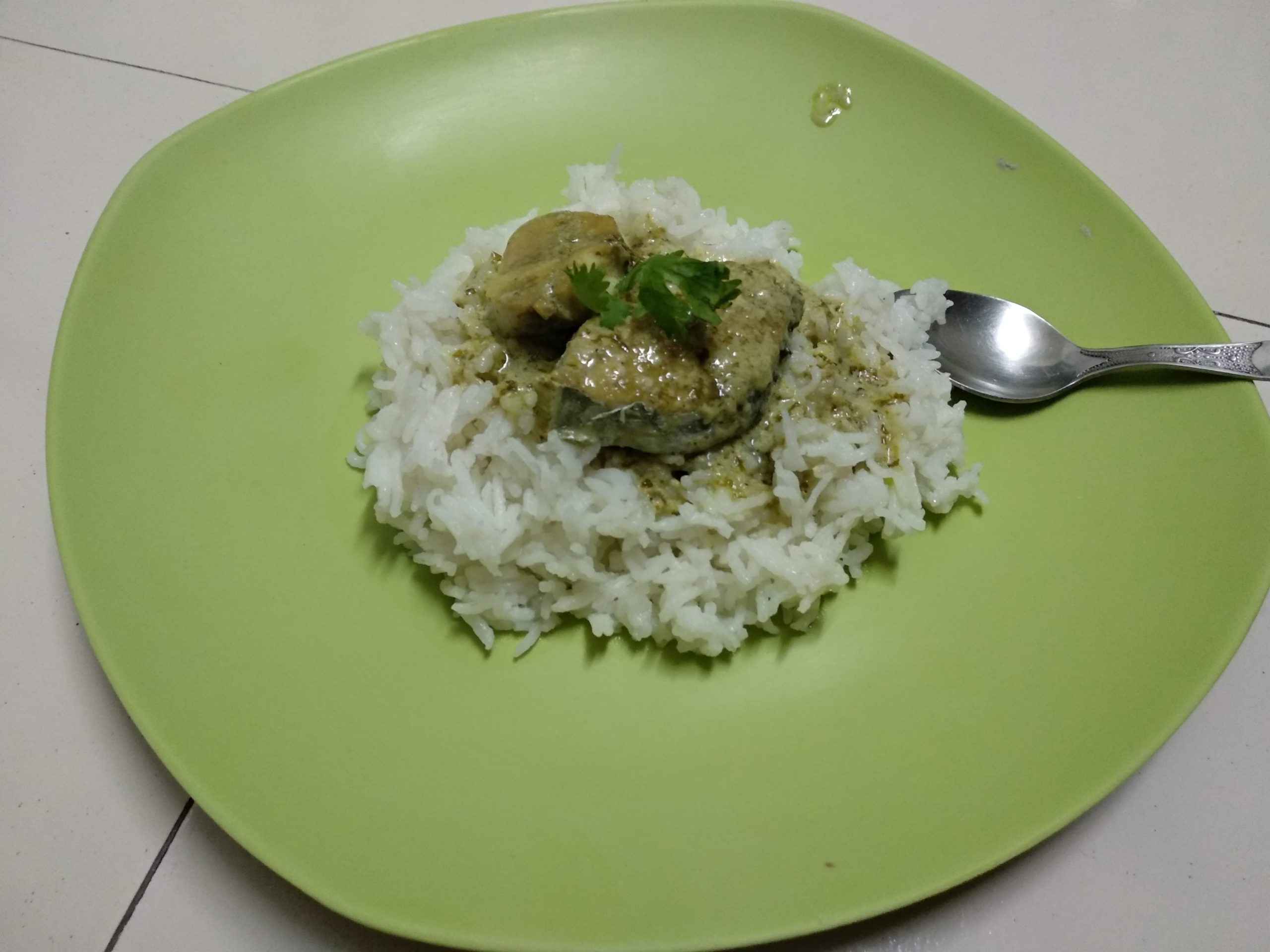
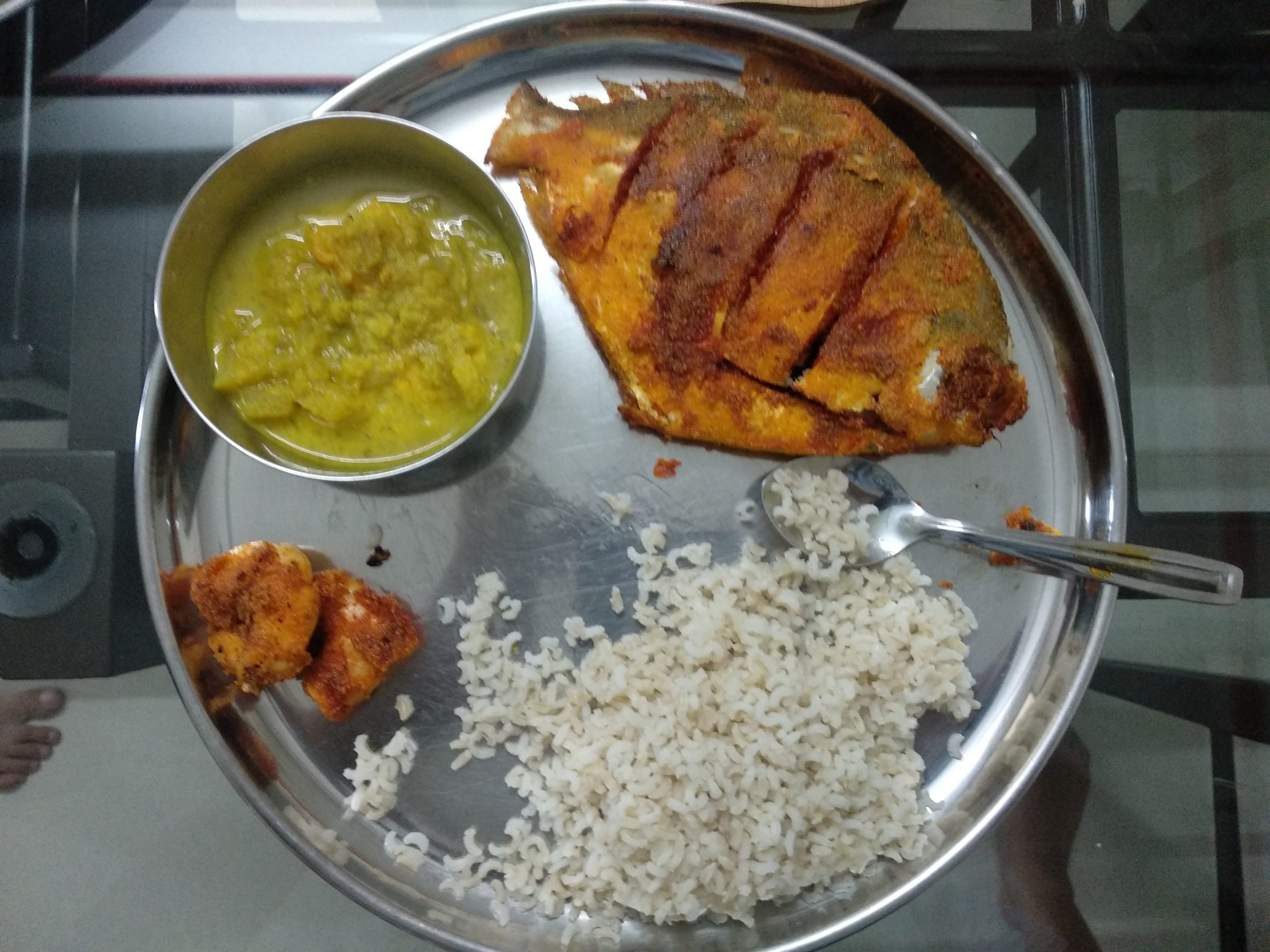
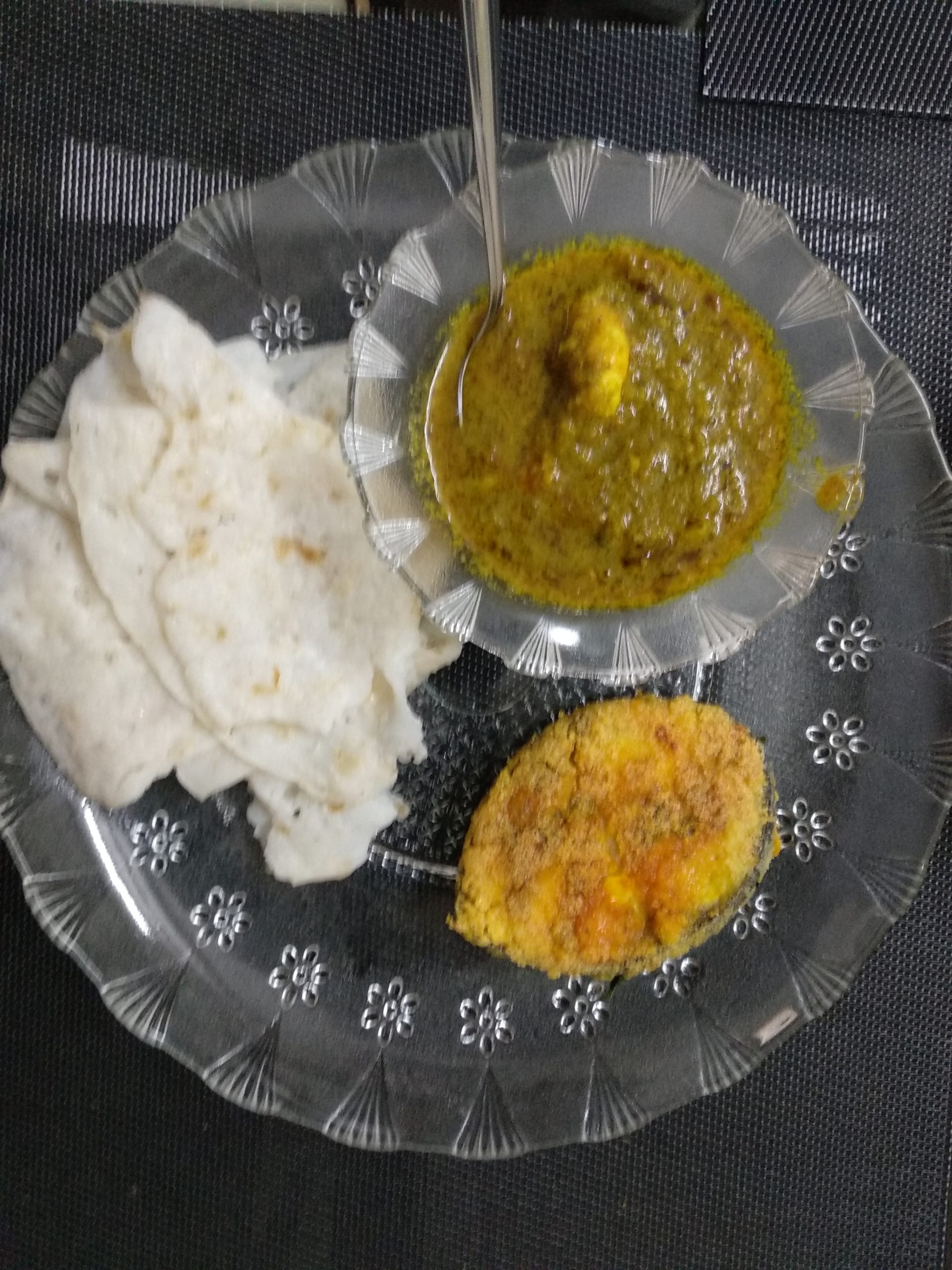
Green chilly Coriander Surmai CurryRaw Mango Kolambi Curry, Masala Pomfret, Masala Prawn FryTirfhal Coriander based Prawn curry, Surmai Fry and Amboli (Rice Roti)
While a great number of Foodies – bloggers, authors, and chefs are working hard to keep the old cuisines alive – link ; link ; link , there isn’t much to worry about. Given the sheer size of the Indian population, India seems very resistant to such erasures of culture & food which tend to be happening around the world.
Going through old cookbooks one wonders how much culinary customs have changed beyond recognition since independence. The famous Marathi cookbook Ruchira refers to Marathi people as predominantly Jowar, Bajra, and Rice eaters. Wheat has firmly taken over Maharashtra now and Jowar and Bajra are reducing year by year (though Rice manages to hold on). Globalization and even the local spread of easy and efficient foods (pasta, bread, wheat roti) have reduced the diversity of food globally. How much of these traditions will we preserve going forward? This may appear as a trivial thing to many but it bothers me.
My main aim of writing this blogpost is NOT TO MAKE ANY POINT but to find more such stories and more recipes that readers fear might get hard to find in the future or be overwhelmed by some efficient popular foods. Please add links to Food recipes you want to share – especially Sea Food.
Maybe my fear of the erosion of cuisine is exaggerated, but my generation is not that great at conserving food traditions as earlier generations were IMO.
Economic growth in India has made the question of immigrating to the US vexing for a lot of young Indians. The old attraction of more material prosperity no longer holds, you can buy everything in India. The difference between siblings in the two countries is no longer the car, the modern electronics and superior amenities. In many ways, immigrating to the US has become a more ‘experiential’ move, with terms like ‘job satisfaction’, ‘latest technologies’ being used in addition to the touting of cleaner, safer and more hip environs.
So should you, as a young Indian teen or adult seek American shores? I was in the same situation nearly two decades ago, and took the plane to the US very unthinkingly, almost like an instinct. I always wished someone would have told me what the possible implications of such a big decision would be, the doors it would open as well as close. I seek to do so for any young person interested here. This post is not going to be about details of work and life in the US versus India, but rather the big picture.
Today, the cost of moving out of India is more than the loss of family and ‘culture’. India offers opportunities of its own. It is with this context that we move forwards with our analysis.
Career: Technological Leadership in Prescribed Areas vs Flexibility in a Growing Economic Power
US leadership on the technological front is significant and enduring. America attracts smart people not only from India, but from across the world, including other developed markets. Deliberately or unwittingly, America has been marketed to the world as the place a smart person needs to be in to maximize their potential. This is somewhat like the IPL being the cricket league where a cricketer can compete with the best in the world. There is a reason why America is the only country in the world that has a Google and an Apple.
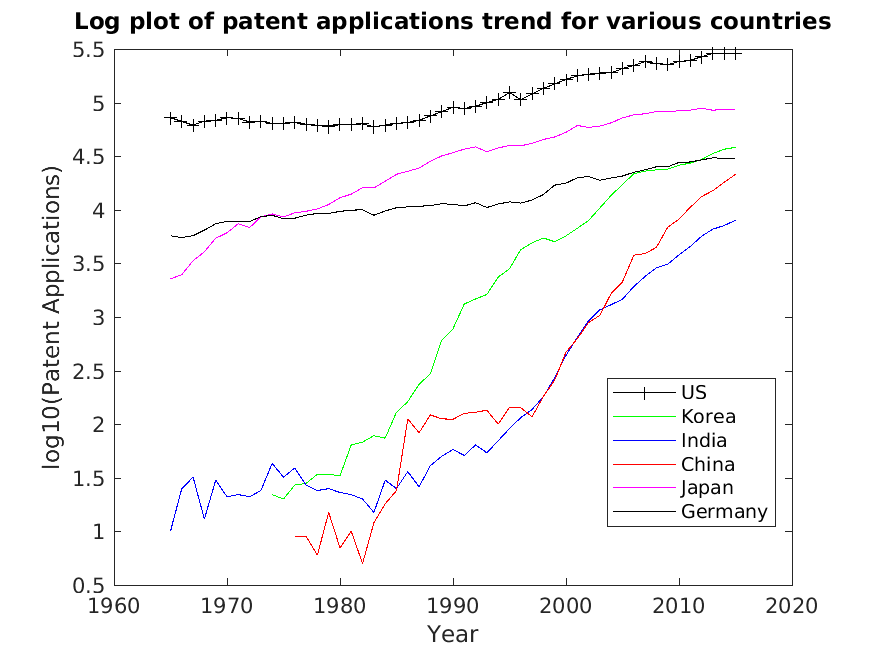
Log plot of US patent applications by various countries.
However, the last two decades have seen a sea change in India’s economic growth, technological prowess and integration with the world. Consider the number of US patents filed from India. From being four orders of magnitude lower than the US, India is now less than two orders of magnitude lower, with continuing growth. Similar trends are seen in the number of scientific papers published in elite journals, where India has moved from 1/20th of US output in 2000 to 1/3rd of US output in 2018. India today offers more opportunities than ever before.
Add to this the fact that the American work visa is exactly that, a visa. The visa is designed to bring in workers in areas where there is a shortage of Americans, so the bulk of opportunities lie in the computer software/data management sector. The flexibility and freedom to explore different career and life paths is severely constrained. You cannot easily leave your software engineering job in a global mega corporation and join a business development role in a start up. You cannot take two months off and wander away to see the world. Your US work visa needs full time employment, every second of your life.
So the trade off here is the opportunity to get a narrow but a truly world class exposure versus exposing yourself to a spectrum of career and life possibilities in India.
Life: Systems vs Services
If there was a one line summary for the difference between life in the US and India, it would be in America you can rely on systems, in India you can get a lot of services.
In America, systems work. The courts, police, municipal authorities all do their job professionally. You will not see mounds of rubble by the roadside and trash everywhere. The air will be clean, government authorities will be professional and accessible. The contrast with India is stark.
When it comes to services, lets just say this, the middle class homes of my relatives in India are a procession of cooks, drivers, maids, gardeners, electricians etc. We have a huge population whom we can now feed very well and transport cheaply around the country to markets which need them. As an example, in India, the service and variety of food on offer in a 3-star hotel buffet for 5 dollars was impressive. On the other hand, there were no Mexican options and stepping out of the hotel, you could literally smell the chemicals in the air.
Spirit: Continuity vs Renewal
Humans are not merely the work they do and the goods and services they consume, transcending our finite selves is a big part of the human experience. This is where notions of family, ethnicity, religion and nationality come into the picture. The US and India offer you contrasting pathways in this regard as well.
Being in India offers continuity and context. You can remain soaked in the arts, sports and traditions you have been familiar with since you were a child, and there is no need to separately make an effort to ‘access India’. You are the market whom the creative and talented people in the economy seek to serve.
America offers the chance for renewal and rebirth. Indeed, for the majority of its existence as a nation, America has offered the tired and beaten people of this planet a chance at reinventing themselves and starting a ‘new life’. The children of those pushed out by their home countries have achieved miracles in the American meritocracy.
So there it is, you can think about these three trade offs while making your decision. Do you want to achieve the summit of computer technology ? Or do you want to explore the world of work before diving into a committed career path ? Do you get annoyed and distressed by the dysfunction of the Indian governments ? Or do you appreciate all the services available to make your life easier ? Finally, do you feel India imprisons you and you need fresh air ? Or can you not bear to sever yourself from your gods and greats ?
When the novel Coronavirus started its spread outside of China very little was known about it and it is no surprise that countries acted to slow or stop the pandemic by locking down their citizens to various extents. Some countries (most notably UK and Sweden) tried to “push through” to herd immunity but then had a LOT of cases and transitioned to various degrees of lockdown. Others like the US tried a “worst of both worlds” response, with the President being skeptical of lockdowns, but reluctantly going along with them for a while before shifting back to passive-aggressive sabotage of whatever his science advisors were telling him (whether they were correct or not is a separate issue). Pakistan’s PM had Trump-like instincts in this matter and unlike the US, his lockdown did not last long and was never very effective. This led to an early surge of cases and deaths (after Ramadan, when lockdown first failed) but to the surprise of most observers (including me), this outbreak then seemed to slow down and now there are ongoing cases, but the health system is definitely NOT being overwhelmed and the worse seems behind us. Meanwhile India continues to have varying degrees of lockdown (and because Indian officialdom has relatively more ability to enforce such things, these also seem to have been more real than any Pakistani lockdown ever was) and is seeing a major increase in cases. When people talk about this they frequently bring up the fact that testing and tracking are not necessarily at “first world” levels in either country, so real numbers may be very different from what is being reported. This is true, but we do see what is happening in hospitals, so the fact that the system has not been overwhelmed is still something we can say. Beyond that, I have no special knowledge or data. So I thought I would put up a post and get some answers from the hive mind:
Where can non-experts like us find the best data on Covid? There are many sites, which ones do commentators prefer and why?
Why is Pakistan NOT experiencing a dramatic health emergency due to Covid in spite of having given up on lockdowns? Is there pre-existing immunity? something else? Or just fewer old people? is there more to come?
IF Pakistan is not seeing a major increase in deaths, should India continue its current level of lockdown? Do we expect Indian immunity and spread characteristics to be very different from Pakistan?
What is the expert consensus now on various details such as “doing X is cost-effective, but Y should be abandoned”.. I mean what is the best source (sources) for answering such questions? One assumes that the “authorities” spend a lot of time analyzing information to determine what worked and what was just a waste of effort? Are the detailed recommendations evidence-based? Should any of them be changed? (for example, why is my dentist open for cleanings, but my barber is not? things like that, are they evidence based? and what does the evidence say?)
I look forward to being enlightened. Meanwhile, stay safe and happy.
This is first in the series of blogposts I plan to write about my worries with Hindutva.
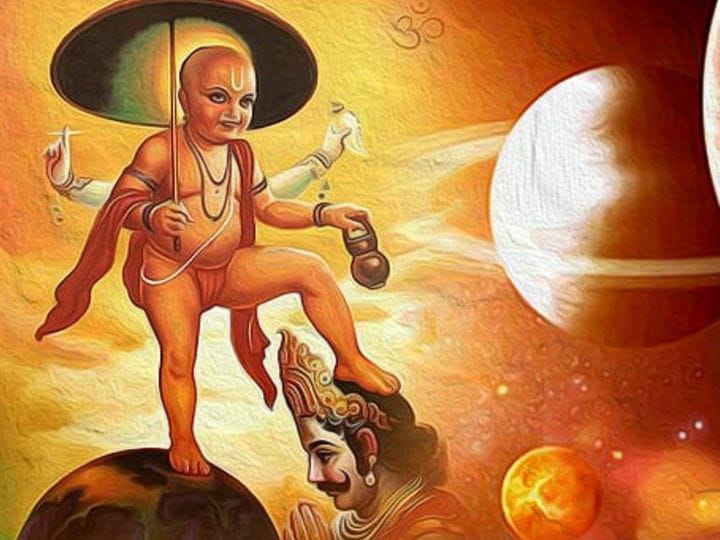
Every year on Onam, social media witnesses flame wars between Hindutva and Anti Hindutva forces. The point of contention often is the Hindutva assertion that Onam is Vamana Jayanti and the counter to that is Onam is a secular harvest festival of Kerala. BJP handles have been tweeting their versions of Onam ever since they have been active on internet. The level to which both sides are unwilling to compromise on occasions of festivals – which ought to reflect human community celebrations, is petty. This year Arvind Kejriwal, flush with his success as modeling himself as a Hindu (or Soft Hindutva), took to twitter with this. It was met with a reply from Shashi Tharoor which in turn was countered by ever growing internet Hindutva – including the widely popular TrueIndology. One cant expect these flame wars to subside anytime soon, given the interest people have been taking in history & hindutva these days.
For decades, liberals have critiqued the Hindutva project as exclusionary. The Hindutva response is – wrt Abhrahamic faiths – if that only these people (religions) connected with the culture on ground and accepted native customs along with their own customs, we wouldn’t protest. For the Hindutvavadis, the said project was always Indianize (not Hinduize they claim) these monotheistic faiths, so that these faiths are more integrated in the larger Indian society. By that train of logic the Hindutvavadis should be happy if Keralites Christians & Muslims celebrate Onam as a Secular festival. Couldn’t this be held as a beacon of syncretic Keralite culture which the country should follow ? For most times, festivals evolve and change with times, their origins though not irrelevant, tend to become less salient as time goes on. The origins of Christmas are testament to the fluid nature of festivals. Onam in Kerala is a truly spectacular festival full of dances, food, music, boat racing and many things, not unlike Diwali. Across the world, harvest seasons have festivals and religious significance because of the underlying material importance. Do contested origins of festivals matter or the human community experience of festivals matters? Nowruz (whether that is an Iranian mirror of Holi is something that interests me) celebrated by the broader Iranian people, after a millennium of Islam is a testament to the longevity festivals rooted in culture. The insistence of always getting sole ownership of the Onam story comes of as toxic chauvinism & deliberately exclusionary IMO. Yet every year, there are the same debates around Onam with Keralite Christians and Muslims abused for trying to own Onam in a way they have come to define it. (Ricebags and other demeaning words are often used).
The apparently ironic way the Hindutva movement is becoming very much like its primary enemy is not really unprecedented. VD Savarkar, the foremost and most intellectual ideologue of Hindutva was critical of Muslims and Christians putting their religion above the country. Sadly during the negotiations of princely states, Savarkar himself campaigned for independent Hindu Travancore against the plans of Sardar Patel. It can be alleged he put Hindutva before the country at that moment – exactly what he accused Muslims of for all those years. Yet Hindutvavadis have no qualms putting Patel and Savarkar in the same tent – while claiming Patel and Nehru had irreconcilable differences.
These flames wars were merely part of twitter for a few years but now they’re penetrating larger audiences via whatsapp. While this may be a symptom of taking trivial social media more seriously than it deserves, the point I am arguing is beyond the flame wars of twitter. There is a deliberate and uncompromising framing of Hindutva underway – which covers a variety of tropes from calling Jains/Sikhs Hindus to soft diktats against celebrating Christman/Eid. I consider these manifestations of the nascent ideological moorings, troubling. In a weird way at times, I hope Hindutva remains REACTIONARY and resists ideological framing, for I am more wary of deep ideological movements than mere reactionary ones.
While its not my argument that their might not be any deliberate maneuvering by the liberals in framing of the Onam as a secular festival – I dont know and I dont care enough to investigate. If the world Hindu is defined as broadly as some do, everything east of the Sindhu will be Hindu & most festivals will have some connection to traditional Hinduism/native religions. At end of the day what matters is Onam is a harvest festival for Keralites.
Post Script:
I personally have tried to indulge in the so-called Dharmic/Indic arguments for India (Harsh Madhusudan& Rajeev Mantri are publishing a book i am looking forward too), put they also indulge in unnecessary labeling IMO. I find the use of these labels – Dharmic/Indic – churlish at times.
In my previous post, I sought to demonstrate the chain of continuity that has been characteristic of Indian civilization. I also posited that the current political dispensation in India- whose support base can be loosely characterised as “woke Hindutva”- is normatively undesirable. In this post, I build upon my previous arguments to propose a framework I call “liberal conservatism”, which could conserve and promote India’s civilizational heritage within a liberal democratic system.
The limitations of classical liberalism
During the high noon of the post-Soviet Pax Americana era (1990s and 2000s), two books on political philosophy were particularly influential. The first was Francis Fukuyama’s The End of History, which broadly argued in favour of the Hegelian notion of a progressive march of history leading to a global convergence based on free markets and liberal democracy. The other was Samuel Huntington’s Clash of Civilisations which argued that the battle between capitalism and communism would be replaced by a new clash between competing values, customs and traditions of different civilisations. The Huntingtonian thesis was severely criticised at the time. The Fukuyaman idea of a global neoliberal hegemony captured the zeitgeist and seemed inevitable.
In hindsight, the Huntingtonian insight of divergence based on civilizational values has proven to be quite prescient. The idea first gained popularity in China in the last decade. China sees its unique political institutions and public culture as an outcome of Chinese values that have evolved over the centuries. These include Confucianism and the network of social commitments called guanxi. The notion has since become widely popular and adopted by countries as disparate as Russia and France.
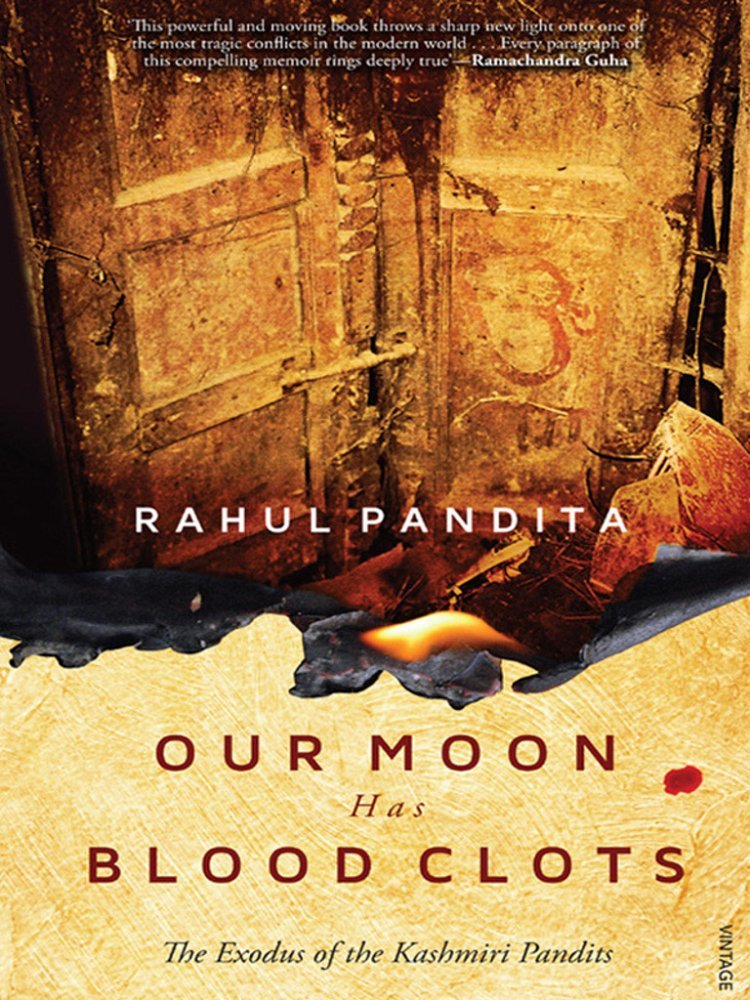
Our moon has blood clots is a gripping biographical tale by journalist Rahul Pandita – which recounts the horrors faced post-1986 Kashmir by the Kashmiri Pandit community at hands of Pakistan aided Islamists. The subtle changes in some Kashmiri attitudes towards the Pandits since the 1980s are brilliantly conveyed through small incidences from the author’s childhood. The book tells the other side of the Kashmir story which has rarely received attention in the global political and even local social circles. The terror emanating nightly from the local mosques jumps out of the pages very effectively. All the killings are from 1989 onwards are told separately and serially which is very impactful in recreating the reign of terror- the pandits must have felt in their ancestral homeland. The Islamist nature of killings is also highlighted (how some pandits were killed with nails hammered to their foreheads). The book also highlights how the silent observers of the valley, who may have not approved the brutalization of Pandits, rarely put up a fight supporting their neighbors. The continuing tragedy of the Pandits at the hands of Jammu residents and negligent central and state government is also narrated from personal and observed experience. The ethnic cleansing of Kashmir in 1947 at hands of Pakistan supported tribesman is also connected to the book narrative through another POV.
The passage where the author narrated his personal journey back to his house leaves the reader in a sad and dazed state. The author’s Hindu culture and heritage are always present in the backstory and hence the pain at the potential loss of Kashmiri pandit culture in the refugees creates a particularly poignant moment in the book. The author’s sufferings, however, aren’t translated into bigotry against Muslims (Kashmiri or non-Kashmiri). The reference to Gujarat 2002 riots (author’s father’s recollections at the lynching of Ehsan Jafri) in the juxtaposition of Pandit anger at suffering is handled with consideration of human rights as the author explained once on television debate. (I have lost my home, not my humanity).
There are few things in the book which could have been handled slightly differently for a better effect IMO. The narrative structure of the book is not perfectly linear – which could’ve been handled differently – but that’s a personal preference and many might view it differently than me. The 1947 story could also be helped a bit by putting it into the larger Partition story of 1947, even though this occurred 2 months after the worst slaughter of 1947. However, these criticisms don’t blunt the impact this book will make on any reader. The book not only makes you feel the pain of the Pandits but also makes you want to work towards preserving the Kashmiri Pandit culture and heritage (especially in the valley). There really is no solution to the Kashmir valley question problem till the Pandits return to their ancestral homeland from where they were brutally driven out.
Post Script:
The only personal connection I have had to the Pandits is because of the Kashmiri Pandit Quota present in Maharashtra Education enacted by the Shivsena BJP government of 1995 on Balasaheb Thackeray’s insistence. Slapstik or anyone else with Kashmiri connections – Could you please add your comments on Pandita’s telling of the story – both in Book and other media. For me, he serves as a Northstar to navigate polarized debates on twitter and social media in general – for example, his coverage of Delhi Riots & 2019 election.

 First, I want to enter into the record that among Punjabis and Sindhis there is almost no West Asian ancestry in Pakistanis.* I qualify this with “almost” because there is some, particularly in Sindhis. You can tell because of African ancestry, which is distinctive in even small fractions, and which is found in some of the HGDP Sindhis. I haven’t checked the 1000 Genome samples from Lahore (which clearly includes Punjabis but also other ethnicities), but they seem “more Indian” than the HGDP Sindhis.