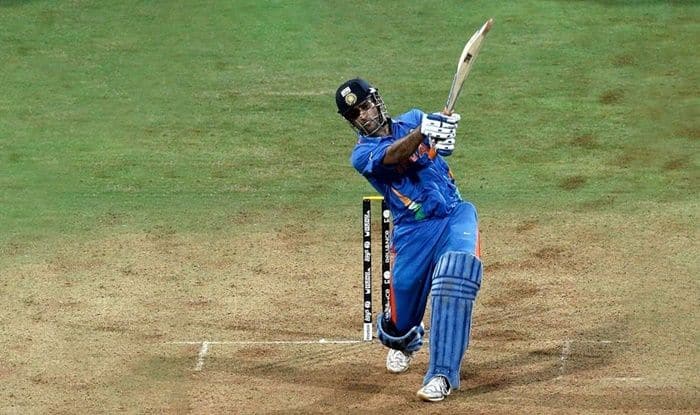
MS Dhoni decided to hang up his boots yesterday after a long and slow decline in his cricketing outputs. It was the COVID pandemic that ensured that we MSD fans don’t get a farewell inning from Mr Cool Captain.
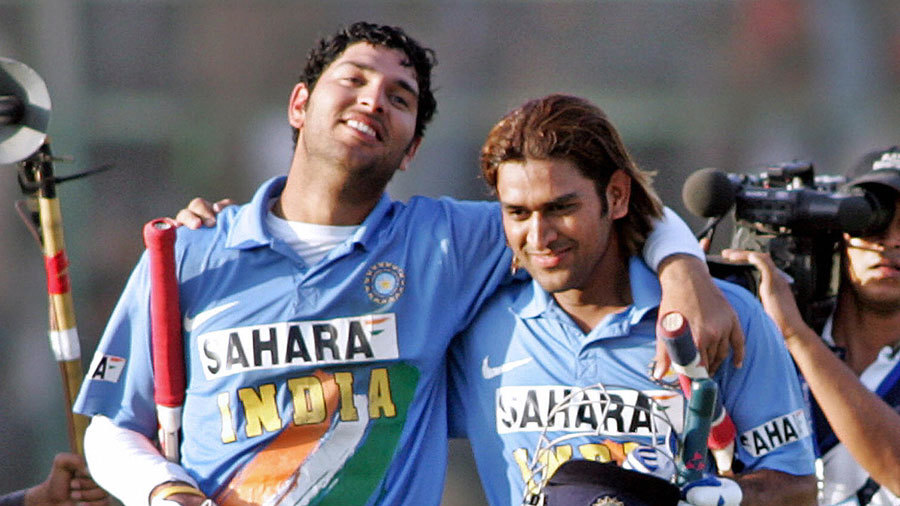
MSD’s cricketing career has been defined by a streak of what I call “Methodical Madness”. He burst on to the scene with a squash buckling century against Pakistan at Vishakhapatnam. Later on, he went to make many more scores that elated the country – like the 183 against Sri-lanka. Perhaps even during these early days, his nerves of steel were often on display, especially during the Indo-Pak ODI series in 2006 , when Dhoni and Yuvraj chased 2 big scores with almost serene calmness that later became Dhoni’s signature.
After Dhoni became the captain of a young Indian team for the inaugural T20 World cup, India and Pakistan, both underdogs went into the final against the run of play. The final was a close-fought contest which had truly swung into Pakistan’s favour owing to a splendid inning by Misbah-Ul-Haq. Going into the final over, Pakistan needed 13 from 6 but with the momentum truly in Pakistan’s favour. India had only 2 bowling options, the offspinner Harbhajan Singh and the slower than Shahid Afridi medium-pacer – Joginder Sharma. Harbhajan who had seen 3 sixes fly past him from the blade of Misbah, was not given the final over. Dhoni threw the ball to Joginder. After hitting a clean six, Misbah the last man standing, holed out to S.Sreesanth standing at short fine leg. Throwing the ball to the mediocre (no offence) Joginder looked a gamble, but for Dhoni, it was a calculated risk. Misbah had the bad habit of trying unorthodox shots when none were needed, and such shots are riskier to execute against the bowling of medium-pacers with the old white ball. MSD backed his brains, not his instincts in my opinion.
Continue reading MS Dhoni – the Master of Methodical Madness
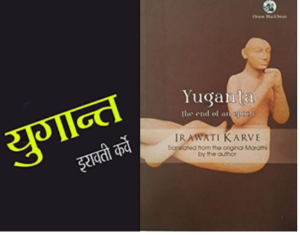 Yugant confronts various versions of Mahabharat analytically and tries to make sense of character arcs and motivations. Intelligently analyzed without religious respect but with literary respect. The motivations of Pandavas for marrying Draupadi as the Royal Queen are very well explained. The literary accounts of chats between Dhritarashtra and Gandhari & those of Draupadi’s death are very well written and move your heart. Krishna (Vasudeva) stands out not only because of the brilliance of his character but the wonderful analysis and the crisp unraveling of his motivations. The Arya (Kshatriya) Dharma is explained in Krishna and Yugant chapters. The author enthralls with deep and intelligent writing in the final chapter that resonates wonderfully even in the 21st-century internet age. The sincere and irreligious comparisons of Mahabharat Era – Arya Dharma to contemporary Hindu religion and other Prophetic Faiths are interesting. Throughout the book, the author refrains from applying current Zeitgeist as a yardstick – something which is refreshing in 21st century polarized analysis and debates which always have political undertones. Even without a direct running story arc – the arrangement of essays offers a wonderful climax – especially Krishna and Yugant chapters. With recent elevation of Heroic Karna in Indian literature and thought, a look back of the character of Karna as seen in 1950s-60s is a pleasant change.