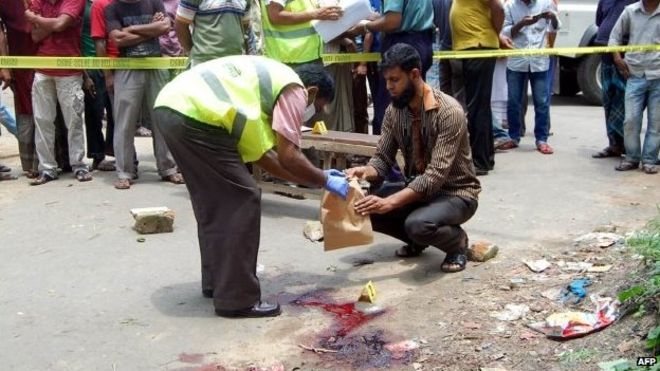
Assassination attempts on senior Pakistani army officers

From Dr Hamid Hussein.

Marked for Death – Assassination Attempts on Senior Officers of Pakistan Army
Hamid Hussain

Since 2002, Pakistan army is involved in a rapidly evolving struggle against terrorism.  When the first shots of this new war were fired, Pakistan army was neither trained nor prepared for the conflict.  Confusion, complacency and utter incompetence at all levels gave an upper hand to the extremists all over the country.  First, the government lost the control of tribal areas followed by the loss of the large swaths of the settled division of Malakand.  Militants established themselves in tribal regions and from there launched forays into major cities.  They abducted, killed and bombed civilians and soldiers alike all over the country sending the whole nation into a deep depression.

Police and paramilitary forces faced the brunt of the militant onslaught.  Many soldiers and disproportionately large numbers of young officers of army were killed and wounded in clashes with militants.  Militants embarked on a deliberate course of targeting senior officers of security forces including army.  Many senior police, paramilitary and army officers were targeted by militants.  This was a multipronged strategy with objectives of eliminating individual officers to shake morale of officer corps and on psychological plane sending the signal to general public that security forces couldn’t protect them.

On June 10, 2004, the convoy of Karachi Corps Commander Lieutenant General (later General and VCOAS) Ahsan Saleem Hayat came under attack that resulted in death of eight soldiers.  Ahsan’s driver and co-driver were shot killing co-driver on the spot while driver was seriously wounded and later died.  Driver’s foot remained on the accelerator and car kept moving but in a zigzag fashion.  Ahsan’s ADC seated behind the driver got hold of the steering wheel and got out of the ambush.  Attacker’s plan was to first detonate an Improvised Explosive Device (IED) stopping Ahsan’s car and then spray it with bullets to finish the job.  IED failed to explode and attackers hiding near the bridge opened fire killing several guards but Ahsan survived.

On February 25, 2008, Surgeon General of Pakistan army Lieutenant General Mushtaq Ahmad Beg was killed when a suicide bomber blew himself near his car stopped at a traffic signal in the garrison town of Rawalpindi.  He is the senior most army officer killed by militants.  On November 19, 2008, retired Major General Amir Faisal Alvi was shot and killed in Islamabad.  Alvi had served as GOC of army’s elite Special Forces Special Services Group (SSG) and involved in many early operations in tribal areas.  He was known for joining his troops in the heat of the operations that boosted the morale of his troops. After his retirement, militants had issued several threats to him and finally succeeded in killing him.

In a three week time period, three serving Brigadiers of Pakistan army were targeted in the capital city of Islamabad sending shock waves among the officer community.  On October 22, 2009, Brigadier Moinuddin Ahmad along with his driver was shot dead in Islamabad.  A week later, another Brigadier Waqar Ahmad Malik was shot in Islamabad. He was director Defence Services Guards (DSG).  On November 05, 2009, Brigadier Sohail and his driver were shot and injured when their car was ambushed in Islamabad.

On December 04, 2009, terrorists attacked a mosque in Rawalpindi cantonment used by soldiers and their family members killing more than forty people including several children.  Two suicide bombers blew themselves inside the mosque while other two threw hand grenades and sprayed the congregation with automatic rifle fire.  This was one of the most devastating attacks on army fraternity.  The dead included Major General Bilal Omar, Brigadier Abdul Rauf, Lieutenant Colonel Manzoor Saeed and Lieutenant Colonel Fakhar ul Hassan.  The only son of then Peshawar Corps Commander Lieutenant General Masood Aslam was also among the dead as well as sons of Major General Nasim Riaz, Brigadier Mumtaz, Brigadier Sadiq, Colonel Qaiser, Colonel Shukran and Colonel Shabbir.   Fathers of Major General Awais Mustafa and Colonel Farooq Awan were also among the dead.  Colonel Kaleem Zubair lost his father as well as his son in the carnage. This was the most heart breaking tragedy until militants trumped their own brutality when in December 2014 they attacked Army Public School in Peshawar killing around 150 students as well as many teacher.

On September 07, 2011, two suicide bombers targeted the residence of Deputy Inspector General (DIG) of Frontier Corps (FC) – Baluchistan Brigadier Farrukh Shahzad.  In a devastating precision and coordination, first suicide bomber rammed the explosive laden car targeting FC vehicles waiting to escort the DIG-FC who was coming out of his residence killing several soldiers.  Five minutes later rushing through the chaos, second suicide bomber was able to barge through the damaged gate and partially demolished walls of the residence and detonated his explosives.  The second attack inside the residence killed the wife of Brigadier Shahzad, FC administrator Colonel Khalid Masood and injured Brigadier Shahzad and one of his children.  Thirteen FC personnel lost their lives and another sixteen injured in this incident.

In September 2013, GOC of Swat Major General Sanaullah Khan Niazi was visiting a remote outpost in Dir when his vehicle hit an IED killing him and Lieutenant Colonel Tauseef Ahmad.  It was a planned attack and later militants released a video of the attack.  Tehreek-e-Taliban Pakistan (TTP) leader Mullah Fazlullah claimed that they were planning to target the Corps Commander of Peshawar based XI Corps but Niazi’s turn came first.

Though rare, but militants have also attempted to kidnap officers or their family members with the objective of exchanging them for the release of captured militant leaders.  Son-in-Law of then Chairman Joint Chiefs of Staff Committee (CJCSC) General Tariq Majeed; the senior most officer of Pakistani armed forces was abducted by militants and kept in Waziristan for several years.  He was from a wealthy family and militants asked for a large sum of money as well as release of some high profile militants under army’s custody.  He was released but the terms of his release are not known.  On October 11, 2012, Brigadier Tahir Masood who had retired a week before from the media wing of Inter Service Intelligence (ISI) was kidnapped right from the heart of Islamabad while his driver was killed.  To date, he has not been recovered and believed to be in the custody of militants in Islamabad.

There were two major assassination attempts on then Chief of Army Staff (COAS) and President General Pervez Mussharraf in December 2003.  The first attack was on December 14, 2003 when terrorists planted large amount of explosives under a bridge.  When Mussharraf’s convoy reached the bridge, it was blown but no one was killed.  Over five hundred pounds of explosives were placed on the farther side of the bridge and explosive charge was detonated by an operative on the site via a telephone call to the receiver attached to the explosive charge.  Terrorists hoped that by this placement the oncoming car of General Mussharraf would either hit the concrete flying in car’s direction or ram into the exposed steel bars.  In case of missing these two eventualities, the car may plunge into the huge gap in the bridge slamming down in the bed (see the pictures below).  The operator in an effort to be not too visible positioned himself in such a way that obscured his direct visual contact with the convoy.  The result was that he couldn’t time the detonation with the car getting on the bridge.  These precious few seconds saved everybody.

Two weeks later on December 25, Mussharraf’s convoy was hit by two suicide car bombs in quick succession.  The driver of first attack was later identified as a Kashmiri named Mohammad Jamil.  The skin of his face blew off clean from skeletal structure preserving features.  An army plastic surgeon reconstructed it and it matched the picture on burned out identity card.  His cell phone was damaged but SIM was intact and from the calls as well as his diary recovered from his home provided some clues.  The driver of second car was a Pathan named Khaleeq.  The tracking of this piece of the investigation led to discovery that two soldiers of elite Special Services Group (SSG) were helping militants.  One named Dogar had served in the security detail of General Mussharraf and other Arshad was in the security detail of Vice Chief of Army Staff (VCOAS) General Yusuf Khan.  Later Military Intelligence (MI) recovered powerful rockets from his house in Kahuta.

General Mussharraf assigned the task of investigation of the assassination attempts to then Rawalpindi based X Corps Commander Lieutenant General Ashfaq Pervez Kayani.  This interaction brought Kayani very close to Mussharraf and later resulted in his succession to Mussharraf as COAS.  The puzzle of the December 14 attack was solved by a chance discovery by military authorities in Quetta.  They found that a civilian chap named Mushtaq had links with extremist elements in technical staff of Pakistan Air Force (PAF) at Quetta and Peshawar bases.  Quetta based XII Corps commander Lieutenant General Shahid Hamid called Kayani and informed him about this information.  This information led to arrest of several low level PAF technicians who were involved in the assassination attempt.

The ending of the saga of these two assassination attempts is tragic as well as comic.  On April 15, 2012, 150 to 200 heavily armed militants attacked central jail in Bannu freeing over 400 prisoners including a chap named Adnan Rashid.  Adnan was involved in assassination attempt on General Mussharraf.  Details of his arrest were never disclosed and there is some confusion.  A senior police intelligence official informed me that he was single handedly apprehended by an inspector of Intelligence Bureau (IB) (this inspector was later killed in a target killing incident).  Adnan was a PAF technician and may be member of the group suspected to have links with militants.  Later, he was convicted and sentenced to life imprisonment for his involvement in assassination attempt on General Mussharraf.

After his escape from Bannu jail, Adnan became another alligator in the swamps of Waziristan and quickly rose among the militant cadres due to his discipline and thorough planning.  He was no boy scout and was busy planning high profile strikes.  He established a small elite group and personally trained them for another assassination attempt on General Âź Mussharraf.   He planned and executed a mass jail break in 2013.  On July 29, 2013, over one hundred heavily armed militants stormed central jail in Dera Ismail Khan freeing around 180 inmates from the center of the city flooded with police, paramilitary forces and headquarters of a whole infantry division of the army.  This was another sad day for the state of Pakistan.  In July 2014, Adnan was arrested in South Waziristan when military started a push in Waziristan.

Another key member of the group that planned attack on General Mussharraf was a chap named Mushtaq.  He was arrested and kept in the custody of PAF at a base in Rawalpindi.  In November 2004, when he came out of shower he saw the guard sleeping.  He put on an overall used by PAF technicians, walked to the main gate where guards waved him and then asked a uniformed PAF soldier on motorcycle to give him a ride to the bus station close by and disappeared.  A deeply embarrassed army vowed to capture him and a special cell in Inter Services Intelligence (ISI) was assigned for his capture.  Mushtaq was not the one to be happy with this one in a life time chance.  He went straight back into the belly of the beast and started planning another strike on General Mussharraf.  ISI got his scent, followed his contacts and he was finally arrested when he was travelling from Lahore to Islamabad.

Pakistan army paid a heavy price in the last decade and loss of such a high number of senior officers is unprecedented in recent military history. With the hind sight of 20/20, it seems that many of these losses were avoidable. One much neglected aspect is orientation towards personal security.  In my own observations, I found that almost all officers use drivers and in some cases guards.  Analyzing many assassination attempts, it is quite clear that assassins first shoot the driver thus immobilizing the target.  This quite clearly shows that if you are not driving your own vehicle, you are a sitting duck as you cannot escape from the ambush.  Compare this with the notorious case of Raymond Davis who was driving his car alone in a foreign country carrying his own personal weapon, reacted quickly and shot two who tried to stop his vehicle. If competent and professional, guards can provide some screen but in most cases they fail to protect their charge.  Personal security is a special task and simply handing a weapon to a lazy soldier from the cantonment does not equate to security.  I recall attending a high profile wedding in rural Pakistan.  I was chatting with one of the guests; a local garrison commander. I observed that he had three armed soldiers in civilian clothes guarding him. Even casual look showed that they were probably from supply or signals, handed a weapon and asked to accompany the local commander.  Few minutes later I noticed that two handed their weapons to the third and probably either went to rest room or eat food.  The lone guard had his own weapon slung over his shoulder while the two weapons of his colleagues were at his feet.  I sincerely hoped that garrison commander carried his own personal weapon and was not putting his life in the hands of his guards.  Many officers at the forefront of the operations have been threatened by militants.  Officers should be briefed about basic principles of personal security.  Two simple measures of driving their own vehicles and carrying personal weapon will help to keep the initiative in their own hands.

A decade ago, Pakistan army stumbled into a war with an unhealthy mix of confusion and hesitation at the highest level and unpreparedness at all levels thus handing the initiative to the militants. It took several years for the army to take the fight to the militants.  In the last one year, cleaning of some of the swamps of tribal areas and clean up in the cities has dramatically reduced violence all over the country.  Now that the militants are on the run, it is important to keep the momentum in tribal areas as well as cities to keep the citizens of the country soldiers and civilians alike safe.

Acknowledgements: Author thanks many for their valuable input and clarifications.  However, conclusions as well as all errors and omissions are author’s sole responsibility.

Notes:

Sources of information are based on author’s frequent visits to the troubled regions and interaction with a diverse group of individuals.  Most of the information about attempts on General Mussharraf is from his autobiography, Pervez Mussharraf.  In the Line of the Fire: A Memoir (London: Simon & Schuster), 2006

Hamid Hussain
coeusconsultant@optonline.net
July 31, 2015

Do Colored People Exist if There Are No White People to Observe Them?

A post with that title, over at Unz. The final paragraph:

If Dara Shikoh had defeated Aurangzeb and the British had never brought India into their Empire, would history have been different? I would like to hope so, but I doubt so. Akbar had attempted to create a new religion, but it did not last beyond his life. By the 17th century what was becoming Hinduism, and Indian Islam, were already sufficiently developed that they were becoming cultural attractors. Not through cognitive bias, but the weight of inertia of their cultural history and precedent. The transition from Akbar, to Jahangir, to Shah Jahan, and finally Aurangzeb, is one from an individual who brooked the displeasure of Naqsbhandi shiekhs, to one who worked hand in hand with them. An alternative vision is one where the heirs of Akbar turn their back on their dreams of Fergana, and rely upon Rajputs to dominate their lands instead of a mix of Central Asians and native Indians, Hindu and Muslim. Perhaps the Mughals would have become indigenized enough that they would transform into that they would have become fully Indian in their religious identity. Ultimately the answers of history are more complex than can be dreamed in your post-colonial philosophy, and the white man is neither nor the devil, but a subaltern of historical forces.

India: “Secular”? “Hindu”? or Both?

I had a longish exchange on twitter with a Hindutvadi friend and then just ordered all the tweets by time into this storify story. It’s crude, but you get the drift. I am posting it here so that people can comment on it if they wish.
This is twitter, so one can only say so much in 140 characters. And much is assumed or taken for granted in the background. Please go easy 🙂

And of course, it is a discussion with some more or less Hindutvadi Indians. A discussion with postmarxist Indians would look very different.

The discussion started with reading this article , in which the writer tries to define Hinduism for a young man who is confused (and lives in South India, with it’s peculiar history of this question). He classifies Hinduism as an “aggregate religion”, hence my first tweet asking if “aggregate” will prevail or Christianity will?

Just in case you are wondering why the discussion starts with me asking whether Hinduism or Christianity will prevail (and not metioning Islam), I think the likely Abrahamic faith for most Hindus to convert to (if they convert) in this day and age is Christianity, not Islam. If you think differently, please comment.

And of course, Hindu and Secular are both in scare quotes, so all arguments about what IS Hinduism and what IS secularism are included in those quotes 🙂

Last but not the least, my comment about “those with superior asabiya and means will prevail” if the current system is wrecked is, of course, meant to hint that it’s collapse will not necessarily (or even likely) lead to Ram-Rajya. Muslim and Sikh Asabiya and means will dominate the Northwest (at least). Something like that.

Charleston: A terrorist attack in America

There was a horrendous terrorist attack in Charleston last night. A White-supremacist terrorist walked into a historic Black church and shot 9 people in cold blood: Of course it was a terrorist attack. That seems an easy call.

Now I don’t see much American news directly on the media (meaning I don’t watch CNN or FOX or whatever, i get my news from Twitter and Facebook and from links put there by people) so I don’t know if it is being described as such by them. Maybe not. Several friends on Twitter and FB have certainly complained that it is not being portrayed as a terrorist attack and only Muslim attacks get portrayed that way and why and so on. Well, I had an “off the cuff” response on FB to one such complaint and I am just posting it here so that I can link to this when it comes up again:

I get my news via twitter and FB and on twitter and FB I see many people (many of them conservative Americans..I follow a lot of educated conservatives) calling him a terrorist. In fact, whenever the issue has been raised, I have not seen a single person on my timeline trying to argue that he is not a terrorist. It seems an easy call in this case. And SOME media seems to be calling him a terrorist:

save image

At the same time, I dont agree with the notion that ALL mass casualty attacks should be labelled terrorism. I think the ones carried out for a cause, i.e. by people acting as members or free-lance supporters of specific political causes, should be called terrorism…some such attacks (or even many such attacks) are true nutcases and loner psychopaths whose cause, if any, is entirely in their head. Sometimes a cigar is just a cigar… If a deranged Muslim attacks a school based on some psychotic (as in clinical psychosis) delusion and not as part of the (very real) international Jihadist cause, he too should not be labeled a terrorist and should be called a lone psychopath, etc.

On the other hand, If, (as in most attacks by Muslims in the West) the Muslim concerned is actually reasonably sane and is acting (no matter how foolishly) on behalf of international Jihad, then his actions can be called terrorism. Why not?

But as I said, I dont think of the name as being the biggest issue, though it is certainly an issue. In fact, it is one of my beefs with the postmarxist Western Left (defined very loosely) that they have been led (partly by people like Edward Said, partly because this sort of thing is just a feature of modern intellectual life, i.e. “a feature, not a bug” kind of situation; with the “left” having an unhealthy proportion of academics to real politicians, it was sort of bound to happen, etc etc..what came first, chicken or egg? endless arguments possible) into this blind alley where what is mostly fluff (what words were used, what tone was used, what was said in some novel by Jane Austen) is the biggest issue in society and much bigger and more substantive questions (specific historical background, organization, popular mobilization, TECHNOLOGY, correspondence of your theory of the world with historical, psychological, social or economic reality) are pushed down the list… It is a self-defeating strategy. In fact, it is so self-defeating that one can imagine a scenario (not literally true, but the imaginary scenario illustrates a point) where Mossad or the CIA decide that the best way to destroy their opponents is to get them to take every real issue (for example, racism) to some absurd and unreal level, so out of touch with reality that real fissures in your opponents camp and real historic opportunities are missed and the “activist” lives his life inside some bubble, with endless loops of arguments about semiotics and microaggressions and other bullshit…all the while, the real world and its far more consequential oppressions and injustices can carry on unconcerned. Probably no one planned it that way (intelligence agencies are rarely that intelligent) but something like that has happened (see this old post of mine to see what I mean in a slightly different context).

By the way, I do recognize that today is probably the worst day for me to say this sort of thing. With even a stuck clock being right once a day, this day happens to be the time when the stuck clock of the SJW brigade is (almost) right.
save image

Something like that.

PS: Anil Das on twitter raised the point that the designation is imporant in terms of what funds are available to combat that sort of crime. Terrorism gets more money than hate-crime. That may well be true, but that is NOT the point my friends were raising. IF they raised that point, they would be saying something of practical significance. My whole point is that too much of the time, it is NOT a practical issue (and even when it is, the practical aspect is not what triggered the social media concern).

The early FB post that triggered this discussion (this was before he had been identified)

Embedded image permalink

Myths of Radicalisation

Frank Furedi has a piece up in Spike. 

Excerpts:

Reports that three sisters from Bradford and their nine children are on their way to Syria show that British Muslims inspired to make the journey potentially to join the Islamic State are no longer unusual or unique individuals. Likewise, the response to the reports shows how bewildered and confused many now are when confronted with the so-called radicalisation of fellow members of society.
The very language used to discuss the sisters’ preference for life in Syria over life in Britain betrays a complete lack of comprehension of the social and cultural dynamics at work. Bradford West MP Naz Shah, who spoke with the families of the sisters, stated, ‘I asked them if there was any indication [as to what the sisters were planning to do], and they said, absolutely not – it was a shock to them, it came out of the blue’. That it always comes ‘out of the blue’ is testimony to a failure to understand the cultural chasm that separates the world of many young Muslims from mainstream society.
Others report that the women came from a ‘hardworking’ and ‘respectable’ family. Yet young people going to Syria invariably come from normal families. The fact that the parents’ respectability is remarked upon at all shows that commentators are fixated on a non-existent pathology…


..What Clarke identified was a symptom of a far more profound and difficult problem. Young people do not turn into suicide bombers overnight or ‘out of the blue’, unless they can draw on cultural and political resources that affirm their decision. They draw support for their conviction that theirs is a cause worth fighting for from their everyday experience.


..The myth of grooming
Anglo-American societies have become so obsessed with child protection that they often interpret a variety of social problems through the prism of paedophilia. The idea of online grooming, for instance, has mutated into a fantasy used to explain every disturbing example of homegrown jihadism. The model of perfidious groomers seducing otherwise innocent young Muslims turns what is a struggle of ideas, a battle between ways of life, into a malevolent act of deception.
No doubt there are some clever online jihadists who are good at attracting the attention of would-be supporters. However, no one is forcing people to go online or to enter chatrooms or visit jihadist websites. Most of the time, it is the so-called vulnerable youth who, in the process of searching for answers, actively look for the ‘groomers’.


…In reality, the term radicalisation captures only part of the story. The sentiments and behaviours associated with radicalisation are more accurately expressed through terms like ‘alienation’ and ‘estrangement’. The sense of estrangement from, and resentment towards, society is logically prior to the radicalising message internalised by individuals. In Europe, the embrace of a radical Islamist ideology is preceded by a rejection of society’s Western culture. Invariably, such a rejection on the part of young jihadists also reflects a generational reaction against the behaviour and way of life of their parents.
This double alienation – from parent and society – is not unconnected to normal forms of generational estrangement. What we see here is a variant form of the generational gap, except that, in this instance, it has unusual and potentially very destructive consequences.


The embrace of radical Islam is underpinned by a twofold process: an attraction to new ideas and alternative ways of life, and a rejection of the status quo. The radicalisation thesis, however, one-sidedly emphasises the so-called groomers’ powers of attraction…

My own comment: They are not rejecting their parent’s values completely. They are embracing their “formal values”, while rejecting their “lived values”. The Islam their parents taught them almost certainly included Jihadist and anti-infidel elements that, taken literally and taken to their “logical conclusion”, lead to Jihad in Syria, if not in Britain itself. Their parents failed to teach them how they selectively follow this “ideal” and compromise with reality. And I do believe that Western education is also to blame in the sense that Western cultures emphasize authenticity and honesty and “being true to yourself” while rejecting the notion of saying one thing while doing another as undesirable. Sure, there are hypocrites in the West just as there are in the East, but some kids will take their education more seriously than others…this is a failure of hypocrisy … a crisis of hypocrisy is upon us.

Ajmal Kamal Reviews Alakh Nagri: The Babas who really run Pakistan (and the world)


This is Ajmal Kamal‘s brilliant review of Mumtaz Mufti’s autobiography “alakh nagri”. It was published in Adabi Duniya but I think it deserves publication in as many places as possible. Unfortunately, those who cannot read Urdu will not be able to enjoy it, but those who can should not miss it. The second half is even better than the first, so don’t stop halfway 🙂

Ajmal Kamal

for those who don’t know Urdu, it is impossible for me to translate this, but a little of what it is about and the background to the book:

Qudratullah Shahab was a senior Pakistani bureaucrat who also dabbled in literature (and in the management of literary figures on behalf of the Martial Law regime of Field Marshal Ayub Khan). He later wrote a self-serving and intensely “Paknationalist” autobiography that remains a bestseller in Pakistan until today (the last time I was at Karachi Airport, it was near the top of the list of books the airport bookstall guy mentioned as “current bestsellers”). He cultivated (or was cultivated by) a group of “mystical-Islamist-Paknationalist” writers including Ashfaq Ahmed, Bano Qudsia and Mumtaz Mufti and over time these people all wrote books and articles that hinted (or outright claimed) that the other members of the cabal were spiritually enlightened and possessed some mysterious knowledge about the inner (real) workings of the universe…workings in which the creation of Pakistan and its rise as an Islamic power were the central issue of the age. The workings of this particular brand of Paknationalism are briefly reviewed here. For more, see here and here….. and some positive and “inside” views as well as a few skeptical reviews here.  (the skeptical reviews are rather far down the page).
Anyway, Alakh Nagri has a lot of stories about Qudratullah (and his disciples) and how they are moving the cause of Islam forward. Even when they act so strangely that observers claim “the bastard is dead drunk”. They are not drunk, they are being visited..

btw,  a less toxic and more pragmatic version of this “mystical babas of Pakistan” tradition is now in the hands of Professor Rafique Akhtar, who is, among other things, the spiritual mentor of General Kiyani and the hero of best-selling columnist Javed Choudhry. Professor Rafique is not as completely bananas as the Qudratullah Shahab party but even a relatively sane person has his quirks…he reportedly claimed to Javed Choudhry that he had the key that unlocks the 12 hard drives of the Quran and therefore had access to ALL spiritual AND temporal knowledge, from astrophysics to astral projection. I am not kidding..it’s in Javed Ch’s book.

http://farm1.static.flickr.com/16/22217289_7bf65e1e22.jpg?v=0Image result for professor rafique akhtar

ŰŻÙ†ÛŒŰ§ŰŻŰ§Ű±ÛŒ کی Ù…Ű§ŰšŰčŰŻŰ§Ù„Ű·ÛŒŰčÛŒŰ§ŰȘ

ممŰȘۧŰČ Ù…ÙŰȘی کی â€™â€™Ű§Ù„Ú©ÚŸ Ù†ÚŻŰ±ÛŒâ€˜â€˜ ŰšÙ„Ű§ŰŽŰšÛ Ű§ÛŒÚ© Ù†ÛŰ§ÛŒŰȘ ŰșÛŒŰ±Ù…Űčمولی Ú©ŰȘۧۚ ہے ۔۔ کم و ŰšÛŒŰŽ ۧŰȘنی ہی ŰșÛŒŰ±Ù…Űčمولی ŰŹŰȘÙ†Ű§ ۧ۳ کۧ Ù…Ű”Ù†Ù ہے ÛŒŰ§ ۧ۳ کۧ Ù…ÙˆŰ¶ÙˆŰč۔ Ű§ŰłÛ’ ممŰȘۧŰČ Ù…ÙŰȘی کی ŰźÙˆŰŻÙ†ÙˆŰŽŰȘ ŰłÙˆŰ§Ù†Ű­ Ű­ÛŒŰ§ŰȘ کے ŰŻÙˆŰłŰ±Û’ Ű­Ű”Û’ کے Ű·ÙˆŰ± ÙŸŰ± ێۧۊŰč Ú©ÛŒŰ§ ÚŻÛŒŰ§ ہے۔ ۧ۳ ŰłÙˆŰ§Ù†Ű­ Ű­ÛŒŰ§ŰȘ کی ٟہلی ŰŹÙ„ŰŻŰŒ ŰŹŰłÛ’ ’’Űčلی ÙŸÙˆŰ± کۧ Ű§ÛŒÙ„ÛŒâ€˜â€˜ کۧ ŰčÙ†ÙˆŰ§Ù† ŰŻÛŒŰ§ ÚŻÛŒŰ§ ŰȘÚŸŰ§ŰŒÛ±ÛčÛ¶Û°ŰĄ کے ŰčŰŽŰ±Û’ میÚș ێۧۊŰč ÛÙˆŰŠÛŒ ŰȘڟی۔ â€™â€™Ű§ÛŒÙ„ÛŒâ€˜â€˜ کو ŰšÚ‘ÛŒ ŰčŰŹÙ„ŰȘ میÚș ێۧۊŰč Ú©ÛŒŰ§ ÚŻÛŒŰ§ ŰȘÚŸŰ§ ŰȘŰ§Ú©Û یہ Ú©ŰȘۧۚ ۧ۳ ŰłŰ§Ù„ کے ŰąŰŻÙ… ŰŹÛŒ Ű§ÛŒÙˆŰ§Ű±Úˆ کی Ű­Ù‚ŰŻŰ§Ű± ہو ŰłÚ©Û’Û” ŰłŰ±ÙˆŰ±Ù‚ ÙŸŰ± â€™â€™ŰąŰŻÙ… ŰŹÛŒ Ű§Ù†ŰčŰ§Ù… ÛŒŰ§ÙŰȘہ‘‘ کی ŰłŰ±ŰźÛŒ کے ۳ۧŰȘÚŸ Ű§ŰłÛ’ Ù†Ű§ÙˆÙ„ کۧ ŰšŰ§Ű±ÛŒÚ© Ù†Ù‚Ű§Űš Ű§ÙÚ‘ÚŸŰ§ÛŒŰ§ ÚŻÛŒŰ§ ŰȘÚŸŰ§ کیونکہ Ù†ÙˆŰšÛŒÙ„ Ű§Ù†ŰčŰ§Ù… کے ۧ۳ Ù…Ù‚Ű§Ù…ÛŒ نŰčم Ű§Ù„ŰšŰŻÙ„ کو ŰșŰ§Ù„ŰšŰ§Ù‹ ŰźÙˆŰŻÙ†ÙˆŰŽŰȘ ŰłÙˆŰ§Ù†Ű­ ŰčÙ…Ű±ÛŒÙˆÚș کی Ú©ÙˆŰŠÛŒ ۟ۧ۔ ÙŸŰ±ÙˆŰ§ نہیÚș ŰȘڟی۔ یہ Ű§Ù„ÚŻ Ù‚Ű”Û ہے کہ ۹۟۱کۧ۱ ŰŹÙ…ÛŒÙ„Û ÛŰ§ŰŽÙ…ÛŒ کے Ù†Ű§ÙˆÙ„ ’’ŰȘÙ„Ű§ŰŽ ŰšÛŰ§Ű±Ű§Úș‘‘ کو ۧ۳ ۧŰčŰČۧŰČ Ú©Ű§ ŰČÛŒŰ§ŰŻÛ Ù…ŰłŰȘŰ­Ù‚ ŰłÙ…ŰŹÚŸŰ§ ÚŻÛŒŰ§Û” ŰŻÙˆÙ†ÙˆÚș Ú©ŰȘŰ§ŰšÙˆÚș کے ŰŻŰ±Ù…ÛŒŰ§Ù† Ù…Ù‚Ű§ŰšÙ„Û Ù†ÛŰ§ÛŒŰȘ ولولہ Ű§Ù†ÚŻÛŒŰČ Ű±ÛŰ§ ہو گۧی کیونکہ Ű§ŰŻŰšÛŒ مŰčÛŒŰ§Ű±Ú©Û’ Ù„Ű­Ű§Űž ŰłÛ’ ŰŻÙˆÙ†ÙˆÚș Ű§ÛŒÚ© ŰŻÙˆŰłŰ±Û’ کی Ùčک۱ کی ŰȘÚŸÛŒÚș۔ Ú©Ú†ÚŸ ŰšÚŸÛŒ ÛÙˆŰŒ موقŰč ممŰȘۧŰČ Ù…ÙŰȘی کے ÛŰ§ŰȘÚŸ ŰłÛ’ نکل ÚŻÛŒŰ§ Ű§ÙˆŰ± â€™â€™Ű§ÛŒÙ„ÛŒâ€˜â€˜ کو Ű§ÛŒÚ© Ű§ÛŒŰłÛ’ Ù†Ű§ÙˆÙ„ کے Ű·ÙˆŰ± ÙŸŰ± ŰŽÛŰ±ŰȘ Ű­Ű§Ű”Ù„ ÛÙˆŰŠÛŒ ŰŹŰłÛ’ŰŒ ŰšÙ‚ÙˆÙ„ Ű§ŰšÙ† Ű§Ù†ŰŽŰ§ŰŒ ŰąŰŻÙ… ŰŹÛŒ Ű§Ù†ŰčŰ§Ù… نہیÚș Ù…Ù„Ű§Û” ۧ۳ کے ŰšŰ§ÙˆŰŹÙˆŰŻ ممŰȘۧŰČ Ù…ÙŰȘی کو Ű§Ù† نک Ú†Ú‘ÚŸÛ’ Ù†Ù‚Ű§ŰŻÙˆÚș کی Ű±Ű§ŰŠÛ’ ŰłÛ’ مŰȘفق ہونے میÚș ŰȘÛŒŰł ۚ۱۳ کۧ ŰčŰ±Ű”Û Ù„ÚŻŰ§ ŰŹÙ† کۧ ŰźÛŒŰ§Ù„ ŰȘÚŸŰ§ کہ â€™â€™Ű§ÛŒÙ„ÛŒâ€˜â€˜ Ù†Ű§ÙˆÙ„ Ù†ÚŻŰ§Ű±ÛŒ کے ŰȘÙ‚Ű§Ű¶Û’ ÙŸÙˆŰ±Û’ نہیÚș ک۱ŰȘŰ§Û” Û±ÛčÛčÛ±ŰĄ میÚș ێۧۊŰč ہونے ÙˆŰ§Ù„Û’ Ű§ÛŒÚˆÛŒŰŽÙ† میÚș ۹۟۱کۧ۱ یہ Ű§Ù†Ú©ŰŽŰ§Ù Ú©ÛŒŰ§ ÚŻÛŒŰ§ کہ ŰŻŰ±Ű§Ű”Ù„ â€™â€™Ű§ÛŒÙ„ÛŒâ€˜â€˜ ممŰȘۧŰČ Ù…ÙŰȘی کی ŰźÙˆŰŻÙ†ÙˆŰŽŰȘ ŰłÙˆŰ§Ù†Ű­ ŰčÙ…Ű±ÛŒ کۧ ÙŸÛÙ„Ű§ Ű­Ű”Û ŰȘÚŸŰ§Û”

ŰłÙˆŰ§Ù†Ű­ ŰčÙ…Ű±ÛŒ کے ŰČÛŒŰ±ŰȘŰšŰ”Ű±Û ŰŻÙˆŰłŰ±Û’ Ű­Ű”Û’ ÙŸŰ± Ù†ŰžŰ± ÚˆŰ§Ù„ŰȘے ہی مŰčŰ”ÙˆÙ… ÙŸÚ‘ÚŸÙ†Û’ ÙˆŰ§Ù„Ű§ Ű­ÛŒŰ±ŰȘ ŰłÛ’ ŰŻÙˆÚ†Ű§Ű± ہو ۏۧŰȘۧ ÛÛ’ŰŒ کیونکہ ŰčÙ…ÙˆÙ…Ű§Ù‹ Ű§ÛŒŰłŰ§ ŰŻÛŒÚ©ÚŸÙ†Û’ میÚș نہیÚș ŰąŰȘۧ کہ Ú©ŰłÛŒ ێ۟۔ کی ŰźÙˆŰŻÙ†ÙˆŰŽŰȘ ŰłÙˆŰ§Ù†Ű­ ŰčÙ…Ű±ÛŒ کے ŰłŰ±ÙˆŰ±Ù‚ ÙŸŰ± Ú©ŰłÛŒ Ű§ÙˆŰ± ێ۟۔ کی ŰȘŰ”ÙˆÛŒŰ± کو ŰČÛŒŰšŰ§ŰŠŰŽ کے لیے ۧ۳ŰȘŰčÙ…Ű§Ù„ Ú©ÛŒŰ§ ÚŻÛŒŰ§ ہو۔ لیکن ممŰȘۧŰČ Ù…ÙŰȘی کے ŰšÙ‚ÙˆÙ„ Ű§Ù† کی Ú©ŰȘۧۚ کے ŰłŰ±ÙˆŰ±Ù‚ ÙŸŰ± Ù‚ŰŻŰ±ŰȘ Ű§Ù„Ù„Û ŰŽÛŰ§Űš کی Ű±ÛŒÙčۧۊ۱ڈ Ù†ÙˆŰ±Ű§Ù†ÛŒ Ű”ÙˆŰ±ŰȘ کۧ ŰŹÙ„ÙˆÛ گ۱ ÛÙˆÙ†Ű§ ہی Űčین Ù…Ù†Ű§ŰłŰš ہے۔ ŰŻÛŒŰšŰ§Ú†Û’ میÚș Ű§Ù†Ú©ŰŽŰ§Ù Ú©ÛŒŰ§ ÚŻÛŒŰ§ ہے کہ ممŰȘۧŰČ Ù…ÙŰȘی نے Ű§ÙŸÙ†ÛŒ ŰČÙ†ŰŻÚŻÛŒ کے ٟہلے Ù†Ű”Ù میÚș ŰčÙˆŰ±ŰȘ کو ŰŻŰ±ÛŒŰ§ÙŰȘ Ú©ÛŒŰ§ŰŒ ŰŹŰšÚ©Û ŰŻÙˆŰłŰ±Û’ Ù†Ű”Ù میÚș Ű§Ù† کی ŰŻŰ±ÛŒŰ§ÙŰȘ Ù‚ŰŻŰ±ŰȘ ï·Č ŰŽÛŰ§Űš کی ۰ۧŰȘ ŰȘڟی۔
ŰčŰ§Ù… Ù„ÙˆÚŻÙˆÚș کے Ű°ÛÙ† میÚș ŰŽÛŰ§Űš کۧ ŰȘŰ”ÙˆŰ± Ű§ÛŒÚ© کہنہ Ù…ŰŽÙ‚ ŰšÛŒÙˆŰ±ÙˆÚ©Ű±ÛŒÙč کۧ ہے ŰŹŰł نے Ú†Ű§ÙŸÙ„ÙˆŰłÛŒ کے فنِ Ù„Ű·ÛŒÙ میÚș Ű§ÙŸÙ†ÛŒ Ù…ÛŰ§Ű±ŰȘ کی ۧۚŰȘŰŻŰ§ŰŠÛŒ منŰČلیÚș ŰșÙ„Ű§Ù… Ù…Ű­Ù…ŰŻ Ű§ÙˆŰ± Ű§ŰłÚ©Ù†ŰŻŰ±Ù…Ű±ŰČۧ کے ŰŽÙÛŒÙ‚ ŰłŰ§ŰŠÛ’ میÚș Ű·Û’ کیÚșی ۧ۳ ŰłÛ’ ÙŸÛŒŰŽŰȘ۱ کہ Ű§Ù†ÚŸÛŒÚș ŰŹÙ†Ű±Ù„ (ŰšŰčŰŻ میÚș ÙÛŒÙ„ÚˆÙ…Ű§Ű±ŰŽÙ„) کی ŰłŰ±Ú©Ű§Ű±ÛŒ Ú©ÙčÙ„Ű±ÛŒ میÚș Ű§ÛŒÚ© ۧŰčلیٰ Ù…Ù‚Ű§Ù… Ű­Ű§Ű”Ù„ ہو ŰłÚ©Û’Û” ÙŸŰšÙ„Ú© ŰŽÛŰ§Űš کو ÙŸŰ±ÙˆÚŻŰ±ÛŒŰłÙˆ ÙŸÛŒÙŸŰ±ŰČ Ù„Ù…ÛŒÙčڈ کے ŰČÛŒŰ±Ű§ÛŰȘÙ…Ű§Ù… ێۧۊŰč ہونے ÙˆŰ§Ù„Û’ Ű§ŰźŰšŰ§Ű±ÙˆÚș (ÙŸŰ§Ú©ŰłŰȘŰ§Ù† ÙčŰ§ŰŠÙ…ŰČی Ű§Ù…Ű±ÙˆŰČ Ű§ÙˆŰ± ہفŰȘہ ÙˆŰ§Ű± لیل و Ù†ÛŰ§Ű±) ÙŸŰ± ŰłŰ±Ú©Ű§Ű±ÛŒ Ù‚ŰšŰ¶Û’ Ű§ÙˆŰ± ÙŸŰ§Ú©ŰłŰȘŰ§Ù† کی Ű§ŰŻŰšÛŒ ŰȘŰ§Ű±ÛŒŰź کے ŰčŰŹÙˆŰšÛ’ یŰčنی ۱ۧۊÙč۱ŰČ ÚŻÙ„Úˆ کے Ù‚ÛŒŰ§Ù… ŰŹÛŒŰłÛŒ Ù†Ű§ŰŻŰ± ŰȘŰ±Ú©ÛŒŰšÙˆÚș کے Ű§Ű”Ù„ ŰźŰ§Ù„Ù‚ کے Ű·ÙˆŰ± ÙŸŰ± ŰŹŰ§Ù†ŰȘی ÛÛ’ŰŒ Ű§ÙˆŰ± ۧ۳ Ù…ÛŒŰŻŰ§Ù† میÚș ŰŽÛŰ§Űš کی Ű°ÛŰ§Ù†ŰȘ کۧ Ù…Ù‚Ű§ŰšÙ„Û Ű§ÛŒÚ© Ű§ÛŒŰłÛ’ ہی ŰčŰŹÛŒŰš Ű§Ù„ŰźÙ„Ù‚ŰȘ Ű§ŰŻŰ§Ű±Û’ Ù†ÛŒŰŽÙ†Ù„ ÙŸŰ±ÛŒŰł Ùč۱۳Ùč کے ŰźŰ§Ù„Ù‚ یŰčنی Ű§Ù„Ű·Ű§Ù ÚŻÙˆÛŰ± ŰłÛ’ ہو ŰłÚ©ŰȘۧ ہے۔ مفŰȘی کۧ ŰšÛŰ±Ű­Ű§Ù„ یہ Ú©ÛÙ†Ű§ ہے کہ ÙŸŰšÙ„Ú© کو Ú©Ú†ÚŸ ÙŸŰȘۧ نہیÚș۔
â€™â€™Ű§Ù„Ú©ÚŸ Ù†ÚŻŰ±ÛŒâ€˜â€˜ کے Ù…Ű·Ű§Ù„Űčے ŰłÛ’ یہ Ű§Ù†Ú©ŰŽŰ§Ù ہوŰȘۧ ہے کہ ŰŽÛŰ§Űš ŰŻŰ±Ű§Ű”Ù„ Ű§Ù† مŰčŰŻÙˆŰŻÛ’ Ú†Ù†ŰŻ ۱ۧŰČوÚș میÚș ŰłÛ’ Ű§ÛŒÚ© ŰȘÚŸÛ’ ŰŹÙˆ Ú©Ű§ŰŠÙ†Ű§ŰȘ میÚș Ű±ÙˆŰČِ ۧŰČل ŰłÛ’ ۹ۏ ŰȘÚ© ÙˆŰŹÙˆŰŻ میÚș ŰąŰŠÛ’ ہیÚș۔ ŰŽÛŰ§Űš نے ŰŹÙˆ Ú©Ű§Ù… Ú©ÛŒÛ’ŰŒ ÛŒŰ§ ŰŹÙ† Ú©Ű§Ù…ÙˆÚș کی Ű§Ù†ŰŹŰ§Ù… ŰŻÛÛŒ میÚș Ú©Ù„ÛŒŰŻÛŒ ک۱ۯۧ۱ ۧۯۧ Ú©ÛŒŰ§ŰŒ Ű§Ű­Ù…Ù‚ ÙŸŰšÙ„Ú© Ű§ÙŸÙ†ÛŒ Ù†Ű§Ù‚Ű” Űčقل کے ۳ۧŰȘÚŸ Ű§Ù† کی گ۱ۯ کو ŰšÚŸÛŒ نہیÚș ٟہنچ ŰłÚ©ŰȘی۔ Ù…Ű«Ű§Ù„ کے Ű·ÙˆŰ± ÙŸŰ±ŰŒ ÙŸÚ‘ÚŸÙ†Û’ ÙˆŰ§Ù„Ű§ ŰłŰ§Ù†Űł Ű±ÙˆÚ© ک۱ ÙŸÚ‘ÚŸŰȘۧ ہے کہ ÛÙ…Ű§Ű±Û’ ÙŸŰ§Ú© ÙˆŰ·Ù† کے ŰŻŰ§Ű±Ű§Ù„Ű­Ú©ÙˆÙ…ŰȘ کو Ú©Ű±Ű§Ú†ÛŒ ŰłÛ’ ÙŸŰ§Ú© ÙˆŰ·Ù† کے Ù‚Ù„Űš کے نŰČŰŻÛŒÚ© ۔۔ یŰčنی ŰŽÙ…Ű§Ù„ کی ŰŹŰ§Ù†Űš Ű§ŰłÙ„Ű§Ù… ۹ۚۧۯ ۔۔ منŰȘقل Ú©Ű±Ù†Ű§ ŰŽÛŰ§Űš کۧ Ú©Ű§Ű±Ù†Ű§Ù…Û ŰȘÚŸŰ§Û” یہ ÙÛŒŰ”Ù„Û ŰšÚŸÛŒ ŰȘن ŰȘÙ†ÛŰ§ ŰŽÛŰ§Űš نے Ú©ÛŒŰ§ ŰȘÚŸŰ§ کہ ۧ۳ ملک کو Ű§ŰłÙ„Ű§Ù…ÛŒ ŰŹÙ…ÛÙˆŰ±ÛŒÛ Ú©ÛŰ§ ŰŹŰ§ŰŠÛ’ گۧی Ű§ÙˆŰ± ۧ۳ ŰłÙ„ŰłÙ„Û’ میÚș ÙÛŒÙ„ÚˆÙ…Ű§Ű±ŰŽÙ„ کی ŰźÙˆŰŻŰłŰ§ŰźŰȘہ Ú©Ű§ŰšÛŒÙ†Û کے ŰȘÙ…Ű§Ù… Ű§Ű±Ú©Ű§Ù† کی Ù…ŰźŰ§Ù„ÙŰȘ کو ÙŸŰ±ÙÚ©Ű§Û ŰłÛ’ ŰČÛŒŰ§ŰŻÛ Ű§ÛÙ…ÛŒŰȘ نہ ŰŻÛŒ ŰȘڟی۔ ŰŽÛŰ§Űš ہی نے ÙÛŒÙ„ÚˆÙ…Ű§Ű±ŰŽÙ„ کو Ű§Ù‚ŰšŰ§Ù„ کۧ ŰźÙˆŰŻÛŒ کۧ ŰȘŰ”ÙˆŰ± ŰłÙ…ŰŹÚŸŰ§ÛŒŰ§ŰŒ Ű§ÙˆŰ± ŰšÛ’Ú†Ű§Ű±Û’ کو ÙŸÙÚŸŰłÙ„Ű§ ک۱ ۧ۳ Ù…ŰłÛŒŰ­Ű§ کۧ Ű±ÙˆÙŸ ۧ۟ŰȘÛŒŰ§Ű± Ú©Ű±Ù†Û’ ÙŸŰ± ŰąÙ…Ű§ŰŻÛ Ú©ÛŒŰ§ ŰŹŰł کی ۧ۳ ŰšŰŻÙ‚ŰłÙ…ŰȘ Ű§ŰłÙ„Ű§Ù…ÛŒ ŰŹÙ…ÛÙˆŰ±ÛŒÛ کو ۧ۳ Ù‚ŰŻŰ± ŰŽŰŻÛŒŰŻ Ű¶Ű±ÙˆŰ±ŰȘ ŰȘڟی۔ ŰŽÛŰ§Űš ہی Ù†Û’ŰŒ ŰąŰŠÛŒÙ† ۳ۧŰČی کے Ú†Ù†ŰŻ ŰłŰ§Ù†ÚˆÙ†ÛŒ ŰłÙˆŰ§Ű± Ű±ÙˆŰ­Ű§Ù†ÛŒ Ù…Ű§ÛŰ±ÛŒÙ† کی Ù…ŰŽŰ§ÙˆŰ±ŰȘ ŰłÛ’ŰŒ Û±ÛčÛ¶ÛČŰĄ کۧ Ű­ŰłÛŒÙ† ŰąŰŠÛŒÙ† ŰȘÛŒŰ§Ű± Ú©ÛŒŰ§ ŰȘÚŸŰ§Û” ŰŽÛŰ§Űš نے ۧ۳ ۚۧŰȘ کۧ Ù†ÛŰ§ÛŒŰȘ ŰźÙˆŰšÛŒ ŰłÛ’ ŰšÙ†ŰŻÙˆŰšŰłŰȘ Ú©ÛŒŰ§ کہ ÙÛŒÙ„ÚˆÙ…Ű§Ű±ŰŽÙ„ کو ŰšŰ§ŰšÙˆÚșی ŰŻŰ±ÙˆÛŒŰŽÙˆÚșی ŰšÛ’Ű±ÙˆŰČگۧ۱ وکیلوÚș Ű§ÙˆŰ± Ű§ŰłÛŒ Ù‚ŰłÙ… کے ŰŻÙˆŰłŰ±Û’ Ű±ÙˆŰ­Ű§Ù†ÛŒ ŰčŰ§Ù…Ù„ÙˆÚș کے

Ű°Ű±ÛŒŰčے ŰąŰłÙ…Ű§Ù†ÛŒ Ű±ÛÙ†Ù…Ű§ŰŠÛŒ Ű§ÙˆŰ± Ű­ÙŰ§ŰžŰȘ مŰȘÙˆŰ§ŰȘ۱ Ű­Ű§Ű”Ù„ Ű±ÛÛ’Û”

چونکہ ŰŽÛŰ§Űš کو ŰźÙˆŰŻ ŰšÚŸÛŒ â€™â€™Ù†Ű§ŰŠÙ†Ùčی‘‘ ŰŹÛŒŰłÛŒ ÙŸŰ±Ű§ŰłŰ±Ű§Ű± ÛŰłŰȘیوÚș کی Ű·Ű±Ù ŰłÛ’ ŰąŰłÙ…Ű§Ù†ÛŒ Ű±ÛÙ†Ù…Ű§ŰŠÛŒ Ű­Ű§Ű”Ù„ Ű±ÛŰȘی ŰȘÚŸÛŒ (ۧ۳ کی ŰȘÙŰ”ÛŒÙ„ کے لیے â€™â€™ŰŽÛŰ§Űš Ù†Ű§Ù…Ûâ€˜â€˜ ŰłÛ’ Ű±ŰŹÙˆŰč Ú©ÛŒŰŹÛŒÛ’ ŰŹÙˆ Ű§ÛŒÚ© Ű§ÙˆŰ± Ù†Ű§ŰŻŰ±Ű±ÙˆŰČگۧ۱ ŰźÙˆŰŻÙ†ÙˆŰŽŰȘ ŰłÙˆŰ§Ù†Ű­ ŰčÙ…Ű±ÛŒ ہے) ۧ۳ لیے Ű§Ù†ÚŸÙˆÚș نے ÙˆŰłÛŒŰč ŰȘ۱ قومی Ù…ÙŰ§ŰŻ میÚș Ű§ÙˆŰ± ŰšÛŰȘ ŰłÛ’ Ú©Ű§Ű±Ù†Ű§Ù…Û’ Ű§Ù†ŰŹŰ§Ù… ŰŻÛŒÛ’ ہوÚș ÚŻÛ’ ŰŹÙ† کی ۚۧۚŰȘ ŰŽŰ§ÛŒŰŻ میÚș Ű§ÙˆŰ± ŰąÙŸ Ú©ŰšÚŸÛŒ نہ ŰŹŰ§Ù† ŰłÚ©ÛŒÚș۔ لیکن Ű§Ù† کۧ ۳ۚ ŰłÛ’ ۹ڑۧ Ú©Ű§Ű±Ù†Ű§Ù…Û ۧ۳ وقŰȘ ŰžÛÙˆŰ±ÙŸŰ°ÛŒŰ± ÛÙˆŰ§ ŰŹŰš Ű§Ù†ÚŸÙˆÚș نے ŰšÚŸÛŒŰł ŰšŰŻÙ„ Ú©Ű±ŰŒ Ű§ÙˆÙˆŰ±Ú©ÙˆÙč میÚș Ù…Ù„ÙÙˆÙŰŒ ÙŸÛŒŰŽŰ§Ù†ÛŒ ÙŸŰ± ŰŹÚŸÚ©Ű§ ÛÙˆŰ§ فیلÙč ہیÙč ÙŸÛÙ†Û’ŰŒ Ű§ÙŸÙ†Û’ ۳گۧ۱ Ù„Ű§ŰŠÙč۱ میÚș Ű§ÛŒÚ© Ù†Ù†ÚŸŰ§ ۳ۧ Ú©ÛŒÙ…Ű±Ű§ Ú†ÚŸÙŸŰ§ŰŠÛ’ŰŒ ŰšÙ‚ÙˆÙ„ ممŰȘۧŰČ Ù…ÙŰȘی ’’ï·Č کے ŰČÛŒŰ±Ùˆ ŰČÛŒŰ±Ùˆ ŰłÛŒÙˆÙ†â€˜â€˜ کی Ű­ÛŒŰ«ÛŒŰȘ ŰłÛ’ŰŒ Ű§ŰłŰ±Ű§ŰŠÛŒÙ„ کۧ ŰŻÙˆŰ±Û Ú©ÛŒŰ§Û” Ű§ÚŻŰ±Ú†Û ŰŽÛŰ§Űš نے Ű§ÙŸÙ†Ű§ یہ ŰłÙŰ±ŰŒ ŰŹÙˆ ŰšŰ±Ű§Û ۱ۧ۳ŰȘ ŰąŰŠÙ† ÙÙ„ÛŒÙ…Ù†ÚŻ ÛŒŰ§ Ű§ŰšÙ† Ű”ÙÛŒ کی Ù†ÚŻŰ§Ű±ŰŽŰ§ŰȘ ŰłÛ’ Ù…Ű§ŰźÙˆŰ° مŰčلوم ہوŰȘۧ ÛÛ’ŰŒ ŰšŰžŰ§ÛŰ± ۧ۳ Ù…Ù‚Ű”ŰŻ ŰłÛ’ ۧ۟ŰȘÛŒŰ§Ű± Ú©ÛŒŰ§ ŰȘÚŸŰ§ کہ ŰŻÙ†ÛŒŰ§ کو ŰšŰȘŰ§ÛŒŰ§ ۏۧ ŰłÚ©Û’ کہ Ù…Ù‚ŰšÙˆŰ¶Û ŰčÙ„Ű§Ù‚ÙˆÚș کے Ű§ŰłÚ©ÙˆÙ„ÙˆÚș میÚș ÙŸÚ‘ÚŸÙ†Û’ ÙˆŰ§Ù„Û’ ÙÙ„ŰłŰ·ÛŒÙ†ÛŒ ŰšÚ†ÙˆÚș کی ŰȘŰčلیم کے لیے Ű§ŰłŰ±Ű§ŰŠÛŒÙ„ÛŒ Ű­Ú©Ű§Ù… ÛŒÙˆÙ†ÛŒŰłÚ©Ùˆ کی Ù…Ù†ŰžÙˆŰ±Ú©Ű±ŰŻÛ ŰŻŰ±ŰłÛŒ Ú©ŰȘŰ§ŰšÛŒÚș ۧ۳ŰȘŰčÙ…Ű§Ù„ نہیÚș ک۱ Ű±ÛÛ’ ہیÚșی لیکن â€™â€™Ű§Ù„Ú©ÚŸ Ù†ÚŻŰ±ÛŒâ€˜â€˜ ŰłÛ’ مŰčلوم ہوŰȘۧ ہے کہ یہ Ù…ŰŽÙ† Ù…Ű­Ű¶ Ű§Ű”Ù„ ۚۧŰȘ کے ÙŸŰ±ŰŻÛ’ کی Ű­ÛŒŰ«ÛŒŰȘ Ű±Ú©ÚŸŰȘۧ ŰȘÚŸŰ§Û” ŰŽÛŰ§Űš کۧ Ű§Ű”Ù„ Ù…Ù‚Ű”ŰŻ ŰŻŰ±Ű§Ű”Ù„ Ù…ŰłŰŹŰŻÙ Ű§Ù‚Ű”ÛŒÙ° میÚș Ű§ÛŒÚ© ۱ۧŰȘ ۚ۳۱ Ú©Ű±Ù†Ű§ ŰȘÚŸŰ§ŰŒ Ű§ÙˆŰ± ŰžŰ§ÛŰ± ہے کہ Ű§Ù†ÚŸÙˆÚș نے Ű§ÙŸÙ†Ű§ یہ Ù…Ù‚Ű”ŰŻ Ű§ŰłŰ±Ű§ŰŠÛŒÙ„ کے ÙŸÙˆŰ±Û’ ŰłÚ©ÛŒÙˆŰ±Ùčی کے Ù†ŰžŰ§Ù… کو Ù†Ű§Ú©Ű§Ù… ŰšÙ†Ű§ ک۱ ÙŸÙˆŰ±Ű§ ک۱ Ù„ÛŒŰ§Û” لیکن ۹۟۱ وہ Ù…ŰłŰŹŰŻÙ Ű§Ù‚Ű”ÛŒÙ° میÚș ۱ۧŰȘ ŰšÚŸŰ± Ù‚ÛŒŰ§Ù… کیوÚș Ú©Ű±Ù†Ű§ Ú†Ű§ÛŰȘے ŰȘÚŸÛ’ŰŸ ممŰȘۧŰČ Ù…ÙŰȘی نے ŰšŰ§Ù„Ű§Ù‹ŰźŰ± یہ ۱ۧŰČ ÙŰ§ŰŽ ک۱ ŰŻÛŒŰ§ ہے۔ ŰŽÛŰ§Űš کو Ű§ÛŒÚ© ÙŸŰ±Ű§ŰłŰ±Ű§Ű± Ű§ÙˆŰ± irreversible Ù…Ű§ŰšŰčŰŻŰ§Ù„Ű·ŰšÛŒŰčÛŒŰ§ŰȘی Űčمل ŰŽŰ±ÙˆŰč Ú©Ű±Ù†Ű§ ŰȘÚŸŰ§Û” ŰŽÛŰ§Űš نے ۧ۳ Űčمل کی ۧۚŰȘۯۧ ŰšŰ§Ù‚Ű§ŰčŰŻÛ Ű§ÛŒÚ© Űčمل ÙŸÚ‘ÚŸÙ†Û’ کے Ű°Ű±ÛŒŰčے ک۱ ŰŻÛŒ ہے ŰŹÙˆ Ű§ÛŒÚ© نہ Ű§ÛŒÚ© ŰŻÙ† Ű±ÛŒŰ§ŰłŰȘ Ű§ŰłŰ±Ű§ŰŠÛŒÙ„ کو Ù†ÛŒŰłŰȘ و Ù†Ű§ŰšÙˆŰŻ ک۱ ÚˆŰ§Ù„Û’ ÚŻŰ§Û” Ú†Ù†Ű§Ù†Ú†Û ŰŹŰš یہ Ù…ŰšŰ§Ű±Ú© ŰŻÙ† ŰąŰŠÛ’ ŰȘو ŰąÙŸ کو ÛŒŰ§ŰŻ Ű±Ú©ÚŸÙ†Ű§ Ú†Ű§ÛÛŒÛ’ کہ ۧ۳ کۧ ŰłÛŰ±Ű§ Ű§ŰłÛŒ کے ۳۱ ÙŸŰ± ŰšŰ§Ù†ŰŻÚŸÛŒÚș ŰŹÙˆ ۧ۳ کۧ Ù…ŰłŰȘŰ­Ù‚ ہو۔ Ű§ŰłŰ±Ű§ŰŠÛŒÙ„ کے Ù†ÛŒŰłŰȘ و Ù†Ű§ŰšÙˆŰŻ ہونے کۧ ÙŸÛŒ Ű§ÛŒÙ„ Ű§ÙˆŰŒ ÙÙ„ŰłŰ·ÛŒÙ†ÛŒ ŰŹŰŻÙˆŰŹÛŰŻ Ű§ÙˆŰ± Ű§Ù†ŰȘÙŰ§Ű¶Û ŰŹÛŒŰłÛŒ مŰčمولی چیŰČوÚș ŰłÛ’ Ú©ÙˆŰŠÛŒ ŰȘŰčلق نہیÚș ہو ÚŻŰ§Û”
Ù…ŰŹÚŸ ŰŹÛŒŰłÛ’ ÛŒŰ§ ŰąÙŸ ŰŹÛŒŰłÛ’ ŰčŰ§Ù… ÙŸÚ‘ÚŸÙ†Û’ ÙˆŰ§Ù„Û’ کے لیے یہ ۳ۚ Ú©Ú†ÚŸ Ù‚ŰšÙˆÙ„ Ú©Ű±Ù†Ű§ ŰŽŰ§ÛŒŰŻ ŰŻŰŽÙˆŰ§Ű± ÛÙˆŰŒ ŰŹŰł کی ÙˆŰŹÛ ŰžŰ§ÛŰ± ہے یہ ہے کہ ہمیÚș ۧ۳ ŰșÛŒŰ±Ù…Űčمولی Ú©ŰȘۧۚ ŰłÛ’ Ù†ŰšŰ±ŰŻŰąŰČÙ…Ű§ ہونے کی Ù…Ű·Ù„ÙˆŰšÛ ŰȘÛŒŰ§Ű±ÛŒ Ù…ÛŒŰłŰ± نہیÚș۔ â€™â€™Ű§Ù„Ú©ÚŸ Ù†ÚŻŰ±ÛŒâ€˜â€˜ ÙŸŰ± ÛŰ§ŰȘÚŸ ÚˆŰ§Ù„Ù†Û’ ŰłÛ’ ٟہلے ہمیÚș Ú©Ú†ÚŸ ۧۚŰȘŰŻŰ§ŰŠÛŒ Ù…Ű·Ű§Ù„Űčہ Ú©Ű±Ù†Ű§ ہو ÚŻŰ§Û” Ù‚ŰŻŰ±ŰȘ ۧï·Č ŰŽÛŰ§Űš کۧ â€™â€™ŰŽÛŰ§Űš Ù†Ű§Ù…Ûâ€˜â€˜ŰŒ ممŰȘۧŰČمفŰȘی کی â€™â€™Ù„ŰšÛŒÚ©â€˜â€˜ŰŒ ŰšÛ’Ù…Ű«Ű§Ù„ Ű§ŰŻÛŒŰš Ű§ŰŽÙŰ§Ù‚ Ű§Ű­Ù…ŰŻ کی â€™â€™Ű°Ú©Ű±Ù ŰŽÛŰ§Űšâ€˜â€˜ Ű§ÙˆŰ± â€™â€™ŰłÙŰ±ŰŻŰ±ŰłÙŰ±â€˜â€˜ Ű§ÙˆŰ± Ashfaq Ahmed
 Ú©ÛŒ ŰšÛŒÚŻÙ… Ű§ÙˆŰ± ۧŰȘنی ہی ŰšÛ’Ù…Ű«Ű§Ù„ Ű§ŰŻÛŒŰšÛ ŰšŰ§Ù†Ùˆ Ù‚ŰŻŰłÛŒÛ کی â€™â€™Ù…Ű±ŰŻÙ Ű§ŰšŰ±ÛŒŰŽÙ…â€˜â€˜ ۧ۳ ŰłÙ„ŰłÙ„Û’ میÚș Ù„Ű§ŰČمی Ù…Ű·Ű§Ù„Űčے کۧ ŰŻŰ±ŰŹÛ Ű±Ú©ÚŸŰȘی ہیÚș۔ ۧگ۱ ŰąÙŸ Ű§Ù† ŰčŰžÛŒÙ… Ù…ÛŒŰ§Úș ŰšÛŒÙˆÛŒ کے مŰȘŰ”ÙˆÙŰ§Ù†Û Ùčی وی کڟیلوÚș ŰłÛ’ ۏۧÚș ۚ۱ ہونے کۧ Ű­ÙˆŰ”Ù„Û Ű§ÙˆŰ± ۔ۚ۱ Ű±Ú©ÚŸŰȘے ہیÚș ŰȘو ŰąÙŸ کو ŰšÙ„Ű§ŰŽŰšÛ Ú©Ű§ŰŠÙ†Ű§ŰȘ کے ۧ۳ ŰčŰžÛŒÙ… ۱ۧŰČ Ú©Ű§ ŰłŰ§Ù…Ù†Ű§ Ú©Ű±Ù†Û’ Ú©ÛŒŰŒ ŰŹŰł کۧ Ù†Ű§Ù… Ù‚ŰŻŰ±ŰȘ ï·Č ŰŽÛŰ§Űš ÛÛ’ŰŒ ŰČÛŒŰ§ŰŻÛ ŰšÛŰȘ۱ Ű”Ù„Ű§Ű­ÛŒŰȘ Ű­Ű§Ű”Ù„ ہے۔ لیکن ۳ۚ ŰłÛ’ ŰšÚ‘ÚŸ Ú©Ű±â€™â€™Ű§Ù„Ú©ÚŸ Ù†ÚŻŰ±ÛŒâ€˜â€˜ کے Ù…Ű·Ű§Ù„Űčے کی ŰȘÛŒŰ§Ű±ÛŒ کے لیے ہمیÚș وہ ۳ۚ Ú©Ú†ÚŸ Ű§ÙŽÙ† ŰłÛŒÚ©ÚŸŰ§ Ú©Ű±Ù†Ű§ ہو گۧ ŰŹÙˆ مŰș۱ۚ کے ŰłŰ§ŰŠÙ†ŰłÛŒ Ű§ÙˆŰ± ŰłÙ…Ű§ŰŹÛŒ Űčلوم کے Ű°Ű±ÛŒŰčے ÛÙ…Ű§Ű±Û’ Ű°ÛÙ†ÙˆÚș کو ŰąÙ„ÙˆŰŻÛ ک۱ŰȘۧ Ű±ÛŰ§ ہے۔ ŰšÛ’ŰŽÚ© یہ Ű§ÛŒÚ© ŰŻŰŽÙˆŰ§Ű± Ú©Ű§Ù… ہو گۧی لیکن ۧگ۱ ŰąŰŻÙ…ÛŒ Ú©ÙˆŰŠÛŒ Ú©Ű§Ù… Ú©Ű±Ù†Û’ کی ÙčÚŸŰ§Ù† لے ŰȘو Ú©ÙˆŰŠÛŒ چیŰČ Ù†Ű§Ù…Ù…Ú©Ù† نہیÚș۔ Ù…Ű«Ű§Ù„ کے Ű·ÙˆŰ± ÙŸŰ± ŰȘŰ§Ű±ÛŒŰź کو Ù„ÛŒŰŹÛŒÛ’Û”
ۧک۫۱ Ù„ÙˆÚŻ ۧ۳ ŰčŰ§Ù… ŰșÙ„Ű· فہمی کۧ ێکۧ۱ مŰčلوم ہوŰȘے ہیÚș کہ Ù‚Ű±Ű§Ű±ŰŻŰ§ŰŻ ÙŸŰ§Ú©ŰłŰȘŰ§Ù† Û±ÛčÛŽÛ°ŰĄ میÚș Ù„Ű§ÛÙˆŰ± میÚș منŰčÙ‚ŰŻ ہونے ÙˆŰ§Ù„Û’ ŰąÙ„ Ű§Ù†ÚˆÛŒŰ§ Ù…ŰłÙ„Ù… Ù„ÛŒÚŻ کے Ű§ŰŹÙ„Ű§Űł میÚș Ù…Ù†ŰžÙˆŰ± کی ÚŻŰŠÛŒ ŰȘÚŸÛŒ Ű§ÙˆŰ± ÙŸŰ§Ú©ŰłŰȘŰ§Ù† کۧ Ù‚ÛŒŰ§Ù… Ù‚Ű§ŰŠŰŻŰ§ŰčŰžÙ… کی Ù‚ÛŒŰ§ŰŻŰȘ میÚș ÛÙ†ŰŻÙˆŰłŰȘŰ§Ù†ÛŒ Ù…ŰłÙ„Ù…Ű§Ù†ÙˆÚș کی ŰłÛŒŰ§ŰłÛŒ ŰŹŰŻÙˆŰŹÛŰŻ کۧ نŰȘÛŒŰŹÛ ŰȘÚŸŰ§Û” ۧ۳ ŰłÛ’ ŰČÛŒŰ§ŰŻÛ ŰšŰčÛŒŰŻŰ§ŰČŰ­Ù‚ÛŒÙ‚ŰȘ ۚۧŰȘ Ú©ÙˆŰŠÛŒ Ű§ÙˆŰ± نہیÚș ہو ŰłÚ©ŰȘی۔ ÙŸŰ§Ú©ŰłŰȘŰ§Ù† کے Ù‚ÛŒŰ§Ù… کۧ ÙÛŒŰ”Ù„Û ۧ۳ ŰłÛ’ ŰšÛŰȘ ٟہلے ۧ۳ وقŰȘ ہو چکۧ ŰȘÚŸŰ§ ŰŹŰš Ù…ŰłÙ„Ù… Ù„ÛŒÚŻ کو ۧ۳ کۧ ŰźÛŒŰ§Ù„ ŰȘÚ© نہ ŰąÛŒŰ§ ŰȘÚŸŰ§ŰŒ Ű§ÙˆŰ± یہ ÙÛŒŰ”Ù„Û ŰșŰ§Ù„ŰšŰ§Ù‹ ŰąŰłÙ…Ű§Ù† Ű§ÙˆŰ± ŰČمین کے ŰŻŰ±Ù…ÛŒŰ§Ù† ÙˆŰ§Ù‚Űč Ú©ŰłÛŒ Ù…Ù‚Ű§Ù… ÙŸŰ± Ű§ÛŒÚ© Ű§ÛŒŰłÛ’ Ű§ŰŹÙ„Ű§Űł میÚș ÛÙˆŰ§ ŰȘÚŸŰ§ ŰŹŰł میÚș ŰšŰ§ŰšÛ’ŰŒ Ù‚Ű·ŰšŰŒ ŰŻŰ±ÙˆÛŒŰŽ Ű§ÙˆŰ± ÙÙ‚ÛŒŰ± ŰŽŰ±ÛŒÚ© ہوے ŰȘÚŸÛ’ŰŒ Ű§ÙˆŰ± ۧ۳ Ű§ŰŹÙ„Ű§Űł کی ۔ۯۧ۱ŰȘ ’’۳۱کۧ۱ Ù‚ŰšÙ„Ûâ€˜â€˜ Ù†Ű§Ù…ÛŒ Ű§ÛŒÚ© ŰšŰČ۱گ نے کی ŰȘÚŸÛŒ ŰŹÙ† کی Ű±ÙˆŰ­Ű§Ù†ÛŒ Ű”Ù„Ű§Ű­ÛŒŰȘیÚș ŰźŰ§Ű”ÛŒ Ù‚Ű§ŰšÙ„ Ù„Ű­Ű§Űž ہیÚș Ű§ÙˆŰ± ŰŹÙ† کۧ مŰČۧ۱ (ŰȘŰčŰŹŰš کۧ موقŰč نہیÚș) Ù…ÙˆŰŹÙˆŰŻÛ Ű§ŰłÙ„Ű§Ù… ۹ۚۧۯ کے Ù‚Ű±ÛŒŰš ÙˆŰ§Ù‚Űč ہے۔ Ű§ŰłÛŒ ۷۱ۭ ممŰȘۧŰČ Ù…ÙŰȘی نے Ű±ÛŒÚˆÚ©Ù„Ù Ű§ÙˆŰ± Ù†ÛŰ±Ùˆ کے ÚŻÙčÚŸ ŰŹÙˆÚ‘ کو ÚŻÙˆŰ±ŰŻŰ§ŰłÙŸÙˆŰ± کی Ù…ŰŽŰ±Ù‚ÛŒ ÙŸÙ†ŰŹŰ§Űš میÚș ŰšŰžŰ§ÛŰ± ŰșÛŒŰ±Ù…Ù†Ű”ÙŰ§Ù†Û ŰŽÙ…ÙˆÙ„ÛŒŰȘ Ű§ÙˆŰ± Ú©ŰŽÙ…ÛŒŰ± ÙŸŰ± ŰšÚŸŰ§Ű±ŰȘ کے ŰšŰČÙˆŰ± Ù‚ŰšŰ¶Û’ کی Ű°Ù…Û ŰŻŰ§Ű±ÛŒ ŰłÛ’ ŰąŰČۧۯ ک۱ ŰŻÛŒŰ§ ہے۔ یہ ŰŻÙˆÙ†ÙˆÚș ÙÛŒŰ”Ù„Û’ŰŒ مفŰȘی کے Ù…Ű·Ű§ŰšÙ‚ŰŒ ŰźŰŻŰ§ŰŠÛŒ ŰŻŰ§Ù†ŰŽ نے کیے ŰȘÚŸÛ’Û” ŰȘو ÙŸÚŸŰ± ۧ۳ میÚș Ű­ÛŒŰ±ŰȘ کی Ú©ÛŒŰ§ ۚۧŰȘ ہے کہ ÙŸÚ†Ű§Űł ۚ۱۳ ÚŻŰČŰ±Ù†Û’ کے ŰšŰ§ÙˆŰŹÙˆŰŻ Ú©ŰŽÙ…ÛŒŰ± کے Ù…ŰłŰŠÙ„Û’ کے Ű­Ù„ ہونے کے Ú©ÙˆŰŠÛŒ ۹۫ۧ۱ ŰŻÚ©ÚŸŰ§ŰŠÛŒ نہیÚș ŰŻÛŒŰȘے۔ ŰŹÙ† Ù„ÙˆÚŻÙˆÚș کو Ú©ŰŽÙ…ÛŒŰ±ÛŒ Ù…ŰŹŰ§ÛŰŻÛŒÙ† Ú©ÛŰ§ ۏۧŰȘۧ ہے وہ ممŰȘۧŰČ Ù…ÙŰȘی کے ŰźÛŒŰ§Ù„ کی Ű±Ùˆ ŰłÛ’ Ű§ÛŒÚ© ÛŰ§Ű±ÛŒ ÛÙˆŰŠÛŒ ŰŹÙ†ÚŻ لڑ Ű±ÛÛ’ ہیÚș۔ ۹۟۱ ŰźŰŻŰ§ŰŠÛŒ ŰŻŰ§Ù†ŰŽ کے کیے ہوے ÙÛŒŰ”Ù„Û’ کو کون ŰšŰŻÙ„ ŰłÚ©ŰȘۧ ÛÛ’ŰŸ Ű§ŰłÛŒ ۷۱ۭ Û±ÛčÛŽÛ·ŰĄ کے ÙŰ±Ù‚Û ÙˆŰ§Ű±Ű§Ù†Û ÙŰłŰ§ŰŻŰ§ŰȘ میÚș Ù…ŰłÙ„Ù…Ű§Ù†ÙˆÚș کۧ قŰȘل ŰčŰ§Ù… Ú©Ű±Ù†Û’ ÙˆŰ§Ù„Û’ ŰŹÙ†ÙˆÙ†ÛŒ ÛÙ†ŰŻÙˆ Ű§ÙˆŰ± ŰłÚ©ÚŸ نہیÚș ŰȘÚŸÛ’Û” یہ ŰšÚŸÛŒ Ű§ŰłÛŒ ŰźŰŻŰ§ŰŠÛŒ ŰŻŰ§Ù†ŰŽ کۧ Ú©ÛŒŰ§ ÛÙˆŰ§ ÙÛŒŰ”Ù„Û ŰȘÚŸŰ§ ŰŹŰł کۧ Ù…Ù‚Ű”ŰŻ یہ ŰȘÚŸŰ§ کہ Ù…ŰłÙ„Ù…Ű§Ù†ÙˆÚș کی Ű§ÛŒÚ© ŰźŰ§Ű”ÛŒ ŰšÚ‘ÛŒ ŰȘŰčۯۧۯ کو ŰŽÛÛŒŰŻÙˆÚș میÚș ŰȘŰšŰŻÛŒÙ„ ک۱ ŰŻÛŒŰ§ ŰŹŰ§ŰŠÛ’ ŰȘŰ§Ú©Û وہ Ű§ÛŒÚ© Ű±ÙˆŰ­Ű§Ù†ÛŒ ÙÙˆŰŹ کے Ű·ÙˆŰ± ÙŸŰ± ÙˆŰ§ÚŻÛ کی ۳۱ۭۯ کی Ű­ÙŰ§ŰžŰȘ کے ÙŰ±Ű§ŰŠŰ¶ ŰłÙ†ŰšÚŸŰ§Ù„ ŰłÚ©Û’Û” ممŰȘۧŰČ Ù…ÙŰȘی Ù†Û’ŰŒ ŰŹÙˆ ŰźÙˆŰŻ ۧ۳ Ű±ÙˆŰ­Ű§Ù†ÛŒ ÙÙˆŰŹ میÚș ŰšÚŸŰ±ŰȘی ہونے ŰłÛ’ ŰšŰ§Ù„ ŰšŰ§Ù„ ۹چ ÚŻŰŠÛ’ŰŒ یہ ۱ۧŰČ ÙŰ§ŰŽ نہیÚș Ú©ÛŒŰ§ کہ یہ ŰšÚŸŰ±ŰȘی ŰŹŰšŰ±ÛŒ ŰȘÚŸÛŒ ÛŒŰ§ ۧ۟ŰȘÛŒŰ§Ű±ÛŒÛ”
Ù…Ű°Ù…ÙˆÙ… مŰșŰ±ŰšÛŒ ŰȘŰčلیم نے ÛÙ…Ű§Ű±Û’ Ű°ÛÙ†ÙˆÚș کو ۧ۳ Ű­ŰŻ ŰȘÚ© ÙŸŰ±Ű§ÚŻÙ†ŰŻÛ ک۱ ŰŻÛŒŰ§ ہے کہ ہم ŰčŰŹÛŒŰš و ŰșŰ±ÛŒŰš ŰźÛŒŰ§Ù„Ű§ŰȘ کو Ù‚ŰšÙˆÙ„ Ú©Ű±Ù†Û’ ÙŸŰ± ŰąÙ…Ű§ŰŻÛ ہو ÚŻŰŠÛ’ ہیÚș۔ Ù…Ű«Ù„Ű§Ù‹ ŰšÛŰȘ ŰłÛ’ Ù„ÙˆÚŻ یہ ŰłÙ…ŰŹÚŸÙ†Û’ Ù„ÚŻÛ’ ہیÚș کہ Ű§ÙŸÙ†Û’ Ù‚ÛŒŰ§Ù… کے ŰšŰčŰŻ ŰłÛ’ ÛÙ…Ű§Ű±Ű§ ÙŸŰ§Ú© ÙˆŰ·Ù† ŰłÛŒŰ§ŰłÛŒŰŒ Ű§Ù‚ŰȘŰ”Ű§ŰŻÛŒŰŒ ŰȘŰ§Ű±ÛŒŰźÛŒŰŒ ŰŹŰșŰ±Ű§ÙÛŒŰ§ŰŠÛŒ Ű§ÙˆŰ± ŰŻÛŒÚŻŰ± Ű§Ù†ŰłŰ§Ù†ÛŒ ŰčÙˆŰ§Ù…Ù„ کے ŰČÛŒŰ±Ű§Ű«Ű± Ű±ÛŰ§ ہے! Ű§ÛŒŰłŰ§ ŰłÙˆÚ†Ù†Û’ ÙˆŰ§Ù„Û’ ŰšÙ„Ű§ŰŽŰšÛ ÙŸŰ±Ù„Û’ ŰŻŰ±ŰŹÛ’ کے Ű§Ű­Ù…Ù‚ ہیÚș۔ ÙŸŰ§Ú©ŰłŰȘŰ§Ù† کو ŰŻŰ±Ű­Ù‚ÛŒÙ‚ŰȘ ۧ۳ Ù…Ű§ŰłÙčŰ±ÙŸÙ„Ű§Ù† کے ŰȘŰ­ŰȘ Ú†Ù„Ű§ÛŒŰ§ ۏۧ Ű±ÛŰ§ ہے ŰŹŰłÛ’ ۳۱کۧ۱ Ù‚ŰšÙ„Û نے Ù†ÛŰ§ÛŒŰȘ ŰčŰ±Ù‚ Ű±ÛŒŰČی کے ۳ۧŰȘÚŸ ŰȘÛŒŰ§Ű± Ú©ÛŒŰ§ ŰȘÚŸŰ§ Ű§ÙˆŰ± ŰŹŰł کی ŰȘÛŒŰ§Ű±ÛŒ میÚș Ű§Ù† کو Ú©Ű§ŰŠÙ†Ű§ŰȘ کی Ű§Ù† ÙŸŰ±Ű§ŰłŰ±Ű§Ű± قوŰȘوÚș کی Űčملی ۧŰčŰ§Ù†ŰȘ Ű­Ű§Ű”Ù„ ŰȘÚŸÛŒ ŰŹÙ† کۧ ŰȘŰ”ÙˆŰ± Ú©Ű±Ù†Ű§ ŰčŰ§Ù… ÙŰ§Ù†ÛŒ Ű§Ù†ŰłŰ§Ù†ÙˆÚș کے ۚ۳ کی ۚۧŰȘ نہیÚș۔ ہم ÙŰ§Ù†ÛŒÙˆÚș کے ŰŻÙ…Ű§ŰșوÚș میÚș ۳ۚ Ú©Ú†ÚŸ ۧ۳ Ù†Ű§Ù‚Ű§ŰšÙ„ ŰšÛŒŰ§Ù† Ű­ŰŻ ŰȘÚ© ÚŻÚˆÙ…Úˆ ہو چکۧ ہے کہ ŰšŰč۶ Ù„ÙˆÚŻ یہ ŰȘÚ© ŰźÛŒŰ§Ù„ Ú©Ű±Ù†Û’ Ù„ÚŻÛ’ ہیÚș کہ Û±ÛčÛ¶Û”ŰĄ کی ŰŹÙ†ÚŻ لڑنے (Ű§ÙˆŰ± ŰŹÛŒŰłŰ§Ú©Û ۧ۳ وقŰȘ کے Ú©Ù…Ű§Ù†ÚˆŰ±Ű§Ù†Ú†ÛŒÙ ŰŹÙ†Ű±Ù„ Ù…ÙˆŰłÛŒÙ° ŰźŰ§Ù† نے Ù†ÛŰ§ÛŒŰȘ ŰłŰ§ŰŻÛ Ű°ÛÙ†ÛŒ ŰłÛ’ ŰšŰȘŰ§ÛŒŰ§ ہے) Ù‚Ű±ÛŒŰš Ù‚Ű±ÛŒŰš ÛŰ§Ű±Ù†Û’ ÙˆŰ§Ù„Û’ ÙŸŰ§Ú©ŰłŰȘŰ§Ù† کے ŰčÙˆŰ§Ù… Ű§ÙˆŰ± Ű§ÙÙˆŰ§ŰŹ ہیÚș۔ ممŰȘۧŰČ Ù…ÙŰȘی کے ŰŻÙ…Ű§Űș میÚș یہ ۳ۚ Ú©Ú†ÚŸ ŰąŰŠÛŒÙ†Û’ کی ۷۱ۭ Ű”Ű§Ù ÛÛ’ŰŒ کیونکہ Ű§Ù† کی مŰčÙ„ÙˆÙ…Ű§ŰȘ کۧ Ű°Ű±ÛŒŰčہ ŰčŰšŰŻŰ§Ù„ŰșÙÙˆŰ± Ű§ÛŒÚˆÙˆÙˆÚ©ÛŒÙč ہیÚșی یŰčنی Ű§Ù…ÙˆŰ±Ù ŰŻÙŰ§Űč کے وہ ŰčŰžÛŒÙ… ŰȘŰ±ÛŒÙ† Ù…Ű§ÛŰ± ŰŹÙ†ÚŸÛŒÚș ŰŻÙ†ÛŒŰ§ نے ŰŹŰ§Ù†Ű§ (ÛŒŰ§ ŰŽŰ§ÛŒŰŻ نہیÚș ŰŹŰ§Ù†Ű§)۔ â€™â€™Ű§Ù„Ú©ÚŸ Ù†ÚŻŰ±ÛŒâ€˜â€˜ میÚș Ű”ÙŰ­Û ÛčÛŽÛ· ÙŸŰ± Ű§ÛŒÚˆÙˆÙˆÚ©ÛŒÙč ۔ۭۧۚ کے ۧ۳ ۟۷ کۧ ŰčÚ©Űł ŰŻÛŒŰ§ ÚŻÛŒŰ§ ہے ŰŹŰł میÚș Ű§Ù†ÚŸÙˆÚș نے Ű§Ù†Ú©ŰŽŰ§Ù Ú©ÛŒŰ§ ہے کہ Û±ÛčÛ¶Û”ŰĄ کی ŰŹÙ†ÚŻ ÙŸŰ§Ú©ŰłŰȘŰ§Ù† نے ŰŻŰ±ÙˆÛŒŰŽÙˆÚș کی Ű§ÛŒÚ© ÙÙˆŰŹ کی Ù‚ÛŒŰ§ŰŻŰȘ میÚș لڑی (Ű§ÙˆŰ± ŰžŰ§ÛŰ± ہے ŰŹÛŒŰȘی) ŰȘÚŸÛŒ ŰŹÙ† کو Ű±ÙˆŰ­Ű§Ù†ÛŒ Ű§ÛŒÙčمی Ű·Ű§Ù‚ŰȘ Ű­Ű§Ű”Ù„ ŰȘڟی۔ ۧ۳ Ű§Ù†Ú©ŰŽŰ§Ù کی Ű±ÙˆŰŽÙ†ÛŒ میÚș یہ ۚۧŰȘ ŰčÛŒŰ§Úș ہو ۏۧŰȘی ہے کہ Ù†ŰŽŰ§Ù† Ű­ÛŒŰŻŰ± Ű§ÙˆŰ± ŰŻÙˆŰłŰ±Û’ ۧŰčŰČۧŰČۧŰȘ ÛŒÙ‚ÛŒÙ†Ű§Ù‹ ŰșÙ„Ű· Ű§ÙŰ±Ű§ŰŻ کو ŰŻÛŒÛ’ ÚŻŰŠÛ’ ŰȘÚŸÛ’Û”
ŰłÙˆŰ§Ù„ ÙŸÛŒŰŻŰ§ ہوŰȘۧ ہے کہ Ú©Ű§ŰŠÙ†Ű§ŰȘ کی ÙŸŰ±Ű§ŰłŰ±Ű§Ű± قوŰȘوÚș کو ۹۟۱ ۧ۳ ŰšŰŻÙ‚ŰłÙ…ŰȘ ملک کے مŰčŰ§Ù…Ù„Ű§ŰȘ ŰłÛ’ ۧ۳ Ù‚ŰŻŰ± ŰŻÙ„Ú†ŰłÙŸÛŒ کیوÚș Ű±ÛÛŒ ÛÛ’ŰŸ ۧ۳ ŰłÙˆŰ§Ù„ کۧ Ù†ÛŰ§ÛŒŰȘ Ù‚Ű±ÛŒŰšÛŒ ŰȘŰčلق ŰšÛŒÙˆŰ±ÙˆÚ©Ű±ÛŒÙč کے Ű·ÙˆŰ± ÙŸŰ± Ù‚ŰŻŰ±ŰȘ ï·Č ŰŽÛŰ§Űš کی ŰČÙ†ŰŻÚŻÛŒ کے ŰčŰ±ÙˆŰŹ و ŰČÙˆŰ§Ù„ Ű§ÙˆŰ± Ű§Ù† کے Ù‚Ű±Ű§ŰšŰȘ ŰŻŰ§Ű±ÙˆÚș کی ŰŻÙ†ÛŒŰ§ÙˆÛŒ Ű§ÙˆŰ± Ű±ÙˆŰ­Ű§Ù†ÛŒ ŰȘŰ±Ù‚ÛŒ کے مŰčŰ§Ù…Ù„Ű§ŰȘ ŰłÛ’ ہے۔ Ű§Ù† Ù…Ù‚Ű±ŰšÛŒÙ† میÚș Ű§ŰŽÙŰ§Ù‚ Ű§Ű­Ù…ŰŻŰŒ ŰšŰ§Ù†Ùˆ Ù‚ŰŻŰłÛŒÛ (Ű§ÙˆŰ± Ű§Ù† کی Ű§ÙˆÙ„Ű§ŰŻÛŒÚș)ی Ű§ŰšÙ† Ű§Ù†ŰŽŰ§ŰŒ Ű§Ű­Ù…ŰŻ ŰšŰŽÛŒŰ± (مŰč مŰȘŰčلقین)ی ŰŹÙ…ÛŒÙ„ Ű§Ù„ŰŻÛŒÙ† ŰčŰ§Ù„ÛŒŰŒ Ű§ÙˆŰ± ŰŽÛŰ§Űš کے Ű­Ù„Ù‚Û’ کے ŰŻÛŒÚŻŰ± Ù†Ű§Ù…ÙˆŰ± Ű§ÙˆŰ± کم Ù†Ű§Ù…ÙˆŰ± Ű§ÙŰ±Ű§ŰŻ ŰŽŰ§Ù…Ù„ ہیÚș۔ یہ Ú©ÛÙ†Ű§ ÛŒÙ‚ÛŒÙ†Ű§Ù‹ ŰșÛŒŰ±Ű¶Ű±ÙˆŰ±ÛŒ ہے کہ ممŰȘۧŰČ Ù…ÙŰȘی Ű§ÙˆŰ± Ű§Ù† کے ÚŻÚŸŰ±ÙˆŰ§Ù„ÙˆÚș کو ۟ۯۧ کے Ű§Ù† منŰȘ۟ۚ ŰšÙ†ŰŻÙˆÚș میÚș ۳ۚ ŰłÛ’ Ù†Ù…Ű§ÛŒŰ§Úș Ù…Ù‚Ű§Ù… Ű­Ű§Ű”Ù„ ÛÛ’ŰŒ Ű§ÚŻŰ±Ú†Û Ű§ŰŽÙŰ§Ù‚ Ű§ÙˆŰ± Ù‚ŰŻŰłÛŒÛ کۧ ۧ۳ Ű±Ű§ŰŠÛ’ ŰłÛ’ مŰȘفق ÛÙˆÙ†Ű§ Ű¶Ű±ÙˆŰ±ÛŒ نہیÚș۔
ŰȘŰ§ÛÙ… یہ Ù…ŰłÙ„Ù‘Ù…Û Ű§Ù…Ű± ہے کہ ہم Ú©Ű§ŰŠÙ†Ű§ŰȘ کی Ű§Ù† ÙŸŰ±Ű§ŰłŰ±Ű§Ű± قوŰȘوÚș کے Ű·Ű±ÛŒÙ‚Ù Űčمل کو ŰłÙ…ŰŹÚŸÙ†Û’ کی ŰŹŰ§Ù†Űš ۧ۳ وقŰȘ ŰȘÚ© ÙŸÛÙ„Ű§ Ù‚ŰŻÙ… ŰšÚŸÛŒ نہیÚș ۧÙčÚŸŰ§ ŰłÚ©ŰȘے ŰŹŰš ŰȘÚ© ہم ۧ۳ کڟیل کے ٟہلے Ù‚Ű§ŰčŰŻÛ’ ŰłÛ’ ÙŸÙˆŰ±ÛŒ ۷۱ۭ ÙˆŰ§Ù‚Ù نہ ہو ŰŹŰ§ŰŠÛŒÚș۔ Ű§ÙˆŰ± وہ ÙŸÛÙ„Ű§ Ù‚Ű§ŰčŰŻÛ یہ ہے کہ ŰžŰ§ÛŰ± Ù…Ű­Ű¶ ÚŻÙ…Ű±Ű§Û کن نہیÚș ہوŰȘۧ ŰšÙ„Ú©Û ŰšŰ§Ù„Ú©Ù„ ŰșÙ„Ű· ہوŰȘۧ ہے۔ Ù…Ű«Ù„Ű§Ù‹ ہو ŰłÚ©ŰȘۧ ہے کہ ہمیÚș یہ ۚۧŰȘ ŰšÚ‘ÛŒ ŰȘŰčŰŹŰš ŰźÛŒŰČ Ù…Űčلوم ہو کہ Û±ÛčÛ”Û°ŰĄ کے ŰčŰŽŰ±Û’ میÚș Ú©Ű§ŰŠÙ†Ű§ŰȘ کی Ű§Ù† ÙŸŰ±Ű§ŰłŰ±Ű§Ű± قوŰȘوÚș کو Ű”Ű±Ù ŰŻÙˆ چیŰČوÚș ŰłÛ’ ŰŻÙ„Ú†ŰłÙŸÛŒ ŰȘÚŸÛŒ: Ű§ŰłÙ„Ű§Ù…ÛŒ ŰȘÛŰ°ÛŒŰš کۧ Ű§Ű­ÛŒŰ§ŰŒ Ű§ÙˆŰ± ممŰȘۧŰČ Ù…ÙŰȘی کی ÙŸÛ’ ÙÙÚ©ŰłÛŒŰŽÙ† (pay fixation)۔ ŰšÚŸÙˆÙ„Û’ ŰšÚŸŰ§Ù„Û’ ÙŸÚ‘ÚŸÙ†Û’ ÙˆŰ§Ù„Û’ کو Ú©Ú†ÚŸ Ű§ÙˆŰ± ÙˆŰ§Ù‚ŰčۧŰȘ ŰšÚŸÛŒ Ű­ÛŒŰ±Ű§Ù† کن مŰčلوم ہوÚș ÚŻÛ’ŰŒ Ù…Ű«Ù„Ű§Ù‹ Ú©Űł ۷۱ۭ چۧ۱ Ű§ÛŒÚ© ŰšŰ§ŰšÛ’ ممŰȘۧŰČ Ù…ÙŰȘی کو نقل Ù…Ú©Ű§Ù†ÛŒ ک۱ کے ٟنڈی ۏۧ ŰšŰłÙ†Û’ Ű§ÙˆŰ± ŰŽÛŰ§Űš کی Ù…Ű§ŰȘŰ­ŰȘی میÚș Ű§ÛŒÚ© Ű§ÛŒŰłÛŒ Ù…Ù„Ű§ŰČمŰȘ ۧ۟ŰȘÛŒŰ§Ű± Ú©Ű±Ù†Û’ ÙŸŰ± ŰąÙ…Ű§ŰŻÛ ک۱ŰȘے ہیÚș ŰŹŰłÛ’ Ű”Ű±Ù ممŰȘۧŰČ Ù…ÙŰȘی کو Ú©ÚŸÙŸŰ§Ù†Û’ کے لیے ۧ۟ŰȘ۱ۧŰč Ú©ÛŒŰ§ ÚŻÛŒŰ§ ہے۔ Ú©Űł ۷۱ۭ Ű§ÛŒÚ© ŰłÛŰ§Ù†ÛŒ ۔ۭۚ Ű§ÛŒÚ© Ù†ÛŰ§ÛŒŰȘ موقŰčے کۧ ÙŸÙ„Ű§Ùč ŰźÙˆŰŻŰšŰźÙˆŰŻ ممŰȘۧŰČمفŰȘی کی ŰŹÚŸÙˆÙ„ÛŒ میÚș Űą گ۱ŰȘۧ ÛÛ’ŰŒ Ű§ÙˆŰ± ŰšŰčŰŻ میÚșی ŰłŰ±Ú©Ű§Ű±ÛŒ Ù…Ù„Ű§ŰČمŰȘ کے ŰšÛŰȘ ŰłÛ’ ۯ۱ۏۧŰȘ Ű·Û’ ک۱ لینے کے ŰšŰčۯی ŰŹŰš وہ ۧ۳ ÙŸŰ± Ű§ÛŒÚ© Ù…Ú©Ű§Ù† ŰȘŰčÙ…ÛŒŰ± Ú©Ű±Ù†Û’ کۧ Ű§Ű±Ű§ŰŻÛ ک۱ŰȘے ہیÚș (ŰŹŰšÚ©Û Ű§Ù† کے ŰšÛŒÙ†Ú© Ű§Ú©Ű§Ű€Ù†Ùč میÚș کلہم Ú†ÙˆŰŻÛ ہŰČۧ۱ Ű±ÙˆÙŸÛ’ ہیÚș)ی Ú©Űł ۷۱ۭ ŰŽÛŰ§Űš کۧ ŰšÛÙ†ÙˆŰŠÛŒ ۧ۳ ۚۧŰȘ کۧ Ű°Ù…Û لے لیŰȘۧ ہے کہ مفŰȘی Ű§ÙˆŰ± Ű§Ù† کے Ù„ÙˆŰ§Ű­Ù‚ÛŒÙ† کو Ű§ÛŒÚ© Ù…Ù†Ű§ŰłŰšŰŒ ÙŸÙŰ±Ű§Ù“ŰłŰ§ŰŠŰŽ Ù…Ú©Ű§Ù† Ù…ÛŒŰłŰ± Ű§Ù“ ŰŹŰ§ŰŠÛ’Û” â€™â€™Ű§ÛŒŰłÛ’ Ú©Ű§Ù…ÙˆÚș میÚș ŰșÛŒŰšÛŒ Ű§Ù…ŰŻŰ§ŰŻ ہو ۏۧŰȘی ہے۔ ŰŽÛŰ§Űš نے ۳چ Ú©ÛŰ§ŰȘÚŸŰ§Û” ÙŸŰȘہ نہیÚș Ú©ÛŰ§Úș Ú©ÛŰ§Úș ŰłÛ’ Ű±Ù‚Ù…ÛŒÚș Ű§Ù“ŰȘی ÚŻŰŠÛŒÚșی Ű§Ù†ŰŹŰ§Ù†Û’ ÙˆŰłÛŒÙ„Û’ ÙŸÛŒŰŻŰ§ ہوŰȘے ÚŻŰŠÛ’ŰŒ Ű§Ù†ŰŹŰ§Ù†ÛŒ ŰŹÚŻÛÙˆÚș ŰłÛ’ Ű±Ù‚Ù…ÛŒÚș Ű§Ù“ŰȘی ÚŻŰŠÛŒÚș‘‘(Ű”ÙŰ­ÛÛ·Û”Û”) Ű§ÙˆŰ± ŰŻÛŒÚ©ÚŸŰȘے ہی ŰŻÛŒÚ©ÚŸŰȘے مفŰȘی کۧ Ù…Ú©Ű§Ù† ŰȘÛŒŰ§Ű± ہو ÚŻÛŒŰ§Û”
Ű§ŰłÛŒ ۷۱ۭ ŰŹŰš Ű§Ű­Ù…ŰŻ ŰšŰŽÛŒŰ± ۧ۳ Ú©ŰŽÙ ŰłÛ’ ŰŻÙˆÚ†Ű§Ű± ہوŰȘے ہیÚș کہ Ű§Ù† کے ŰŻÙ†ÛŒŰ§ میÚș Ű§Ù“Ù†Û’ کۧ ÙˆŰ§Ű­ŰŻ Ù…Ù‚Ű”ŰŻ فلم ۳ۧŰČی کی ŰŻÙ†ÛŒŰ§ میÚș Ű§Ù†Ù‚Ù„Ű§Űš ŰšŰ±ÙŸŰ§ Ú©Ű±Ù†Ű§ ŰȘÚŸŰ§ŰŒ ŰȘو Ű§Ú†Ű§Ù†Ú© کہیÚș ŰłÛ’ Ű§ÛŒÚ© ÙÛŒÙ„ÙˆŰŽÙŸ Ű§Ú‘Ù† Ú©ÚŸÙčولے کی ۷۱ۭ Ù†Ù…ÙˆŰŻŰ§Ű±ÛÙˆŰȘی ہے Ű§ÙˆŰ± ŰšŰŽÛŒŰ± کو Ű§Ù“Ù† کی Ű§Ù“Ù† میÚș ۧڑۧ ک۱ Ű§Ù…Ű±ÛŒÚ©Û لے ۏۧŰȘی ہے ŰȘŰ§Ú©Û وہ فلمی ŰŻÙ†ÛŒŰ§ میÚș Ű§Ù†Ù‚Ù„Ű§Űš ŰšŰ±ÙŸŰ§ Ú©Ű±Ù†Û’ کی Ù…ŰšŰ§ŰŻÛŒŰ§ŰȘ ŰłÛŒÚ©ÚŸ ŰłÚ©ÛŒÚș (Ű”ÙŰ­ÛÛŽÛčÛ”)۔ ۧ۳ Ű§Ù“ŰłÙ…Ű§Ù†ÛŒ ÙˆŰžÛŒÙÛ’ Ű§ÙˆŰ± ۧŰčلیٰ ŰȘŰ±ŰšÛŒŰȘ کے نŰȘÛŒŰŹÛ’ میÚș â€™â€™Ù†ÛŒÙ„Ű§ ÙŸŰ±ŰšŰȘ‘‘ Ù†Ű§Ù…ÛŒ فلم ŰȘÛŒŰ§Ű± ÛÙˆŰŠÛŒ ŰŹÙˆ ŰŻÙ†ÛŒŰ§ میÚș مŰȘۭ۱ک Ú©ÛŒÙ…Ű±Û’ کی Ű§ÛŒŰŹŰ§ŰŻ ŰłÛ’ Ű§Ù“ŰŹ ŰȘÚ© کی ŰčŰžÛŒÙ… ŰȘŰ±ÛŒÙ† فلم کۧ ŰŻŰ±ŰŹÛ Ű±Ú©ÚŸŰȘی ہے۔ ŰŹŰš Ű§ŰšÙ† Ű§Ù†ŰŽŰ§ کو Ú©ŰȘŰ§ŰšÙˆÚș کی ŰŻÙ†ÛŒŰ§ ŰłÛ’ Ù…ŰłŰȘقل Ű·ÙˆŰ± ÙŸŰ± Ù…Ù†ŰłÙ„Ú© ہونے کی ŰźÙˆŰ§ÛŰŽ Ù…Ű­ŰłÙˆŰł ÛÙˆŰŠÛŒ ŰȘو Ú©Ű§ŰŠÙ†Ű§ŰȘ کی ÙŸŰ±Ű§ŰłŰ±Ű§Ű± قوŰȘیÚș Ù†ÛŒŰŽÙ†Ù„ ŰšÚ© Ú©Ű§Ű€Ù†ŰłÙ„ Ű§Ù“Ù ÙŸŰ§Ú©ŰłŰȘŰ§Ù† کو ÙˆŰŹÙˆŰŻ میÚș لے Ű§Ù“ŰŠÛŒÚș Ű§ÙˆŰ± Ű§Ù†ŰŽŰ§ نے ŰźÙˆŰŻ کو ۧ۳ Ű§ŰŻŰ§Ű±Û’ کے ڈۧۊ۱کÙč۱ کے مŰčمولی ŰčÛŰŻÛ’ ÙŸŰ± مŰȘمکن ÙŸŰ§ÛŒŰ§Û” یہ ۯ۱۳ŰȘ ہے کہ Ű§ŰšÙ† Ű§Ù†ŰŽŰ§ کو Ű§ÙŸÙ†Û’ Ú©Ű§Ù… کی ŰȘÙ…Ű§Ù… ŰŻŰŽÙˆŰ§Ű±ÛŒÙˆÚș کۧ ŰłŰ§Ù…Ù†Ű§ Ú©Ű±Ù†Ű§ ÙŸÚ‘Ű§ ŰŹÙ† میÚș ملک ملک کی ۟ۧک ÙŸÚŸŰ§Ù†Ú©Ù†Ű§ Ű§ÙˆŰ± Ù…ŰźŰȘلف Ú©ŰȘŰ§ŰšÛŒ Ù…ÙˆŰ¶ÙˆŰčۧŰȘ ÙŸŰ± ŰŻÙ†ÛŒŰ§ کے ŰčŰŹÛŒŰš وŰșŰ±ÛŒŰš Ù…Ù‚Ű§Ù…Ű§ŰȘ ÙŸŰ± ہونے ÙˆŰ§Ù„Û’ ŰšÙˆŰ±ÛŒŰȘ Ű§Ù“Ù…ÛŒŰČ ŰłÛŒÙ…ÛŒÙ†Ű§Ű±ÙˆÚș میÚș ێ۱کŰȘ Ú©Ű±Ù†Ű§ ŰšÚŸÛŒ ŰŽŰ§Ù…Ù„ ŰȘÚŸŰ§ŰŒ لیکن Ú©ÛŒŰ§ Ú©ÛŒŰ§ ŰŹŰ§ŰŠÛ’ŰŒ یہ Ű§Ù† کی ŰźÙˆŰ§ÛŰŽ ہی کۧ ŰŽŰ§ŰźŰłŰ§Ù†Û ŰȘÚŸŰ§Û” ŰŽŰ§ÛŒŰŻ Ú©Ű§ŰŠÙ†Ű§ŰȘ کی Ű§Ù†ÛÛŒ ÙŸŰ±Ű§ŰłŰ±Ű§Ű± قوŰȘوÚș نے ÛÙ…Ű§Ű±Û’ ۳ۚ ŰłÛ’ ŰČÛŒŰ§ŰŻÛ ŰšŰ§Ű”Ù„Ű§Ű­ÛŒŰȘ Ű§ŰŻÛŒŰš Ű§ŰŽÙŰ§Ù‚ Ű§Ű­Ù…ŰŻ کو Ű§ÛŒÚ© ۧŰȘنے ہی Űčلمی Ű§ŰŻŰ§Ű±Û’ Ù…Ű±Ú©ŰČی Ű§Ű±ŰŻÙˆ ŰšÙˆŰ±Úˆ کی ŰšŰ§ŰŻŰŽŰ§ÛÛŒ ÙŸŰ± ÙŰ§ŰŠŰČ Ú©ÛŒŰ§Û” Ű§ŰŽÙŰ§Ù‚ نے Ű§ÙŸÙ†ÛŒ ÙŰ·Ű±ÛŒ ŰšŰ°Ù„Û ŰłÙ†ŰŹÛŒ ŰłÛ’ Ú©Ű§Ù… لیŰȘے ہوے ŰšŰčŰŻ میÚș ۧ۳ Ű§ŰŻŰ§Ű±Û’ کۧ Ù†Ű§Ù… ŰšŰŻÙ„ÙˆŰ§ ک۱ Ű§Ű±ŰŻÙˆ ŰłŰ§ŰŠÙ†Űł ŰšÙˆŰ±Úˆ Ű±Ú©ÚŸÙˆŰ§ ŰŻÛŒŰ§Û” وہ Ű§ÙŸÙ†Û’ مŰčŰČول کیے ŰŹŰ§Ù†Û’ ŰȘÚ© ŰšÙˆŰ±Úˆ کے ŰȘŰ§Ű­ÛŒŰ§ŰȘ ŰłŰ±ŰšŰ±Ű§Û ŰȘÚŸÛ’ Ű§ÙˆŰ± ۧ۳ کے لیے ۟ۧ۔ Ű·ÙˆŰ± ÙŸŰ± ŰȘŰčÙ…ÛŒŰ± کی ÛÙˆŰŠÛŒ ŰŻÙˆÙ…Ù†ŰČلہ ŰčÙ…Ű§Ű±ŰȘ کی ŰČمینی منŰČل ÙŸŰ± وقŰȘ ÚŻŰČۧ۱ŰȘے ŰȘÚŸÛ’ŰŒ ŰŹŰšÚ©Û ۧ۳ ŰčÙ…Ű§Ű±ŰȘ کی ŰšŰ§Ù„Ű§ŰŠÛŒ منŰČل ÙŸŰ± ŰšŰ§Ù†ÙˆÙ‚ŰŻŰłÛŒÛŰŒ ۧ۳ ۚۧŰȘ ŰłÛ’ Ű”ÙˆÙÛŒŰ§Ù†Û Ű·ÙˆŰ± ÙŸŰ± ŰšÛ’Ù†ÛŒŰ§ŰČ Ú©Û وہ ŰłŰ±Ú©Ű§Ű±ÛŒ Ű·ÙˆŰ± ÙŸŰ± Ű§Ű±ŰŻÙˆ ŰłŰ§ŰŠÙ†Űł ŰšÙˆŰ±Úˆ کے Űčملے کی Ű±Ú©Ù† نہیÚș ہیÚșی ŰšÛŒÙčÚŸÛŒ Ű§ÙŸÙ†Û’ ŰšÛ’Ù…Ű«Ű§Ù„ Ùčی وی ÚˆŰ±Ű§Ù…Û’ŰŒ Ù†Ű§ÙˆÙ„ Ű§ÙˆŰ± Ű§ÙŰłŰ§Ù†Û’ ŰȘŰ­Ű±ÛŒŰ± Ú©ÛŒŰ§ ک۱ŰȘی ŰȘÚŸÛŒÚș ŰŹÙˆ Ű§Ű±ŰŻÙˆ Ű§ÙˆŰ± ŰłŰ§ŰŠÙ†Űł ŰŻÙˆÙ†ÙˆÚș Ù…ÛŒŰŻŰ§Ù†ÙˆÚș میÚș Ű­ÛŒŰ±ŰȘ Ű§Ù†ÚŻÛŒŰČ Ű§Ű¶Ű§ÙÙˆÚș کۧ ŰŻŰ±ŰŹÛ Ű±Ú©ÚŸŰȘے ہیÚș۔ ۟ۯۧ کے Ű§Ù† ŰȘÙ…Ű§Ù… منŰȘ۟ۚ Ű§ÙŰ±Ű§ŰŻ کی ۧŰȘنی ہی ŰšŰ§Ű”Ù„Ű§Ű­ÛŒŰȘ Ű§ÙˆŰ± منŰȘ۟ۚ Ű§ÙˆÙ„Ű§ŰŻÙˆÚș کۧ ŰšÚŸÛŒ Ú©Ű§ŰŠÙ†Ű§ŰȘ کی ÙŸŰ±Ű§ŰłŰ±Ű§Ű±Ù‚ÙˆŰȘوÚș نے ۟ۧ۔ ŰźÛŒŰ§Ù„ Ű±Ú©ÚŸŰ§Û” ۧ۳ ŰłÙ„ŰłÙ„Û’ میÚș Ű”Ű±Ù Ű§ŰšÙˆŰ§Ù„Ű§Ű«Ű± Ű­ÙÛŒŰž ŰŹŰ§Ù„Ù†ŰŻÚŸŰ±ÛŒ کو Ù…Ű§ÛŒÙˆŰłÛŒ کۧ ŰłŰ§Ù…Ù†Ű§ Ú©Ű±Ù†Ű§ ÙŸÚ‘Ű§ŰŒ Ű­Ű§Ù„Ű§Ù†Ú©Û وہ Ű§Ù† ŰŻÙ†ÛŒŰ§ÙˆÛŒ ÙÙˆŰ§ŰŠŰŻ کی ŰŻŰ±ŰźÙˆŰ§ŰłŰȘ Ú©Ű±Ù†Û’ ŰšÙ†ÙŰł Ù†ÙÛŒŰłŰŒ Ű§ÙŸÙ†ÛŒ ننڟی ŰšÛŒÙčی کو Ú©Ű§Ù†ŰŻÚŸÛ’ ÙŸŰ± ŰšÙčÚŸŰ§ŰŠÛ’ŰŒ Ű§ÛŒÚ© ŰłÛ’ ŰČÛŒŰ§ŰŻÛ ۚۧ۱ ŰŽÛŰ§Űš کے ۯ۱ۚۧ۱ میÚș ۭۧ۶۱ ہوے ŰȘÚŸÛ’ Ű§ÙˆŰ± Ú©ÛŰ§ ŰȘÚŸŰ§ŰŒ â€™â€™ŰŻÛŒÚ©ÚŸ ŰŽÛŰ§ŰšŰŒ Ù…ÛŒŰ±Û’ لیے ŰšÛ’ŰŽÚ© Ú©Ú†ÚŸ نہ Ú©Ű±ŰŒ لیکن ۧ۳ ŰšÚ†ÛŒ ÙŸŰ± ŰȘ۱۳ Ú©ÚŸŰ§ŰŒ ÙˆŰ±Ù†Û یہ مŰčŰ”ÙˆÙ… ŰšÚ†ÛŒ ŰŹÙˆŰ§Ù† ہو ک۱ ÙŸÛŒŰŽÛ Ú©Ű±Ù†Û’ ÙŸŰ± Ù…ŰŹŰšÙˆŰ± ہو ÚŻÛŒâ€˜â€˜ (Ű”ÙŰ­ÛÛŽÛ±ÛČ)۔ چونکہ ŰŻŰ±ÙˆÛŒŰŽÙˆÚș کے Ű±Ù†ÚŻ Ù†Ű±Ű§Ù„Û’ ہوŰȘے ہیÚșی ŰŽÛŰ§Űš نے ۧ۳ ÙŸŰ± Ù…Ű­Ű¶ ۧŰȘÙ†Ű§ ŰȘŰšŰ”Ű±Û Ú©ÛŒŰ§: ’’ŰčŰŹÛŒŰš Ű§Ù“ŰŻÙ…ÛŒ ہیÚș Ű­ÙÛŒŰž Ű”Ű§Ű­ŰšŰŒ ŰźÙˆŰš Ű§Ù“ŰŻÙ…ÛŒ ہیÚșی‘‘ Ű§ÙˆŰ± ۧ۳ کے ŰšŰčŰŻ یہ ÙˆŰ·ÛŒŰ±Û ۧ۟ŰȘÛŒŰ§Ű± ک۱ Ù„ÛŒŰ§ کہ ŰŹŰš Ű§ŰšÙˆŰ§Ù„Ű§Ű«Ű± کو ŰłÚ‘Ú© کے Ú©Ù†Ű§Ű±Û’ Ú©ÚŸÚ‘Û’ ŰŻÛŒÚ©ÚŸŰȘے ŰȘو ÚŻŰ§Ú‘ÛŒ Ű±ÙˆÚ©Ù†Û’ کے ŰšŰŹŰ§Û’ Ű§ÙˆŰ± ŰȘیŰČ Ú©Ű± لیŰȘے۔
ÛŒŰ§ŰŻ Ű±Ú©ÚŸÛŒÛ’ŰŒ ŰžŰ§ÛŰ± ÛÙ…ÛŒŰŽÛ ŰŻÚŸÙˆÚ©Ű§ ŰŻÛŒŰȘۧ ہے۔ ۧگ۱ Ű§Ù“ÙŸ ŰŽÛŰ§Űš کو Ú©ŰšÚŸÛŒ Ű§ÛŒŰłÛŒ کیفیŰȘ میÚș ÙŸŰ§ŰŠÛŒÚș ŰŹÙˆ Ű§Ù„Ú©Ű­Ù„ کے ۧ۫۱ۧŰȘ ŰłÛ’ Ù†ÛŰ§ÛŒŰȘ Ù‚Ű±ÛŒŰšÛŒ Ù…Ù…Ű§Ű«Ù„ŰȘ Ű±Ú©ÚŸŰȘی ہو Ű§ÙˆŰ± ŰŻÛŒÚ©ÚŸÙ†Û’ ÙˆŰ§Ù„Û’ Ű”Ű§Ù Ű”Ű§Ù کہہ Ű±ÛÛ’ ہوÚș کہ â€™â€™ŰŻÛŒ ۚۧ۳Ùč۱ڈ Ű§ÙŰČ ÚˆÛŒÚˆ ÚˆŰ±ÙŽÙ†Ú©!‘‘ ŰȘو یہ ÛŰ±ÚŻŰČ Ù…ŰȘ ŰšÚŸÙˆÙ„ÛŒÛ’ کہ ۧ۳ Ù†ŰžŰ§Ű±Û’ کی Ű§ÛŒÚ© چوŰȘÚŸÛŒ ŰłÙ…ŰȘ ŰšÚŸÛŒ ہے۔ Űčین ممکن ہے وہ ۧ۳ وقŰȘ Ú©ŰłÛŒ Ú©Ű±ŰšÙ†Ű§Ú© Ű±ÙˆŰ­Ű§Ù†ÛŒ ÙˆŰ§Ű±ŰŻŰ§ŰȘ (’’چَڟلکن‘‘) ŰłÛ’ ÚŻŰČ۱ Ű±ÛÛ’ ہوÚș ÛŒŰ§ ÛŰ§Ù„ÛŒÙ†Úˆ میÚș Ú©Ú†ÚŸ Ù…ŰŻŰȘ ÚŻŰČŰ§Ű±Ù†Û’ کے ۚۧŰčŰ« Ű§Ù† کے â€™â€™ÙˆŰŹŰŻŰ§Ù† میÚș ŰŽŰŻŰȘ ÙŸÛŒŰŻŰ§ ہو ÚŻŰŠÛŒ ہو‘‘ (Ű”ÙŰ­ÛÛ·Û±Û¶)۔ ۧگ۱ Ű§Ù†ÚŸÛŒÚș Ű§ÛŒŰłÛŒ ŰźÙˆŰ§ŰȘین کو ŰźÙˆŰŽ Ű§Ù“Ù…ŰŻÛŒŰŻ کہŰȘے ŰŻÛŒÚ©ÚŸŰ§ ŰŹŰ§ŰŠÛ’ ŰŹÙˆ Ű§ÙŸÙ†Û’ Ű§ŰźÙ„Ű§Ù‚ÛŒ مŰčÛŒŰ§Ű±Ű§ŰȘ کے ŰšŰ§Ű±Û’ میÚș ŰšŰžŰ§ÛŰ± ŰČÛŒŰ§ŰŻÛ ÙŸÙŰ±ŰȘکلف ÛŒŰ§ ۳۟ŰȘ ÚŻÛŒŰ± Ű±ÙˆÛŒÛ نہ Ű±Ú©ÚŸŰȘی ہوÚș Ű§ÙˆŰ± Ú©ŰłÛŒ ŰŻÙŰȘŰ±ÛŒ Ù…ŰŽÚ©Ù„ کۧ Ű­Ù„ ڈڟونڈنے کے لیے ŰŽÛŰ§Űš کے ÙŸŰ§Űł Ű§Ù“ŰŠÛŒ ہوÚșی ŰȘو Ű§Ù“ÙŸ کو Ú†Ű§ÛÛŒÛ’ کہ ŰźÙˆŰŻ کو مŰȘÙˆŰ§ŰȘ۱ یہ ÛŒŰ§ŰŻ ŰŻÙ„Ű§ŰȘے Ű±ÛÛŒÚș کہ یہ ŰŻŰ±Ű§Ű”Ù„ â€™â€™Ú†Ù…ÚŻŰ§ŰŻÚ‘ÛŒÚș‘‘ ہیÚș ŰŹÙ†ÚŸÛŒÚș Ú©Ű§ŰŠÙ†Ű§ŰȘ کی ÙŸŰ±Ű§ŰłŰ±Ű§Ű± (Ù…ÚŻŰ± ŰŽŰ±Ű§Ù†ÚŻÛŒŰČ) قوŰȘوÚș نے ۧ۳ لیے ŰšÚŸÛŒŰŹŰ§ ہے کہ وہ ŰŽÛŰ§Űš کو ŰłÛŒŰŻÚŸÛ’ ۱ۧ۳ŰȘے ŰłÛ’ ŰšÚŸÙčÚ©Ű§Ù†Û’ کی Ű§ÙŸÙ†ÛŒ ŰłÛŒ Ú©ÙˆŰŽŰŽ ک۱ ŰłÚ©ÛŒÚș (Ű”ÙŰ­ÛÛŽÛ”Û”Û·Û°Ű§)۔ ۧگ۱ ŰŽÛŰ§Űš Ű§Ù† ŰčÙˆŰ±ŰȘوÚș کو Ű§ÛŒÚ© ہی ŰŹŰ§Ù†Ù…Ű§ŰČ ÙŸŰ± Ű§ÙŸÙ†Û’ ’’ٟہلو ŰšÛ ٟہلو‘‘ Ú©ÚŸÚ‘Ű§ ک۱ کے Ű§ÙŸÙ†Û’ ۳ۧŰȘÚŸ Ù†Ù…Ű§ŰČ ÙŸÚ‘ÚŸŰ§ŰȘے ہوے ŰŻÛŒÚ©ÚŸÛ’ ŰŹŰ§ŰŠÛŒÚș (Ű”ÙŰ­ÛÛ”ÛžÛŽ) ŰȘو یہ مŰȘ ŰłÙ…ŰŹÚŸÛŒÛ’ کہ وہ Ű­ŰŻÙˆŰŻ Ű§Ù“Ű±ÚˆÛŒÙ†Ù†Űł کی ŰźÙ„Ű§Ù ÙˆŰ±ŰČی کے Ù…Ű±ŰȘÚ©Űš ہو Ű±ÛÛ’ ہیÚș ÛŒŰ§ Ú©ŰłÛŒ Ù‚ŰłÙ… کی Ú©ŰŹŰ±ÙˆÛŒ کۧ ێکۧ۱ ہیÚș۔ وہ ŰȘو ŰŻŰ±Ű§Ű”Ù„ Ű§Ù† ŰšÛ’Ú†Ű§Ű±ÛŒ ŰšÚŸÙčکی ÛÙˆŰŠÛŒ ŰčÙˆŰ±ŰȘوÚș کو Ű±ÙˆŰ­Ű§Ù†ÛŒŰȘ کی ŰŻÙ†ÛŒŰ§ ŰłÛ’ مŰȘŰčŰ§Ű±Ù ک۱ۧ Ű±ÛÛ’ ہیÚș۔ ۧگ۱ Ű§Ù“ÙŸ مفŰȘی کو Ű§ŰłÙ„Ű§Ù… Ű§Ù“ŰšŰ§ŰŻ کے ŰšŰč۶ ŰČÙ†ŰŻÛ ŰŻŰ±ÙˆÛŒŰŽÙˆÚș کی Ù…ŰŻŰŻ ŰłÛ’ Ű§ÛŒÚ© Ű¶Ű±ÙˆŰ±ŰȘ Ù…Ù†ŰŻ ۟ۧŰȘون ŰłÛ’ ŰŽÛŰ§Űš کی ÙŸÙˆŰŽÛŒŰŻÛ Ù…Ù„Ű§Ù‚Ű§ŰȘ کۧ ŰšÙ†ŰŻÙˆŰšŰłŰȘ ک۱ۧŰȘے ہوے ŰŻÛŒÚ©ÚŸÛŒÚș (Ű”ÙŰ­ÛÛ¶Û”Û”ÛžÛ”) ŰȘو ÛŒŰ§ŰŻ Ű±Ú©ÚŸÛŒÛ’ کہ Ű§Ù† کۧ Ù…Ù‚Ű”ŰŻ Ù…Ű­Ű¶ Ù…Ű°Ú©ÙˆŰ±Û ۟ۧŰȘون کی Ű±ÙˆŰ­Ű§Ù†ÛŒ Ù†ŰŽÙˆÙˆÙ†Ù…Ű§ کۧ ŰźÛŒŰ§Ù„ Ű±Ú©ÚŸÙ†Ű§ ÛÛ’ŰŒ Ű§ÙˆŰ± ۳ۧŰȘÚŸ ہی ŰŽÛŰ§Űš کی Ű§ÙˆŰ± Ű§Ù† کی ۚۧŰčفŰȘ ŰšÛŒÚŻÙ… کی Ù†ŰŽÙˆÙˆÙ†Ù…Ű§ کۧ ŰšÚŸÛŒÛ”
Ű§ÙˆŰ± Ű§ÛŒÚ© Ù„Ù…Ű­Û’ کے لیے ŰšÚŸÛŒ یہ ŰźÛŒŰ§Ù„ نہ Ú©ÛŒŰŹÛŒÛ’ کہ یہ ۳ۚ Ù‚Ű”Û’ ŰšÛŒŰ§Ù† Ú©Ű±Ù†Û’ ŰłÛ’ مفŰȘی کۧ Ù…Ù‚Ű”ŰŻ Ű§Ù† ŰŻÙ†ÛŒŰ§ÙˆÛŒ ÙÙˆŰ§ŰŠŰŻ کے لیے ŰŽÛŰ§Űš کے Ű­Ù‚ میÚș Ű§ŰžÛŰ§Ű±Ù ŰȘێک۱ Ú©Ű±Ù†Ű§ ہے ŰŹÙˆ Ű§Ù† کو Ű§ÙŸÙ†ÛŒ ŰźŰŻÙ…Ű§ŰȘ کے ŰčÙˆŰ¶ Ű­Ű§Ű”Ù„ ہوے۔ مفŰȘی کی ۧ۳ ŰȘÙ…Ű§Ù… Ù‚Ű”Û ÚŻÙˆŰŠÛŒ کۧ Ù…Ù‚Ű”ŰŻ ŰŻŰ±Ű§Ű”Ù„ ŰŽÛŰ§Űš کی ۧ۳ Ù…Ű±Ú©ŰČی Ű­ÛŒŰ«ÛŒŰȘ کۧ Ű§Ù†Ú©ŰŽŰ§Ù Ú©Ű±Ù†Ű§ ہے ŰŹÙˆ Ű§Ù† کو Ú©Ű§ŰŠÙ†Ű§ŰȘ میÚș Ű­Ű§Ű”Ù„ ہے۔ ŰšŰ§Ù„Ú©Ù„ Ű§ŰłÛŒ ۷۱ۭ ŰŽÛŰ§Űš ۧگ۱ ÙÛŒÙ„ÚˆÙ…Ű§Ű±ŰŽÙ„ کے ۧ۳ Ù‚ŰŻŰ± ŰŻÙ„ ŰŻŰ§ŰŻÛ ŰȘÚŸÛ’ŰŒ Ű§ÙˆŰ± Ű§Ù† کی Ù…ÙˆŰŹÙˆŰŻÚŻÛŒ میÚș یوÚș ۚۧۧۯۚ Ú©ÚŸÚ‘Û’ Ű±ÛŰȘےŰȘÚŸÛ’ ŰŹÛŒŰłÛ’ â€™â€™ÙŸŰ±Ű§ŰŠÙ…Ű±ÛŒ Ű§ŰłÚ©ÙˆÙ„ کۧ ŰšÚ†Û مولوی ۔ۭۧۚ کے ŰłŰ§Ù…Ù†Û’ Ú©ÚŸÚ‘Ű§ ہو ۏۧŰȘۧ ہے‘‘ (Ű”ÙŰ­ÛÛ”Û±Û°) ŰȘو ۧ۳ لیے نہیÚș کہ وہ ۔ۯ۱ ÙŸŰ§Ú©ŰłŰȘŰ§Ù† کے ŰčÛŰŻÛ’ ÙŸŰ± ÙŰ§ŰŠŰČ ŰȘÚŸÛ’ŰŒ ŰšÙ„Ú©Û وہ ŰŻŰ±Ű­Ù‚ÛŒÙ‚ŰȘ Ű§ÛŒÙˆŰš ŰźŰ§Ù† کی ŰČÛŒŰ±Ú©ÛŒ Ű§ÙˆŰ± ŰšÛ’ÙŸÙ†Ű§Û Ű°ÛÙ†ÛŒ Ű”Ù„Ű§Ű­ÛŒŰȘوÚș ŰłÛ’ مŰȘۧ۫۱ ŰȘÚŸÛ’ŰŒ Ű§ÙˆŰ± ۧ۳ میÚș Ú©ŰłÛŒ کو Ú©ÛŒŰ§ ŰŽŰšÛ ہو ŰłÚ©ŰȘۧ ہے کہ ÙÛŒÙ„ÚˆÙ…Ű§Ű±ŰŽÙ„ ŰŹÛŒŰłÛ’ ŰčŰžÛŒÙ… ŰŻŰ§Ù†ŰŽÙˆŰ± ŰŻÙ†ÛŒŰ§ میÚș ŰźŰ§Ù„ ŰźŰ§Ù„ ہی ÙŸÛŒŰŻŰ§ ہوŰȘے ہیÚș۔ Ű§Ù“ŰźŰ± ŰłŰ±ŰšŰ±Ű§ÛŰ§Ù†Ù مملکŰȘ کو ŰšÚŸÛŒ Ű§ÙŸÙ†ÛŒ چوŰȘÚŸÛŒ ŰłÙ…ŰȘ Ű±Ú©ÚŸÙ†Û’ کۧ Ű­Ù‚ ÛÛ’ŰŒ ÛŒŰ§ نہیÚș۟ ŰŽÛŰ§Űš کی ŰČÙ†ŰŻÚŻÛŒ میÚș Ű”Ű±Ù ŰŻÙˆ ہی ŰŻÛŒŰ±ÛŒÙ†Û ŰźÙˆÛŰŽÛŒÚș ŰȘÚŸÛŒÚș: Ű§ÛŒÚ©ŰŒ â€™â€™Ű±ŰłŰ§Ù„ŰȘÙ…Ű§Ù“Űš کی Ű­ÛŒŰ§ŰȘِ Ű·ÛŒŰšÛ ÙŸŰ± کل وقŰȘی Ú©Ű§Ù… Ú©Ű±Ù†Ű§â€˜â€˜ (Ű”ÙŰ­ÛÛ¶Û°ÛŽ) Ű§ÙˆŰ± ŰŻÙˆŰłŰ±Û’ŰŒ Ù…Ù†Ű§ŰłŰš وقŰȘ Ű§Ù“Ù†Û’ ÙŸŰ± ŰłÙˆÙ„ ŰłŰ±ÙˆŰł ŰłÛ’ Ű±ÛŒÙčۧۊ۱ ہو ک۱ ÙÛŒÙ„ÚˆÙ…Ű§Ű±ŰŽÙ„ کے â€™â€™Ű§ÙÚ©Ű§Ű± کو ÙŸÚŸÛŒÙ„Ű§Ù†Û’ Ű§ÙˆŰ± ŰčŰ§Ù… Ú©Ű±Ù†Û’ کے لیے Ú©ŰȘŰ§ŰšÛŒÚș Ù„Ú©ÚŸÙ†Ű§ Ű§ÙˆŰ± Ù„ÛŒÚ©Ú†Ű± ŰŻÛŒÙ†Ű§â€˜â€˜ (Ű”ÙŰ­ÛÛ¶Û°Û”)۔ ŰŽÛŰ§Űš نے Ű§ÙŸÙ†Û’ Ù…Ù…ŰŻÙˆŰ­ کے ŰłŰ§Ù…Ù†Û’ کلمۂ Ű­Ù‚ ÙŸÛŒŰŽ Ú©Ű±Ù†Û’ میÚș ۰۱ۧ ŰšÚŸÛŒ ŰŹÚŸŰŹÚŸÚ© کۧ Ù…ŰžŰ§ÛŰ±Û نہ Ú©ÛŒŰ§ Ű§ÙˆŰ± Ű”Ű§Ù Ű”Ű§Ù کہہ ŰŻÛŒŰ§ کہ â€™â€™ŰŻŰ±Ű§Ű”Ù„ Ù…ÛŒŰ±Ű§ Ù…ŰŽÙ† ہی ŰŹÙ†Ű§ŰšÙ ۔ۯ۱ کے Ű§ÙÚ©Ű§Ű± Ű§ÙˆŰ± ÙÙ„ŰłÙÛ’ کی ŰȘŰŽŰ±ÛŒŰ­ ہو ÚŻŰ§Û”â€˜â€˜ (Ű”ÙŰ­ÛÛ¶Û°Û”)۔ ŰŽÛŰ§Űš کی ÚŻÙˆÙ†Ű§ÚŻÙˆÚș Ű±ÙˆŰ­Ű§Ù†ÛŒ Ù…ŰŽŰșÙˆÙ„ÛŒŰ§ŰȘ نے Ű§Ù†ÚŸÛŒÚș مہلŰȘ نہ ŰŻÛŒ کہ وہ Ű§ÙŸÙ†ÛŒ ٟہلی ŰźÙˆŰ§ÛŰŽ ÙŸŰ± Űčمل ک۱ ŰłÚ©ŰȘÛ’ŰŒ Ű§Ù„ŰšŰȘہ Ű§Ù†ÚŸÙˆÚș نے ŰŻÙ„ Ù„ÚŻŰ§ Ú©Ű±â€™â€™ŰŽÛŰ§Űš Ù†Ű§Ù…Ûâ€˜â€˜ کی ŰȘŰ”Ù†ÛŒÙ کۧ Ú©Ű§Ù… مکمل ک۱ Ù„ÛŒŰ§ ŰŹÙˆ ÙÛŒÙ„ÚˆÙ…Ű§Ű±ŰŽÙ„ کی ۰ۧŰȘ Ű§ÙˆŰ± Ű§Ù† کی Ű§ÙŸÙ†ÛŒ ۰ۧŰȘ ŰŻÙˆÙ†ÙˆÚș کے Ű­Ù‚ میÚș Ű§ÛŒÚ© ŰźŰ±Ű§ŰŹÙ ŰčÙ‚ÛŒŰŻŰȘ کے Ű·ÙˆŰ± ÙŸŰ± Ű±ÛŰȘی ŰŻÙ†ÛŒŰ§ ŰȘÚ© ŰšŰ§Ù‚ÛŒ Ű±ÛÛ’ ÚŻŰ§Û” ۧ۳ ŰŽŰ§ÛÚ©Ű§Ű± کو ŰȘŰźÙ„ÛŒÙ‚ ک۱ کے ŰŽÛŰ§Űš نے نہ Ű”Ű±Ù Ű§ŰŻŰšÛŒŰ§ŰȘِ ŰčŰ§Ù„Ù… کی ŰŻÙ†ÛŒŰ§ میÚș Ù„Ű§ŰČÙˆŰ§Ù„ Ù…Ù‚Ű§Ù… Ű­Ű§Ű”Ù„ ک۱ Ù„ÛŒŰ§ ہے ŰšÙ„Ú©Û Ű§ÙŸÙ†Û’ Ù…ŰŻŰ§Ű­ Ù†Ű§Ù‚ŰŻÛŒÙ† کے ŰźÛŒŰ§Ù„Ű§ŰȘ کو ŰšÚŸÛŒ Ű­Ù‚ ŰšŰŹŰ§Ù†Űš ۫ۧۚŰȘ ک۱ ŰŻÛŒŰ§ ÛÛ’ŰŒ ŰŹÙ† میÚș ŰšÛ’Ù…Ű«Ű§Ù„ Ù†Ù‚Ű§ŰŻ Ù…Ű­Ù…ŰŻ Ű­ŰłÙ† ŰčŰłÚ©Ű±ÛŒ ŰšÚŸÛŒ ŰŽŰ§Ù…Ù„ ŰȘÚŸÛ’ ŰŹÙ†ÚŸÙˆÚș نے ŰŽÛŰ§Űš کی ۧۚŰȘŰŻŰ§ŰŠÛŒ ŰȘŰ­Ű±ÛŒŰ±ÙˆÚș ہی ŰłÛ’ Ű§Ù† کی ŰšÛ’ÙŸÙ†Ű§Û Ű”Ù„Ű§Ű­ÛŒŰȘوÚș کو ŰšÚŸŰ§Ù†ÙŸ Ù„ÛŒŰ§ ŰȘÚŸŰ§Û”
Ű§ÙˆÙŸŰ± ŰŹÙˆ Ú©Ú†ÚŸ ŰšÛŒŰ§Ù† Ú©ÛŒŰ§ ÚŻÛŒŰ§ ہے Ű§ŰłÛ’ ŰłÙ†ŰŹÛŒŰŻÚŻÛŒ ŰłÛ’ لینے ÙŸŰ± ŰźÙˆŰ§Û ہم ŰźÙˆŰŻ کو Ű§Ù“Ù…Ű§ŰŻÛ ک۱ ŰłÚ©ÛŒÚș ÛŒŰ§ نہ ک۱ ŰłÚ©ÛŒÚșی Ű”ÛÛŒÙˆÙ†ÛŒ Ù„Ű§ŰšÛŒ نے Ű§ŰłÛ’ ÛŒÙ‚ÛŒÙ†Ű§Ù‹ ŰšÛ’Ű­ŰŻ ŰłÙ†ŰŹÛŒŰŻÚŻÛŒ ŰłÛ’ Ù„ÛŒŰ§Û” Ű”ÛÛŒÙˆÙ†ÛŒÙˆÚș کو ŰŹÙˆÚș ہی ÙŸŰȘۧ Ú†Ù„Ű§ کہ â€™â€™Ú©ÙˆŰŠÛŒ ێ۟۔ Ù…ŰłŰŹŰŻ Ű§Ù‚Ű”ÛŒÙ° میÚș Ű§ÛŒŰłŰ§ Űčمل ک۱ ÚŻÛŒŰ§ ہے ŰŹÙˆ Ű§ŰłŰ±Ű§ŰŠÛŒÙ„ کے لیے ŰȘŰšŰ§ÛÛŒ کۧ ۚۧŰčŰ« ہو گۧ‘‘ (Ű”ÙŰ­ÛÛ·Û·Û¶) ŰȘو Ű§Ù†ÚŸÙˆÚș نے ŰŹŰ°ŰšÛÙ” Ű§Ù†ŰȘÙ‚Ű§Ù… ŰłÛ’ Ù…ŰŹŰšÙˆŰ± ہو ک۱ Ű§ÙŸÙ†ÛŒ ŰȘŰ§Ű±ÛŒÚ© ŰŽÛŒŰ·Ű§Ù†ÛŒ قوŰȘوÚș کو ŰŽÛŰ§Űš Ű§ÙˆŰ± Ű§Ù† کے Ù…Ù‚Ű±ŰšÛŒÙ† کی ŰȘŰšŰ§ÛÛŒ ÙŸŰ± Ù„ÚŻŰ§ ŰŻÛŒŰ§Û” â€™â€™Ű§ŰłŰ±Ű§ŰŠÛŒÙ„ÛŒ ŰŹŰ§ŰŻÙˆ Ù‚ŰŻŰ±ŰȘ Ű§Ù„Ù„Û کے ŰźÙ„Ű§Ù ۭ۱کŰȘ میÚș Ű§Ù“ ÚŻÛŒŰ§Û”â€˜â€˜ Ű§ÛŒÚ© Ű±ÙˆŰČ ŰŹŰš ŰŽÛŰ§Űš ÙŸÛŒŰ±Űł کی Ű§ÛŒÚ© ŰłÚ‘Ú© کے Ú©Ù†Ű§Ű±Û’ Ú©ÚŸÚ‘Û’ ÙčÛŒÚ©ŰłÛŒ کے منŰȘ۞۱ ŰȘÚŸÛ’ŰŒ Ű§ÛŒÚ© ŰłÛŒŰ§Û لیموŰČین Ű§Ù† کے ŰłŰ§Ù…Ù†Û’ Ű±Ú©ÛŒ Ű§ÙˆŰ± Ű§Ù†ÚŸÛŒÚș لفÙč کی ÙŸÛŒŰŽÚ©ŰŽ کی ÚŻŰŠÛŒÛ” چونکہ â€™â€™Ű§Ù„Ù„Û کۧ ŰČÛŒŰ±Ùˆ ŰČÛŒŰ±Ùˆ ŰłÛŒÙˆÙ†â€˜â€˜ ہونے کے ŰšŰ§ÙˆŰŹÙˆŰŻ ۧ۳ Ù‚ŰłÙ… کی Ú©ŰłÛŒ ŰȘ۱ŰșÛŒŰš کی مŰČŰ§Ű­Ù…ŰȘ Ú©Ű±Ù†Ű§ ŰŽÛŰ§Űš کے لیے ŰŻŰŽÙˆŰ§Ű±ŰȘÚŸŰ§ŰŒ وہ ÚŻŰ§Ú‘ÛŒ میÚș ŰłÙˆŰ§Ű± ہو ÚŻŰŠÛ’ Ű§ÙˆŰ± ÙŸÚ†ÚŸÙ„ÛŒ ŰłÛŒÙč ÙŸŰ± ŰšÛŒÙčÚŸÛ’ ہوے Ű”ÛÛŒÙˆÙ†ÛŒ ŰŹŰ§ŰŻÙˆÚŻŰ± کو Ű§ÙŸÙ†Ű§ Ú©Ű§Ù… ŰŻÚ©ÚŸŰ§Ù†Û’ کۧ موقŰč مل ÚŻÛŒŰ§Û” مفŰȘی ہمیÚș ŰšŰȘۧŰȘے ہیÚș کہ ÛŒÛÙˆŰŻÛŒÙˆÚș کے کیے ہوے Ú©Ű§Ù„Û’ ŰŹŰ§ŰŻÙˆ کے ŰČÛŒŰ±Ű§Ű«Ű± ŰŽÛŰ§Űš Ű§ÛŒÚ© â€™â€™ŰšŰŻŰšÙˆŰŻŰ§Ű± ÚŻÙˆŰŽŰȘ کے لوŰȘÚŸÚ‘Û’ ‘‘ میÚș ŰȘŰšŰŻÛŒÙ„ ہو ÚŻŰŠÛ’ (Ű”ÙŰ­ÛÛ·Û·Û±)۔ ŰŽÛŰ§Űš کے Ù…ŰźŰ§Ù„ÙÛŒÙ†ŰŒ ŰŹÙ† کی Ù†ÚŻŰ§ÛÛŒÚș ŰžŰ§ÛŰ± کے ŰŻÙˆŰłŰ±ÛŒ Ű·Ű±Ù ŰŻÛŒÚ©ÚŸÙ†Û’ ŰłÛ’ Ű§ÙŰłÙˆŰłÙ†Ű§Ú© Ű·ÙˆŰ± ÙŸŰ± Ù‚Ű§Ű”Ű± ہیÚșی کہیÚș ÚŻÛ’ کہ وہ ÛŒÛÙˆŰŻÛŒÙˆÚș کی Ù…ŰŻŰ§ŰźÙ„ŰȘ ŰłÛ’ ٟہلے ŰšÚŸÛŒ Ű§ÛŒŰłÛ’ ہی ŰȘÚŸÛ’ŰŒ لیکن Ű§Ù“ÙŸ کو Ú†Ű§ÛÛŒÛ’ کہ Ű§Ù† ÚŻŰłŰȘۧ۟ Ù„ÙˆÚŻÙˆÚș کی ۚۧŰȘ کو Ù†ŰžŰ±Ű§Ù†ŰŻŰ§ŰČ Ú©Ű± ŰŻÛŒÚș۔ â€™â€™Ű§ÙˆŰ±ŰŹŰš وہ ÙˆŰ·Ù† ÙˆŰ§ÙŸŰł لوÙčۧ ŰȘو وہ Ű§Ù“ŰŻÚŸŰ§ Ű§Ù“ŰŻÙ…ÛŒ ŰȘÚŸŰ§Û”â€˜â€˜ یہی نہیÚșی â€™â€™Ű§ŰłŰ±Ű§ŰŠÛŒÙ„ÛŒ ŰŹŰ§ŰŻÙˆ کی ÙˆŰŹÛ ŰłÛ’ ڈۧکÙč۱ ŰčفŰȘ فوŰȘ ÛÙˆŰŠÛŒÚș‘‘ (Ű”ÙŰ­ÛÛ·Û·)۔ ŰźÙˆŰŻ ممŰȘۧŰČ Ù…ÙŰȘی Ű§Ù„Ű±ŰŹÛŒ میÚș Ù…ŰšŰȘÙ„Ű§ ہو ÚŻŰŠÛ’Û” ŰŽÛŰ§Űš کے Ú©Ú†ÚŸ Ű§ÙˆŰ±ŰčÙ‚ÛŒŰŻŰȘ Ù…Ù†ŰŻÙˆÚș کو Ù‚ŰłÙ… Ù‚ŰłÙ… کے ŰŹÙÙ„ŰŻÛŒ Ű§Ù…Ű±Ű§Ű¶ نے ÚŻÚŸÛŒŰ± Ù„ÛŒŰ§Û”
Ű§ÙŸÙ†Û’ ŰčŰ§Ù„ÛŒŰŽŰ§Ù† ŰŻÙ†ÛŒŰ§ÙˆÛŒ Ú©Ű±ÛŒŰŠŰ± ŰłÛ’ Ű±ÛŒÙčۧۊ۱ ہونے کے ŰšŰčŰŻ ŰŽÛŰ§Űš نے Ű§ŰłÙ„Ű§Ù… Ű§Ù“ŰšŰ§ŰŻ میÚș Ű¶Ű±ÙˆŰ±ŰȘ Ù…Ù†ŰŻÙˆÚș کو ŰȘŰčÙˆÛŒŰ° ÚŻÙ†ÚˆÛ’ ŰȘÙ‚ŰłÛŒÙ… Ú©Ű±Ù†Û’ کۧ Ú©Ű§Ù… ŰłÙ†ŰšÚŸŰ§Ù„ Ù„ÛŒŰ§ŰŒ Ű§ÙˆŰ± مفŰȘی نے ۧ۳ Ú©Ű§Ù… میÚș Ű§ÙŸÙ†ÛŒ Ù…ŰźŰ”ÙˆŰ” Ù…ŰłŰȘŰčŰŻÛŒ ŰłÛ’ ۧŰčŰ§Ù†ŰȘ ک۱ŰȘے ہوے Ű¶Ű±ÙˆŰ±ŰȘ Ù…Ù†ŰŻÙˆÚș کو ÚŻÚŸÛŒŰ± ÚŻÚŸÛŒŰ± ک۱ Ű§Ù† کے ÙŸŰ§Űł Ù„Ű§Ù†Ű§ ŰŽŰ±ÙˆŰč ک۱ ŰŻÛŒŰ§ (Ű”ÙŰ­ÛÛžÛčÛž)۔ ۧ۳ ŰłÛ’ ŰŹÙˆ وقŰȘ ŰšŰ§Ù‚ÛŒ ۹چŰȘۧ ۧ۳ میÚș ŰŽÛŰ§Űš Ű§ÙŸÙ†Ű§ ŰŽŰ§ÛÚ©Ű§Ű± â€™â€™ŰŽÛŰ§Űš Ù†Ű§Ù…Ûâ€˜â€˜ Ù„Ú©ÚŸŰȘے Ű§ÙˆŰ± Ù…Ù†Ű§ŰłŰš ÚŻŰ±ÛŒÚˆ کے ێ۱کۧ ÙŸŰ± Ù…ŰŽŰȘمل Ű§ŰŻŰšÛŒ Ù†ŰŽŰłŰȘوÚș میÚș ۧ۳ کے منŰȘ۟ۚ Ű­Ű”Û’ ÙŸÚ‘ÚŸ ک۱ ŰłÙ†Ű§ŰȘے۔ Ű§Ù†ÚŸÙˆÚș نے Ű§ŰłÛŒ ŰŽÛŰ± میÚș Ű§Ù“ŰźŰ±ÛŒ ŰłŰ§Ù†Űł Ù„ÛŒŰ§ ŰŹÙˆ Ű§Ù† کی Ú©ÙˆŰŽŰŽ ŰłÛ’ Ű§ŰłÙ„Ű§Ù…ÛŒ ŰŹÙ…ÛÙˆŰ±ÛŒÛ کۧ ŰŻŰ§Ű±Ű§Ù„Ű­Ú©ÙˆÙ…ŰȘ ŰšÙ†Ű§ ŰȘÚŸŰ§ŰŒ Ű§ÙˆŰ± Ű§ÙŸÙ†Û’ ٟیچڟے Ű§ÙŸÙ†Û’ Ù…Ù‚Ű±ŰšÛŒÙ† کے Ű­Ù„Ù‚Û’ کے Ű§Ű±Ú©Ű§Ù† کو ŰłÙˆÚŻÙˆŰ§Ű± Ú†ÚŸÙˆÚ‘Ű§ ŰŹÙˆ ۧۚ Ű§Ù† ŰłÛ’ Ű”Ű±Ù ŰźÙˆŰ§ŰšÙˆÚșی Ű±ÙˆŰ­Ű§Ù†ÛŒ Ú©ŰŽÙÙˆÚș Ű§ÙˆŰ± ŰšŰ§ŰšÙˆÚș کی ŰźÙÛŒÛ میÙčÙ†ÚŻÙˆÚș ہی میÚș Ù…Ù„Ű§Ù‚Ű§ŰȘ ک۱ ŰłÚ©ŰȘے ہیÚș۔ Ù„ÛŒÚ©Ù†ŰŒ مفŰȘی کو ÙŸÙˆŰ±Ű§ یقین ÛÛ’ŰŒ Ű§ÛŒÚ© ŰŻÙ† Ű§Ù“ŰŠÛ’ گۧی Ű§ÙˆŰ± ÙŸŰ§Ù†Ú† ۳ۧŰȘ ۚ۱۳ کے Ű§Ù†ŰŻŰ± Ű§Ù“ŰŠÛ’ گۧی ŰŹŰš ŰŻÙ†ÛŒŰ§ ÙŸŰ±â€™â€™ÛŒÛ ŰšÚŸÛŒŰŻ Ú©ÚŸÙ„Û’ گۧ کہ Ù‚ŰŻŰ±ŰȘ Ű§Ù„Ù„Û ŰŽÛŰ§Űš کون ŰȘÚŸŰ§ Ű§ÙˆŰ± وہ Ú©Űł Ú©Ű§Ù… کو ŰłŰ±Ű§Ù†ŰŹŰ§Ù… ŰŻÛŒÙ†Û’ Ű§Ù“ÛŒŰ§ ŰȘÚŸŰ§â€˜â€˜ (Ű”ÙŰ­ÛÛčÛłÛŽ)۔
Ű§Ù“ŰŠÛŒÛ’ ہم ۳ۚ ۧ۳ Ù…ŰšŰ§Ű±Ú© ŰŻÙ† کۧ Ű§Ù†ŰȘ۞ۧ۱ Ú©Ű±ÛŒÚșی Ű§ÙˆŰ± Ű§Ù†ŰȘ۞ۧ۱ کے ۧ۳ وقفے کے ŰŻÙˆŰ±Ű§Ù† Ű§Ù„Ù„Û ŰȘŰčŰ§Ù„ÛŒÙ° ŰłÛ’ ŰŻŰčۧ Ú©Ű±ÛŒÚș کہ وہ Ù†ÙˆŰšÛŒÙ„ Ű§Ù†ŰčŰ§Ù… کے ŰŹŰŹÙˆÚș کو ۧŰȘنی ŰłÙˆŰŹÚŸ ŰšÙˆŰŹÚŸ Űč۷ۧ Ú©Ű±Û’ کہ وہ مفŰȘی کی Ű§ŰŻÛŒŰšŰ§Ù†Û ŰčŰžÙ…ŰȘ کۧ ۭۧ۳ۧ۳ ک۱ ŰłÚ©ÛŒÚș۔ ۧگ۱ Ű§Ù“ŰŻÙ… ŰŹÛŒ Ű§ÛŒÙˆŰ§Ű±Úˆ کے Ù…Ù†Ű”ÙÛŒÙ† کی ۷۱ۭ وہ ŰšÚŸÛŒ ŰźÙˆŰŻÙ†ÙˆŰŽŰȘ ŰłÙˆŰ§Ù†Ű­ ŰčÙ…Ű±ÛŒÙˆÚș کے ŰŽŰ§ŰŠÙ‚ نہیÚș ۫ۧۚŰȘ ÛÙˆÛ’ŰŒ ŰźÙˆŰ§Û وہ Ú©ŰȘنے ہی ÙŸÙŰ±ŰȘŰźÛŒÙ„ Ű§Ù†ŰŻŰ§ŰČ Ù…ÛŒÚș Ù„Ú©ÚŸÛŒ ÚŻŰŠÛŒ ہوÚșی ŰȘو ہم ŰźÙˆŰŻ Ú©ÙˆŰ§ÛŒÚ© Ű§ÙˆŰ± ŰźÛŒŰ§Ù„ ŰłÛ’ ŰȘŰłÚ©ÛŒÙ† ŰŻÛ’ ŰłÚ©ŰȘے ہیÚș۔ â€™â€™Ű§Ù„Ú©ÚŸ Ù†ÚŻŰ±ÛŒâ€˜â€˜ نے Ú©ŰłÛŒ ŰŽÚ© و ŰŽŰšÛ’ کے ŰšŰșÛŒŰ± یہ ۫ۧۚŰȘ ک۱ ŰŻÛŒŰ§ ہے کہ ہمیÚșی ŰŹÙˆ Ű§ŰłÙ„Ű§Ù…ÛŒ ŰŹÙ…ÛÙˆŰ±ÛŒÛ کے ŰŽÛŰ±ÛŒ ہیÚșی Ű§ŰžÛŰ§Ű± کی Ù…Ű·Ù„Ù‚ Ű§ÙˆŰ± مکمل Ű§Ù“ŰČŰ§ŰŻÛŒ Ű­Ű§Ű”Ù„ ہے۔ یہ Ű§ŰłÛŒ ملک میÚș ممکن ÛÛ’ŰŒ ŰŻÙ†ÛŒŰ§ میÚș کہیÚș Ű§ÙˆŰ± نہیÚșی کہ Ű§Ù“ÙŸ Ú©ŰłÛŒ ŰšÚŸÛŒ ŰŻŰ±ŰŹÛ’ کی Ú©ŰȘۧۚ کے ŰšÛ’ŰšŰ§Ú©ÛŒ ŰłÛ’ Ù„Ú©ÚŸÛ’ ŰŹŰ§Ù†Û’ŰŒ ŰšÙ„Ű§Ű±ÙˆÚ© Ùčوک ێۧۊŰč ہونے Ű§ÙˆŰ± ۱ۧŰȘوÚș ۱ۧŰȘ ŰšÛŒŰłÙč ŰłÛŒÙ„Ű±ŰšÙ† ŰŹŰ§Ù†Û’ کے Űčمل کۧ Ù…ŰŽŰ§ÛŰŻÛ ک۱ ŰłÚ©ŰȘے ہیÚș۔

Transgender surgery. A civil rights issue?

Dr McHugh doesnt think so, and he has just said so in the WSJ.

Yet policy makers and the media are doing no favors either to the public or the transgendered by treating their confusions as a right in need of defending rather than as a mental disorder that deserves understanding, treatment and prevention. This intensely felt sense of being transgendered constitutes a mental disorder in two respects. The first is that the idea of sex misalignment is simply mistaken—it does not correspond with physical reality. The second is that it can lead to grim psychological outcomes.

The transgendered suffer a disorder of “assumption” like those in other disorders familiar to psychiatrists. With the transgendered, the disordered assumption is that the individual differs from what seems given in nature—namely one’s maleness or femaleness. Other kinds of disordered assumptions are held by those who suffer from anorexia and bulimia nervosa, where the assumption that departs from physical reality is the belief by the dangerously thin that they are overweight.


At the heart of the problem is confusion over the nature of the transgendered. “Sex change” is biologically impossible. People who undergo sex-reassignment surgery do not change from men to women or vice versa. Rather, they become feminized men or masculinized women. Claiming that this is civil-rights matter and encouraging surgical intervention is in reality to collaborate with and promote a mental disorder.

Dr. McHugh, former psychiatrist in chief at Johns Hopkins Hospital, is the author of “Try to Remember: Psychiatry’s Clash Over Meaning, Memory, and Mind” (Dana Press, 2008).

What do you think?

I think some, very few, people have such severe gender dysphoria that they really should change their own gender identification to the opposite sex. i.e., I think there are (and have seen, though not managed) patients who, as children, are completely and totally unhappy about their gender. There are young boys who endlessly dream of being a girl and young girls who desperately want to be boys. I assume some of the same carries over into adult life. If gender dysphoria is powerful and persistent, why not allow them to live as the opposite gender?
But I also think any surgery is cosmetic and is not a medical necessity and should not be done to children. I realize that this is a bit of a muddled position. It’s a muddled topic. I am wary of surgery because it is so hard to reverse and is such a “physical” treatment for what is, after all, a psychological issue… a problem that the patient may think will be helped by surgery, but that the data (and the surgical procedures themselves) suggest is not cured by surgery in the sense of “no more problem”.

The SJW community is fully committed to this cause and it has mainstream liberal support. But I am not sure the SJW community has thought it through. Just as an example, the same community is committed to the belief that sex roles are social constructs, not biological. That leads to obvious difficulties with this topic.
Anyway, I think civil rights for people who do opt to live like the opposite gender is not a bad cause (everyone should be free to live as they please as long as they dont hurt others, etc), but surgery for children may be a step too far.
I am open to being converted, one way or the other 🙂

Ismaili Shias Massacred in Karachi. Iron Hand Promised

Many Ismaili families from Gujrat moved to Karachi after partition. They became part of a prosperous, hard-working community. They kept a low profile. As in any community, everyone could not be rich enough to buy large houses next to the Bhuttos and Zardaris in Clifton. Some of them therefore bought land on the outskirts of town, where it was cheap, and built a housing society there and called it Al-Azhar Gardens.

People moved in 8 years ago and as is the tradition in this particular community, they maintained their colony exceptionally well. Almost everything was available right there. Proud residents boasted about the well designed housing, the community facilities, the cleanliness, the security.
But you still have to get to town to work and go to school and so on. So they ran a shuttle bus service.

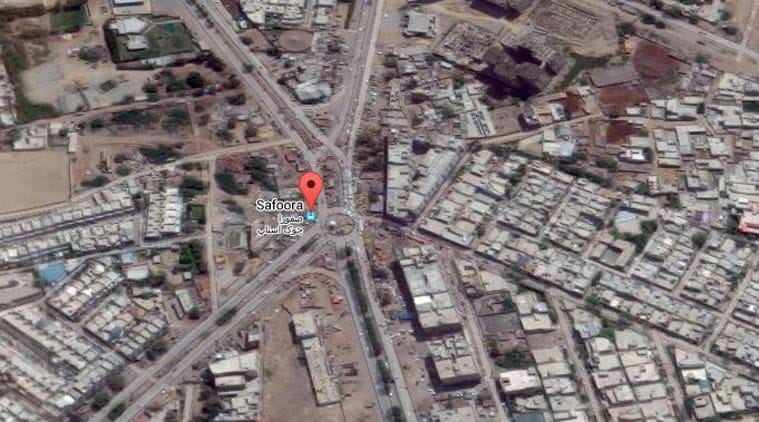
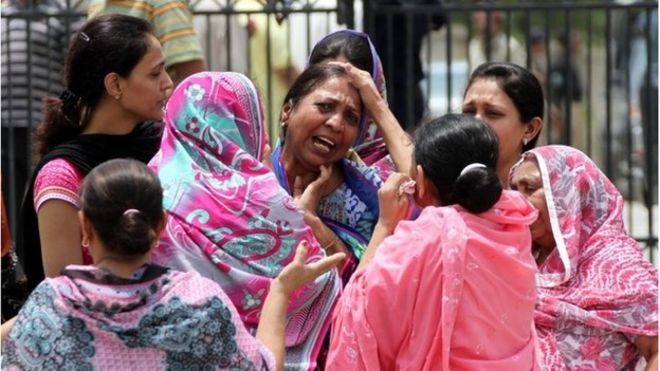
Today, the shuttle left Al-Azhar Gardens with 60 or so people on board. Someone else got on at Safoora Chowrangi. Armed men stopped the bus and using 9 mm pistols, systematically shot dead women and children, one by one, at close range. It is said that a few children were spared, or survived by hiding. Or something. The dead include women and the elderly.
Imagine the scene in the bus. The mind boggles, does it not?


Who did it? Jundullah (and/or the Islamic State, they are one and the same in any case and these days the name IS will sell better), a well known anti-shia group with a long history in Karachi (including a history of getting people out of police custody in mysteriously easy escapes) has claimed responsibility.

Not to be left behind, Mubasher Lucman, Pakistan’s most popular “paknationalist” anchor has blamed the Indian “Relatives and Wives Wing” (otherwise known as RAW) for the attack.

save image

Most people seem to take Jundullah/IS at face value, with their history of dragging Shias off buses and shooting them in the head. But there are those who blame MQM (supposedly operating on the instructions of RAW and Mossad). But whoever did it (I tend to go with Jundullah, but cannot claim to know for sure, so we will leave it at that), someone stopped a bus at a major crossing, calmly shot 60 people (43 of them now dead) and walked away without getting caught (and without any fear of getting caught). That does not look good. Not good at all.

save image

We may soon hear that this is Pakistan’s 9-11. Unlike Amrika, Pakistan is rich in 9-11s. It depends on how you count. Using the standard formula of 1 Sunni Punjabi=3 Shias= 5 FATA Pakhtoons there have been at least nineteen 9-11s till now (more if you start counting poor people as humans, but that would be just too much). Unfortunately, I am afraid there may be more in the days to come.

The Prime minister has condemned it. He has also “ordered the police to arrest the culprits”. I am not kidding. He actually ordered the police to arrest the culprits!

 More to the point, the army chief has called up the Aga Khan and said he will use his iron hand at the earliest opportunity. Coalitions support funds may have been mentioned. Life goes on.

Before I am accused of cynicism, let me paint two (fictional) scenarios. Which one is more likely?

1. General X has figured out that Pakistan’s policy of nurtuting Jihadist terrorists as force-multipliers against India has blown up in its face. He wants to change things root and branch. Not just the Kashmir Jihad and strategic depth (a direct consequence of that jihad), but the whole shebang. Mufti Naeem and his ilk will be terminated with maximum prejudice. All training camps will be shut down. All militants will be reformed or terminated (with the same maximum prejudice). India will be offered a deal: Lets both stop using this kind of terrorism for any reason and settle all future disputes via negotiation or all out war, like civilized countries. No more shooting of random people sleeping on the platform at Chatrapati Shivaji Railway terminus. But General X realizes that 50 years of Islamic-Paknationalist education has prepared a generation of morons who cannot be told the whole truth without having their heads explode. So General X is going to lie, deceive, dissimulate and detour his way to a future TNT-free Pakistan. Sometimes his public actions will appear contradictory. Sometimes he will have to make up all sorts of bullshit about RAW and Mossad to get his way. He will do what has to be done. But in the end, we will have a defanged Pakistan where every poor man’s son (or daughter) has the chance to become a toll-collector on the Pak-China-Economic-Corridor. Then, our problems will be no different from those of Thailand or Phillipines (both of whom have some Islamist terrorists, but the government are not in bed with them). And so on…

2. General Y has figured out nothing but even he can see that something has to be done. Ismailis have been killed in cold blood and the Aga Khan is on the phone. Next the damn American ambassador will call and before night falls he will even have to pretend to have a meeting with the prime minister. He is pissed off. He promises to deal with everyone with an iron hand. He sends general Z to see the big boss in the Pentagon and General Z reports that the Pentagon is pretty pissed off too. Block E/F F-16s will not be free. Loans will have to arranged and then paid back at 27% compound interest by fleecing the patriotic people of Pakistan. But all is not lost. Brigadier April Glaspie does seem to have hinted that a transfer of mujahideen into IOK would probably be OK with the US. Or at least, that is what General Z gathered from the conversation. He also met the Chinese ambassador, who served the best halal dimsum in Islamabad and nodded and smiled through most of the dinner. General Z reports that all seemed higher than Himalayas and deeper than the Indian ocean, though his excellency Sun Weidong did become a little stern after that last shot of Mai Tai and said something like “we hope the fraternal people of Pakistan will do whatever is necessary to establish good public order”. But mostly he smiled. Not for lack of language skills. The man speaks perfect English and Urdu (and our man in the embassy reports, also some Punjabi) but most of the time, he just doesn’t speak. One hopes for the best.
All the corpse commanders nod their heads at these words of wisdom from General Z. The bearer brings in the tea and Peak Freans biscuits. Iron hands are waved around. All will be well.

Which (fictional) scenario sounds more plausible?

It started with the Kashmir Jihad (which started back in 1947, so Zia is not the only culprit). That jihad is the gift that keeps on giving. Everytime one of the foot soldiers in these massacres is caught (sometimes, they are. In fact, we even had Malik Ishaq in custody for a while), it turns out that they either went to a Kashmir Jihad training camp or were trained by people who got their start in the glorious Kashmir Jihad. Strategic depth. Where would we be without it?

For more on Shia-killing in Pakistan, see here.

btw, here is something I wrote four years ago. See the halva story at the end to understand what the PPP government in Sindh is doing. In fact, since people don’t like to click through, I will paste that four year old article here too. Try to figure out what has changed and what has not.

Pakistan: The End Of The Affair (June 11 2011)

We have been here before, but it is being said that the unhappy marriage between the Pentagon and GHQ  has deteriorated further and once again, those watching this soap opera are wondering if this union can last.  Writing in Al-Arabiya, GHQ’s own Brigadier Shaukat Qadir says that the US appears to be “gunning for Pakistan’s top generals”, who are said to be bravely resisting this latest perfidious American plot against General Kiyani.  
And why is the US trying to undermine the good General?
Because at a meeting with President Obama he made clear “that this soft-spoken, laid-back, easy-going general, far from being overawed by the privilege of meeting President Obama, would still give back better than he got.” 
This interesting article (I highly recommend reading it twice to get the full flavour) can be read in a number of ways, all of which are worrisome.
One is to assume that Brigadier sahib means exactly what he is saying. That there is some core Pakistani interest that General Kiyani bravely insisted on defending, and for that sin, he is now being systematically undermined. 
Note that Pakistan’s elected government did not decide what this core interest is supposed to be, nor was it consulted before General Kiyani decided to defend this core interest against US imperialism. In fact, Brigadier sahib hints that the elected regime may include “powerful individuals who have no loyalty to this country and its people”. No, this core interest, for which Kiyani sahib is supposedly willing to risk a clash with the United States (and by extension, NATO, Japan, etc) is defined by GHQ, as it has been for decades.
“Strategic depth”, it seems, is alive and well and we can live with bombings, insurgencies, electricity shortages and all sorts of economic and social crises, but we cannot live without strategic depth
For the sake of this strategic depth, we kept the Taliban alive and made sure the new American-installed regime in Afghanistan would not stabilize. And when the Americans leave (something that everyone in GHQ seems convinced is happening very soon), we will restart a civil war in Afghanistan, with “our side” led by the Haqqanis and Mullah Omar. This war we expect to win in very short order, after which we will move on to our Central Asian Nirvana.
Having antagonized all the hardore jihadis by siding at least partially with the US, we are now to antagonize the US and its allies by sticking by the Taliban. This is known as GHQ’s “Sau Gunndey tey Sau CHittar strategy”. [1]
The problems with this approach are manifold and include:
  1. “The imperialists” are unlikely to leave as soon as imagined. This alone puts the whole strategy in question because as in Kargil, there seems to be no plan for the possibility that the “enemy” may not do what we expect it to do.
     
  2. “Our side” is unlikely to win all of Afghanistan even if the Western imperialists leave according to our timetable.  Given the opposing interests of many regional powers, that struggle is likely to be even more prolonged and bloody than the last attempt to fill the Afghan vacuum.
     
  3. “Blowback” from this war will be worse than the blowback from the current confused operation. The Taliban refused to cooperate with us against anti-Shia terrorists even in the good old days of the nineties. This time around, they will be much more difficult to control. We cannot even control the current (relatively small) Islamic Emirate of Waziristan. To imagine that we will control the much larger and more fractious Islamic emirate of the future seems to be a pipe dream.
     
  4. Any exit of the imperialists and return of the Taliban will inevitably be followed by a house-cleaning of Western “fellow travellers” in Pakistan. That cleansing may not be on the army’s immediate agenda, but pressure to Islamize Pakistan will be hard to resist once the Islamists are winning. The establishment may then find it expedient to try and get rid of the ANP, Pakistani liberals and other riff-raff that the army has tolerated in the Sulah e Hudaybia phase. Naturally the Americans will respond with retaliatory measures of their own and a liberal efflux will have some modest but detectable negative impact on the economy and the state; the final outcome, in a weak and fractious state, may not even be up to North Korean standard.
But that is only one interpretation of Brigadier sahib’s views. There is another: it may well be that cooperation with the United States is set to continue, but the haze of lies that surrounds the relationship now needs to be raised to new heights.  Pakistan’s deep state is highly “Westernized” in very practical ways and has always been a willing and even eager partner of the CIA and the Pentagon in the region. But both the state and its American minders have been operating with the view that those who matter will calculate profit and loss, and everyone else can be kept suitably entertained with our own peculiar version of Jihadi kool-aid (a uniquely Pakistani mix of Islam, militarism and the “two nation theory”).
In one of the more spectacular “own goals” in history, this convenient and previously useful propaganda has now created a large constituency within the rank and file of the armed forces and the semi-educated middle class. How now to tell them the truth, smack dab in the middle of a crisis? Better to just update the kool-aid, pray to Allah, and keep going while hoping for a miracle. In this version, no breach with America is intended or desired, but the natives are restless and the Jihadi/Pak nationalist credentials of the supreme commander must be burnished to prevent any unplesantness, hence the article and others like it. The problem with this version is that it means the state will continue its policy of trying to appease both the Islamists and the Americans and this only postpones the day we fall between two stools, it does not alleviate that risk.
Yet another version holds that this is simply more of the “controlled burn” strategy, the aim being to get the Americans to cough up more money by raising the threat of a “rogue” nuclear state (a strategy with which we have long years of practice by now). The problem with this version is the one pointed out by Mr. Lincoln a long time ago; you cannot fool all the people all the time. What happens if someone decides to call our bluff?
It is hard to say which of these theories is correct. If I had to pick, I would pick the last one because I am a cynical person, but there is little objective evidence based on which an outside observer can decide between these theories.
It is even possible that all three (and others I have failed to imagine) are ALL simultaneously true.
Pakistan’s biggest curse and the army’s most treacherous gift to the nation is its culture of secrecy and double-dealing. Domestically, the army (and particularly its intelligence agencies) have thoroughly undermined the credibility and effectiveness of politicians, civil bureaucrats and the media by decades of behind the scenes manipulation. They have done the same thing abroad by keeping foreign policy under their opaque control. This is fertile ground for conspiracy theories of every stripe (including the three I have managed to outline above) and the truth is impossible to know for sure (“loose change” aficionados will no doubt feel it’s the same in the United States, but the murkiness in Pakistan is an order of magnitude above anything an American can imagine).
And the same opacity and confusion may now extend to the supreme command; it is possible that not only are we unable to discern what is going on, the corps commanders who meet every month are equally clueless and confused. Not being the best and the brightest, and acutely conscious of their intellectual shortcomings but determined to stay in charge no matter what, they may be flying blind too
.this final irony raises the disturbing possibility that the past may not be an adequate guide to the future and very nasty black swans may be swimming just beyond the next bend in the river.
Perhaps India should prepare for an influx of Pakistanis seeking refuge from chaos that even the worst enemies of Pakistan may not have imagined. Being our cousins, and with a bureaucracy not known for its boldness and vision, one doubts that India will have a policy adequate to the needs of this mother of all black swans. The rest of the world may be equally unprepared. The Chinese, supposedly used to thinking one hundred years ahead, may be our only hope.
[1] “Sau Gunndey tey Sau CHittar strategy”: Literally, one hundred onions and one hundred lashes. A man was to be punished and was given the choice of eating a hundred onions or getting a hundred lashes. He opted for the onions but after 3-4 onions, he thought this is too hard and switched to lashes. But after 5 of those the pain was too much, so he switched again to onions..he ended up with a hundred of both. GHQ runs the risk of being punished by both sides to the full extent of the law. Picking one poison might have been a more rational choice.
Post Script: Sufi masters in upstate New York have sent a sufi teaching story that they claim has some relevance to why the hapless civilian regime is having so little success in Pakistan; It is not known if these are true sufis or impostors, so the story may or may not apply. Halva strategy: The Mongols were coming and the capital was in a state of panic. A holy man showed up and his followers claimed he had magical powers and could stop the Mongols. He was invited to take over and do his thing. He took over command and ordered the ministers to prepare the finest halva. They did so, he ate and let others eat as well. Next day, they said the Mongols are only 100 miles away, what now? He asked for more halva. It was done. This went on for days, every day the Mongols got closer and he asked for more of the best halva. Finally the Mongols arrived at the gate. He packed up his sleeping bag and said “I am off, do what you can to save yourself”. Everyone screamed “but what about the your magic”? He said “dudes, I came for the halva and I had lots of it and it was indeed good. The Mongols are your problem. Good bye.”

Good Night and Good Bye. 

Should Pakistan and India Play Cricket?

There is, again, talk of a revival of cricketing ties between Pakistan and India.

As expected, there is also vocal opposition (more so in India than in Pakistan).

It may not happen. I have no idea how likely or unlikely it is at this time. But after seeing some of the heated tweets from Indian nationalists on Twitter, I wanted to put a few thoughts out here so that I have a post I can refer to when needed. So here goes..

1. Extreme Hindutvadis (like all such terms, it is considered unfair etc by many, but we need a label, you can pick your favorite…you know what I mean) are looking for a Hindu subcontinent, cleansed of Anglo-Saxon and Islamicate influences. Their position obviously brooks no compromise or even co-existence, much less cricket. This is not about them.

2. Extreme Jihadis (ditto about term, etc, plus no equivalence is implied by use of the term extremist in two consecutive paragraphs 🙂 ) are also very clear about what they want and may have a better shot at getting somewhere within a thousand miles of their target. Their position includes no cricket. This is not about them.

3. Indian Nationalists. This is the largest group of Indian objectors (anecdotal…I have no data to back up this claim). Their case seems to be that Pakistan sponsors terrorists who attack India. More specifically, Pakistan shelters (and fails to arrest or convict) terrorists who attacked Mumbai in 2008. To play cricket while this goes on would be to “send the wrong signal”; Pakistan should be punished, not rewarded, and cricket is a reward.
This post is about them. (there is a fourth group of objectors: Pakistani nationalists who think contact with India will defile the two-nation-theory. Anyway, if GHQ bothers to become “clearly opposed”, then discussion is moot. No series will happen in that case. In Pakistan, the lines of authority are clear 🙂 ).

Is it true that a cricket boycott by India punishes Pakistan? and is cricket (at this time) a reward for Pakistan (as opposed to the Pakistani board, who obviously get to make money)? The short answer to both is NO.

America boycotted the Moscow Olympics. etc etc. That is not an apt comparison. Each case is different. In this case, not playing cricket with India is punishment for the board officials (less money), somewhat bad for Pakistani cricket (less international cricket, attention, practice, etc etc), but not at all bad for the Jihadis or their bosses. Not..at.. all. This just makes their case stronger.
Cricket (like trade, tourism and cultural exchange) between India and Pakistan does not strengthen the anti-Indian lobby in Pakistan. It does exactly the opposite. The people in Pakistan who do NOT want a jihadi invasion of India are the ones who are strengthened by these exchanges. This is just an empirical fact. The thing to keep in mind is that Pakistan is in many ways a more competent (pound for pound) adversary than India because the two-nation-theory provides stronger (negative) asabiya than the idea of India (this is not about which idea is stronger or “better”. I think India is the stronger idea in the long run, but it’s short term battle asabiya is weaker). Trade, travel and cultural exchange with India weakens the two-nation-theory and therefore weakens the one area in which Pakistan is actually stronger than India.
You have to think about this before you get it 😉

By the way, right now, beyond the money angle, it may not be much of a reward for Pakistani cricket either. Defeat on the ground, even humiliation, may be the more likely outcome at this time. Or do Indians lack confidence in their overpaid team?


Killing Atheists. A Wedge Issue in Bangladesh

Yet another Bangladeshi blogger has been hacked to death. This is the third time in just the last two months that someone has been hacked to death in BD for being an “atheist blogger”.

The victims:
1. Ananta Bijoy Das

2. Avijit Roy

3. Washiqur Rahman

Two born Hindu, one Muslim, all three known to be associated with Bangladeshi rationalism and “freethought” and in particular with the freethought blog “Mukto-Mona”. 

Someone with more local knowledge can comment about them and add their tributes. I wanted to focus on a more general issue: Why kill these bloggers? As Bond noted, the first time is happenstance, the second time coincidence, but the third time, it’s enemy action. This is not just some random Muslim fanatic getting riled up and going to earn his virgins. This is a systematic campaign…and it makes a lot of sense. These killings are a near-perfect “wedge issue” for Bangladeshi Islamists. How does that work?

1. Bangladesh is a relatively liberal Islamic country. There is a significant Hindu minority (though it shrank somewhat at partition and then again, drastically, during the anti-Hindu genocide of 1971) and thanks to strong traditions of secular Bengali nationalism and old-fashioned (i.e. not Post-Marxist Western elite and University imported) Left wing activism, there is a significant Muslim Bengali secular tradition. Another factor is the fact that when the Awami League led the Bangladesh liberation movement against West Pakistan, the West Pakistani army was supported by the main Islamist party and its cadres provided the volunteers who were their eyes and ears (and in many cases, their eager executioners).
After independence, as a “right-wing” Bangladeshi political grouping developed with military (and Pakistani, Saudi and possibly CIA) assistance, it was provided crucial support by the Islamists and in return their successive regimes provided assistance to the Islamists and protected them against prosecution for war crimes. At the height of the honeymoon between Islamists, the Pakistani intelligence agencies, Saudi Arabia and the CIA, this right-of-center alternative (first as military rule, then as the BNP) established itself firmly as one half (and for much of that time, the dominant half) of Bangladeshi politics. Since then, things have changed. Saudi Arabia is now somewhat conflicted about the Islamists and at a minimum, distinguishes between “good Islamists” (who behave themselves and support the royal family) and “bad Islamists” (who prefer to go the whole hog and aim to replace the royal family with a more authentic Islamist alternative). Pakistan and the CIA are no longer BFFs (though wary cooperation and buying and selling continues). And Western powers are not entirely happy with Islamism. As a result, the playing field in BD seems to have tilted towards the Awami League and towards relatively secular Bangladeshi nationalism. In the nature of things, the BNP or some such will still be needed to provide the other half of a stable two-party electoral system, but their Islamist allies are under some pressure. There is even the possibility that the BNP will have to carry on without hardcore Islamist cadres being sheltered under its umbrella and will have to (perhaps as an “India-skeptic” critic), go along to some extent with a new “India-friendly” regional order.
2. But there is another alternative. Is there some way the Islamists can recover and even win new heights they did not possess even under BNP regimes in the past?
3. Some of them, and perhaps some of their backers in Pakistan and Saudi Arabia (in Saudia, more in the private sector than in the government? who knows) seem to think so. And they are using these killings as a wedge issue.
4. By going after atheist bloggers (many or most of them Hindus), they have found a near perfect wedge issue. The Hasina government is not happy with these blasphemers being killed, and unlike in Pakistan, the regime seems to have made some arrests. But if they take a very public stand against these killings and aggressively protect the rights of these free-thinkers, then they stand with atheists and blasphemers and risk losing the support of “moderate Muslims” who don’t go in for machete-wielding execution, but whose core beliefs include the belief that atheism and apostasy cannot be tolerated….But if the Hasina government lets this go on, then they permit the Islamists to grab the initiative and drive away atheists, secularists and Hindus…all of whom are more or less her voters and supporters (and whose friends and supporters are also the “intellectuals” of the Awami League regime). At a minimum, it is an uncomfortable position for the regime.
5. Moderate Muslims may condemn free-lance executions, but such executions also bring to light the existence of atheists, Hindus and blasphemers in what is, after all, a Muslim majority country. For the moderate Muslim the best thing would be for this conversation to just go away. The longer it goes on, the more they have to commit to options they don’t like: should they come down in favor of Hindus, atheists and blasphemers (not necessarily in that order, but all these items are uncomfortably connected in mukto-mona)? Or, when push comes to machete-shove, do they stay silent and “understand” that the blasphemers have sorely provoked their Muslim executioners? whatever they decide, the discomfort is a net plus for the Islamists. They are betting on the fact that by making this an “Islam versus atheism/Hinduism” issue they make it hard for moderate Muslims to chose atheism and Hinduism over Islam.
6. With the penetration of bullshit-postmarxism into the Bengali elite increasing as their access to expensive Western education increases, the “high-end secularists” can be split too. “Black and White” division of the world between Islamists and anti-Islamists is anathema to postmodern-postmarxism. They too would prefer to opt out of this “complex and nuanced” issue. Their discomfort is an added bonus to the Islamist cause (of relatively little practical importance, but these people have some visibility in high-end intellectual circles, so their discomfort doesn’t hurt either).

Can Bangladeshi secularism (meaning in practice, the Awami League regime, there being no other secular alternative on the horizon) defeat this rather well-chosen point of attack? Maybe they can (in which case the Islamists will have gambled and lost and the secular cause will emerge stronger than before). But it is a big if…If they lose, Bangladesh is in play again as a possible Islamist base in Eastern India. The Islamists know what they are up to…

Brown Pundits