In my previous two posts, I traced the roots of India as a civilization state and proposed a framework which would seek to retain modern India’s classical Anglo-liberal framework but embellish it with Dharmic values. In this third and final post, I will seek to demonstrate how these seemingly contradictory systems could be reconciled in a coherent Anglo-Dharmic liberal conservative framework. I will also analyse Indian domestic and foreign policy from a liberal conservative perspective. Before doing that, it is worth examining how liberal conservatism would deal with the third great tradition that has influenced Indian history: Islam.
The Muslim Question
The ledger of the Nehruvian state’s interactions with and treatment of Indian Muslims is decidedly a mixed bag. On the positive side, it is to the Nehruvian state’s credit that Indian Muslims were able to see themselves as full and equal participants and stakeholders in the Indian Republic. It is easy to underestimate today how difficult and challenging this would have been in the immediate aftermath of the partition and vivisection of India in 1947. It would have been easy to let hatred and vengeance take over in the aftermath of a bloody division. The Congress party under the stewardship of Pandit Nehru ensured that the better angels of our nature prevailed and the Muslims who remained in India were treated with tolerance and compassion. The basic framework of the Indian Constitution, in particular the golden triangle of equality, freedom and liberty, ensured full and equal citizenship and freedom of worship for Indian Muslims. The wisdom and sagacity of the founding fathers of the modern Indian Republic who were the architects of this framework must be applauded.
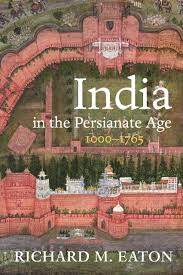
Decided to start reading India in the Persianate Age: 1000–1765. It’s a fast and easy read (and, it’s an affordable book for a nonspecialist like me who only spends $100 or more on genetics texts). I jumped ahead in a few passages, which seem to be adaptations from papers I’ve read from the author before.
In relation to discussions on this weblog and comments I’ve made:
1) The author describes islands and pockets of wholly Muslim peasants in eastern Bengal observed by the Mughals in the 16th century. These Mughals indicate that these people are not truly Hindu or Muslim, at least initially. This is line the common thesis that Islamicization is a function of the weak to nonexistent integration of these frontier peasants into Indian culture. Mughal observers also note the physical appearance of these people: small, dark-skinned, and beardless. This seems entirely accurate (I cannot grow a beard!).
The author observes that tax receipts over several decades in Bengal exhibited a pattern that is suggestive of a massive population increase in the east and stability in the west. In fact, there were two-fold increases in the east at the same time that districts in the west declined by 10%.
The thesis by the author, which seems broadly creditable, though not proven, is that the transition to high-intensity rice agriculture in the plains of the eastern delta, and in particular east of the Padma, arrived after the Mughal expansion into the reason. As such, the transition to a “higher religion” occurred under Islam, and therefore these people became Muslim (at least nominally). The analogy that is obvious here would be the Christianization of the Montagnards and other Southeast Asian “hill people” during the colonial period, as they had been detached from Theravada Buddhist civilization.
2) The author deploys a similar model, with modifications, for western Punjab. The model here is that Jat who moved up from Sindh abandoned obligate pastoralism and engaged in agriculture, and fixated upon the tombs and shrines of Islamic eminences. Due to the emphasis on paternal lineage, the author observes that the Islamicization of names occurred quantitatively over 300 years, from the 15th to the 18th century (initiation to completion).
The main qualm I have with this model is this: the Jats/people of Punjab do not look to be from Sindh if modern Sindhis are representative of ancient Sindhis. In the language familiar to readers of this weblog Sindhis are enriched for “Iranian-related ancestry” vis-a-vis Punjabis, who are enriched for “steppe.” The Jats in particular are highly enriched for “steppe” ancestry. Going by genetics alone this model is difficult to accept, though as noted in this space it does seem that caste-like stratification has ancient roots in this region, and so that may serve as some explanation.
Note: The model in Bengal implies that Islamicization and Hinduicization occurred in East Bengal simultaneously. That is, most of the sponsors of agricultural reform and intensification happened to be Muslim, but some were Hindu, and in the case of Hindu sponsored developments the regions became Hindu. Further investigation though would be warranted for Bengali Brahmins in the eastern regions, who would then presumably be migrants from the western zone, because it is hard to credit animistic tribes needing the services of literate priestly elites.
India got partitioned in 1947 and the two provinces that got split were Punjab and Bengal. But the religious demography of the two provinces took different routes.
Today the Muslim population in Indian Punjab is 1.6%, while the muslim population in Indian Bengal is 27.1%. So while there was huge emigration of Muslims from Punjab, there was less so in Bengal.
There are still districts in Indian Bengal today where Muslims are in a majority
Murshidabad : 66%
Malda : 51%
Uttar Dinajpur : 50%
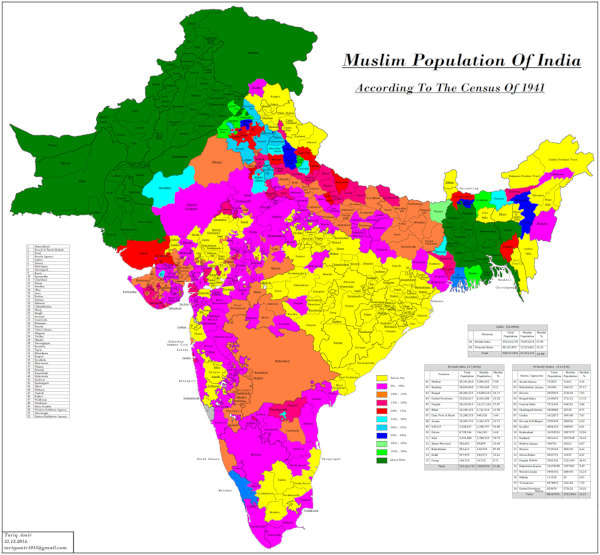
Nothing like it in Punjab where they are in single digits across the state. This is notwithstanding the fact that back in 1947, Muslims were upwards of 40% in the districts of Amritsar, Ferozepur, Gurdaspur and Jallandhar – all of which are in Indian Punjab today.
Punjab started with a clean slate. On either side of the border. Whereas Bengal remained complex demographically, with significant Hindu population in East Pakistan and significant Muslim population in West Bengal.
But the trends of the minority population on either side of the border in Bengal, have been radically different since 1947. In Bangladesh / East Pakistan, Hindu population has reduced significantly since the 1950s. A decline from 22% in 1951 to 11% in 2015
Hindu population in East Pakistan / Bangladesh
1951
22.05%
1961
18.50%
1974
13.50%
1981
12.13%
1991
10.51%
2001
9.20%
2011
8.96%
2015
10.70%
In sharp contrast in Indian Bengal, the minority population has thrived, with a significant increase since 1951. Here are the numbers –
Muslim population in West Bengal
1951
19.85%
1961
20.00%
1971
20.46%
1981
21.51%
1991
23.61%
2011
25.25%
2011
27.01%
But it’s also interesting to see the demographic evolution of the provinces before Partition. We tend to think that the demographic mix changed decisively in 1947 (more so in Punjab than Bengal). But that doesn’t mean there weren’t major changes in late 19th / early 20th century.
Let’s take a look at the religious composition for Punjab as a whole (both Indian and Pakistan portions) before 1940s. We see a declining Hindu population in Punjab as we move from the 1880s to 1940s. This decline clearly predates the partition and even the idea of Pakistan
Religious demography of Punjab : 1881 to 1941
Notice the sharp decline in Hindu population from 43% in 1881 to 29% in 1941. But this drop is not accompanied by a rise in Muslim numbers. Rather we see a near-doubling in the Sikh % between 1881 and 1941. One is not sure if this was indeed driven by conversions, or whether Sikhs became more conscious of their distinct identity and separateness from Hindus in those six decades, leading to a surge in Sikh census figures.
When we look at East Bengal pre-independence, we see a similar story. The demographic change long predated the partition, though it was less drastic than in Punjab. Please note these numbers are for East Bengal and not united Bengal.
Hindu pop in East Bengal : 1901 to 1951
1901
33.00%
1911
31.50%
1921
30.60%
1931
29.40%
1941
28.00%
1951
22.05%
I found these numbers fascinating, The purpose is not to emote people, but to understand the long run trends and the underlying demographic reality of these provinces.
We tend to think of partition as a “discrete” event. But demographic change long predates Partition, and it continues long after the Partition particularly in Bengal (both West and East). Less so in Punjab, as Punjab was rendered homogeneous on either side by Partition violence.
References :
The numbers on Punjab demography were sourced from this very fine paper –
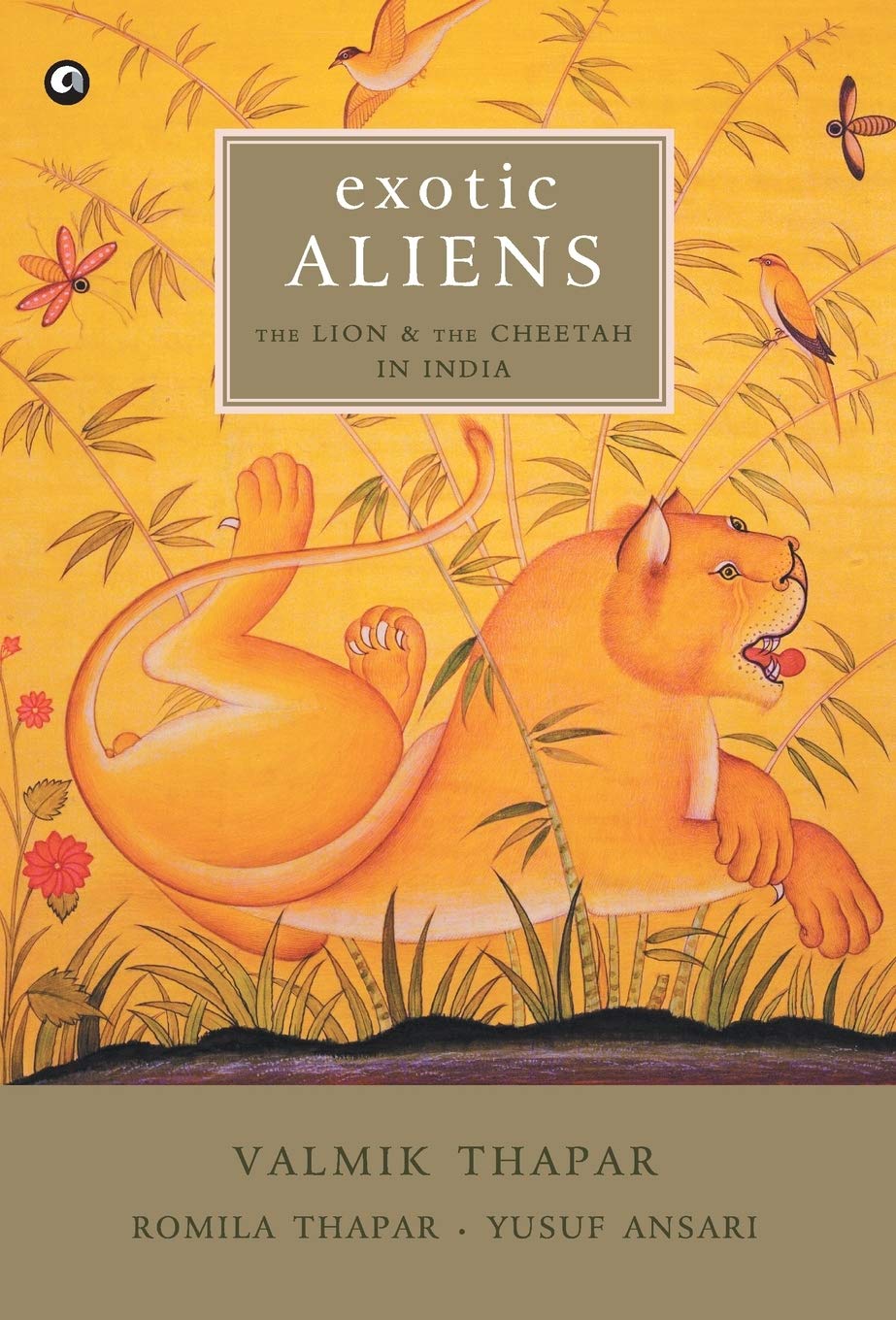
The core argument of the book is given away on the cover itself
In the sixteenth century, Dutch traveler Jan Linschoten noted the absence of lions throughout the Indian subcontinent. Two hundred years later, echoing similar comments made by various hunters and observers of Indian wildlife, the British shikari, and writer, Captain Thomas Williamson, emphatically declared: There are no lions in Hindustan. Much the same was said about the cheetah in the region.
Romila Thapar’s argument: Lions have been strongly associated with kingship and lions motifs are spread across the world despite those regions (United kingdom, Sri Lanka) having no indigenous lions. Starting with civilizations of the middle east and how these cultures associated kingship, divinity, and morality with lions, Romila Thapar concludes that no imagery of Indus Valley civilization has lions. The contrast between the Western Bronze cultural emphasis on Lions and the total absence of lions in Indus valley seals (unlike Tigers who are ubiquitous) is profound. (Essentially the same argument is made for the HORSE in Indus valley). Thapar then goes on to speculate that the first interactions, the lands of the Indus had with Lions were after Alexander’s conquest and later Indo Greek rulers. She also points to the Rigveda (which she claims at least was partially composed beyond the Indus in the west) mentions lions and not tigers thought the later Vedas (esp Atharvaveda) mention Tigers more than Lions. Another point she makes, is tigers interactions are much more common in Indian literature (from Mahabharata onwards) while lions are often invoked as symbols.
First, I want to enter into the record that among Punjabis and Sindhis there is almost no West Asian ancestry in Pakistanis.* I qualify this with “almost” because there is some, particularly in Sindhis. You can tell because of African ancestry, which is distinctive in even small fractions, and which is found in some of the HGDP Sindhis. I haven’t checked the 1000 Genome samples from Lahore (which clearly includes Punjabis but also other ethnicities), but they seem “more Indian” than the HGDP Sindhis.
Most people with half a brain can see the above fact in the data. That being said there is some ideological battle between Pakistanis and Indians about the Hindu origins of Pakistanis. Or, should we say “Hindu”?
On both sides of my family, I have “caste Hindu” forebears within the last few centuries. My paternal grandmother’s father was born a Hindu. So I have no compunction in admitting that my ancestors were Hindu, and my genetics indicate a rather generic Bangladeshi ancestry except for the higher fraction of East Asian (my family is from what was Tippera). It helps I’m not Muslim or Muslim-identified.
From Hindu Nationalists there something of schizophrenia on the topic. On the one hand, they loudly proclaim the Hindu origins of South Asian Muslims (correct). Often, there is also an assertion that these are low caste converts (perhaps correct, but specious to the argument). But then, they flip to the assertion that South Asian Muslims are invaders, oppressors, etc.
It’s not totally coherent. Perhaps more coherent is the position of some Pakistanis: “we were never Hindus.” The argument is straightforward, and about ten years ago I was quite open to it. To be frank, I probably leaned toward the proposition that Hinduism as an identity makes no sense without a reaction to Islam and later the British-Christian experience. Though probably not as extreme as “real Hinduism didn’t exist in the 19th century”, I wouldn’t have laughed that assertion out of the house.
There are several reasons I reject or have evolved from my older views.
Thought I’d start with an essay I’d written some time back on the history of Liberalism –
I tweet @shrikanth_krish
Liberalism – A Short History
The rise of populist “right wing” movements around the world has caused many commentators to bemoan the decline of the “Liberal world order”.
Notably Lord Meghnad Desai, the British Labour Peer in the House of Lords, wrote in his 2017 book – “Politicshock” –
“Brexit and Trump mark the collapse of the liberal order worldwide, a phenomenon which saw its beginning with Modi’s rise in 2014”
But what was Meghnad talking about? What is this “liberal world order”? It is one of those nice sounding words of modernity that everyone wants to appropriate, but few offer a precise definition. It is a term which is so universally attractive and capacious that individuals who embrace it often range across the political spectrum.
What does it mean? What are its principles? What is its history? How has it evolved over time? What are its limitations? What is its prognosis in the 21st century? And why is it that many pundits are worried about its health all of a sudden in the past couple of years?
Let us first make an attempt to understand what it means. One of the reasons Liberalism is extremely hard to define is because of its immensely complex history and the internal contradictions that do exist among liberals on many fundamental political questions.
Over at my other blog, Pakistani British Are Very Much Like Indians Genetically. The title doesn’t refer to genome-wide worldwide affinities. Rather, the preprint looks at British Pakistanis, and finds a pattern that is not going to surprise Indians: endogamy seems to have kicked in for these groups starting 1,500 to 2,000 years ago. This is exactly what you see in the Indian jati data. The similarity is pretty incredible, and to me is a strong rejection of the model that these groups were strongly anti-caste so on the margins of Indic civilization.
There is a second wave of endogamy though, dated from 150-500 years ago, roughly. I think this is likely Islamicization and adherence to cousin-marriage. These Pakistani groups seem to show the tendency of jati endogamy common among Hindus, and, cousin-marriage patterns of the Islamic world.
Finally, the reason I posted over on the other blog is that I think this might speak to the long-term trajectories of Bangladesh and Pakistan: Bangladesh is not in the same mold as Indo-Pak societies. The 1000 Genomes data indicate few runs of homozygosity and not much internal structure. That is, no jati endogamy, and, low levels of cousin-marriage.
If you believe Joe Henrich, this means good things for Bangladesh in the future… (vs. Pakistan)
(the Henrich podcast is already available for Patrons)
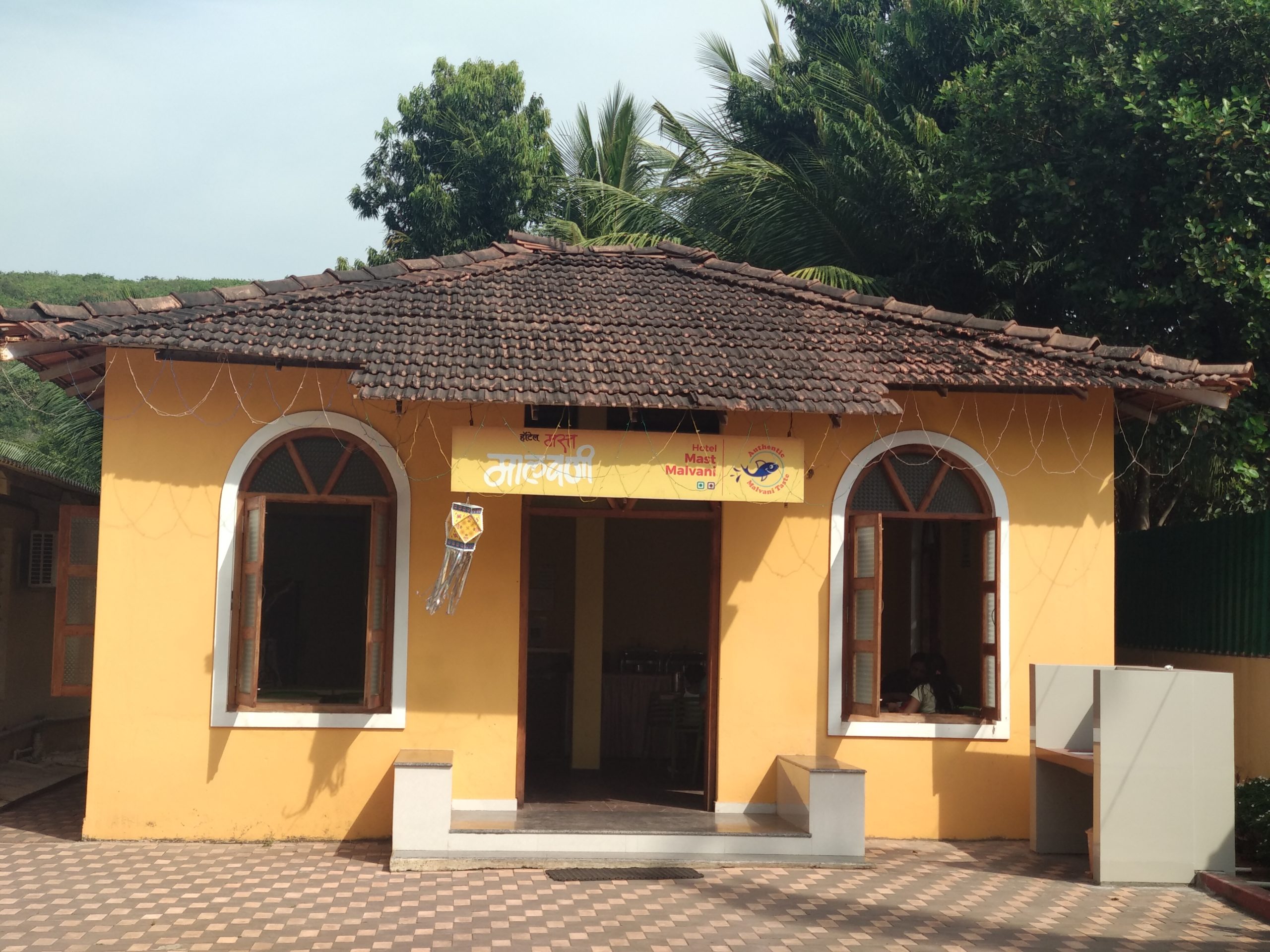
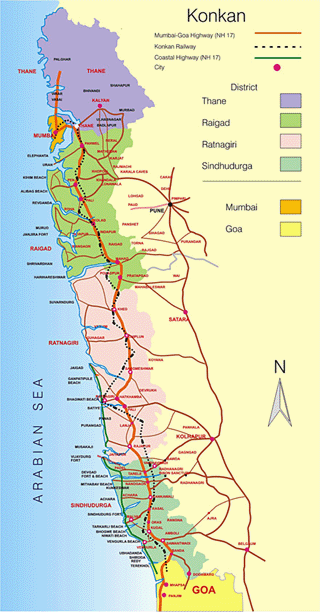
Malvan is a village located in the Sindhudurg district of Konkan subdivision in Maharashtra. Malvan is famous for Malvani non-veg cuisine (especially seafood) – which is a unique spicy cuisine that has managed to exert its influence well beyond the confines of Malvan or Sindhudurg.
The Malvani Masala is easy enough to make and has the important quality of hiding failures in cooking. As a result, Malvani cuisine’s popularity has grown in leaps and bounds these last few decades. Restaurants across the state & increasingly along the coast have taken up serving Malvani cuisine while serving other cuisines is reducing.
The broader Konkan region from Thane to Goa & Dakshina Kannada has multiple culinary traditions which were very vibrant (heresay :P) until a few decades ago. But increasingly the cuisines from Thane to Ratnagiri are bowing down to the Malvani cuisine. If these continue, one can assume that a lot of delightful and subtle tastes of Konkani seafood may become difficult to find. Even in one of the most famous restaurants in Ratnagiri – Hotel Amantran – the food is more Malvani – probably as that’s what most customers want. Efficiency and markets have that effect on food traditions all over not just in India. All these other cuisines – Saraswat cuisine, CPK cuisine, Cuisines of Diveagar & Ratnagiri, Cuisines of Alibaug are only preserved in families till now but will they be going ahead remains to be seen. After an initial love affair with Malvani food, we (my wife & me) have ventured into trying some of the other dishes to great success.
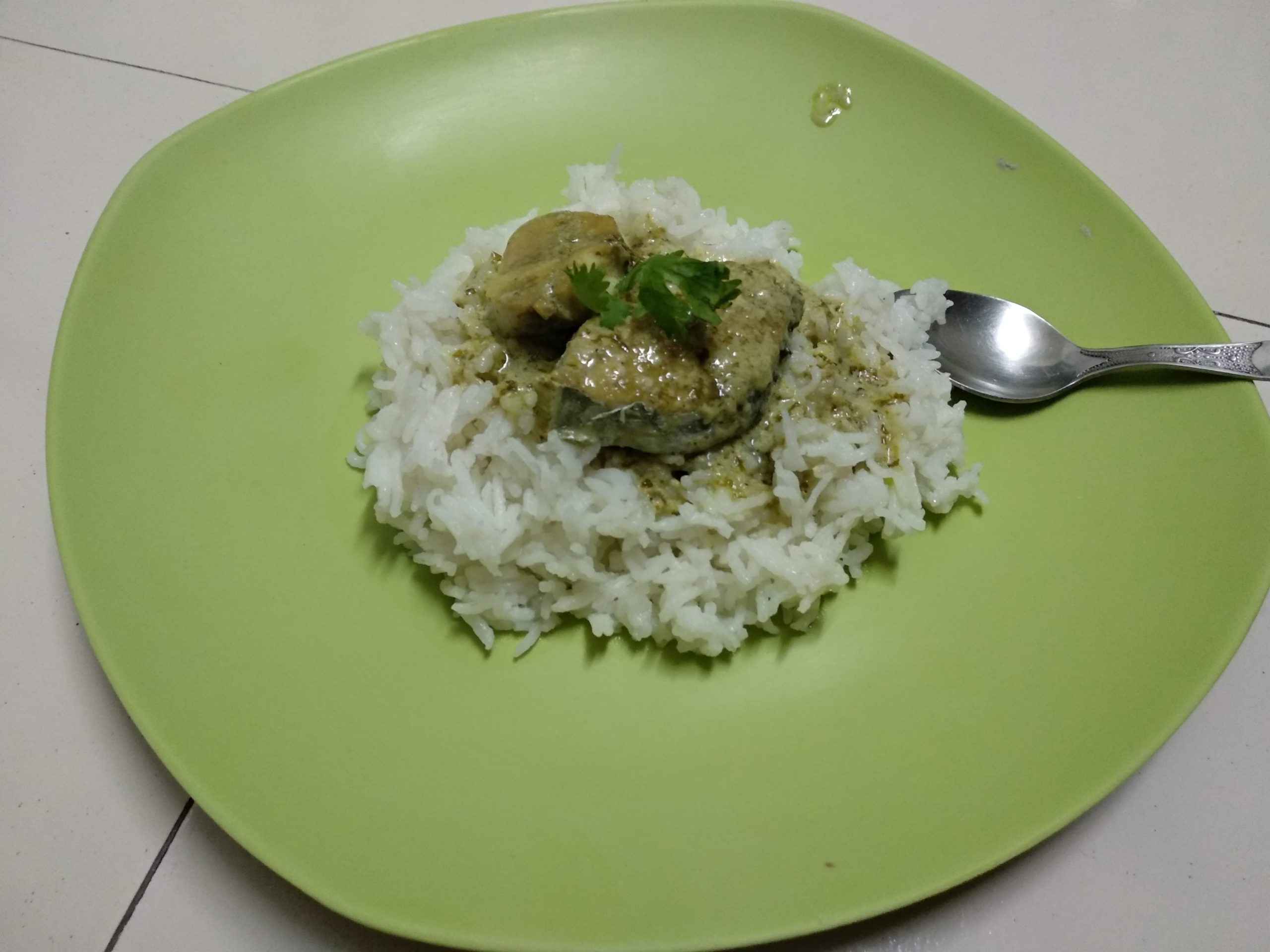
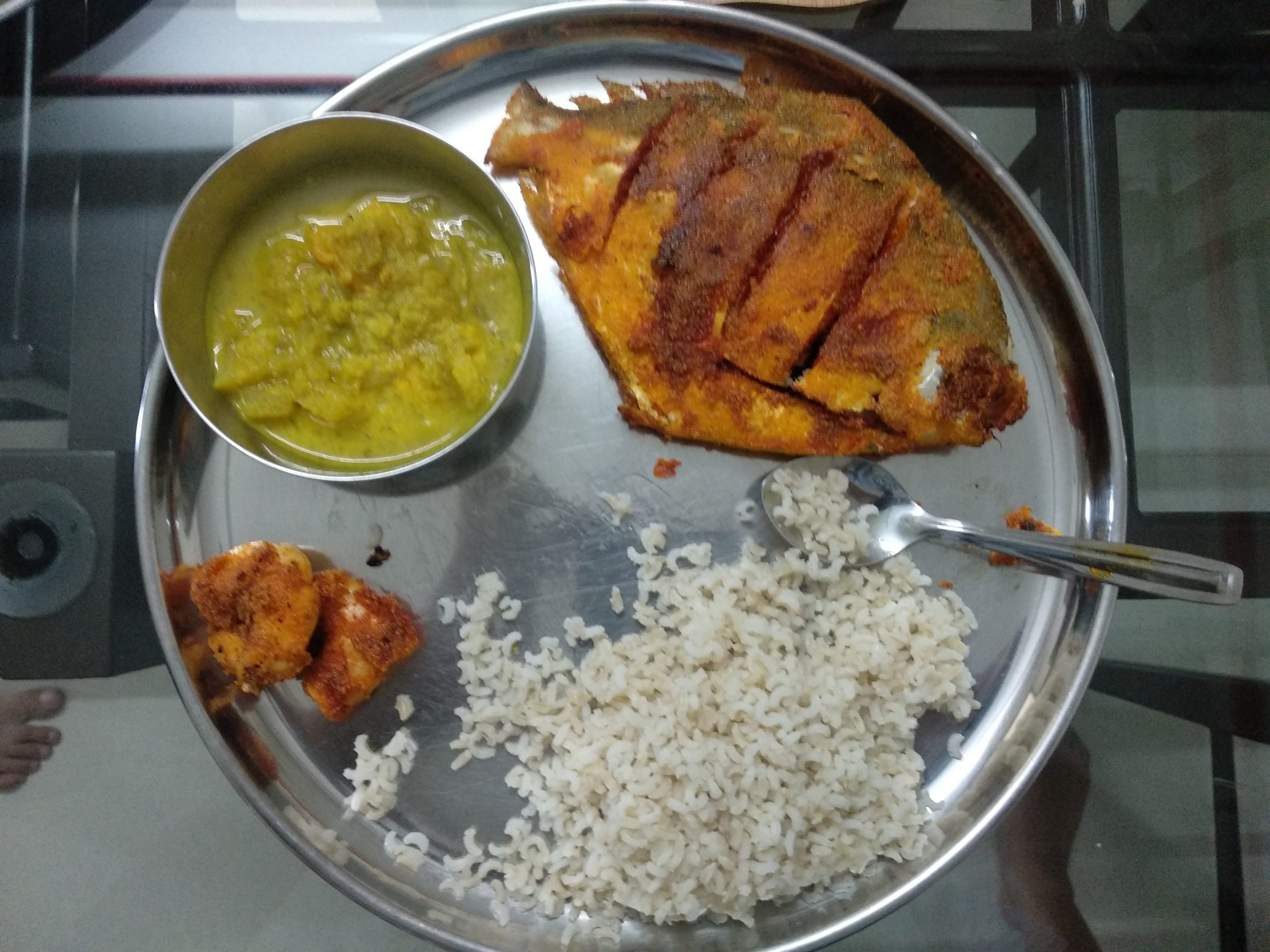
These include
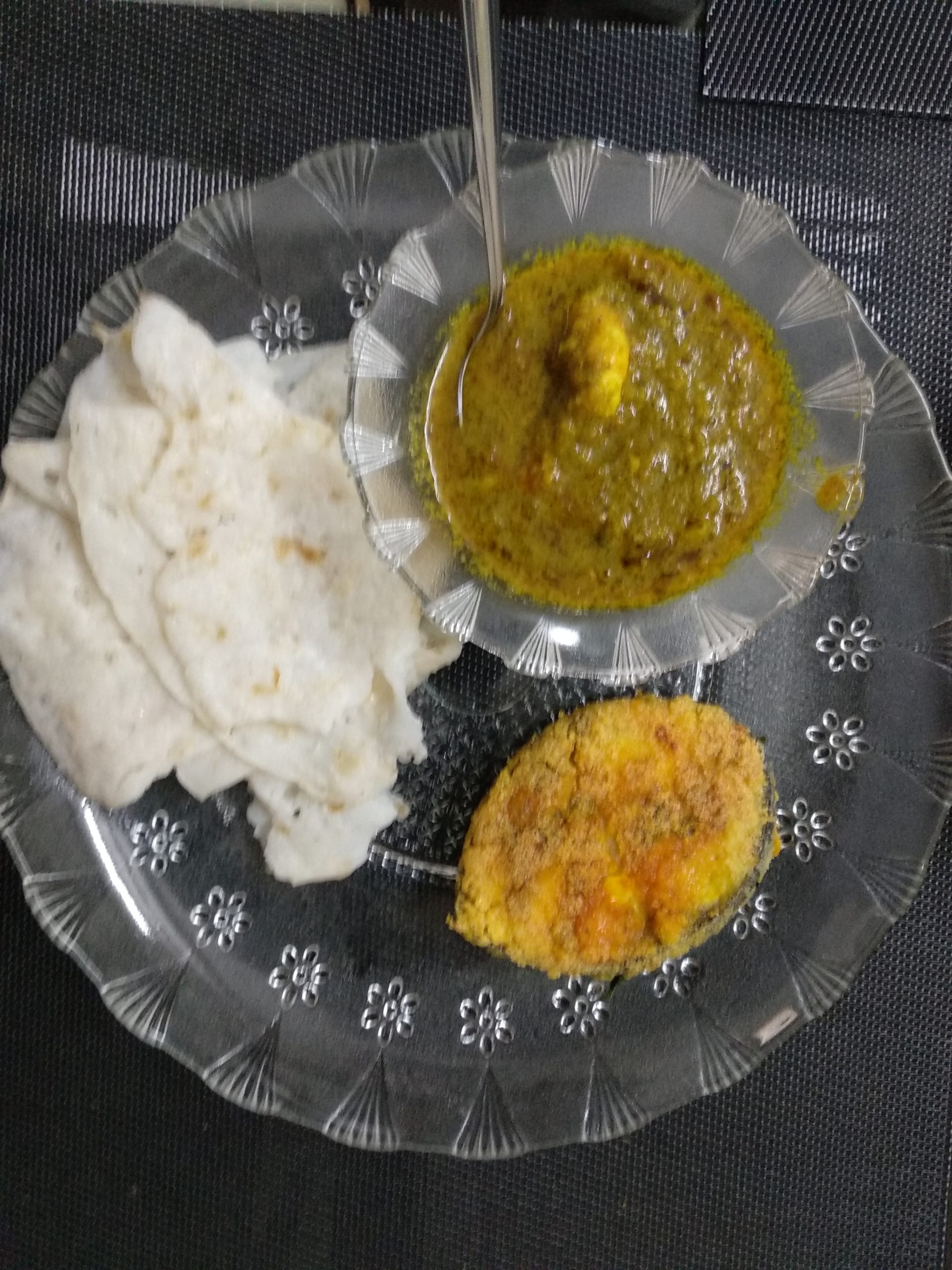
Green chilly Coriander Surmai CurryRaw Mango Kolambi Curry, Masala Pomfret, Masala Prawn FryTirfhal Coriander based Prawn curry, Surmai Fry and Amboli (Rice Roti)
While a great number of Foodies – bloggers, authors, and chefs are working hard to keep the old cuisines alive – link ; link ; link , there isn’t much to worry about. Given the sheer size of the Indian population, India seems very resistant to such erasures of culture & food which tend to be happening around the world.
Going through old cookbooks one wonders how much culinary customs have changed beyond recognition since independence. The famous Marathi cookbook Ruchira refers to Marathi people as predominantly Jowar, Bajra, and Rice eaters. Wheat has firmly taken over Maharashtra now and Jowar and Bajra are reducing year by year (though Rice manages to hold on). Globalization and even the local spread of easy and efficient foods (pasta, bread, wheat roti) have reduced the diversity of food globally. How much of these traditions will we preserve going forward? This may appear as a trivial thing to many but it bothers me.
My main aim of writing this blogpost is NOT TO MAKE ANY POINT but to find more such stories and more recipes that readers fear might get hard to find in the future or be overwhelmed by some efficient popular foods. Please add links to Food recipes you want to share – especially Sea Food.
Maybe my fear of the erosion of cuisine is exaggerated, but my generation is not that great at conserving food traditions as earlier generations were IMO.
Economic growth in India has made the question of immigrating to the US vexing for a lot of young Indians. The old attraction of more material prosperity no longer holds, you can buy everything in India. The difference between siblings in the two countries is no longer the car, the modern electronics and superior amenities. In many ways, immigrating to the US has become a more ‘experiential’ move, with terms like ‘job satisfaction’, ‘latest technologies’ being used in addition to the touting of cleaner, safer and more hip environs.
So should you, as a young Indian teen or adult seek American shores? I was in the same situation nearly two decades ago, and took the plane to the US very unthinkingly, almost like an instinct. I always wished someone would have told me what the possible implications of such a big decision would be, the doors it would open as well as close. I seek to do so for any young person interested here. This post is not going to be about details of work and life in the US versus India, but rather the big picture.
Today, the cost of moving out of India is more than the loss of family and ‘culture’. India offers opportunities of its own. It is with this context that we move forwards with our analysis.
Career: Technological Leadership in Prescribed Areas vs Flexibility in a Growing Economic Power
US leadership on the technological front is significant and enduring. America attracts smart people not only from India, but from across the world, including other developed markets. Deliberately or unwittingly, America has been marketed to the world as the place a smart person needs to be in to maximize their potential. This is somewhat like the IPL being the cricket league where a cricketer can compete with the best in the world. There is a reason why America is the only country in the world that has a Google and an Apple.
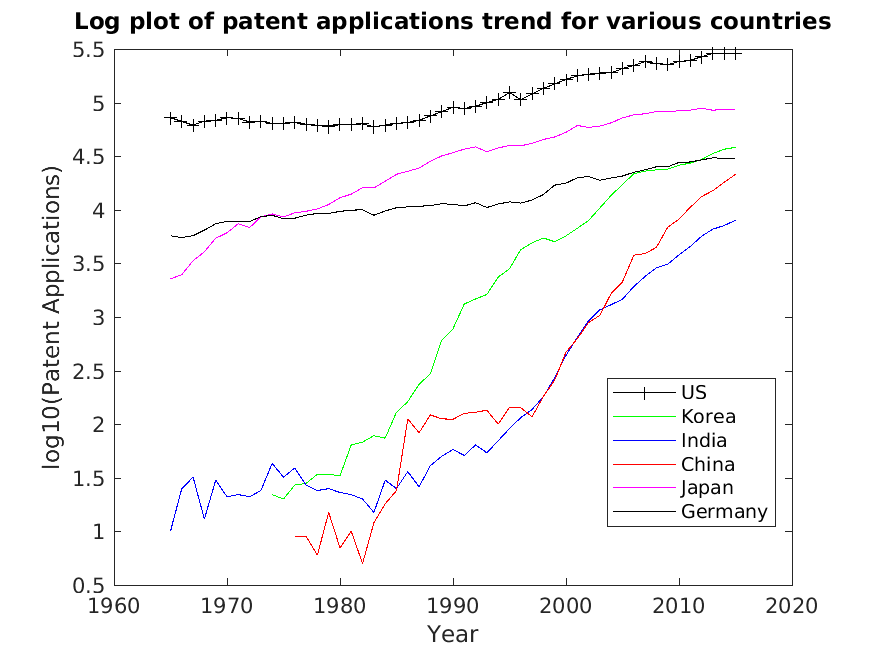
Log plot of US patent applications by various countries.
However, the last two decades have seen a sea change in India’s economic growth, technological prowess and integration with the world. Consider the number of US patents filed from India. From being four orders of magnitude lower than the US, India is now less than two orders of magnitude lower, with continuing growth. Similar trends are seen in the number of scientific papers published in elite journals, where India has moved from 1/20th of US output in 2000 to 1/3rd of US output in 2018. India today offers more opportunities than ever before.
Add to this the fact that the American work visa is exactly that, a visa. The visa is designed to bring in workers in areas where there is a shortage of Americans, so the bulk of opportunities lie in the computer software/data management sector. The flexibility and freedom to explore different career and life paths is severely constrained. You cannot easily leave your software engineering job in a global mega corporation and join a business development role in a start up. You cannot take two months off and wander away to see the world. Your US work visa needs full time employment, every second of your life.
So the trade off here is the opportunity to get a narrow but a truly world class exposure versus exposing yourself to a spectrum of career and life possibilities in India.
Life: Systems vs Services
If there was a one line summary for the difference between life in the US and India, it would be in America you can rely on systems, in India you can get a lot of services.
In America, systems work. The courts, police, municipal authorities all do their job professionally. You will not see mounds of rubble by the roadside and trash everywhere. The air will be clean, government authorities will be professional and accessible. The contrast with India is stark.
When it comes to services, lets just say this, the middle class homes of my relatives in India are a procession of cooks, drivers, maids, gardeners, electricians etc. We have a huge population whom we can now feed very well and transport cheaply around the country to markets which need them. As an example, in India, the service and variety of food on offer in a 3-star hotel buffet for 5 dollars was impressive. On the other hand, there were no Mexican options and stepping out of the hotel, you could literally smell the chemicals in the air.
Spirit: Continuity vs Renewal
Humans are not merely the work they do and the goods and services they consume, transcending our finite selves is a big part of the human experience. This is where notions of family, ethnicity, religion and nationality come into the picture. The US and India offer you contrasting pathways in this regard as well.
Being in India offers continuity and context. You can remain soaked in the arts, sports and traditions you have been familiar with since you were a child, and there is no need to separately make an effort to ‘access India’. You are the market whom the creative and talented people in the economy seek to serve.
America offers the chance for renewal and rebirth. Indeed, for the majority of its existence as a nation, America has offered the tired and beaten people of this planet a chance at reinventing themselves and starting a ‘new life’. The children of those pushed out by their home countries have achieved miracles in the American meritocracy.
So there it is, you can think about these three trade offs while making your decision. Do you want to achieve the summit of computer technology ? Or do you want to explore the world of work before diving into a committed career path ? Do you get annoyed and distressed by the dysfunction of the Indian governments ? Or do you appreciate all the services available to make your life easier ? Finally, do you feel India imprisons you and you need fresh air ? Or can you not bear to sever yourself from your gods and greats ?