Hinduism was not invented by the British (or Muslims)

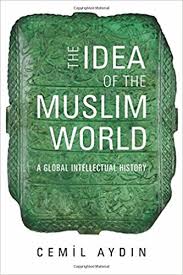
I’m reading a book titled The Idea of the Muslim World: A Global Intellectual History. It’s works within the postcolonial framework. Unlike a lot of postcolonial scholarship it isn’t bluster and rhetoric riddled with basic historical errors. The author presents a lot of interesting facts. But, as I’ve said elsewhere I disagree with the thesis of the book, which is that modern Islamic identity can be understood primarily through its interaction with European colonialism.

This isn’t to say colonialism doesn’t matter. It does matter. It’s just that Muslims are not inactive substrate upon which European agents operate. Muslims, and Islam as a civilization, has its own life, orientation, and self-conceptions, which exist somewhat apart from Europeans, and the West (I say somewhat because it is hard to understand the modern West and Islam without their coevolutionary dance over the centuries). Colonialism did not create the idea of the Muslim world de novo, it operated upon the idea of the Ummah which predated the modern West, and in fact emerged in tension with the ancient late antique Near East and Turan in the 7th and 8th centuries AD.

But this post is not about Islam. From the comments:

The big tragedy during the unmitigated disaster that was the partition upon the Hindus, many realized was that while there was a thing known as Ummah, there was no such thing as the Hindus. There are Muslims, but they are actually the largest plurality. There was no such thing as the Hindus. There was the Brahmins. There was the Namashudra. There was the Punjabi. There was the Thakur…

This to my mind is a much stronger position to defend than the ideas above in relation to Islam. To a great extent modern day, Hindu nationalism seems to be about creating an analog to the Dar-ul-Islam and Christendom for Hindus, many centuries after Muslims and Christians. But, I do think I disagree with this. It seems clear that Megasthenes, al-Biruni, and Faxian all had a sense of Indians, or Hindus as we were all called then, as a distinct, albeit variegated, people.

Hinduism as a particular confession with a creedal orientation is a relatively recent affair. Perhaps you can date it to Adi Shankara. Or even as late as Arya Samaj. That doesn’t matter. Hinduism as a distinctive civilization of Indians, with consistent particular unifying beliefs, is very ancient and dates to antiquity.

One might object that this only applies to the twice-born varna. But the Maurya were like of sudra origin. And South Indian polities welcomed Brahmins, who they clearly saw as part of their civilization, albeit different and apart.

Of course one might change the goalposts with some semantics. I myself liked to be clever and would say that Hinduism was invented by Muslims or Westerners a few years ago. But thinking more deeply, I think that that was just a stylistic pose by me, attempting to burnish my heterodoxy, as opposed to reflecting the first order substance.

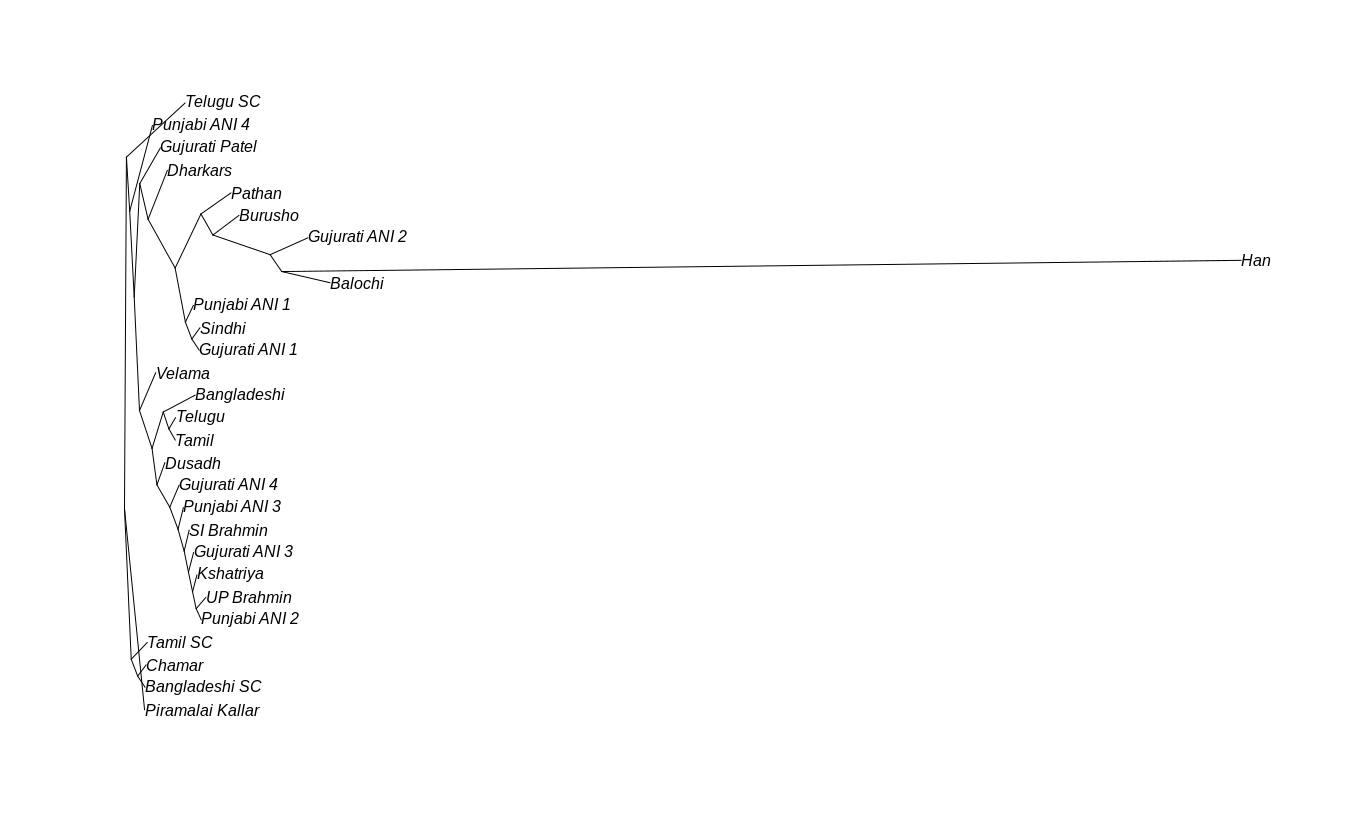
Addendum: Genetics is now making it clear to me that the matrix of “Dravidian” and “Indo-Aryan” proto-India were closely connected and emerged around the same time, probably in tension, conflict, and interaction. Religious ideas we’d term “Hindu” probably didn’t exist 4,000 years ago, but the openness of South and North India to engagement and cultural exchange in the historical period is not I think coincidental, but reflects primal commonalities derived from the tumult in the centuries after the decline of the IVC.
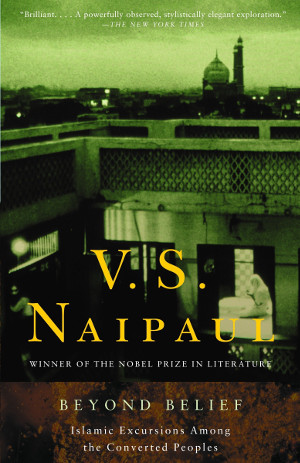
V. S. Naipaul has died

Like many I have only read Naipaul’s nonfiction. His genius, as a literary intellectual, was to distill intuitions and observations that many of us have, but compress them into more economical and clear prose.

But, in my opinion, literary intellectuals’ genius lay not in uncovering new things, but unmasking what we already knew. Therefore Naipaul never presented me a startling insight that was totally novel, and much of his analysis I later rejected upon deeper study and thought. And yet if the question is the answer, then his prose definitely opened many mental doors.

Of course, others can speak to his fiction.

Why I don’t accept the para-Munda hypothesis


There has been a discussion of Michael Witzel’s ideas in the comments below. Long familiar with his thesis that a Munda-like language was dominant in the northern Indus valley and in the Gangetic plain, I have also been long skeptical of it.

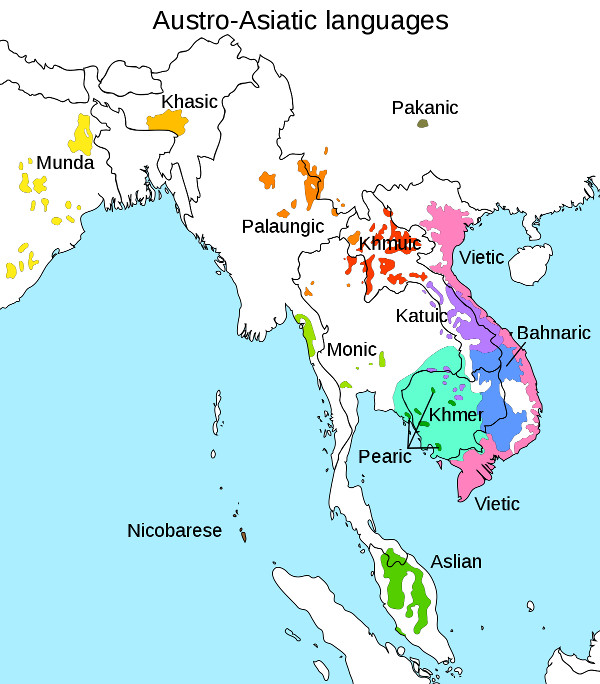
The reason for me is simple: I have聽leaned to the position that Munda are intrusive from Southeast Asia. Over the past 10 years my confidence in this proposition as grown. Let’s review

1) They speak an Austro-Asiatic language. Most Austro-Asiatic languages are in Southeast Asia and seem to have spread from the north to the south

2) The Munda have genetic signatures on the Y chromosome and some of their traits which are distinctive to East Asians and totally unrelated to any other South Asians. These genetic signatures are not found in South Asia outside of the Munda areas, and northeast India (i.e., they are not present in the Indus or Gangetic plains).

3) The most common Y chromosome of the Munda seems to be from Southeast Asia. That is, Southeast Asian lineages are basal and more diverse than the ones in India.

4) Genetic data from ancient DNA indicate that Austro-Asiatic people did not arrive in northern Vietnam until 4,000 years ago. To me this, this implies they arrived in India well after 4,000 years ago.

5) We now suspect that Indo-Aryans arrived well after 4,000 years ago to the Indus valley. The Munda and Indo-Aryans could not have met in that region 3,500 years ago in any reasonable scenario.

Let’s assume that Witzel and others are correct that the early Indo-Aryans and the languages/toponyms of the Gangetic plains do not show Dravidian influence. How could that be? It could be that in the northern Indus valley a non-Dravidian language was dominant. Consider Burusho, a linguistic isolate. Mesopotamia was long divided between a Semitic north and a Sumerian south.

Second, the genetic data seem to suggest that some Indo-Aryan groups have more AASI and more steppe than groups to their west. North Indian Brahmins vs. Sindhis are an example. To me, this is indicative of the possibility that the Indo-Aryans pushed past areas where Dravidian languages were dominant, and only AASI hunter-gatherers were flourishing. The lack of a Dravidian substrate is because聽the AASI groups the Indo-Aryans encountered were not Dravidian speakers.


Rakhigarhi sneak-peaks

Over at my other weblog, noting that the Indian press is finally starting to simply report the substantive contents of the Rakhigarhi results. As we all know the media can distort and misrepresent, so we need to be cautious and wait on the final paper, mostly because with that the authors can speak freely and without intermediation. But, I have heard through the grapevine the general results, and the results are exactly what Outlook India is currently reporting.

The Rakhigarhi samples themselves aren’t that interesting to me. But, Niraj Rai seems to be pushing the admixture event with IndoA-Aryans after 1500 BC. This could be a misquote, or, it could be that the researchers from various groups now have enough data to fine-tune their parameters so as to narrow down various admixture timing events.

Ancient India, archaeology, etc.

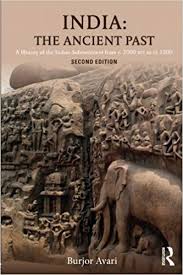
I think I have asked before, but I’m soliciting suggestions about a book on Indian prehistory, with a focus on the period between 10 and 2 thousand years ago. India: The Ancient Past: A History of the Indian Subcontinent from c. 7000 BCE to CE 1200 looks decent, but I don’t have an ability to evaluate this stuff.

The reason is pretty simple. I’ve been asked to write a book chapter on the genetics of India. The draft is written, and I think we’re 80-90% done with the genetic “big picture.” The real work is going to be in synthesizing with archaeology. To be entirely frank I’m not sure how open Indian archaeologists are going to be to the new genetics, which is not stopping at any time in the near future. So I think perhaps I should see what I can snap together myself.

Anyway, suggestions appreciated. Though keep in mind that I don’t know much archaeology and don’t care that much about ancient village plans….

On ethnicity


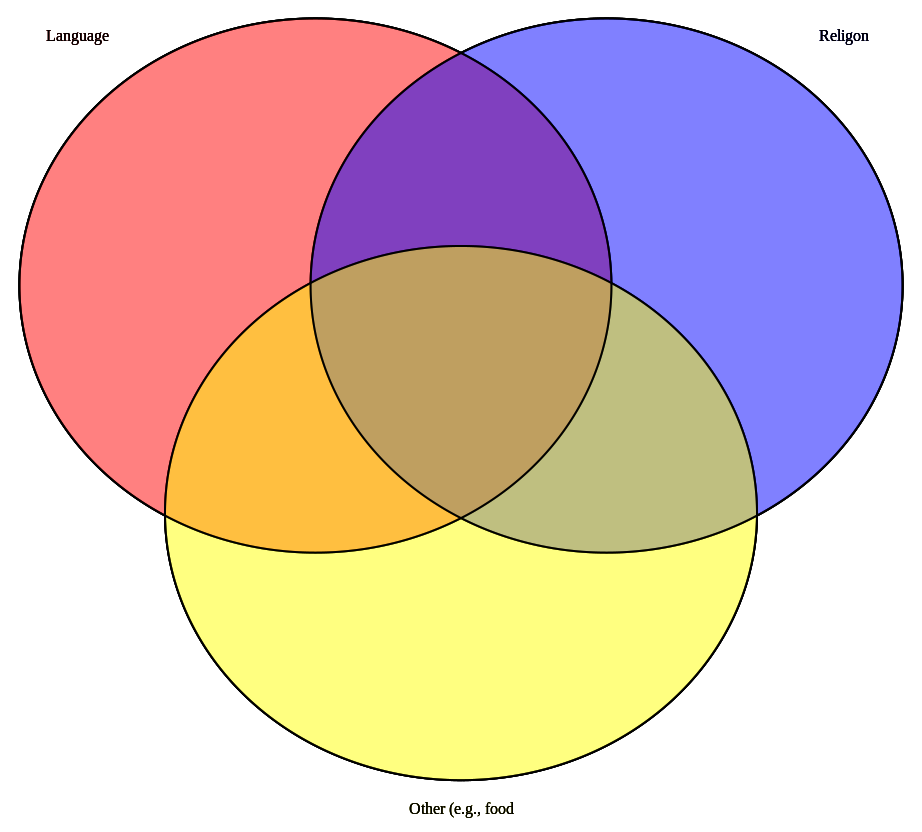
A really strange conversation on ethnicity broke out below. The primacy of lots of different variables was argued.

My family arrived in the USA ~1980 when there were not too many South Asians compared to today. Additionally, they have lived in major urban areas, small towns, and medium-sized cities. My parents grew up in (East) Pakistan, married and had their first children in Bangladesh, but have spent most of their lives now in the United States of America. Both speak English with a strong accent and are moderately religious Muslims. You wouldn’t call them secular, but neither are they visibly or ostentatiously Muslim. In American politics, they are staunch Democrats, while if they have an opinion on Bangladeshi politics they are Awami League (the ratio of discussion of American to Bangladesh politics in my family growing up was about 100 to 1 in favor the former).

Today my parents’ social circle, in a relatively聽large urban area, are Bangladeshis. Most of these people (almost all in fact) arrived in the United States much later than they did. But in the 1980s my parents had a much smaller pool of social acquaintances who were Bangladeshi. In the early 1980s, there were 15,000 Bangladeshis in New York City. Today there are probably closer to 200,000.

Here are some things I will observe in relation to my parents’ more diverse social circles in the 1980s. First, they were overwhelmingly South Asian. Those who were not South Asian were usually married in, and usually white. Second, a core group consisted of Bangladeshis. But the next group probably consisted by Indian Bengalis. A somewhat more established community. In fact, the boundary between Bangladeshis and Indian Bengalis were somewhat fluid. The two groups spoke the same language, and there was a large dietary overlap.

Next in order to the Indian Bengalis were a variety of other social clusters of South Asians that they met through various acquaintances and friends. For example, one cluster of friends consisted mostly of people from the Indian state of Andhra Pradesh, but with a large minority from other parts of India. Because there was ethnolinguistic聽diversity in this social group generally everyone spoke English, rather than Telugu, which was the most numerous language.

Another group consisted of people from Pakistan and Indian Muslims. This group also had some other token Bangladeshis. The unifying factor in this group was that all were South Asian Muslims. The de-unifying聽factor in this group is that the non-Bengalis would sometimes make the proactive case for Urdu as a unifying language, which my parents and the other Bengalis always objected to (because of their age, almost all the Bengalis in the group could follow the conversation聽in Urdu, since they grew up in Pakistan).

One issue in social circumstances with Pakistanis is that my parents found the food less palatable. This was a very important criterion for them for social interactions and a primary reason why sometimes they preferred going to parties thrown by their Hindu Bengali friends in preference to their Pakistan Muslim friends. By “less palatable”, I mean here that Pakistani cuisine was not “comfort food” for them.

My parents went to a multi-ethnic mosque several times a year. From what I could tell the South Asians kept to themselves, the Arabs kept to themselves, the Turks kept to themselves, etc. There was no real deep interaction. My parents never had any close Muslim friends who were not South Asian. In fact, we went to dinner with Chinese people (my father’s colleagues) more often than we went to dinner at a non-South Asian Muslim’s house.

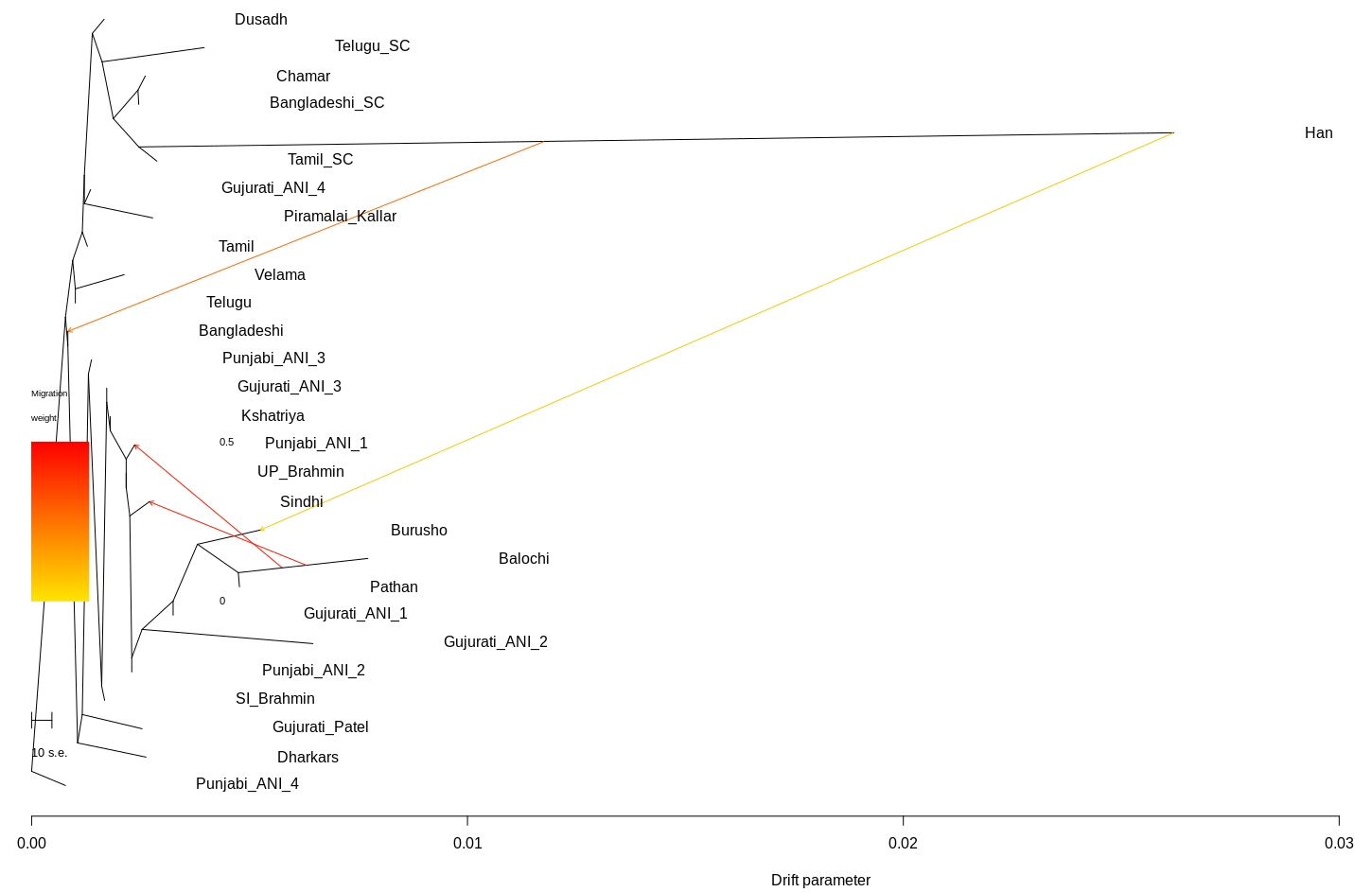
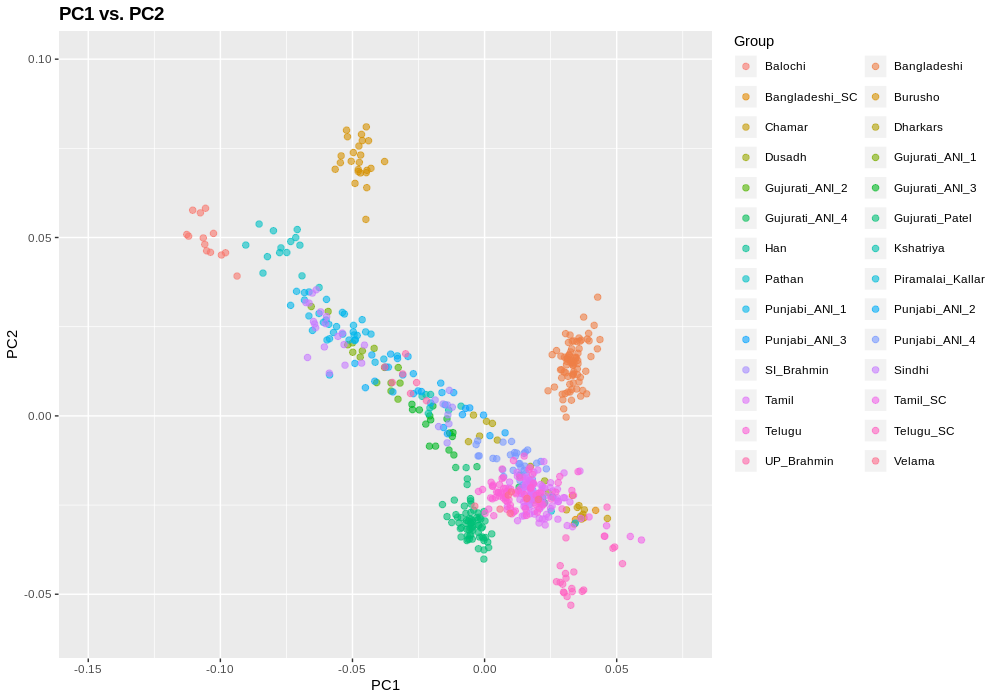
That’s about it from me. Below are some genetic plots.

Brown Pundits