On the Episode 10 of my weekly podcast The Indic Paradigm on The Indic Explorer YouTube channel, I chat with Filmmaker Vishal Chaturvedi to understand if Creative People Should be Culturally Rooted.
We shot this episode in person in his studio. This was a special podcast which we jointly produced with him and his team from The Indic Library.
The Indic Explorer YouTube channel focusses on the interplay of Indic culture with modernity explored through different facets in the socio-cultural sphere.
Do subscribe to the channel at https://www.youtube.com/theindicexplorer
On the 9th Episode Part 2 of my weekly podcast The Indic Paradigm on The Indic Explorer YouTube channel, I chat with Nityanand Misra on Issues & Challenges with Sanskrit Learning in India.
The Indic Explorer YouTube channel focusses on the interplay of Indic culture with modernity explored through different facets in the socio-cultural sphere.
Do subscribe to the channel at https://www.youtube.com/theindicexplorer
On the 9th Episode Part 1 of my weekly podcast The Indic Paradigm on The Indic Explorer YouTube channel, I chat with Nityanand Misra on The Best Practices to be followed on naming your child.
We also discussed about the new social trend called ‘The Shanaya Phenomenon’ where parents provide names which sounds cool, upwardly mobile, unique and metropolitan but have no meaning.
The Indic Explorer YouTube channel focusses on the interplay of Indic culture with modernity explored through different facets in the socio-cultural sphere.
Do subscribe to the channel at https://www.youtube.com/theindicexplorer
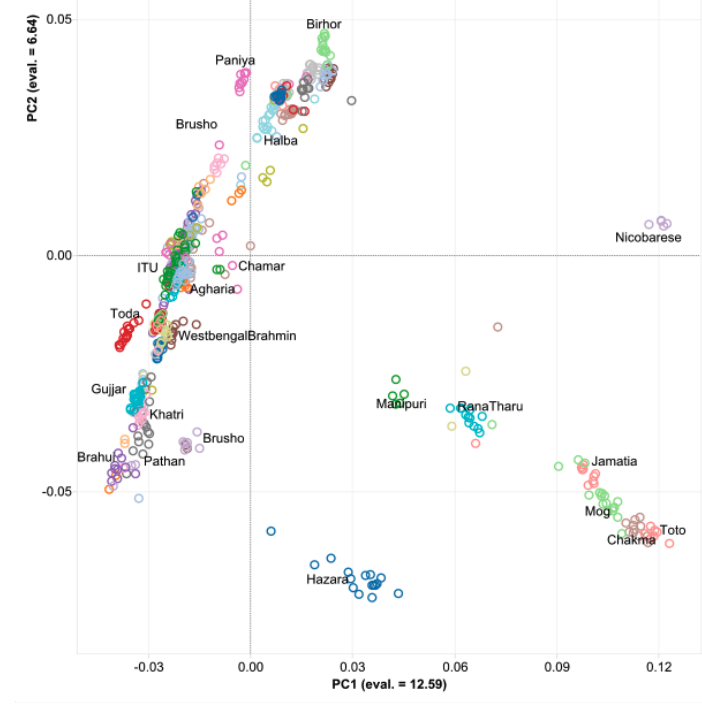
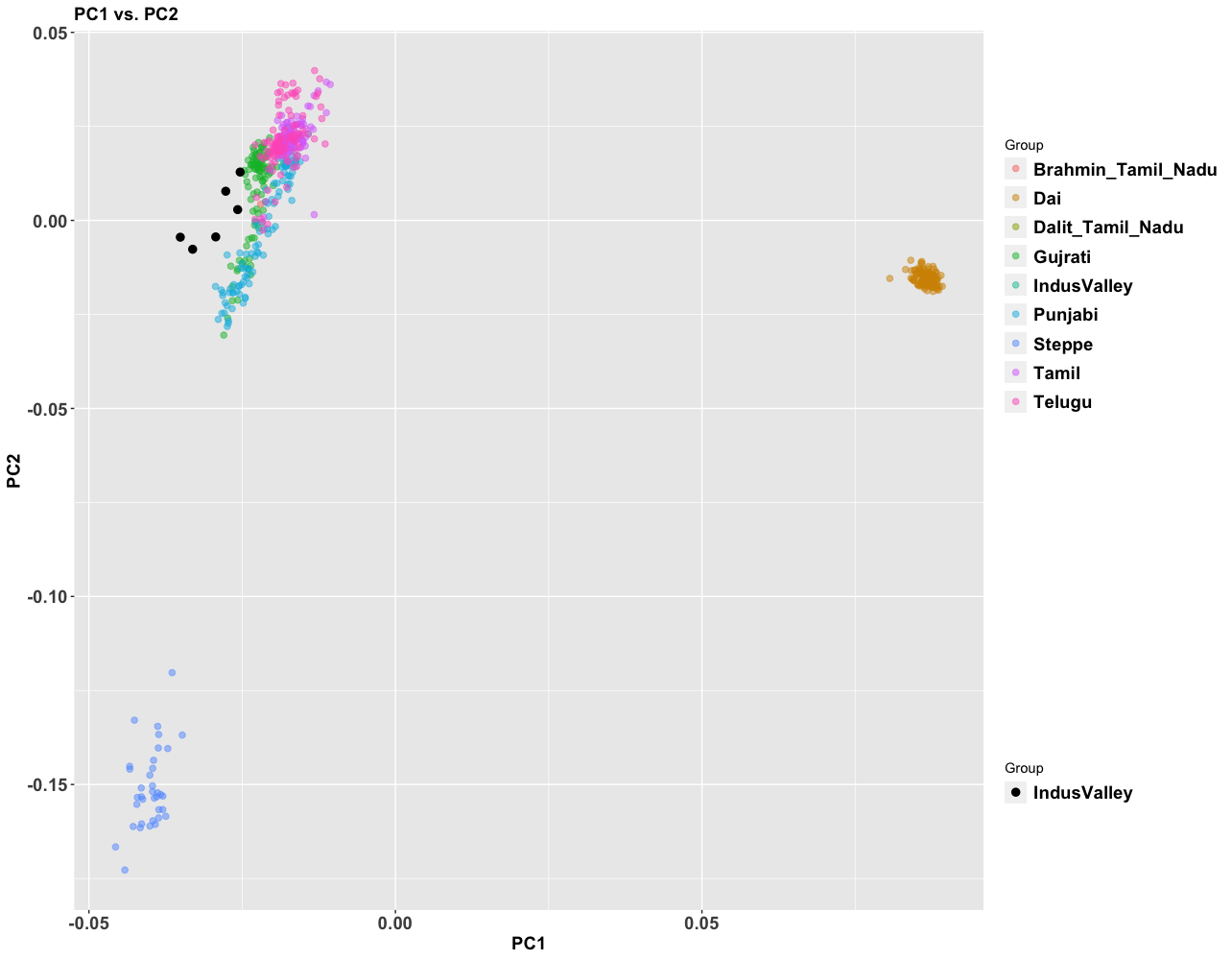
I don’t have access to the Toda samples. But there’s a lot of evidence that this is a very unique population that resembles the IVC population in having less AASI but not too much (if any) steppe.
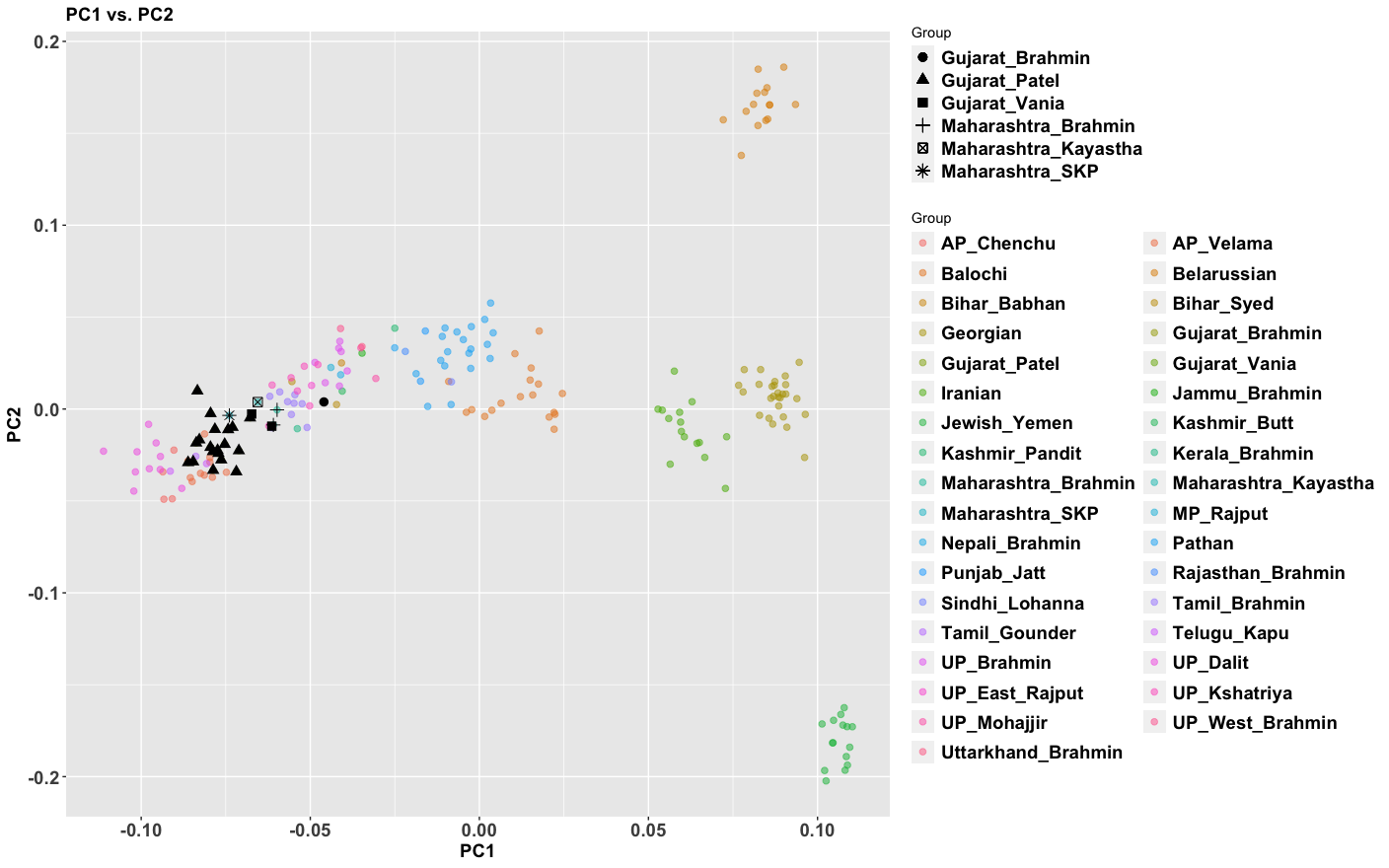
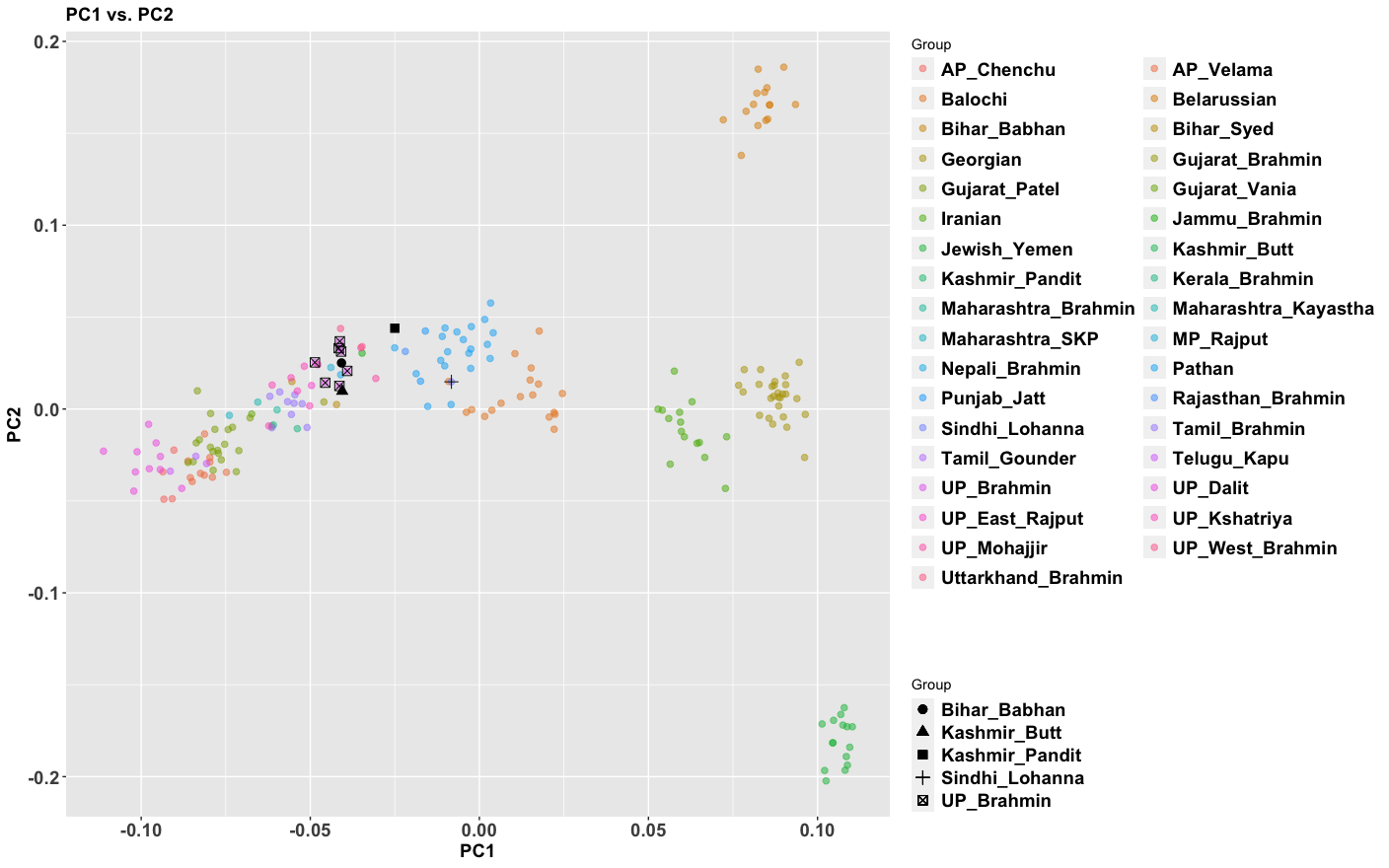
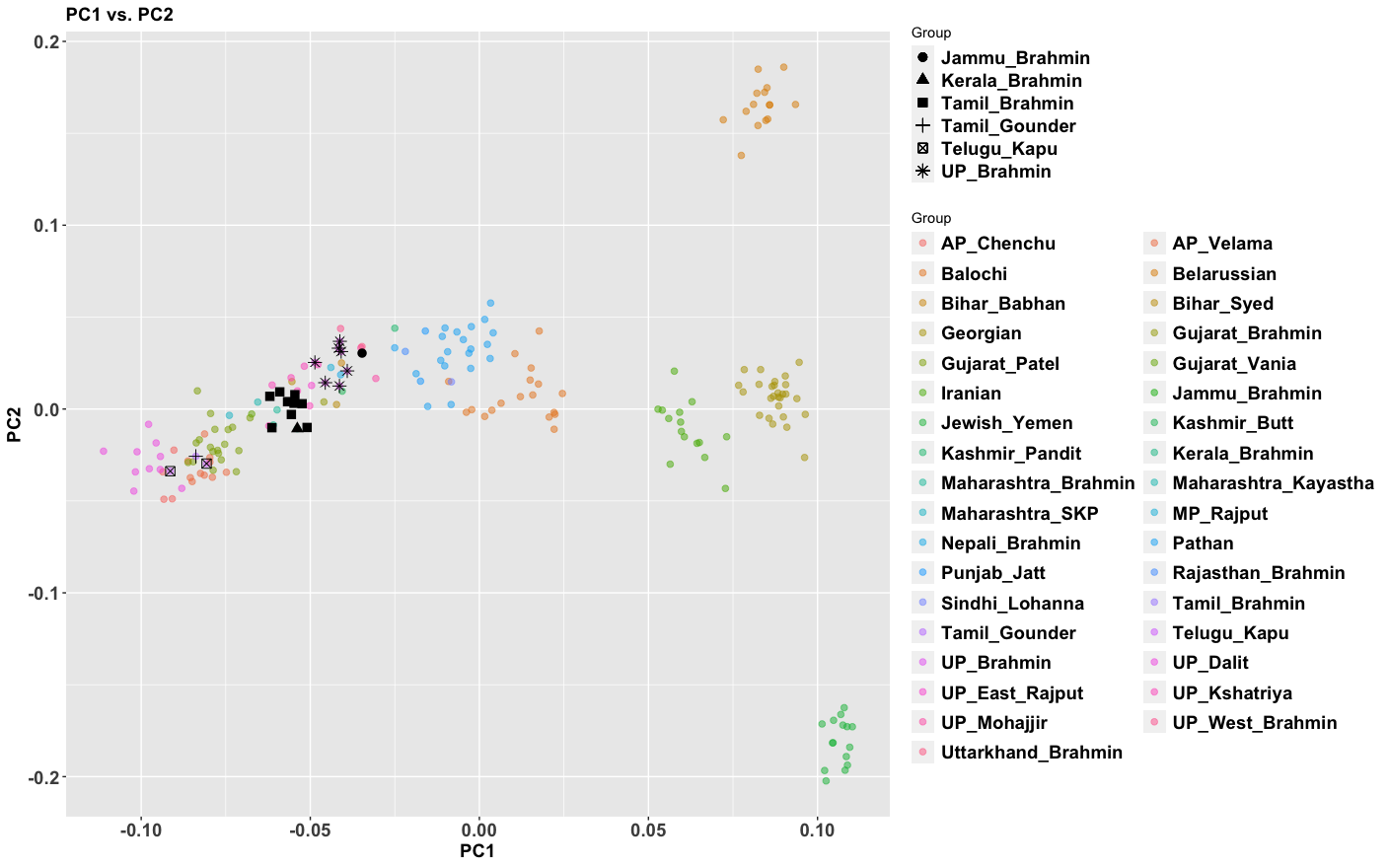
Sometimes people pass me data. Turns out Rajasthani Brahmins are quite different from UP Brahmins (more northwest-shifted). In this, they are like Pandits. In contrast, Bihar Babhans are just like UP Brahmins, who don’t seem to have much structure. Gujarati Brahmins are between South Indian Brahmins and North Indian Brahmins, and closer to the latter, while Maharashtra Brahmins seem more like South Indian Brahmins.
My previous post on Adivasis was not totally clear. So I’m going to try in shorter fragments and outline things so I’m more clear. I am not 100% correct with the model below (we’ll know more later), but this is my best current conception.
10,000 BC, end of the Ice Age, NW quadrant of the Indian subcontinent inhabited by a West Eurasian associated hunter-gatherers, related to the hunter-gatherers of the Zagros mountains in Iran, with some Siberian ancestry. The other three quadrants are dominated by hunter-gatherers with deep (40,000 years diverged) associations with East Eurasians and Australo-Melanesians. These “Ancient Ancestral South Indians” (AASI) seem to have separated from the Andaman Islanders (AI) more than 30-35,000 years ago, but the AI are their closest current relatives (AI-related populations were dominant in mainland Southeast Asia until 4,000 years ago, when rice farmers from southern China migrated into the region).
Between 7,000 and 4,000 years ago extensive admixture occurred within the IVC zone in the NW between the IVC-Iranian-related population and AASI groups moving northwest. The resultant population was far more Iranian-related than AASI (say 10-20% AASI), and these people eventually became the “Indus Valley Civilization.
To the south and east the AASI populations probably did experience reciprocal gene flow at the same time, as Iranian-related populations spread south and east
Why this distinction? I believe during the late Pleistocene the Thar desert was larger and more forbidding and blocked gene flow between the easternmost West Eurasians and westernmost East Eurasians.
Steppe ancestry likely does not show up until after 2000 BC.
I believe there was a Dravidian language spoken in Sindh, and later Gujarat and Maharashtra. These populations spread southward before and after 2000 BC, and eventually, they mixed with all the AASI groups in the same.
In the period between 2000 and 1 BC there is more and more mixing and the arrival of steppe populations that become culturally ascendant across the subcontinent. In the south, the Dravidian-speaking zone, there is a distinction between post-IVC populations that engage with the expanding Indo-Aryans and those that do not engage with the Indo-Aryans
The period between 2000 and 1 BC is essential. In some areas, like the NW, large numbers of steppe people settled, and imposed their language and culture, albeit in synthesis with the local populations, who would be mostly IVC. While the IVC seems to have expanded only gingerly into the upper Gangetic plain and Gujarat, the Indo-Aryans pushed into the eastern zones, and parts of the south. The fact that Adivasi in the south have the canonically Indo-Aryan R1a-Z93 indicates that young bands of Indo-Aryan men penetrated all across the subcontinent. Their genetic imprint is clear in non-Brahmin southern groups like the Reddys, so they were ubiquitous.
But it is culture that matters more. The synthesis that developed in Punjab and Upper Gangetic plain eventually spread across the whole subcontinent and explains why Sangam literature has Sanskrit loanwords. The distinction between Adivasi and caste Hindu emerges from the distance to the expanding proto-Hindu culture based on a core of Aryan culture with indigenous accretions. This was a diverse religious and cultural matrix, but there were broad family similarities, and again, the Sangam literature alludes to “brahmins,” indicating that there was an early penetration of Aryan ritualists in the south. The Adivasi emerges not as a relict or the remnant of an early population, but as a set of societies at one of the spectra of the Aryan-indigenous synthesis that characterized the subcontinent.
The Aryan can become an Adivasi, as is attested by the Aryan men who clearly integrated themselves into those communities and lost their cultural distinctiveness. Similarly, Adivasis can become caste Hindus by adopting the norms of caste Hindus.
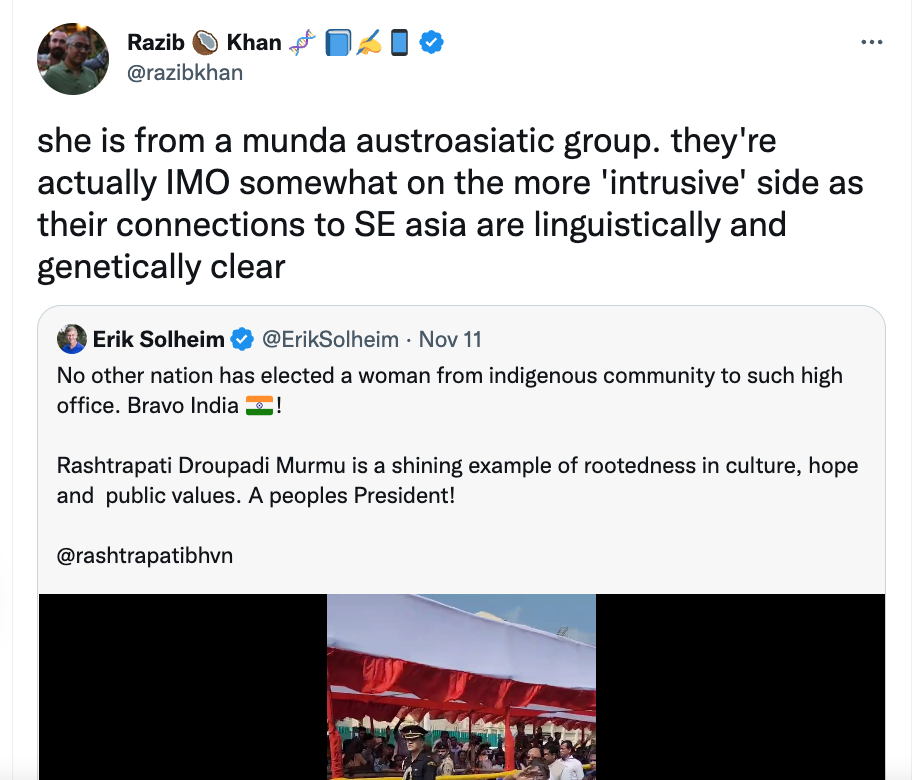
Periodically I get questions about whether the Adivasi are the “indigenous” people of the Indian subcontinent. The short answer is that they are not distinctive or more indigenous than most of their non-Adivasi neighbors. The President of India is from a Munda-speaking community, and these populations are arguably more culturally intrusive than Indo-Aryan or Dravidian-speaking populations.
More concretely, between about 4000 BC and 1 AD mixing occurred between many populations in the continent. Populations with West Eurasian affinities, with their closest relatives being the indigenous peoples of western Iran, expanded south and east from the Indus Valley zone. Meanwhile, populations with deep East Eurasian affinities, with the closest ties to the people of the Andaman Islands, seem to have pushed north and west. The Swat Valley transect shows increased steppe and “Ancient Ancestral South Indian” (AASI) ancestry over time, pointing to the integration of the subcontinent genetically and culture before 1 AD.
The highest proportion of the AASI ancestry in the mainland can be found among the Paniya and Paliyan tribes of the south, at about 75%. But even here 25% of the ancestry is attributable to the Indus Valley people. The Adivasi are not relict populations but emerge out of the same synthetic forces that resulted in groups like the Reddy or Patidar. Genetically they tend to have more AASI ancestry, but the same is true of many other groups.
Rather, the uniqueness of Adivasi seems to be their distance and marginalization from the Indo-Aryan-inflected societies that developed after 2000 BC. This includes the Dravidian-speaking cultures of the south, as even early Tamil had Sanskrit influences. In contrast, the Adivasi remained more insulated from these influences. The Munda in particular are distinct because not only do they speak a language that is more similar to Austro-Asiatic peoples of Southeast Asia, but their paternal lineage tends to be Southeast Asian. And, it is notable to me that Munda is almost entirely absent in Y chromosomal lineage R1a-Z93. I think this indicates that not only were they marginalized from broader Indic civilization, with distinct mythologies and folkways, but they marginalized and excluded outsiders as well from their solidities.
Sometimes in these comments or on social media, I see Hindus bemoan the passivity and weakness of their religion in the face of faiths with greater vigor and asabiyyah. This is such a common occurrence that I don’t often comment on it. But I have to say ironically that these sorts of comments exhibit a narrowness of perception, and a broader cultural involution, that typifies so many Hindus and is why they are often caught flatfooted against the partisans of other religions, usually Christianity and Islam.
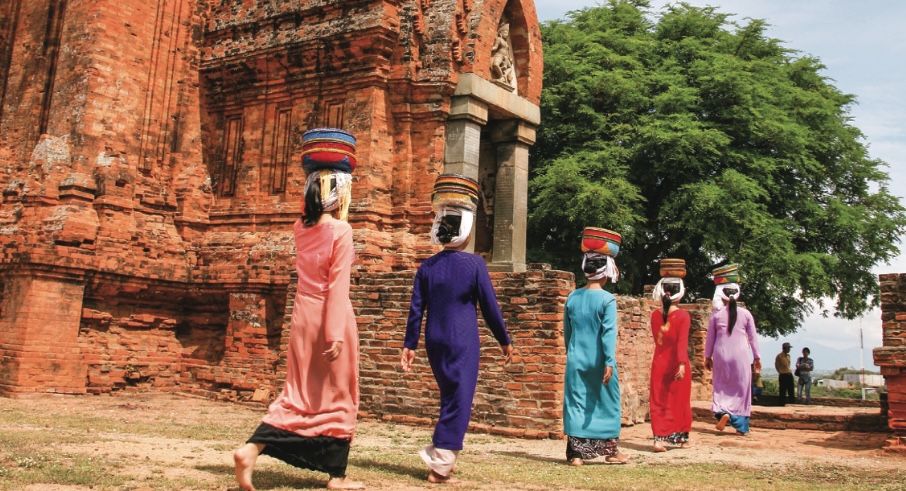
First, there are 1.2 billion Hindus in the world. There is no near-term future where Hinduism will go extinct. And this number of Hindus is the very source of the religion’s likely rebirth: evolution operates upon heritable variation to drive adaptation and change. In a cultural sense, Hinduism has a great deal of variation, whether it be obscure ethnicities like the Cham Hindus of Vietnam, or the expansion of ISKCON around the world.
ISKCON itself is interesting because its reactions illustrate the weakness and likely end of some forms of Hinduism in the Diaspora, and likely ultimately in India itself. Though from what I can tell ISKCON does exhibit a level of unpalatable cultishness, some of its orthodox Indian Hindu critics exhibit a literal reactionary mindset that illustrates why many forms of this religion are not long for this world. After the hammer blow of Islam in the Indian subcontinent around 1200 AD Indian religious traditions, what we call Hinduism, nevertheless preserved and survived. This very fact illustrates a robustness that was lacking in Near Eastern Christianity and Zoroastrianism. But that survival likely depended upon particular Indian institutions, like jati-varna, that were decentralized and flexible in a manner that allowed Hinduism not to be decapitated in the same manner that Persian Christianity and Zoroastrianism were in the centuries after the Islamic conquest.
The centuries of dhimmitude transformed Hinduism into a far more Indian religion than it was in 500 AD. This may sound strange, but the genetic and cultural evidence are clear that a massive cultural extension of Hindu Indian civilization existed in Southeast Asia during this period. If Islam had not interposed itself, and India itself become part of the Dar-ul-Islam during the medieval period, it is quite plausible that a Hindu-Buddhism dharmic condominium may have emerged from the Indus to the Gulf of Tonkin over the last few thousand years.
But that is not what happened. At the same time as the Turco-Muslims invaded India maritime Southeast Asia began to realign itself with the Islamic international, a trade network that was beginning to dominate the Indian ocean. After 1500 most of the Hindu kingdoms collapsed and turned to Islam (with Bali and Champa being the exceptions). The geographic purview of the religions that ultimately drew from the Vedic traditions became constrained, and within India cultural adaptations emerged that allowed the religion to resist the stress tests of Islam.
The centuries after the fall of the Mughals the rise of the British, and now the rise to political domination by Hindutva, are creating new cultural configurations. Many Hindus retain the cultural mindset of the past, denying that Hinduism proselytizes when the very faces of the Balinese illustrate that this was not so in the past. These traditionalists assert jati-varna in a time when even within India inter-caste marriage is eroding the power of this communalism gradually but inevitably. They also deny that non-Indians can ever be genuinely authentically Hindu, even when those non-Indians oftentimes show a vigor of belief and practice that put Indians to the same.
Those who value purity above all else will slowly fade and diminish as they look back to the past. A new future comes, and we don’t know what it will be, but cultures are resilient.
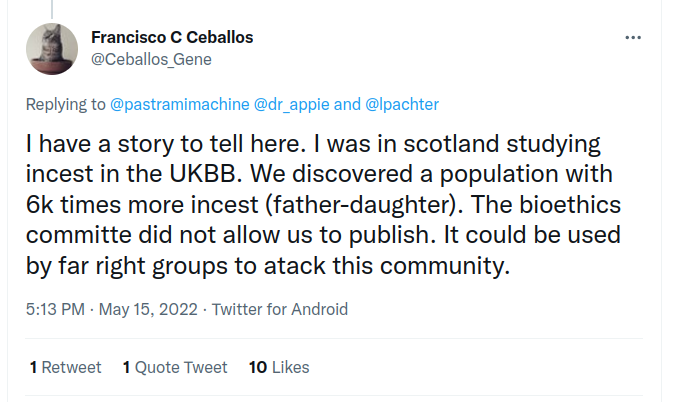
One of the problems with “traditional” familial and cultural systems is the level of depravity they can mask. This is not a “slam dunk” argument against them, but it is a real thing. The suppression of the evidence of clear sexual abuse in a certain community in the UK in the service of preventing negative stereotypes seems to be a case where the lives and misery of young girls in these communities are not accounted for in the same way as those from more mainstream subcultures. You can see exactly how Rotherham happened, though in that case, the girls targeted were explicit outgroups.
(this not even an explicitly communal point, as Hindu women have routinely complained about the “perverted uncle” problem in joint-families)