
What’s going on?
Tibeto-Burman admixture into Bengalis
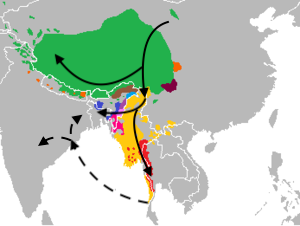
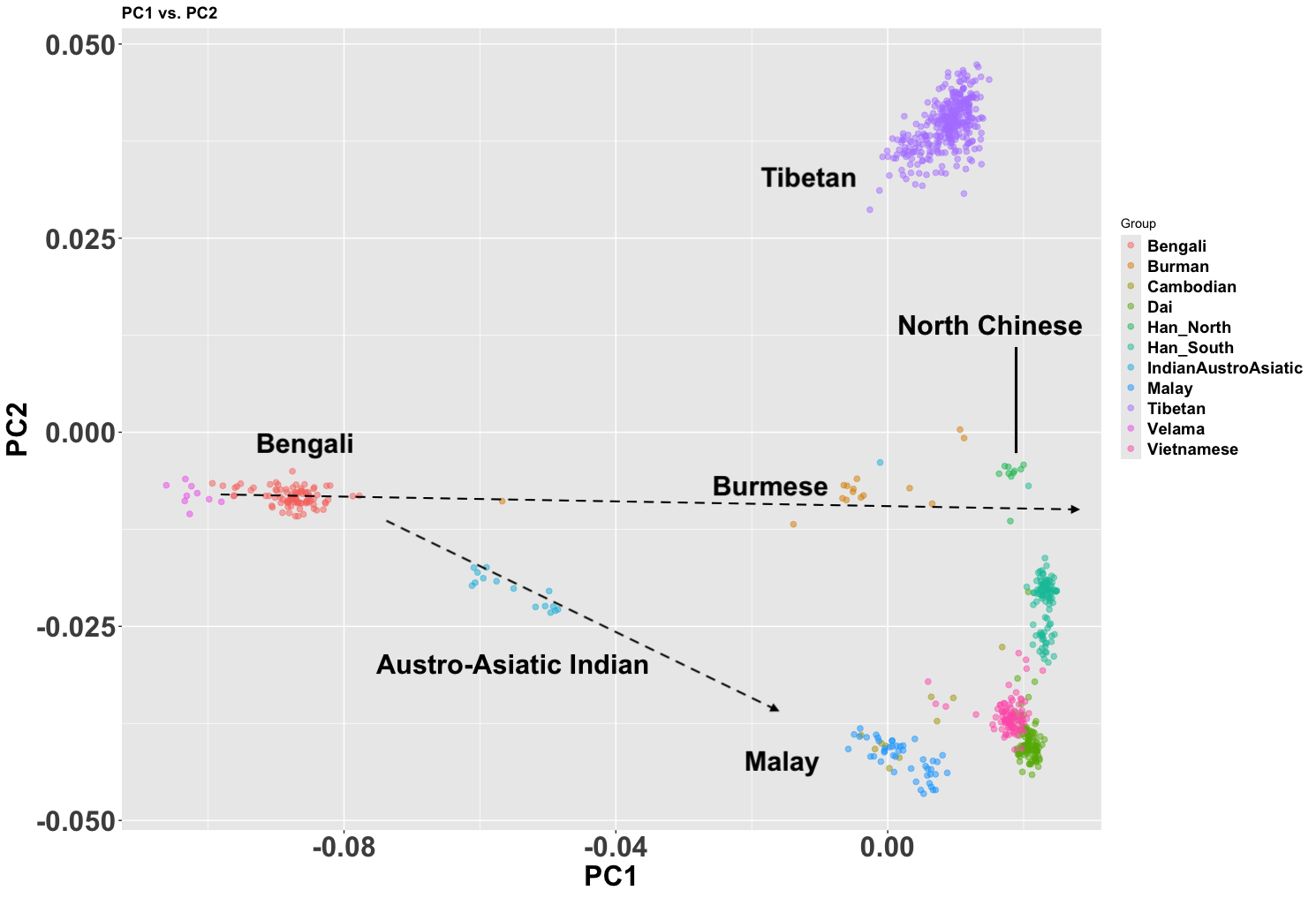
Doing some reading about the Tibetans for a post for my Substack, and I decide to look around and find some Tibetan genotypes. I went back to a question that has come up before, who contributed the East Asian ancestry into Bengalis? Austro-Asiatics or Tibeto-Burmans?
It’s clearly Tibeto-Burmans.
Bangladesh podcast # 2 -Regime Change; The Fall of Sheikh Haseena and its Consequences
It will also be on Apple Podcasts and Spotify. as well as on Libsyn and a variety of other platforms.
In this podcast we talk to two Bangladeshi expats who have been involved in recent pro-democracy activism within the BD diaspora. Dr Shafiqur Rahman is a political scientist who teaches in Vancouver. Mr Jyoti Rahman is an activist and blogger who is also an economist and a fiscal policy expert who has worked with the IMF and other institutions. We asked them about what is happening in BD and how this is likely to play out in the coming days..
If you want to support the costs for hosting and Zencastr, you can give to my Patreon.
Bangladesh podcast (a second one will be recorded in two days)
It will also be on Apple Podcasts and Spotify.
If you want to support the costs for hosting and Zencastr, you can give to my Patreon.
Thoughts on the “Model Minority Myth” Discourse
Reproducing a recent (slightly edited) tweet in full, originally written in response this article:
Yes, I read your piece, and I’ve read countless others like it over the last decade. That Indian Americans are a “model minority” is not a myth, it’s a statement of fact that is apparent to anyone who has taken even a cursory look at the community’s social/economic outcomes in recent decades as measured by any reasonable metric. It’s not culturally chauvinistic or triumphalist to point this out. There is an important conversation to be had about the structural factors that enabled this including, e.g., inequities in Indian society and American immigration policy (so-called “double selection”), but it is also apparent that our success as a community in recent decades has been a product of both the openness and economic dynamism of American society and the Indian community’s emphasis on financial success, educational attainment, and family stability. That this picture doesn’t capture the diaspora community as a whole is obvious, but it doesn’t have to. That’s why we use averages.
The assertion that the model minority is a “myth” is not an empirical argument, but an ideological one, and in my view it reflects an underlying anxiety among Indian Americans regarding their position in the elite left/democratic coalition. On the one hand, Indian Americans enjoy socio-economic outcomes that surpass those of the average white American, but on the other hand we are from a post-colonial country, are brown, largely non-Christian, etc. and therefore have a natural affinity to the “POC” coalition. It’s a tenuous position to be sure, and the result is an emergent elite that feels the need to apologize for the community’s success, to be embarrassed of it, or to attribute it to wholly structural factors. Even more pernicious is the characterization of certain cultural values that enabled our success in the first place as “White, Christian” measures of success. This is nonsensical and dismissive of the struggles of first generation immigrants who escaped destitution and successfully created a better life for themselves and their families.
The success of Indian Americans in recent decades throws a wrench in the American racial binary (in fact this has been the case since Bhagat Singh Thind), but it also casts doubt on the prevailing ideological shibboleths of the left, namely that America is a white supremacist country, that we are all victims of structural racism, etc. Look, these critiques of American society might have some truth to them, but Indian Americans are not convincing spokespeople for a view that is so at odds with our own experience. To pretend otherwise is to try and fit a square peg in a round hole. So when someone holds up Indian Americans as “ideal” or “model” immigrants, this aggravates the anxiety, because it reveals the truth that our community’s success has been enabled by a political and social culture that many Indian Americans are ideologically compelled to condemn as fundamentally inequitable.
What is most ironic, however, is that the result is often not considered reflection on these ideological axioms, but rather the construction of a “model minority” of their own. The dutiful, hard-working immigrant who is grateful to their adopted country and a model for other immigrants is rejected as a normative ideal in favor of the committed ally who recognizes their privilege and dutifully subordinates the lessons of their own experience and culture to the demands of the coalition. Those who dissent from this model are increasingly condemned as some sort of traitors to the “culture” or, increasingly, “hindu supremacists.” I’d like to think there’s a third path, one that unabashedly celebrates Indian American success and the society and culture that enabled it, while also thinking critically about how Indian Americans can leverage that success to contribute to the national fabric in a way that does not require ritual self-flagellation as a demonstration of political and ideological loyalty.
Major Amin: How the British Ruled India (and the USA failed in Afg)
Some Musings from Major Amin.
What the US could learn from the British ? An English Private Company Conquered India and Chastised Afghanistan not by superior weapons but a superior strategy
Agha H Amin
What the US could learn from the British
• July 2024
When I researched the English East India Companys history of conquest of India I arrived at the following conclusions :—
1. An army which was 80 % native was used to win the battles against Indians,Nepalis,Bumese,
2. The weapons used were almost similar although the company had an edge in superior strategy, superior tactics, better synchronisation of firepower and movement, superior naval power.
3. After 1780 native states also increasingly mastered European way of warfare that were then considered the best in the world through increased use of European military instructors.
4. However superior diplomacy and superior naval power to switch troops worked in companys favour.
5. The elimination of French naval power after the 1789 revolution also removed the only major naval threat to the English company.This was significant as it is questionable if the Americans could ever have won their War of Independence without French naval support. It was lack of naval interdiction which enabled the British to deploy the biggest army in British history to India in 1858. An army bigger than those used in Europe or the Americas till that date.
6. The companys costs of war were low as native troops constituted 80 % of the army and were very low paid as compared to private european troops or British Army regiments hired for India.
7. It was superior strategy and diplomacy through which the British held India in First World War with just 15,000 troops.
8. It was a superior system under which Indian Army with a large Muslim component was successfully employed against Muslim states like Iran, Turkey, Afghanistan etc.
9. Brilliant employment of the old Roman strategy of Divide et Impera or Divide and Rule enabled the British to control India with a very small British military presence and a corp d elite of just 500 civilians who made key decisions.
10. Various races and ethnicities and religions and sects were brilliantly pitched against each other and a healthy balance was maintained.
11. Afghanistan’s government was controlled with just a small personal retainer to the Afghan king of about 15 Lakh Rupees per year by a private company. Afghanistans foreign relations were kept subservient to the British successfully from 1842 to 1919 and the Nadir Shah dynasty was also installed in Afghanistan in 1929 with British largesse.
12. A small example of setting things right by attacking the centre of gravity. In the 1890s and 1900s it was seen that foreign weapons were arriving in North West India. The origin appeared to be Oman . A naval squadron was deployed and the weapons supply route cut.
13. In 1850-1880 the religious militancy threat was eliminated by creating new sects and religions and infiltrating 80 % of Indian Muslim religious scholars and Mullahs.
14. German efforts to use Afghanistan as a base were totally defeated in Afghanistan.
15. Russian efforts to woo Afghanistan were firmly checked from 1839 to 1947 with a gap of 1919-29 when Afghanistan was hostile.
16. Brave enemies like Nepal were treated with chivalry and their manpower used in British Indian Army as a corp d elite.
17. Brave enemies like Sikhs were specially cultivated and recruited in the army and they proved a strategic asset against any Muslim uprisings .
18. Punjabi Muslims were correctly identified as politically docile and militarily useful and used as mercenaries in the army , sometimes as a counter balance against Sikhs who became increasingly anti British after 1918.
19. Their government was just at non political level, financially clean, forgiving politically, but eliminating ruthlessly where their enemies were regarded as a threat. Thus they treated Afghan kings and opponents chivalrously and gave them estates in their exile in India.However where they saw an enemy who was irreconcilable even that enemys body was destroyed and his place of burial kept secret and his houses raised to ground level as with Pir of Pagara in 1942.
20. Their policy was executed by administrators mostly from British aristocracy but younger sons who could not acquire the family estate ! Educated in Roman and Greek classics who understood how the Roman Empire was run.
21. A relative remembers how the civil servants in the academy were taught how to deal with each man differently !
22. The foundation of British rule was justice at basic level , creating good rural infrastructure , reward of lands and estates to loyal classes ,sophisticated intelligence , divide and rule,maximum use of natives , rewarding old foes if it was politically sound and exreme Machiavellianism at policy level.
23. All intelligence records were destroyed on transfer of power in India leaving no clue for future analysts ! A relative in the Indian Intelligence supervised burning of some records !
DIFFERENCE BETWEEN BRITISH AND US POLICY
• THE US UNITED THEIR ENEMIES INSTEAD OF DIVIDING THEM.
• THE US RELIED ON UNRELIABLE AND DOUBLE DEALING STATES LIKE PAKISTAN WHICH COMPROMISED ALL ITS STRATEGIC INTERESTS.
• THE US FAILED TO RELY ON SMALLER BUT MORE SECULAR AND STRATEGICALLY RELIABLE ETHNICITIES LIKE THE KURD, BALOCH , HAZARA, UZBEK ETC.
• THE US FAILED TO INTERDICT AND DESTROY THE FINANCIAL AND LOGISTIC SUPPLY LINE OF INSURGENTS.
A Conversation on World Cinema

“It was not the best of times , it was the worst of times , it was not the season of light , it was the season of darkness , it was not the spring of hope , it was the winter of despair ” I am talking about the 2020-2021 period when the world was battling Covid.. Like the rest of the world I too was stuck in my house , hearing bad news after other and trying to put on a brave face . Cricket briefly for a few months , the great India tour of Australia ending with the great heist at Gabba gave us moments of great joy but such events were few and far in between.
It was in this background that , for my motley set of old classmates and fellow “Cricket Tragics” as we called ourselves had a blast , thanks to Bansi ( Ajay Bansiwal) one of our founding members , who took us through a masterclass of World Cinema. He is a movie buff , one of the lucky few whose day job also involves movies and he has a treasure trove of great world movies – that were non English and Non Indian Language and gave us a sampling of great movies across various languages – Korean , Scandinavian , European and such. These were not “High Brow” art movies , in the situation that we were with near and dear and friend and colleagues all suffering , all of us needed some escapist fantasy without compromising on our aesthetics. So the movies Bansi recommended were not sad or serious movies even though they took upon real and serious issues but always in a entertaining “masala” way or as a black comedy. These are all as Desi or Indian as movies can be only in languages and cultures that are vastly different from us. Sort of gives us the reaffirmation that human emotions are rather universal !
In this podcast , Bansi and I talk about 15-20 such movies in no particular order of priority – the only common theme being , we enjoyed watching all of these possibly the most. These range from hard core violent Revenge movies to Slow Burn Crime Thrillers set in Argentina to absurdist black comedies and some picture perfect French work of art movies ! We have tried not to share spoilers in most cases and hope to hook you enough to make you search for these movies and have as much fun seeing them and discussing them as we had . These prove that a good yarn well narrated is always engrossing whatever language it be in or the culture or country it is based in !
The Movies discussed are
Sympathy for Mr Vengeance – Korean
Oldboy – Korean
Lady Vengeance – Korean
Memories of murder – Korean
Barking dogs never bite – Korean
I saw the devil – Korean
Welcome to Dongmakdol – Korean
Secretly Greatly – Korean
In China they eat dogs – Danish
Adam’s apples – Danish
Department Q series -Danish
The Alzheimer case – Dutch – Belgian Movie
Micmacs – French
Welcome to the Sticks – French
The band’s visit – Arabic/Hebrew – Israeli Movie
Marshland – Spanish
Nine Queens – Spanish – Argentinean Movie
Killing Cabos – Spanish Mexican Movie
Two rabbits – Portuguese – Brazilian Movie
The man who copied – Portuguese – Brazilian Movie
Open Thread – 7/19/2024 – Brown Pundits
What’s going on?
Browncast: Major Amin on Current Events

Another Browncast is up. You can listen on Libsyn, Apple, Spotify (and a variety of other platforms). Probably the easiest way to keep up the podcast since we don’t have a regular schedule is to subscribe to one of the links above!
In this episode I chat with our regular guest, Military Historian Major Agha Humayun Amin, but we dont touch on military history in this episode. Instead I asked his opinion on the Trump assassination attempt (he admires Trump), the war in Ukraine, Gaza, Pakistan, India, etc. Enjoy. Comments welcome.
Have the Ambanis jumped the shark?
Radhika and Anant Ambani finally get married. Mind you their wedding festivites, all in all, started in March of this year. So it essentially stretched on for months.
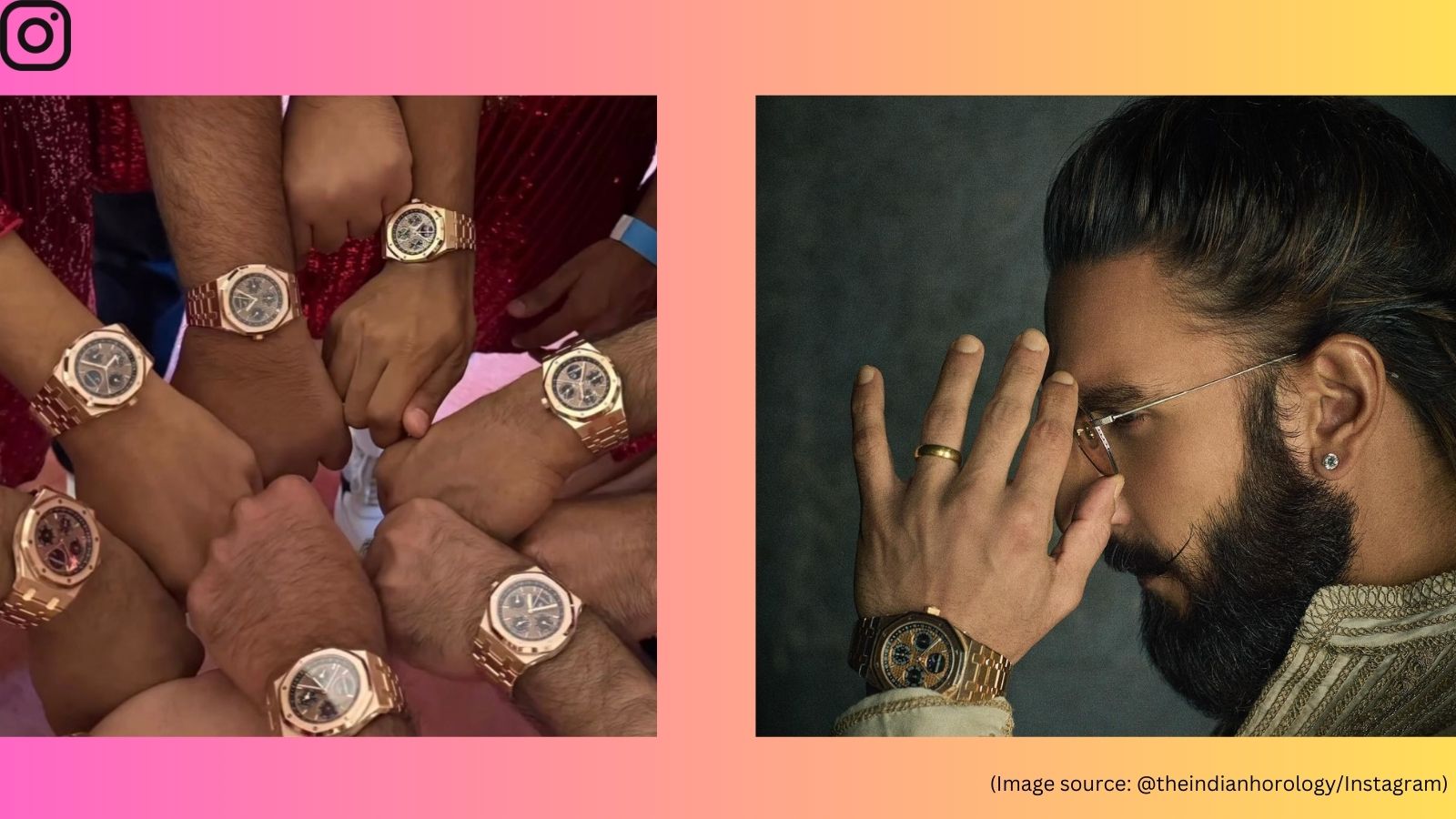
The latest news today is that Anant gifted his 10 groomsmen, limited edition luxury watches (only 25 pieces), worth $250,000 apiece.

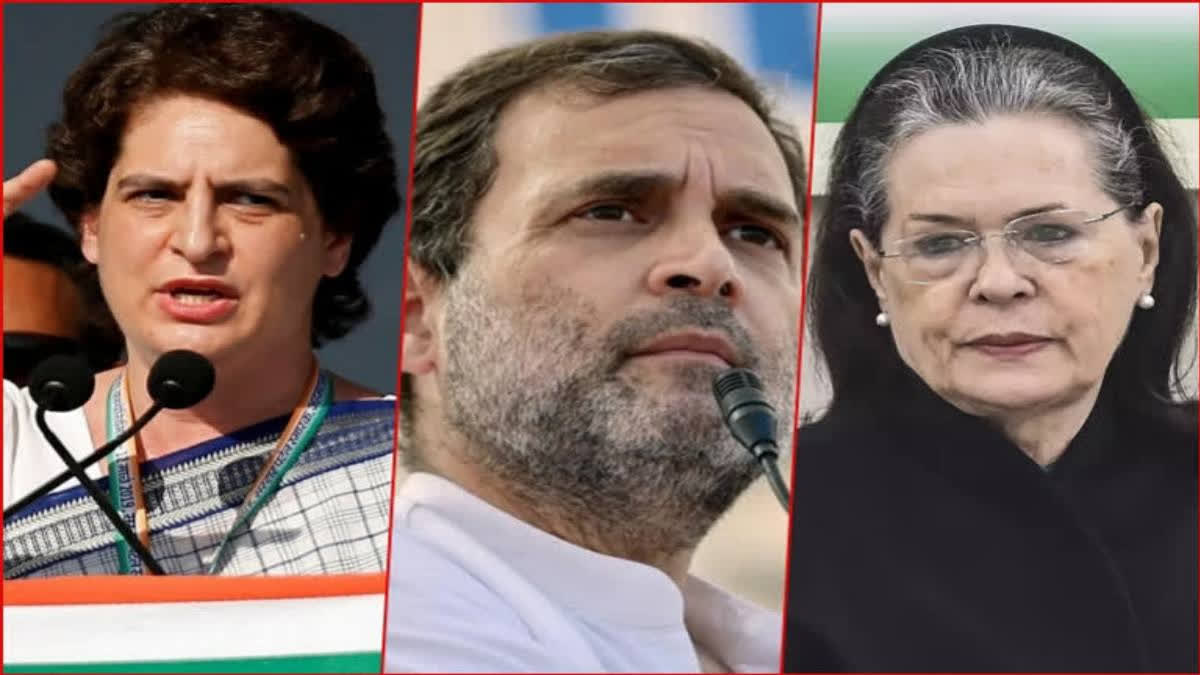
I wish the Ambanis the very best that life has to offer but I’m reflecting that this might go some way in explaining as to why the BJP’s electoral results were so much poorer than expected. I also note that the Gandhis refused to attend the wedding; in a way one can’t buy the attendance of blue bloods?
I’m sounding slightly Waspish here (what to do I live between the two Cambridges) but such excessive and extravagant displays of wealth seems only focused on pleasure and leisure. What I would have much preferred is some old decrepit part of India sensitively restored for the wedding; where is the investment in the country itself.
One could argue that the Ambanis are the very essence and marrow of India then why are they partaking in foreign luxury brands and not patronising in domestic industries.

These are just questions that I’m asking since after all this is easily the most expensive wedding on the planet and history; Mukesh Ambani has spent $600 million on this entire escapade (0.5% of the Ambani family wealth?).
We also had a rather nice wedding but above all it interwove taste, class, tradition with a touch of opulence.
Noblesse obligee demands those who are fortunate to reflect on what they are able to give back to society; one cannot but remember that European nobility patronised the Great Masters, Mozart, Brahms and other such brilliant art. Even Shah Jahan, who was not the wisest or sanest of rules, at least built the tear on the cheek of eternity.
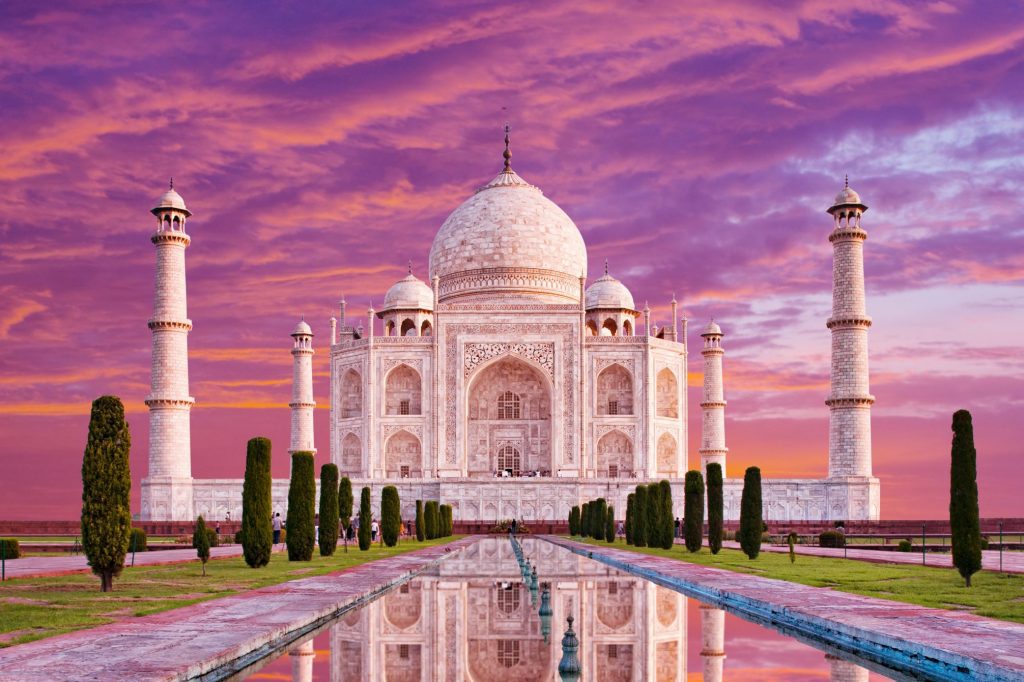
What has emerged from Anant’s wedding that will stand the test of time?