Capsule Review: The Verge, by Patrick Wyman


The verge is a short and very readable account of an early phase in the rise of modern Europe, from 1490 to 1530 or so. Wyman has selected a cast of characters including Columbus, Ferdinand and Isabella, Martin Luther, the banker Jacob Fugger, various printers, Emperor Charles V and Suleyman the magnificent; and he uses their stories to weave a story of how the foundations of modern Europe (and by extension, of modernity itself) were laid by the fortuitous intersection of many small and big changes. The invention of printing, the rise of modern finance, the rise of professional military men, the reformation, all these played a role in creating the modern states of Western Europe; states that soon outclassed all competitors and eventually dominated the entire globe. If there is one factor that gets star billing in this book, it is the financial innovations that allowed Western European monarchies to tap more capital in more innovative ways, but the whole point is that no one magic factor drove the great divergence; many different factors came together to set the stage for it. The book is very well written and Wyman has a eye for interesting anecdotes and factoids that keep the reader engaged and interested. Well worth a read.

If you are interested in learning more, Razib Khan has a good review in the National Review: https://www.nationalreview.com/2021/0… (less)

Capsule Review: The Jewish Brigade

The Jewish Brigade is a graphic novel from Dead Reckoning, a division of the Naval Institute Press. It is the (fictional) story of two soldiers in the Jewish Brigade of the British army, an actual unit that was raised in 1944 and that fought for a few months in Italy before the war ended. After service in occupied Europe for a while, the brigade was disbanded in 1946. Some of its members helped organize assistance for Jewish holocaust survivors in Europe, including arranging travel to Palestine for some of them. Many of these volunteers ended up in the Haganah and the Jewish army that fought the first Arab-Israeli war in 1948. The author has used this historical background to create the 3 stories that make up this graphic novel.

In the first two, our heroes are members of the Jewish Brigade in occupied Europe immediately after the end of the war in May 1945; as they search for their own kin and run into other survivors they witness fresh horrors as Jews who survived the holocaust sometimes face a hostile reception from their old neighbors and remain in danger of being killed by random Nazis, anti-semites and sundry violent thugs who roam war ravaged Europe at this point. Our heroes help some survivors, face new tragedies and even execute (without trial of course) some Nazis in the hellscape that is postwar central Europe. The book does a great job of reminding us that for many people the war did not end in May 1945 and many violent and cruel tragedies took place as the “unfinished business” of mankind’s greatest war slowly wound down.

The book is a work of fiction of course, and it is undoubtedly also a work of propaganda, with strong Zionist undertones. In the third section, set in Palestine, the propaganda becomes even more strident and one-sided (the heroes are Jews, the villains are Arabs and British officials who fail to support the Zionist project) and if that sort of thing turn you off, then this may not be the book for you. On the other hand, if you want to get a good introduction to the chaos that followed the war and the many gruesome and violent tragedies that happened well after the war was officially over, this is not a bad place to start.

The art work and writing are quite good, but the story is not always easy to follow and some characters appear and then disappear without the reader finding out what happened to them. The three pieces are loosely connected, but can be read separately and will still work. Overall, well worth a read, as long as you keep in mind that it IS propaganda, even if it is mostly on the side of the good guys.

(I got this book as a review copy from Dead Reckoning).

Indian CEOs in America are a knock on of India’s specific economic strengths

What are the broader takeaways from the apparent success of India trained CEOs in the US ? The usual Darwinian (best and brightest) or ‘sheer population’ arguments are attractive but dont withstand scrutiny. A broader explanation is that India has been disproportionately successful in producing corporate leaders (much like certain populations in the past were successful at producing generals or merchants), and due to trade and immigration links, some of its success has overflowed to the US as well.

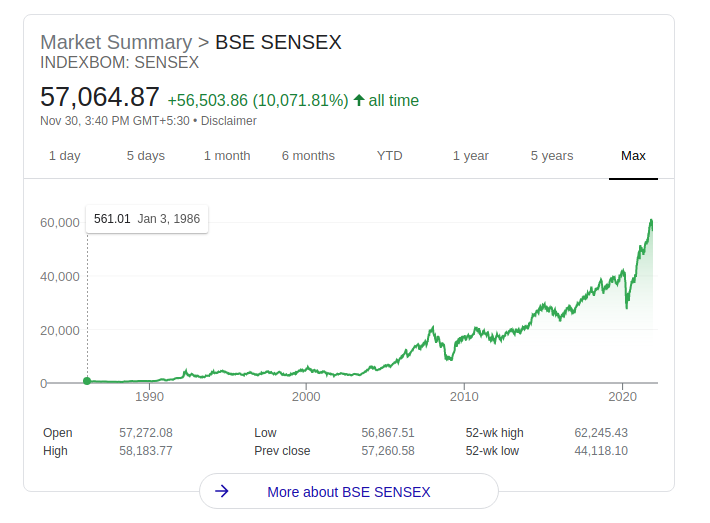
Since 1984, India’s stock exchange has provided returns of an astounding 10,000%. Even the Dow Jones (3700%) has returned a fraction of the BSE’s returns.

This is a nearly forty year period, enough to average over most bear arguments. It spans the fall of the Berlin Wall, Kuwait War, 9/11 attacks, the Great Recession, the arrival of the internet, AI and smartphones. Given India’s strictly mediocre economic fundamentals in the 1980s, the success of listed Indian companies over an extended duration points to successful resource and work management.

Corporate India has played a much bigger role in India’s economic expansion than corporate China in China’s meteoric rise. The US tech sector has reaped an unanticipated reward of this fact. Globally though, the much more important economic implication is that India’s GDP rise is likely to be felt via private corporations, in contrast to China’s SOE heavy BRI.

BrownCast with Rahul Pandita on Kashmir, Delhi Riots, Maoism

Another BP Podcast is up. You can listen on LibsynAppleSpotify, and Stitcher (and a variety of other platforms). Probably the easiest way to keep up the podcast since we don’t have a regular schedule is to subscribe to one of the links above!

In this episode of Browncast Omar and I (Gaurav) talk to Rahul Pandita, the journalist and author. We spoke on a range of topics from Kashmir to Maoism. Rahul’s is a refreshingly insightful voice among the English speaking journalists based around Delhi – do check out his writings. His twitter bio is Rahul Pandita.

I would highly recommend his books – especially his memoirOur Moon Has Blood Clots

Below the fold here I am posting the transcript as well. This is auto-generated and unedited, so expect to see MANY errors, but it may help you jump to whatever part interests you, or give you at least a gist of the conversation. Continue reading BrownCast with Rahul Pandita on Kashmir, Delhi Riots, Maoism

Who was Sandrocottus ?

The short answer is that he was Chandragupta. But it gets complicated when you try to find out which of the many Chandraguptas was he from ancient Indian history ?

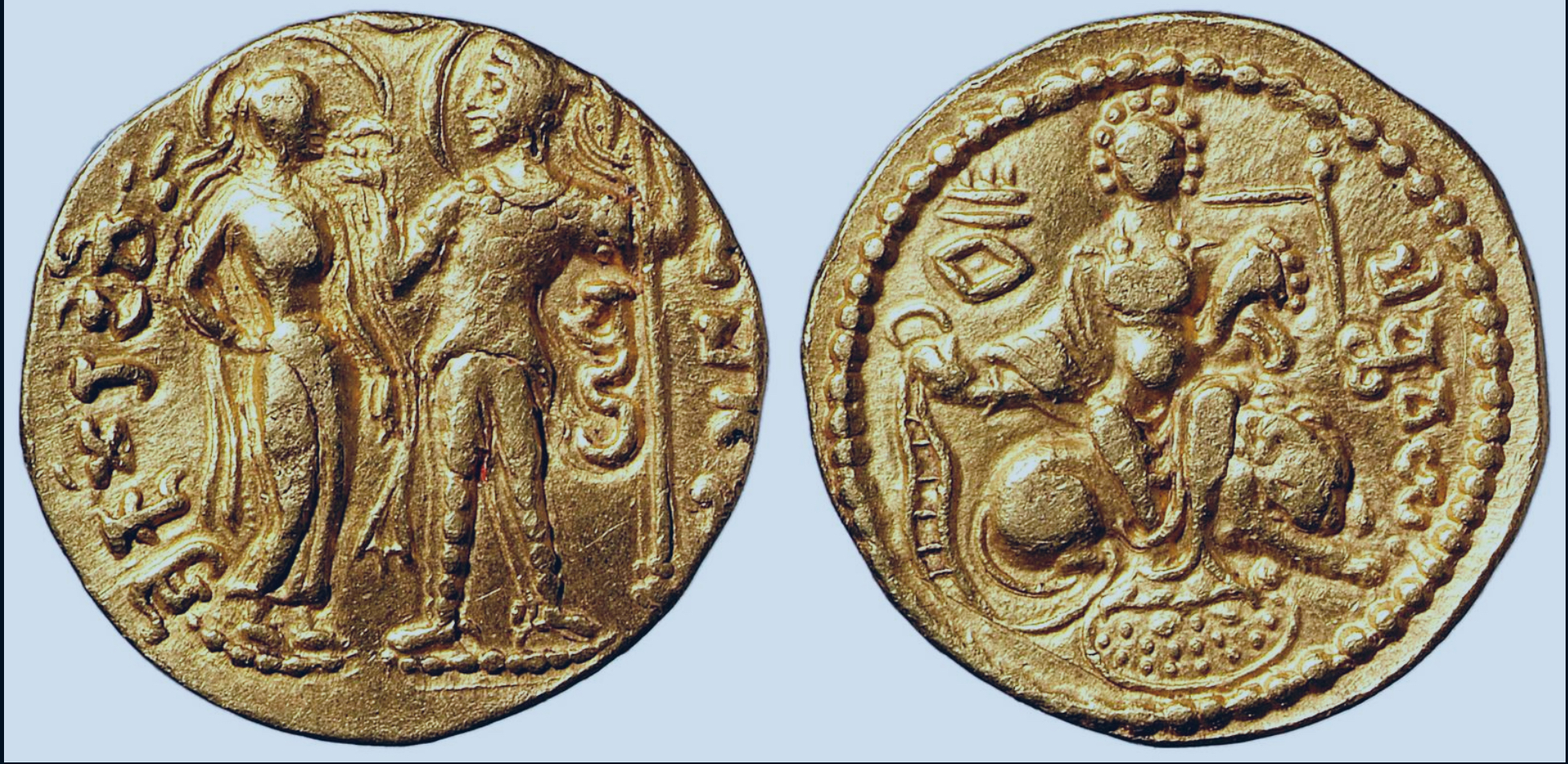
Gold coin of Chandragupta I with his wife Kumaradevi

Sandrocottus of the Greek accounts was an self-made emperor who rose to power in the late 4th century BCE Ancient India. He was a contemporary of Seleucus Nicator, one of the generals of Alexander’s army who came to inherit the largest portion of his disintegrated empire, stretching from the Hindu Kush in the east to the eastern Mediterranean coast in the west.

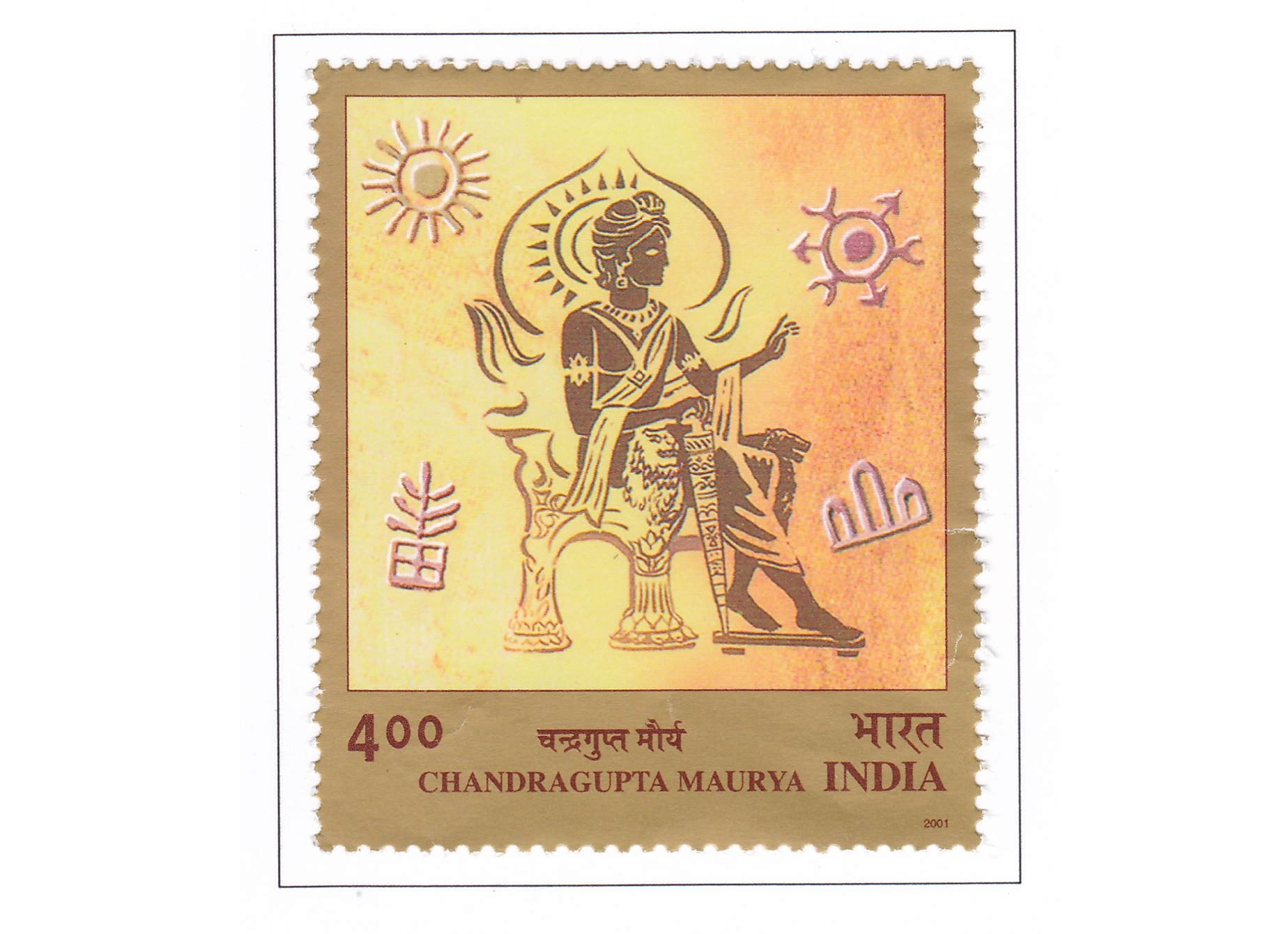
The identity of this Sandrocottus had been the primary focus of early colonial Indology and his identification with Chandragupta Maurya eventually became the sheet anchor of ancient Indian history around which everything else has been dated.

So the identity of this Sandrocottus is of vital importance in ancient Indian history. What I wish to argue here is that there are no solid grounds to suggest that the Sandrocottus of the Greek records was Chandragupta Maurya. In fact, there is much greater evidence to suggest that this Sandrocottus was none other than Chandragupta I, founder of the Gupta Empire.

Continue reading Who was Sandrocottus ?

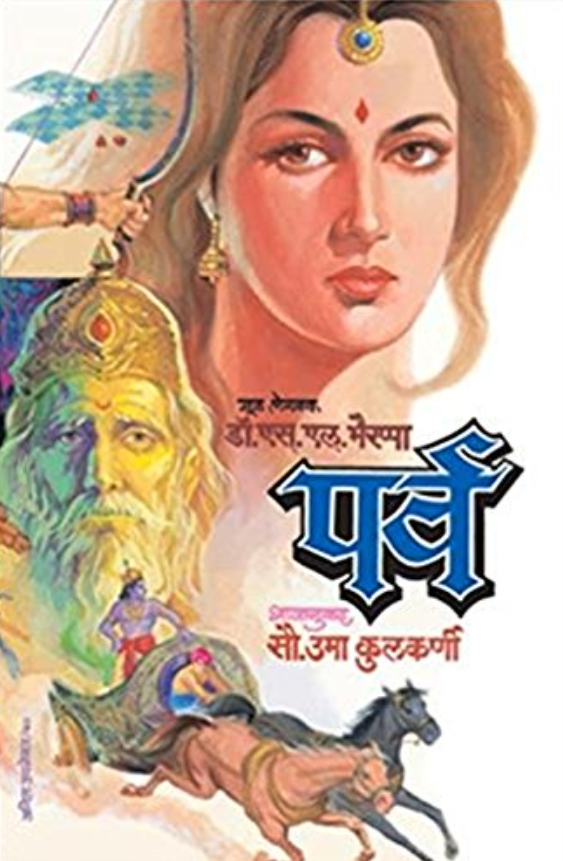
Parva: An epic masterpiece


Parva is without doubt the BEST retelling of Mahabharata I have read. I do not claim to have read all the dozen or so great retellings of the Mahabharata, but among the ones I have read and seen this one is by far the most satisfying. 


The narrative of Parva is a slow buildup of first person (and limited third person) arcs leading towards the Great Bharata war. The tale begins with old Shalya Raja (the brother of Madri — the mother of Nakul Sahadeva) in Madradesh. Over the next 900+ pages we meet all the major characters barring Krishna Vasudev and Dharmaraj Yudhisthir (I wonder why). As small incidences over 2 -3 days are narrated we understand the story through Flashbacks. The book directly covers events from around 3–4 months before the war and an epilogue which occurs a few months after the war. Inspite of familiarity with the text, the narrative is unputdownable (I managed to complete the 950 page tomb in just over a week despite a very busy schedule). The marathi translation was excellent imo and the review will not focus on that (though like always i guess the Kannada text might be more powerful). The book is also available in English (along with many Indian languages)

Realism:

The book offers a refreshingly realist take at the events which manages to remain faithful to the original text while not embracing incredulity. The five Pandavas are born from 4 different fathers who are also called Devas, who reside in the cold Himalayas. Out of the 100 sons of Dhritarashtra around 86 are Suta (Bastards) while 13 are born to the blindfolded Gandhari. Nagas, Rakshasas, Gandharas are not supernatural beings, but merely skilled warrior tribes who are An-Arya. The depictions of food, violence, travel are all bang on the money.

Characters:

Bhyarappa’s Bhimasen was a revelation to me. Though his true love for Draupadi is alluded to in some other narratives, its Bhima’s lovestory with Draupadi that forms the core of the first few chapters. His clear eyed vision, which is often derided as foolish or uncouth is expressed very sympathetically.

Kunti shows us her envious side and her troubled relation with the impotent Pandu explored. The arrogant and heroic Arjun, the brave and beautiful Draupadi and the anti Hero Karna do not deviate much from their usual arcs (though Arjun is shown a bit more objectively). Dronacharya, the target of Zeitgeist (Ekalavya) is dealt a fairly sympathetic story arc.

In general, characters are given real motivations and are allowed to see the error of their ways with time. Example — Pandu starts off as a wife beating, impotent and inconsiderate prince with no redeeming qualities. Though he dies due to his lust, he has made a giant transformation through the eyes of Kunti. 

Some traditionally less explored characters like Yuyudhan Satyaki gets many narratives to himself. His first narrative which sets up Krishna Vasudeva was my favorite section of the book.

Dharmaraj Yudhishthir though appears to be dealt a bit unfairly. With no POV narrative, Bhyrappa makes “Dharma”Raj the object of disdain — a confused charlatan who stands on shoulders of his brave brothers and advisers and always tries screw things up with bravado or stupidity.

Sex: 

Sex and lust as strong motivations are ever present in the narrative as with the original text. Yet the sex is always in the background, the passive, never the active. Though at times, the references to sex and role of Dasi(s)(maid servants) gets a bit jarring. However the author makes the distinction between the Kshatriya attitude towards lust with those of others. Kunti who has seen how lust and unhealthy attitude towards sex can destroy marriages and lives, raises her sons to respect women in general and never indulge in sex except with the lawfully wedded wife. Only the libidinous Arjun (who ironically loses his libido before his time) ever marries someone other than Draupadi. The lust (moha) for Draupadi results in envy at Swayamwar, polyandry, disrobing, various kidnapping.

Dharma:

The author dissects the various strands of Arya Dharma with no ounce of respect. Throughout the book the author posed various smaller questions of Dharma like

Was Balram who killed his devious and petty brother in law in a fit of drunken rage right or was it wrong if he because he was in drunken rage? 

Was Yuyudhan Satyaki wrong to not marry the hundreds of women rescued from the dungeons of Narkasur? 

Balaram who like his more famous namesake in a monogamous relationship following Pati dharma and polygamous Krishna was following some sort of Raja-Dharma. What one person sees as lust is something which serves the greater good, but what do we know. 

However the core of the book is about Niyoga. Despite the fact that both Pandu and Dhritarashtra are sons of Niyoga, Duryodhan raises doubt about secretive Niyoga that led to birth of Pandavas. Everyone from Bhisma, Shalya, Drona and even Krishna Dvaipayana are stumped by it. What lies under the argument is the classic nature/nurture argument. According to older Arya dharma Nurture trumps nature. In that framework even nurtured Karna born before Kunti married Pandu has a legitimate claim to power, whereas Sutas of Dhritarashtra don’t. In other words ironically, the womb of the Queen in a Patrilineal and deeply patriarchal worldview is more important than seed of the King. But times are changing and newer more rigid rules based on nature will come to rule the roost as alluded in the book (which seems to be the historic truth).

The chapters of Bhishma and Krishna Dvaipayam also touch the larger philosophical questions of Karma, Rebirth, and Moksha. The rudimentary beginnings of the core of the Sramana, Carvaka and other Nastika darshanas is also alluded to in those chapters. Unsurprisingly its not the DharmaRaja Yudhishthir who understands Dharma, nor is it the famed Bhishma or even the prodigal partitioner of Vedas — Veda Vyasa or Krishna Dvaipayana, but emphathetic Vasudeva Krishna. 


The book works for many reasons, primarily because it rests loyally on the raw power of the original text. The narrative structure assumes the reader is well versed with the details of sequences of tale, and when every mini narrative reaches its climax, the effect is mesmerizing. The Kamsa Vadh, the death of Jarasandha, the gambling scene and many others are goosebumps invoking. The author builds on the lifetime of familiarity with the story and builds up a crescendo every now and then. The author has refreshingly stayed away from judgmental takes which would lead to disappearance of realism or adulteration. The descriptions of geography, food and violence is very graphic. The author has shied away from describing facial features which was a disappointment to me. The gory and unpalatable realities of war (Game of thronesey) — from starvation, mass rapes, tonnes of decomposing flesh and the overall futility come to the fore in at the end.

This book is going to stay with me for a long time and it is probably going to be read atleast half a dozen times. An epic Masterpiece.

Caste in America

UC Davis quietly added caste to its anti-discrimination policy. Will it cause others to do the same?

Yes, it will. American liberals will now start talking incessantly about caste. Some notes

– <1% of Indian Americans are Dalits from surveys I have seen

– 30-40% of 1.5 and 2nd gen. Indian Americans out marry racially. Most do not, in my experience, in-marry in terms of jati when they marry other Indian Americans

– 25% of Indian Americans are Brahmin, but they are not wealthier or more educated than other groups on the whole. The richest Indian Americans seem to have names like Agrawal from what I have seen in private data

David Berlinski Reviews Pankaj Mishra

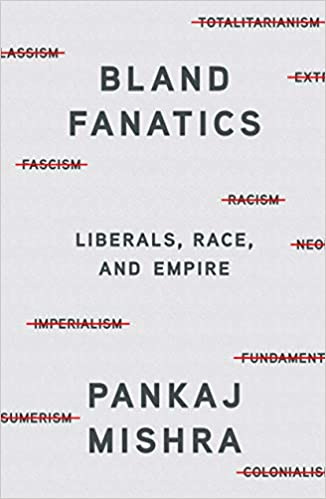
I have been too busy (or wasting too much time on twitter) to write much, but I think we should promote some essays from other sites when they look interesting. Here is one I saw today: David Berlinski reviews Pankaj Mishra’s latest book of essays.   You can read it in full on this link.  

(my own, less erudite and much more rant-like takedown of Mishra and his brand of “tailor made for Western and Westernized Liberals” shtick can be found here) (my own summary of Pankaj in that rant: With Pankaj, the safest bet is that he is “not even wrong”. Good for virtue signaling. Useless for any other purpose.) You can also read a review of sorts I wrote about Pankaj in 2014 that also tries to clarify where I am coming from in this topic)
Bland Fanatics: Liberals, Race, and Empire - Mishra, Pankaj - Livres -  Amazon.fr

A few excerpts: 

PANKAJ MISHRA is an Indian journalist, novelist, and travel writer; he is widely appreciated as a scold.1 Written between 2008 and just the other day, the sixteen essays comprising Bland Fanatics were published variously in The GuardianThe London Review of Books, the New YorkerThe New York Times, and The New York Review of Books.2 Readers seeking ideological exuberance must look elsewhere. The essays are themselves unified by a common rhetorical strategy, if not a common rhetorical subject, in which Mishra reveals that he knows something that others do not. “It had long been clear to me,” he writes, “that Western ideologues during the Cold War absurdly prettified the rise of the ‘democratic’ West.”3

What I didn’t realise until I started to inhabit the knowledge ecosystems of London and New York is how evasions and suppressions had resulted, over time, in a massive store of defective knowledge about the West and the non-West alike. Simple-minded and misleading ideas and assumptions, drawn from this blinkered history, had come to shape the speeches of Western statesmen, think tank reports and newspaper editorials, while supplying fuel to countless log-rolling columnists, television pundits and terrorism experts.4

Living on hot air, logrolling columnists, like certain abstemious yogis, do not generally require fuel, although they may require logs; and a knowledge ecosystem suggests nothing so much as a child’s terrarium: wood, water, weeds, worms. Never mind. Readers will get the point. They could hardly miss it. In hanging around London and New York, Mishra encountered a good many dopes.

No doubt…

… THE ESSAYS IN Bland Fanatics, if intelligent and brisk, are also imperfectly argued and badly written. Realities are brutal, falsehoods blatant, notions reek, prejudices are entrenchedbinaries pop up here and there (eager, I am sure, to escape gender confinement), crime rates skyrocket, adventurers are bumptious, history is blinkered, delusions climax, despotisms are ruthless, and, if breasts are not being bared, chests, at least, are being thumped.6 Mishra is also a writer unwilling to savor the niceties of attribution. The wonderful phrase “closing time in the garden of the West” appears three times in two essays, welcome relief from the clump of Mishra’s habitual clichés. It is due to Cyril Connolly.7 That “every document of civilization is also a document of barbarism” is due, in turn, to Walter Benjamin.8 Mishra has appropriated the phrase and its mistranslation into English.

Continue reading David Berlinski Reviews Pankaj Mishra

Brown Pundits