-
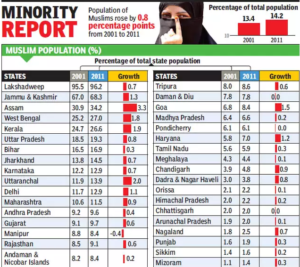
The saffron and the crescent – why BP matters
The author argues that candid comments from Pakistani Muslim commenters on interfaith marriage and idol worship expose a Hindu-Muslim mismatch in worldviews that Indian liberals avoid confronting, and cites Pew…
-
Biggest takeaway of Assembly elections
Citing pollster Pradeep Gupta, the author says the biggest takeaway of the 2026 state elections is that pre-poll cash transfers to women did not save most incumbents, and adds Shekhar…
-
Citizenship Amendment Act – the straw that broke the camel’s back
Nachiketa argues the Citizenship Amendment Act, though not insidious alone, becomes alarming when paired with the National Register of Citizens as Amit Shah described, since non-Muslim migrants would gain citizenship…
-
At the Heart of the conflict
Nachiketa argues that debates on India-Pakistan and Hindu-Muslim conflict miss a core issue. Prompted by the alleged TCS Nashik conversion case, he points to reports of forced conversion and sexual…
-
Why Hindutva Worries me: Annual Onam debates
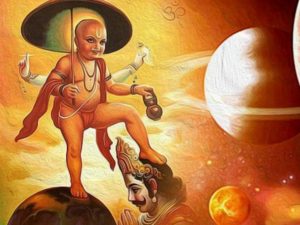
In the first of a planned run of posts on his worries about Hindutva, Nachiketa calls the yearly Onam flame wars over whether the festival is Vamana Jayanti or a…
-
What did Asim Munir talk with Trump
The author speculates on what Asim Munir and Donald Trump discussed over lunch, from Iran back-channels to weapons purchases, and says the BrownCast episode on Op Sindoor was marred by…
-
Indian RW cheering for Iran
Nachiketa observes that many Indian right-wing, centrist and left commentators are siding with Iran against Israel and the US, naming several influencers and media figures, and notes that criticism of…
-
Playing with fire ?
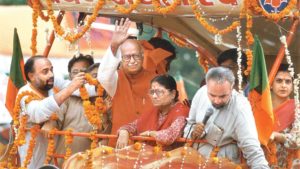
After the Babri demolition conspiracy verdict acquitted all 32 accused, the author, rewatching a 2000 Advani interview, weighs three accounts of how the demolition happened and concludes that, if it…
-
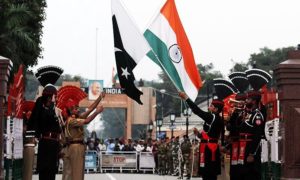
The Indo-Pakistan problem — To be or Not to be
Written in 2016 after the Uri attack and republished in 2020, the essay seeks nuance on Pakistan, rejecting both the Aman ki Asha line and boycott, and examines the Pakistan…
-
What is “Brahmanical” in Indian Patriarchy ?
Nachiketa examines the slogan ‘Smash Brahmanical Patriarchy’ after Jack Dorsey’s 2018 photo-op, arguing that ‘Brahmanical’ has become a catch-all political label and probing how much of Indian patriarchy can fairly…
-
Some brief points on Gandhi
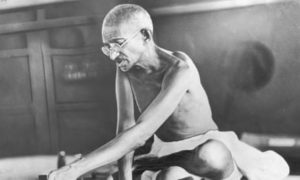
Nachiketa explains how his view of Gandhi changed from partial sympathy with Nathuram Godse’s arguments to near reversal, seeing Gandhi’s non-violence as pragmatic, his pacifism as rooted more in Jain…
-
Hindutva, Asabiya and Apostacy
The author questions comparisons between Hindutva anger over beef-eating and Islamic takfir, arguing that Brahmanical orthodoxy mostly policed ritual purity rather than politics, but that apostasy-style memes could arise within…
-
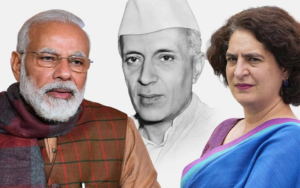
Nehru bashing has become very old but is it ineffective yet ?
Is Nehru-bashing still working for the BJP? Prompted by Priyanka Gandhi’s December 2025 speech in Parliament.
-
Hindu Integration: Brahmanas and Gramadevatas
The author argues the Rigvedic ‘one truth, many names’ pluralism is overstated, reads the Vasishtha hymns as integrating deities with different functions, and traces Brahmin integration of village deities such…
-
Dhurandhar, Politics of Bollywood & India Pakistan
Nachiketa answers X.T.M’s criticism of Dhurandhar. He sees the two parts as one seven-hour film, finds the villains humanised and the film not anti-Islam, and argues India need not fear…
-
The anxieties behind narrative of “Love Jihad”
Drawing on Ambedkar’s Pakistan or the Partition of India, Nachiketa argues that the ‘love jihad’ narrative reflects Hindu anxieties about contact between Hindu women and Muslim men under purdah and…
-
The evolving understanding of varNa in Indian history
Nachiketa, writing as a self-described informed layperson, traces how varna evolved from the Rigvedic priest and warrior elites through the Vaishya and Shudra categories to the modern understanding shaped under…
-
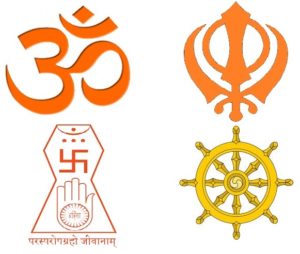
Problems with the terms INDIC and DHARMIC
The author says he cringes at the terms Indic and Dharmic, now popular with the rise of Hindutva as umbrella words for native Indian faiths, arguing Indic first described Indo-Aryan…
-
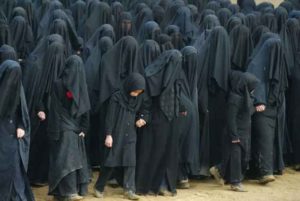
Clarifications on my views about the Burqa
The author clarifies their view on the burqa after the response to an earlier post, setting out why gut dislike alone is no reason for a ban.
-
Malvani and other Konkani seafoods – the potential loss of cuisines ?
Nachiketa worries that the popularity of Malvani seafood cuisine is crowding out other Konkan coastal cooking, such as Saraswat and Ratnagiri styles, which survive mostly in family kitchens as market…
-
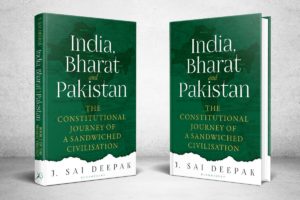
Book Review: India, Bharat and Pakistan – a Not so Gentle Reminder
Nachiketa reviews J Sai Deepak’s second India that is Bharat book, on the period from the Mughal decline to the Khilafat movement, agreeing with its overall thrust, including that the…
-
India that is Bharat — The Good, the Bad and the Overstated
Nachiketa gives a detailed review of J. Sai Deepak’s India That Is Bharat, finding its research and sourcing sound and its main contribution the claim that ‘coloniality’ obstructs Bharatiya potential,…
-
Guess values, Priors and Science
Prompted by a Wired piece on the 5-micron aerosol boundary, the author argues science was slow to accept airborne spread of Covid because of a flawed starting assumption, likening it…
-
Looking back at 2019 Maharashtra election
Looking back a year after the 2019 Maharashtra election, the author lists lessons: imagery and strong leaders matter, caste still counts, Shiv Sena left the NDA for survival rather than…
-
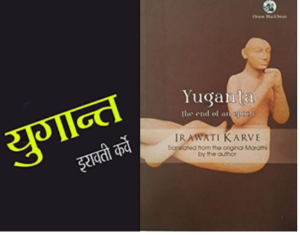
Yugant / युगान्त : Book Review/Recommendation
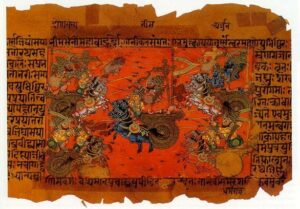
Nachiketa recommends Irawati Karve’s Yugant, a critical, rational reading of the Mahabharata that weighs its characters’ motivations, from the Pandavas’ marriage to Draupadi to Krishna’s character, with literary respect but…
-
Early Hinduism – the epic stratification
Nachiketa offers a self-described highly speculative account of how jati-varna stratification emerged, bringing together early Indian texts and the Sramana traditions of Buddhists, Jainas and Ajivikas, and contrasting their detailed…
-
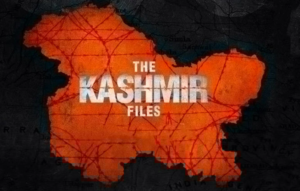
Kashmir Files : Short Review
Nachiketa gives a hurried short review of The Kashmir Files, finding it more effective than he expected: the loud direction suits its aim, the violence is not overdone and the…
-
Putting the Arnab storm in perspective
The author argues the optics and high-handedness of Arnab Goswami’s arrest deserve criticism, but that arbitrary arrests such as Sameer Thakkar’s over tweets are more troubling, and that Goswami’s arrest…
-
Religious books in Hotel rooms
Nachiketa recalls finding Bibles and Qurans in the rooms of Kenyan wildlife lodges, learns it is common in the United States, and wonders why scriptures are placed in hotels, contrasting…
-
Dravidian Progressivism is a Scam
Nachiketa answers X.T.M on Chennai, arguing that the city’s welfare and cleanliness cannot simply be credited to Dravidian progressivism, pointing to Tamil Nadu’s 97 percent caste endogamy rate and describing…
-
The Façade of a rules‑based international order
Nachiketa argues that geopolitics runs on strategic interest, not ideology or cultural history, so India’s ties with Israel, Iran and Russia are pragmatic. He says Indians should not cheer the…
-
Where are the old commentators
Nachiketa notes that many long-standing commenters have disappeared from the site and suggests the genomics and history enthusiasts left once Razib Khan stopped blogging.
-
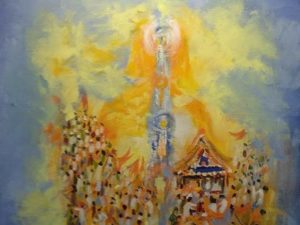
Beards, Bigotry and Burqas
Recalling the jovial Sardar caricature of 1990s Indian entertainment, the author contrasts it with the bearded-Muslim imagery he grew up with, including a local mural, and reflects on how such…
-
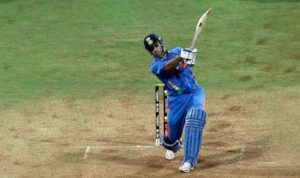
MS Dhoni – the Master of Methodical Madness
Nachiketa marks MS Dhoni’s retirement, arguing his career was defined by ‘methodical madness’, with calm nerves in chases and his captaincy in the inaugural T20 World Cup final against Pakistan,…
-
Shaniwar Wada: The Palace Of The Peshwa
Nachiketa describes Shaniwar Wada, the Peshwas’ palace fort in Pune and seat of Maratha power from 1730 to 1818, its founding under Bajirao I, the Delhi Darwaza and its near…
-
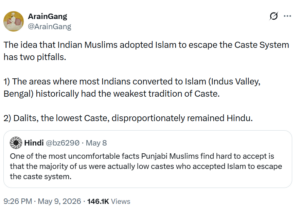
Conversion out of Hinduism and Caste
The post argues that the popular idea that caste explains medieval conversion to Islam and Christianity does not fit the evidence: regions with the least rigid caste had the most…
-
Report on Op-Sindoor
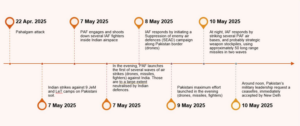
Nachiketa posts an extract from a report on Operation Sindoor concluding that India achieved air superiority by 10 May 2025, while Pakistan won the information contest. His own summary is…
-
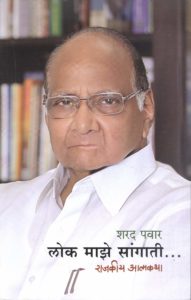
Book Review: लोक माझे सांगाती
A reviewer praises Sharad Pawar’s autobiography for his development vision and his stand on the Namantar controversy and women’s rights, but faults its lack of explanation of his miscalculations and…
-
Ramayan in Karachi ?
Nachiketa shares news that a Pakistani theatre group has staged Ram and Sita, under the line ‘It’s our Ramayana too’, and asks readers for their views.
-
Are Hindu Atheists more Plural ?
Nachiketa argues that Hindu atheists, who mostly keep a Hindu identity and focus on ritual and tradition rather than abstract disbelief, differ from ex-Muslim and ex-Christian atheists, and traces Hindu…
-
The Lavanya suicide and journalistic priorities
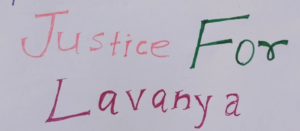
Nachiketa, calling it a rant, criticises a News Minute piece on a girl’s suicide for putting Hindutva’s spread and Christian forgiveness ahead of what actually happened to her, and says…
-
Monkey see – Monkey Do ?
A self-described layman’s rant a year into India’s lockdown, asking how different the global Covid response would have been without China’s example and puzzling over why Indian spikes came in…
-
Re-finding lost love of Cricket
A personal essay on how the author’s relationship with cricket changed after India’s 2011 World Cup win: from childhood memories of the 1996 tournament and following the game in Marathi…
-
The counterproductive (il)liberalism
Nachiketa argues that Indian liberal media weaken their case through polemic such as calling Yogi Adityanath ‘Ajay Bisht’, and that Bloomsbury’s de-platforming of the Delhi Riots 2020 book turned a…
-
Parva: An epic masterpiece
Nachiketa calls Parva the best retelling of the Mahabharata he has read: a slow build of first-person arcs towards the great war that he found unputdownable, with notable attention to…
-
Book Review: The Era of Bajirao
Nachiketa reviews Uday Kulkarni’s The Era of Bajirao, praising a document-grounded account of the Peshwa’s rise, his rivalry with Nizam-ul-Mulk, his debts and his strained dealings with Shahu, as a…
-
Dhurandhar crashes Netflix servers in Pakistan: Trending # 1
A short note on reports that Dhurandhar 2 is trending first on Netflix Pakistan despite a theatre ban, which the poster takes as a sign it is doing well there…
-
Troubles and politics of the billionaire author
Nachiketa, a Rowling fan, argues the outrage over Troubled Blood was driven largely by people who had not read it, and reads the 888-page novel himself before judging both the…
-
Why the Aryan debate matters and why it should NOT
Nachiketa revisits the Aryan debate as a question of identity and politics rather than history, arguing it is largely irrelevant to the issues it is tied to, such as colonial…
-
Born in Blood: a relook at the final act of Parv
A second look at the final act of S. L. Bhyrappa’s novel Parva, the retelling of the Mahabharata. The author reads its closing scenes as a study of war’s futility,…
-
Posing as a South Asia expert: Brahminical patriarchy edition
Nachiketa writes in the voice of a self-styled ‘South Asia expert’, in what appears to be satire in research-article form, tracing Bangladesh’s divergence on women’s empowerment to ‘Brahminical patriarchy’ and…
-
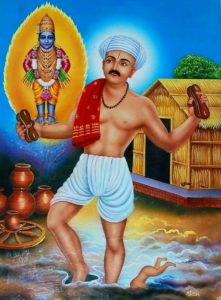
Hindutvavadis are not Bhakts
Using the Marathi devotional tale of Gora Kumbhar, an atheist author criticises the core idea of Bhakti, comparing the trance of devotion to drug intoxication, with a title that distinguishes…
-
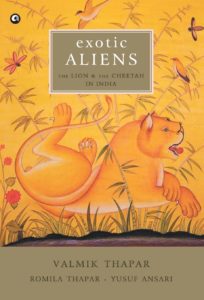
Book Review : Exotic Aliens, The Lion and The Cheetah in India
Nachiketa summarises Romila Thapar’s argument that lions and cheetahs were exotic to India and entered its imagery late, noting that Indus seals show tigers but no lions, and Yusuf Ansari’s…
-
REPOST: On identifying as a liberal
A reposted older essay in which the author explains why he identifies as a liberal despite being labelled a Hindutva liberal or closet Sanghi, setting out his republican and secularist…
-
NCERT Books – Early Muslim invaders
Reviewing how Satish Chandra’s, Romila Thapar’s and NIOS history textbooks treat pre-Delhi Sultanate Muslim invaders, the author argues Hindutva criticism of these left-liberal historians is often overstated and straw-manned, and…
-
Sexual selection by Indian Society and its implications
Nachiketa starts from Darwin’s puzzle of the peacock’s tail to argue that in India sexual selection is a task for the whole family and society, with arranged-marriage middlemen able to…
-
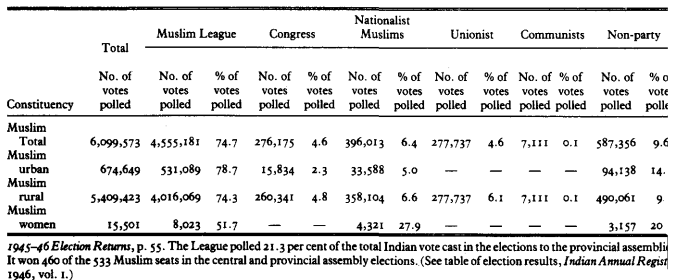
Indian Muslims and the partition vote
Contributor Yajnavalkya (@saiarav) uses 1946 election and franchise data to argue that the Muslim League’s mandate was not just the voice of a small electorate, and that roughly 40% of…
-
A blogging hiatus
Nachiketa says they have not posted or commented on BP for a while and will likely stay away for at least a few months unless something provokes a post.
-
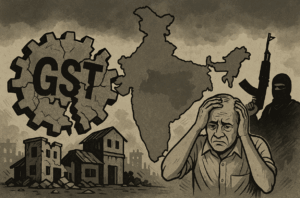
GST reform – go big Modiji, let the bizmen breathe
A guest writer argues that Narendra Modi’s planned GST reform, cutting rates from four to two, will not fix the system’s deeper problem: discretionary powers to block input tax credit,…
-
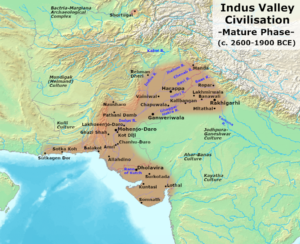
Some miscellaneous points about Indian Prehistory
Nachiketa’s notes for the Indus episode of the History podcast argue that Harappan urbanisation and integration were a response to climatic stress, as in south Mesopotamia, and discuss the Sarasvati’s…
-
Paatal Lok – Review
Nachiketa reviews the crime thriller Paatal Lok after reading a Swarajya piece accusing it of left-liberal propaganda, praising its engaging storytelling on communalism, casteism and patriarchy and weighing the Hinduphobia…
-
Legacy of the Gupta Age
Nachiketa argues that the Gupta age deserves recognition as a period of immense consequence even though ‘Golden Age’ claims are often retrospective, and compares its decline under Hun invasions with…
-
Book Review: Our moon has blood clots
Nachiketa reviews Rahul Pandita’s memoir of the Kashmiri Pandit exodus after 1989, praising its small-incident portrayal of changing neighbours’ attitudes and its account of the killings, and calling it the…
-
Note on Moderation
Nachiketa, noting Omar Ali’s withdrawal from running BP, says he will write more and moderate comments lightly, with firmer standards for authors. He favours liberal free-speech tolerance and leaves final…
-
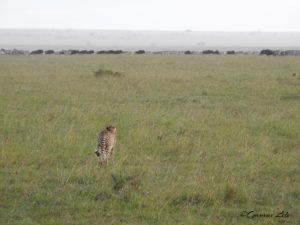
An evening to remember - the chase, the hunt, the theft, and the meal
A photo-essay cross-posted from the author’s new Medium photoblog, describing an evening safari in Kenya’s Masai Mara when a cheetah chased a wildebeest herd and its meal was then interrupted…
-
Why 2014 happened in 2014
Nachiketa asks why Hindutva took until 2014 to assert itself, suggesting Gandhi’s murder by a Hindutva follower and the slow socialist-era economy as the two reasons, and invites comments.
-
What is Akhand Bharat ?
Prompted by the Akhand Bharat maps used by the RSS and allied groups, the author asks what the historically fair boundaries of Indian civilisation were around 500, 1000 and 1500…
-
Modi’s fiscal masterclass
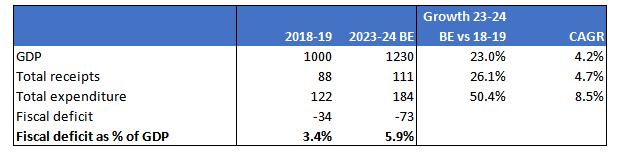
Guest writer Saiarav argues that Modi’s second term showed fiscal discipline through global turbulence without losing political capital, and explains why India has strong reasons to reduce deficits, from debt…
-
Yogi has not been an economic miracle man for UP…so far
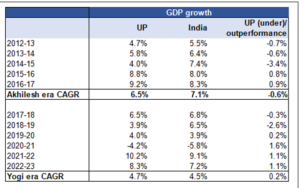
Contributor Yajnavalkya uses state growth and fiscal data to argue that Yogi Adityanath’s six-plus years in Uttar Pradesh have delivered underwhelming growth, only about 20 basis points above the national…
-
Episode 14: The Delhi Sultanate
In episode 14 of the history podcast, Omar Ali and Jay, with Gaurav, cover the Delhi Sultanate, its major dynasties and its religious and economic aspects; Omar Ali puts it…
-
Modi 3 and the fruits of fiscal Tapasya
Guest writer Saiarav argues that Modi’s election-year budget broke from freebies, citing the 2019 farmer cash transfer and Congress’s welfare promises in Karnataka, and reads this as the government’s confidence…
-
Khalid Baig on Indian Nationalism and Islam
In a BP Podcast, Gaurav talks to Khalid Baig, described as an Indian nationalist, about Indian nationalism, Hindu-Muslim relations, Hindutva and India’s future; Baig also co-hosts the YouTube show India…
-
Gana Sangha and Rajatantra in Ancient Bharat
Script for a video tracing the contest between gana-sangha republics and monarchy in ancient India, from Magadha’s conquest of the Licchavi-led Vajji confederacy to the Gupta alliance with the Licchavis.…
-
A civilization born in blood : a relook at the final act of Parva
Revisiting S. L. Bhyrappa’s novel Parva, Nachiketa reads its final act as a study of the futility of war, from Bhima finding the Hidimba forest burned to the Yadava fratricide,…
-
Random musings on the interim budget
Guest writer Saiarav sets out his takeaways from India’s interim budget: a stunningly non-populist budget in an election year, with almost nothing for voters, which he reads as Modi’s supreme…
-
The mystery of high fuel prices in india
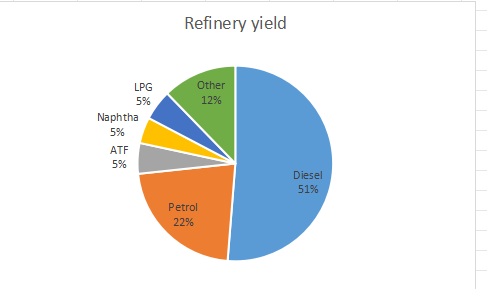
Contributor Yajnavalkya asks why petrol and diesel stay near Rs 100 a litre in India when Brent crude is under $80, arguing that taxation and the oil marketing companies’ pricing…
-
Book Review: Ancient India, a Culture of Contradictions
Nachiketa rates Upinder Singh’s Ancient India: A Culture of Contradictions the weakest of her four books he has read, finding it largely a thematic summary of earlier work, with jarring…
-
Book Review: Saartha – 8th Century India recreated
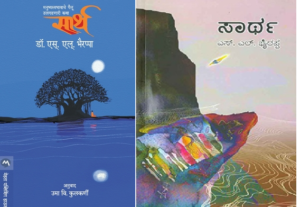
Nachiketa praises S. L. Bhyrappa’s novel Saartha, a first-person journey of a Brahmana in eighth-century India, for bringing a real historical world to life in its own zeitgeist, including debates…
-
Brownpundits is on YOUTUBE
Nachiketa announces that Brown Pundits is now on YouTube, with only the History series podcasts uploaded so far and vodcasts and popular podcasts to follow.
The Indian Subcontinent Argues with Itself
Sunday, 11 October 2026Since December 2010 · 4,160 posts · 93,440 comments