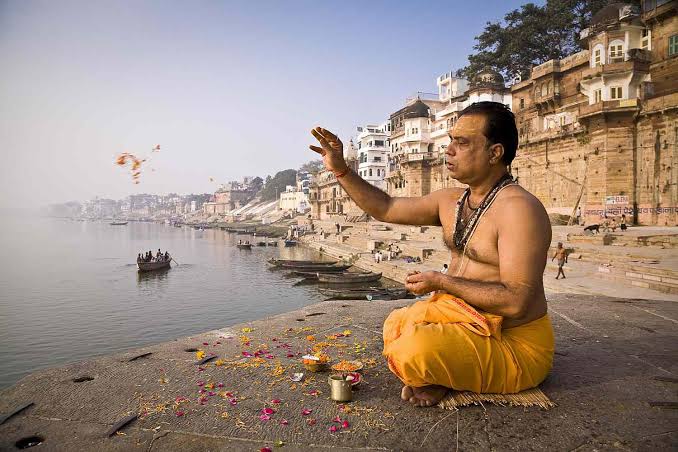
Parsis, DNA and steppe incursions

Well, here is the long promised article. I’ve been meaning to write this for a year, with many disparate bits of data floating around from different subjects in a brain soup. Gratitude to Q, while his purposes are very much misaligned and probably in direct opposition to mine, provided both the impetus and coalescing of the arguments. And of course to X.T.M for the site on which it took place. I’m pretty sure if it weren’t for BP, this wouldn’t have gotten penned.

https://indosaurus.substack.com/p/parsis-matrilineal-dna-and-steppe

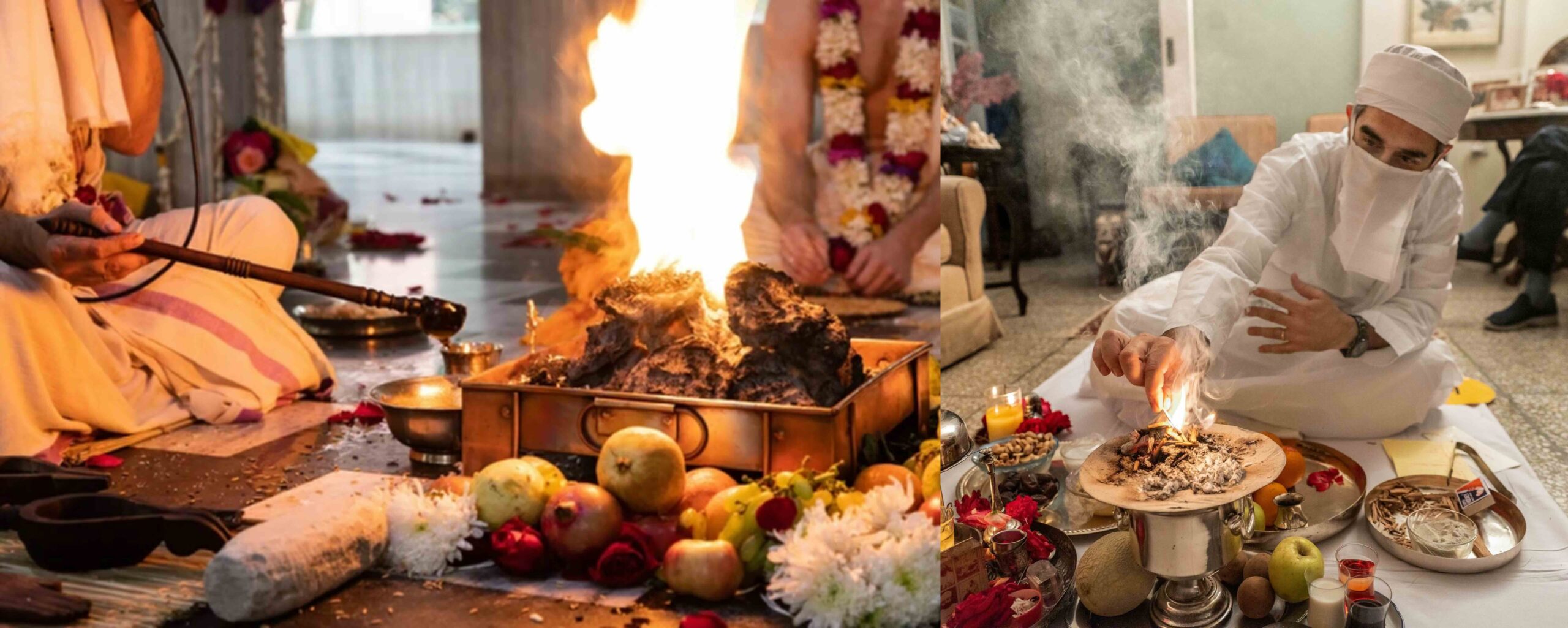
May the common Agni deva of the Zoroastrians and Hindus enable them to reclaim the name Aryan from the Nazis, the skinheads, the brotherhoods and all the racist degenerates who have tried to corrupt it.

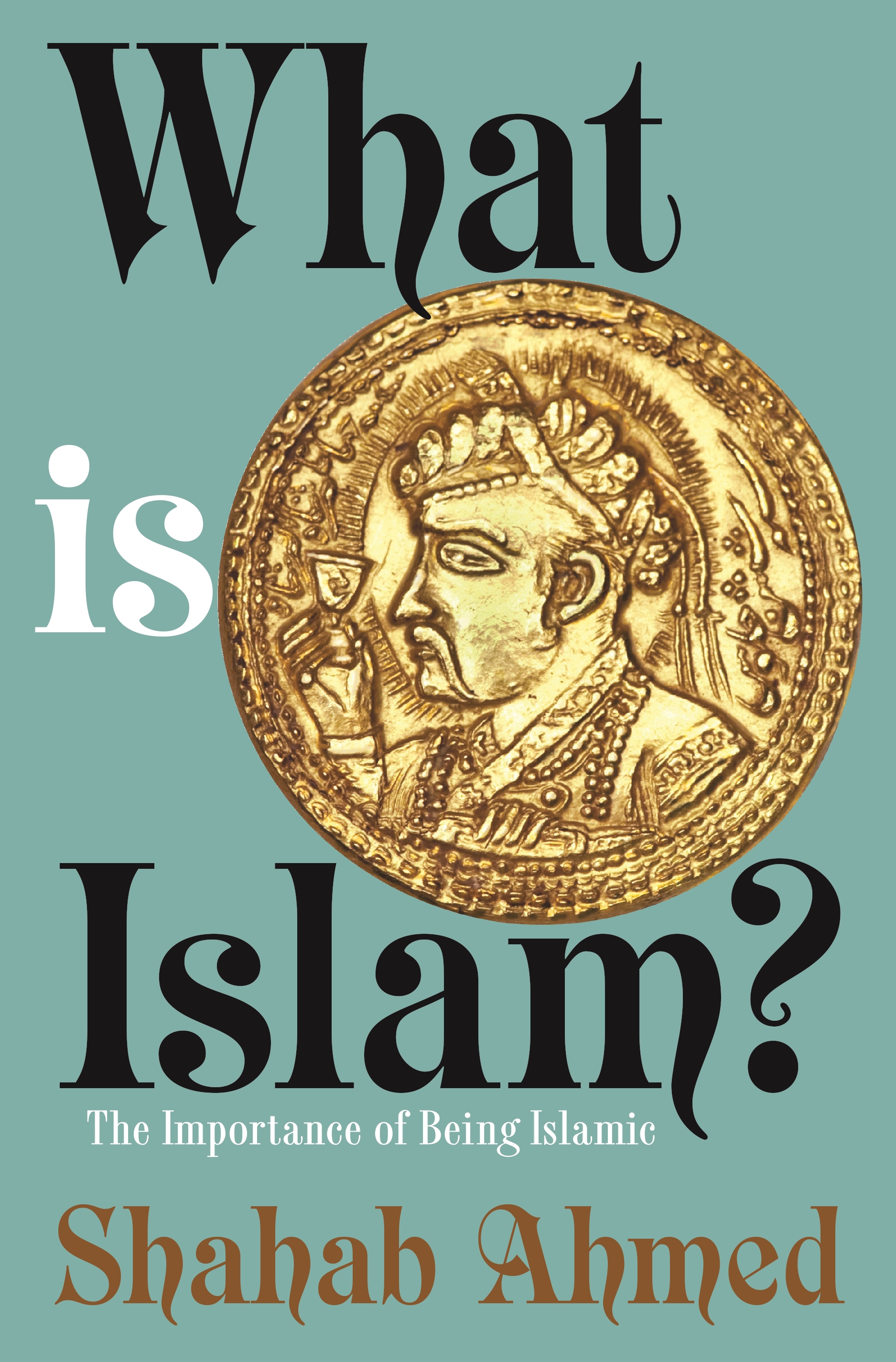
Quick Review: Shahab Ahmed, What is Islam

This was an old review I wrote and is now lost in our archive somewhere, so I decided to repost.

What Is Islam? | Princeton University Press

Shahab Ahmed tells us up front that he is not going to answer the question “what is Islam?”. And of course, he does not really do so, but the title (misleadingly) suggests that he will, and in the course of the book, he comes perilously close to trying (and failing) to do so without outright saying he is going to do it. In short, Shahab himself seems confused about what he is trying to achieve here. The book is a description of some (but certainly not all) aspects of Islamic culture as it developed and expanded, especially AFTER the initial Arab phase of empire building. And it is a long argument with various seen and unseen opponents who want to define Islam as some ONE thing. In the course of this argument, Shahab wants to show that Islam was very varied, but he also wants to show that it is not infinitely varied. In the course of an overly long book, he manages to show that Islamicate societies (a term he does not really approve of) had a very wide variety of beliefs and practices, though they also remained anchored within a certain tradition and in continuous argument with particular foundational texts. All of this may be a surprise to extreme puritanical Islamists AND to more or less ignorant anti-Islamists, but should be no surprise at all to anyone else. Why wouldn’t there be a lot of variety? Anyway, if you happen to spend your life arguing with people who have a very monochromatic view of Islam, then you can keep this book handy in order to prove otherwise. It is good for that. Continue reading Quick Review: Shahab Ahmed, What is Islam

Online Safety Protocol Activated

Kabir has emailed in stating categorically, that the toxicity is beginning to affect his health.

The Admin team *must* take that seriously.

Accordingly the online Safety Protocol has been reactivated.

There will be no interactions between:

OM-3, RNJ, KK-BB, Indo and Kabir.

We request that unnecessary responses are avoided. All replies to each other will be deleted immediately.

Kabir’s ugly comments on the Open Season thread notwithstanding, this is now a matter of health; that is seriously concerning and an overriding factor in reactivating the precedent.

The BP email is maintained by both the admins so any issues (can be reported directly and privately).

Thank you to everyone for understanding.

FlyDie on South India

FlyDie left some excellent comments on the “Tamil” CMs post. I’m reposting them to increase the sabzi and reduce the masala.

The Nayak inheritance. Why does so much of Tamil Nadu’s elite traces to Telugu country? Vijayanagara’s military system let new men rise, and it minted the Nayaks. After Talikota they carved out autonomous states in Tamil lands as “Vadaka-rajahs” and assimilated over generations. The Thanjavur Marathas kept the pattern going. Ethnicity as the three L’s: Land, Lineage, Language.

Against “colonization.” Pre-colonial empires ran on a shared elite culture. Incoming rulers assimilated and left local custom alone. Krishnadevaraya is remembered above all for a Telugu work on the Tamil saint Andal. Telugu in Carnatic music is no stranger than Braj in Hindustani.

The reading list. Heirs of the Vijayanagara, the Nayaka chapter in The Architecture of Sovereignty, Joseph Martin on Telugu Catholic migration in Madras Presidency, and Cynthia Talbot’s Precolonial India in Practice.

India and China. India accepts foreign rulers without demanding assimilation, but never remakes itself for them. China resists outsiders, then lets them rule for centuries once established. The Yuan are a footnote. The Mughals define India’s monuments.

Kerala, the clingy. Onam began in Madurai. Vijayanagara’s caste consolidation passed Kerala by, and Bhakti arrived late. Nestorius was once a revered saint among its Christians, and the Mappilas follow the Shafi school. An ancient land holds on to what everyone else abandoned, communism included.

Are All Postcolonial Nations Brahmanical Constructs?

Note: Emotional comments are for the Open Season Thread. 

Every postcolonial elite preserves the borders it inherited. That is the reason we live in the world we live in: every succeeding elite has been very keen to preserve the boundaries of its state, and it is never the case, under a postcolonial elite, that nations go back to their original topographies. The map, once drawn, becomes sacred. The question in this title is whether the post-colonials are Brahmanical gatekeepers (I’m aware the Commentariat don’t like the nomenclature but it is particularly apt for an Apex Elite).

I. A Brahmanical construct

Continue reading Are All Postcolonial Nations Brahmanical Constructs?

Open thread: Open Season

Since all the other threads keep getting derailed by pointless arguing, Admin has decided to open a weekly Open thread for those discussions. This thread will be moderator free so please do not get Admin involved if conversations get nasty.  Any and all pointless arguments, insult trading are to be restricted to the “Open Season” thread alone.

What is the point of “pointless conversations?” Does it serve any purpose except reinforce stereotypes?

1. Endlessly relitigating the TNT does not change the present, so why bother?

2. Does it help to argue with “randos on the Internet” (I really liked that term thanks Kabir).

3. What about online safety concerns when the line crosses over to bullying like the Jason Arday case.

4. Is the polytheistic flexible mind clearly a winner over the inflexible Abrahamic one?

5. Do we leave happy with enriching conversations, yet empty and angry with meaningless ones?

6. Should someone be a grammar Nazi (thanks Indo) especially when the primary purpose of language is communication?

Even though this thread will not be moderated, request to all to keep conversations civil.

Open Thread: Nepal Floods + 20 months since Assad

It seems to be a new and very pragmatic Middle East. In a way the hybrid regimes, who don’t necessarily have democratic mandates, are able to be wily and nimble actors, who can balance the Great Powers.

So they need to integrate their economies into the Global, not antagonise either China or the US, and somehow weave in traditionalism.

Israel, India, which have very long democratic traditions and also see themselves as “Great Powers” seem to have a more grandiose foreign policy. Israel seems to have swung, reputation wise, in a single generation.

I’m just spitballing here. Of course India is on the scale of the EU, US, China & Russia in terms of geopolitical heft but as girmits says, India also *sees* itself that way.

The comment thread went bezerk after last night’s post but I guess the Commentariat enjoyed themselves?

Continue reading Open Thread: Nepal Floods + 20 months since Assad

“Tamil” CMs

Many chief ministers in the past have been of Andhra descent, representing the borderless existence of the Telugu and Tamil speaking people under the broad umbrella of Madras (presidency and then state) for generations. In fact, even today, those living on the border of Andhra and Tamil Nadu speak both languages, allow marriages between them and share several customs and rituals.

The first chief minister of Madras Presidency was Agaram Subbarayalu Reddiar (1920-21). He was born in a Telugu Reddy family domiciled in South Arcot district of Madras Presidency. He was succeeded by the Raja of Panagal Rajarayaningar, from a zamindari in Kalahasti in Andhra Pradesh. It is not clear if he was a pure Tamil, though he was associated with Tamil institutions.

https://www.news18.com/blogs/politics/vvp-sharma/after-series-of-outsider-chief-ministers-sasikala-to-be-first-tamil-cm-after-29-years-14329-1345645.html

It’s fascinating that India’s most “distinct” state has a very strong history of having non-Tamil leaders. It reminds me of Scottish or more saliently “Catalan” nationalism (without the political aspects). Highly civil and linguistic, with a very strong socialist element. The amount of Telugus in Chennai is pretty incredible though they’ve become a blended people.

Telugus from Rayalseema and Coastal Andhra were part of the Madras Presidency while the Telugus of Telangana form a very significant component of the diaspora of Indians in the US.

The Italian of the East: Is It Language or Music?

Brown Pundits