
So we used the same video company (Wedding Filmer) and Anushka Sharma wore a similar shading and walked to the same song for the pheras as my wife did ??
Coincidence much?
So we used the same video company (Wedding Filmer) and Anushka Sharma wore a similar shading and walked to the same song for the pheras as my wife did ??
Coincidence much?
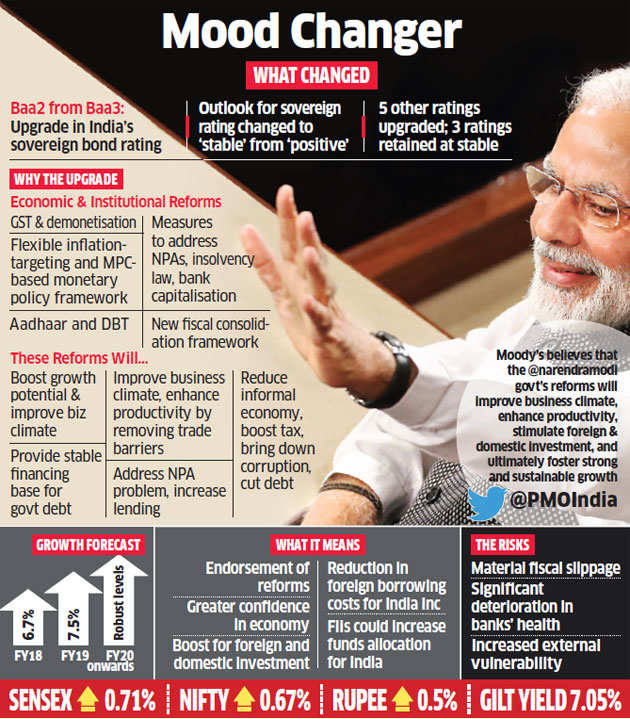
I’ve been exceptionally busy the past few weeks (and likely only to get busier in the run up to the New Year). What do Indian commentators think on the Padmavati furore (indefinitely postponed).
https://twitter.com/i/moments/930527539482759168
It was Children’s Day in India.
There’s a constant worry about being “outbred” in democratic societies. Instead humankind needs to have a much more rigorous (cultural rather than legal) approach towards child-breeding. Unfortunately our biologies don’t really help; peak fertility coincides with peak career-building time.
Prior to having children, couples should make sure that they are firmly on the path to success.
I was rifling through Ambedkar’s book on Pakistan (rediscovered it courtesy of Slapstik) and I came across the curious statistic of Sindh’s pre-partition population statistics. I was shocked to see just how high the non Muslim percentage actually was in 1935. The proportion of non-Muslim in Indus province towns is simply astonishing, Karachi & NWFP.
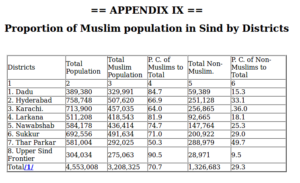
There are 7million Hindus in a global Sindhi population of 26million Sindhis. If that’s true then that means that Hindus are approximately 27%, slightly shy of their 29.3% figure in 1935.
I haven’t bothered doing the same analysis for the Punjabi population because of state adjustments of the Indian Punjab after Partition. Here is Bengal’s data in 1935:
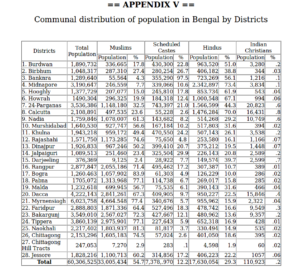
The Bengali Muslim population is estimated to be at 55% in 1935. Presently out of 300mm Bengalis worldwide, 185mm (61%) are estimated to be Muslim.
The caveat is that these 1935 Bengali districts don’t include Sylhet. My rough calculations is that the Sylethi population could potentially increase the 55% Muslim figure in 1935 to as high as 58%.
In conclusion the Hindus & non-Muslims of Bengal and Sindh have been able to maintain their relative strength in population even though the Muslim minorities can be said to be poorer and less educated (especially in the case of Sindh, the Sindhi Hindu diaspora is particularly prosperous). There is also the additional factor that Bangladesh has embarked, quite successfully, on family planning and other social projects.
The Myth of Muslim fecundity may have some basis but it is also heavily exaggerated. In this case Demographics is not Destiny.
Ps:These figures are iffy at best since they rely on Wikipedia; for instance the Sindhi Hindu totals do not add up to 7mm but I’m going on what’s generally available.
There was an interesting passage in this screed against Quaid-e-Azam:
A man who cannot extend unconditional love to his children, who casts them out for following their hearts, is a cold and callous human being, and not a leader worth following.
I’m not condoning what the Quaid did with regards to Dina Wadia but even so I don’t think material attachments, as a rule, should override ideological underpinnings. Disowning one’s child for marrying outside one’s religion is foolish but there are reasons as to why one would want to disown one’s child.
As an aside South Asia (especially Pakistan) seems moribund in its obsessiveness with the past and after the jump I’ve posted a passage, which my wife sent me, about Mindfulness in the present. Her contention is that the Old World in general looks backward rather than forwards to a gleaming future hence why the best Research Institutes in the world are West Coast USA.
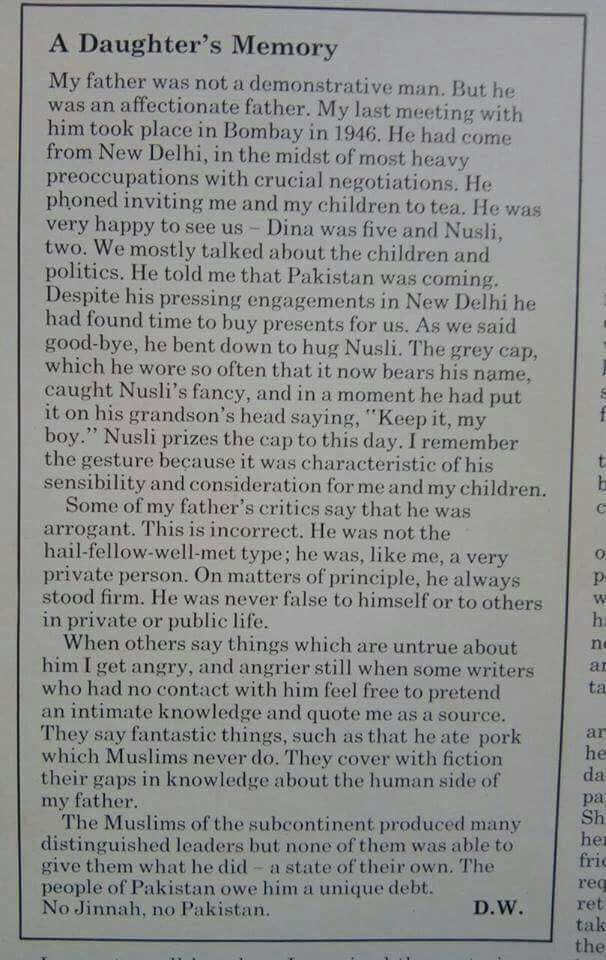
Quaid-e-Azam’s daughter Dina Wadia has passed away; here are her thoughts about her legendary Father & her sibling, Pakistan.


Before I share the notes on CPEC I thought I would share the Achievements of the Punjab Govt.
I attended a round table discussion on CPEC (I believe it stands for China Pakistan Economic Corridor).
A few salient points I gathered from the talk:
(1) there seem to be two routes for CPEC; one via West Punjab, Sindh and the other via KPK/Baluchistan.
(2) the Brits historically conceived as India ending West of the Indus and the start of Central Asia. British strategic planning in what was to become West Pakistan (West of the Indus) was essentially security related; to prevent incursions from the North West. Hence the discordance of railways in inner India and the lack of connectivity in Outer India (West of Indus). British approaches to West Pakistan would later formulate colonial approach to much of Africa (mitigation & mining as opposed to management; as the academic used the shorthand “diamond & slaves approach).
(3.) CPEC is a “black box” at the moment; very little information available on it at the moment. Criticism is also very muted and in fact there are reports of Pakistan societies in the UK being coerced to “shut up” by governmental authorities.
(4.) I raised the point that CPEC could never really be an economic endeavour but is a masquerade for PAK foreign policy. Lahore-Delhi and/or Bombay/Khi Links would generate tremendous eco-cultural several orders of magnitude to CPEC.
I’ll add more points as they come to mind..