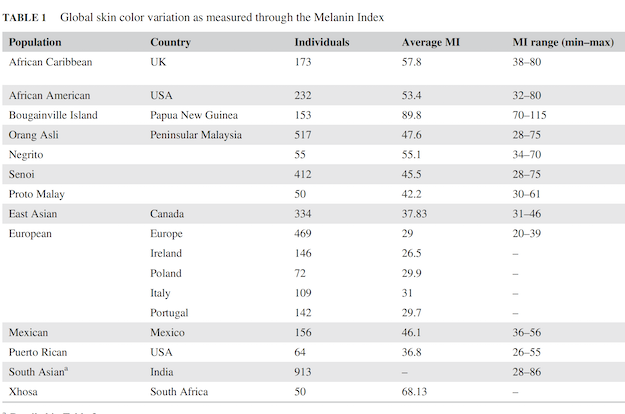
The figure at the top shows melanin indexes for a host of populations. The lower the value, the lighter the skin. So you see that Irish samples above have a melanin index of 26.5, while Italians have one of 31. East Asians in Canada have a melanin index of 38. Predominantly African ancestry populations have melanin indices >50, while the very dark Melanesian people of the Solomon Islands have a melanin index of about 90.
I don’t have much to add to this. I do notice however that in the Shires (which are still very English); the English are much more guarded about the “demographic transformation.”
It’s almost like a silent invasion (the Home Counties have changed irreversibly in a generation) and even though the terminology is somewhat loaded, the English are unused to being a minority in their own country (understandably so).
Scotland is still demographically very white British and accordingly their main animus remains with the English as opposed to immigrants (who they want).
What is interesting however (and Razib touched on this in our podcast) South Asians almost always perceive themselves to be a minority. India is so diverse that no one caste dominates and in Pakistan the birdaderi clan caste identity is important in parts of the Punjab.
So in a way South Asians haven’t internalised homogeneity as Europeans have done in the past few centuries (Treaty of Westphalia for Germany, Treaty of Versailles for the East).
This piece written in summer of 2017 is a backgrounder for Kingdom at a crossroad. This will help in understanding the background to my upcoming piece about challenges faced by the Kingdom in the aftermath of Jamal Khashoggi murder. Stay tuned.
Hamid
Royal Rumble – Dynamics of Saudi Royal Family
Hamid Hussain
‘In a western democracy, you lose touch with your people, you lose elections; in a monarchy, you lose your head’. Prince Bandar Bin Sultan, Former Saudi ambassador to Washington.
In the last two years, Saudi Arabia has gone through many changes. Absolute monarchies are not easy to decipher. There are many opacities and it is very difficult for any outside observer to have a real sense of events. Two main factors are very limited expression by Saudis in their own country and opaque decision making process in the form of decrees with flavor of palace intrigue. A Saudi will not express his honest view in the presence of another Saudi due to fear factor. In view of these limitations, the perspective of an outsider has severe limitations.
Current system of governance of the country is based on accession to throne of one of the sons of the founder of the country Abdul Aziz bin Abdur Rahman al-Saud (d. 1953). He works with other family members especially senior princes, Council of Ministers (most of whom are also royal family members) and Council of Senior Clerics in running day to day affairs of the country. There is a fair amount of competition among all these groups about various issues and King carefully balances his act to avoid open conflict.
In January 2015, Salman bin Abdul Aziz ascended to Saudi throne after the death of his brother Abdullah bin Abdul Aziz. He came quite late into the complex inner power circle of the al Saudi royal family. He was appointed Governor of Riyadh province in 1962; a post he held until 2011 when he was appointed Defence Minister. For five decades, his main influence was in business and media through his sons and a half-brother (Sattam bin Abdul Aziz). His sons controlled different business and media interests. Abdul Aziz was Assistant & Deputy Minister of Oil and now Minister of State for Energy Affairs, Faisal owned Sharq-al-Awst newspaper and appointed Governor of Medina in 2013. Sultan is a pilot and worked at Saudi Ministry of Information. He now heads tourism commission with the rank of a minister. Khalid is also a fighter pilot and in April 2017 appointed ambassador to Washington. Turki, Saud, Rakan and Nayef are little known and involved in various business ventures. Fahad; a business tycoon and Ahmad with media interests died in their 40s from heart disease. Continue reading Dynamics of the Saudi Royal Family
X.T.M · November 11, 2018 · Comments Off on Race, class and birthday dinners..
In case you missed Anan’s post it was LV’s birthday this week. We went to a different part of the country and on the birthday night went to a very nice French restaurant.
The reason I mention this is a curious incident. There were three sets of diners; us, another older Anglo-American couple (I couldn’t grab the accent) and a group of 11 much older gentleman.
They were all white, WASPs (I hear them mention Italian and Jews) and in their 60’s. They were loud and interesting enough that we could overhear much of their conversation (country club Republican not a fan of Trump but decidedly pro-Kavanaugh).
As the evening wore on they became a bit more raucous (understandable for a group of 11) and they went on about hunting and the politics at their club (we were at corner ends apart and a column separated us so the fact that so much could be overhead is a testament to their volume).
Even the other couple were a bit weary of the crowd . However what happened next was an egregious breach of etiquette; the “chef” appeared and started dancing about the table. He engaged in general revelry and everyone at the restaurant was a bit surprised that the chef was so pally with this table.
It turned out it was one of the guest playacting on his way from the toilet. The reason this was such a faux pas is that this restaurant is very well-known for being a husband and wife team. The husband is the chef and the wife is front of the house.
It was by default a way to insult her husband since even though it was innocuous it just was not the done thing at such establishments.
I later mentioned to V that since my natural instincts are quite sympathetic to Waspy Republicans (I only moonlight on social media as a Social Justice Ghazi) I didn’t mind them to much.
However I imagine that if it had been a table of 11 Pakistani men up to the same antics I would have immediately been livid and ashamed of them “letting down our people.” I also suspect the matron would have done much the same even if it was a large table.
It’s always good to expose one’s own hypocrisies and biases and examine them. I suspect since I am on the periphery of Asianess and on the edge of white society; I’m always trying to knit two very different identities together, sometimes spectacularly sometimes abysmally.
It also goes to show that much as I feel British; I am very buttoned up in Britain. I always want to put my best foot forward (model minority syndrome) which is why I rag on the Mirpuris. When I am back home in South Asia I don’t need to *prove* my social status to anyone, it is simply assumed.
Britain of course is Ground Zero for Remembrance Day.
I find it a bit tiresome as to how both World Wars are constantly spun as being for “freedom.”
It’s a bit like how Mel Gibson retconned history in the Patriot so that a slave was fighting for the Americans as opposed to the British.
1.5mm Indians fought for the Empire in WW1 and after that war, as well as WW2, we were still subjects (slaves) of a foreign king.
It doesn’t matter that the British Empire was, by and larger, more benevolent than other Empires of its ilk but Freedom is Freedom. WW1 & WW2 weren’t fought in my name (my grandfather was a medic-doctor on the Burmese in the Second War) and while I respect the observation; I suspect it’s near hysterical commemorations.
Thankfully I can express these thoughts on BP since we have space here for privacy and nuance. However when I moonlight as a “Social Justice Ghazi” I notice the almost persistent humble brag of WASP civilisation.
History is always written by the conquerors especially English history. It’s probably a reflection of my deeply colonised mind that I can only read, write and think deeply in the English language; I’m short of any other perspective.
These thoughts sit squarely on this play I saw last night “the Djinns of Eidgah.” It’s about Kashmir and it was extraordinarily powerful. Incidentally it was written by a Bengali Hindu (Abhishek Majumdar) and the script was sterling.
I was surprised by how anti/India it was and of course as I saw the play my part-Pakistani blood, always latent always poisonous, was steaming in solidarity with my Kashmiri kin-folk.
There were some extraordinarily powerful scenes but having a blond girl play an Indian soldier and exclaim she is “Marathi” stretched incredulity. Another part was where the Arab actor (playing a Kashmiri youth) was pronouncing the lead “Bilal’s name in an Arabic rather than desi accent.
Kashmir of course is the Palestine of the Sub-continent. The Kashmiris are an arrogant, attractive and resilient people and their conflict is the zeitgeist that tends to overshadow other perhaps even equally worthy causes (Tamils, NorthEasterners, Baluch etc).
As a counter-factual if Kashmir had been joined to Pakistan (as it should have been) would there even have been a whisp out of that region today? I suspect not because the Muslims of Kashmir would have melded into Pakistan without trace or incident.
These are slightly unvarnished thoughts and I’m sympathetic that India can’t “retreat” from Kashmir without a huge loss of face. But it’s increasingly clear that Pakistan is a peripheral player in the India-Kashmir dynamics; the local Kashmiris are themselves in revolt.
The play “plays” on the tendency of the Kashmiris to refer to the Indians as “Indians.” The fact that India is seen as an entirely separate entity to Kashmir reflects that Freedom is a difficult quality to define and sometimes so is nationhood.
One of Cambridge’s best colleges has a pretty good bar. The bar did a Diwali special and accordingly the Indian girls wearing saris thronged the dance floor.
At that point one of the students (Coloniser ethnicity) whispered to another “this actually looks like Pakistan.”
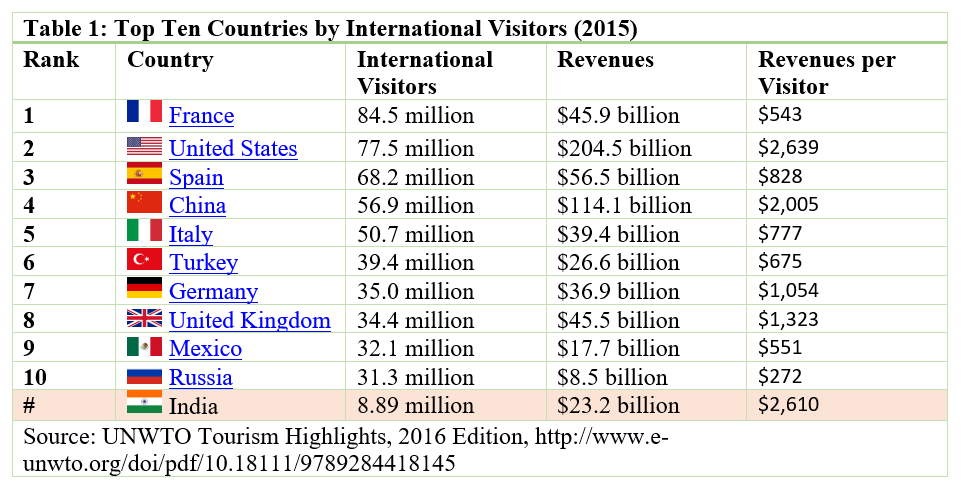
/the Incredible India Ads feature Colonisers “rediscovering” India (Maharani of Manhattan). The Chinese don’t seem to have that attitude towards Westerners and Tibet received 30 millions in 9 months (imagine Kashmir getting those numbers).
The reality in Pakistan and India may (or may not) be the same however the political and philosophical aspirations of the two societies are in entirely different directions.
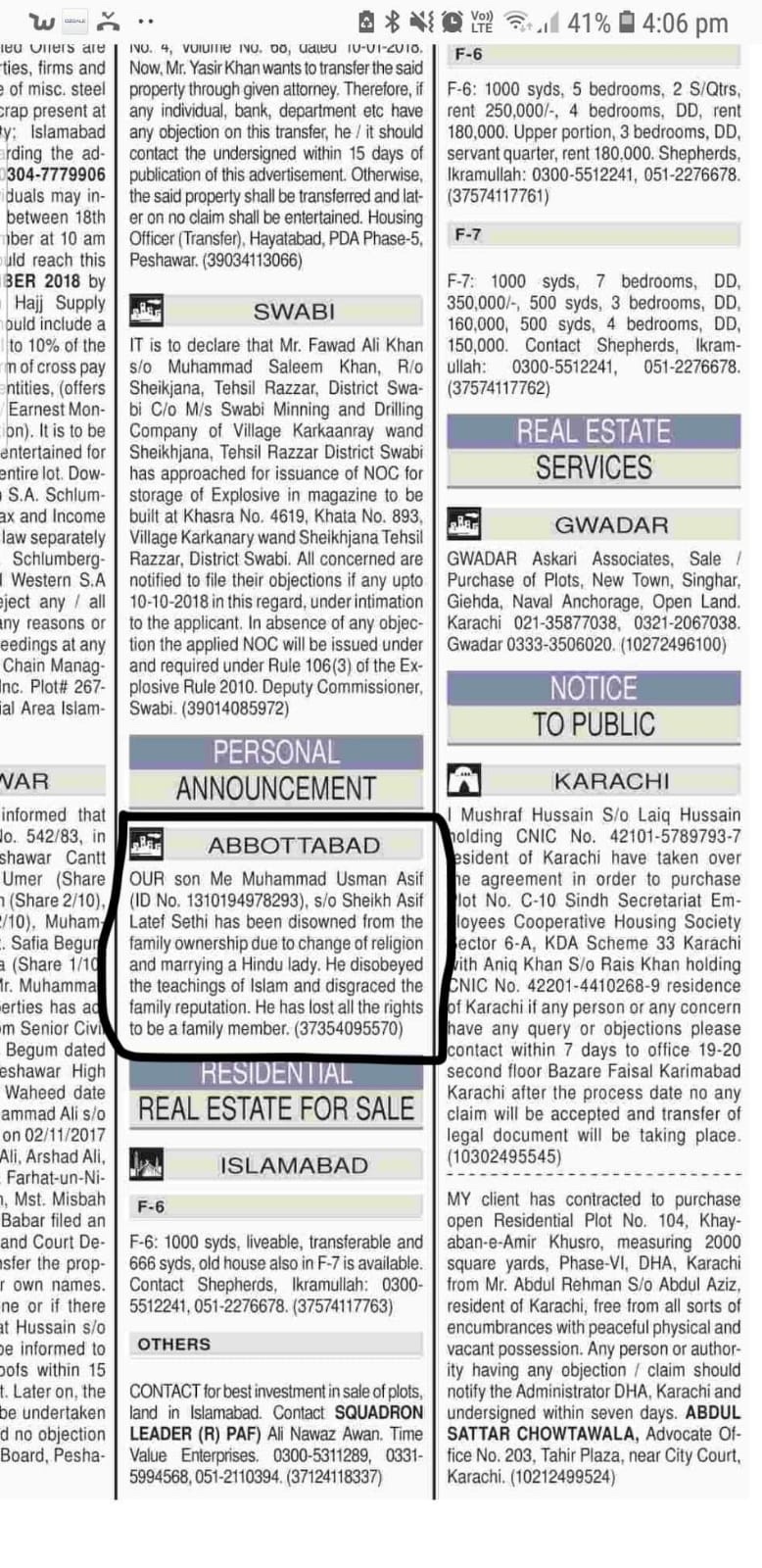
There may be many families in India who would disown their child for marrying outside of caste & religion however none of them would have the temerity to post it publicly in a newspaper. In Pakistani culture the shame isn’t on the parents for doing so but the young man for marrying out.
I was going to remove my previous post as it was quite incendiary and with Aasia extradited but Paki liberals need to be shamed into action.
1 – He was relatively fair. I mean you knew what talking points he was going to deploy and what his conclusion was going to be.
2 – Minhaj is very American. A particular sort of American. Though the episode focuses on “Asian Americans”, Minhaj sounds like he was birthed out of The Daily Show comedy-clone factory.
3 – I don’t think it was that funny. And I don’t think the audience found it particularly funny either.

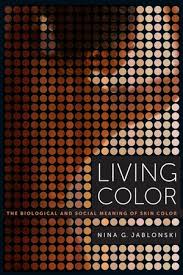 A massive new review, Shades of complexity: New perspectives on the evolution and genetic architecture of human skin, pointed me to another paper on South Asian skin color, The influences of genes, the environment, and social factors on the evolution of skin color diversity in India. I was very interested because South Asians have been telling me about complexion my whole life. Usually, it is to suggest that their group is lighter than some other group. So I thought it would be interesting to post some data.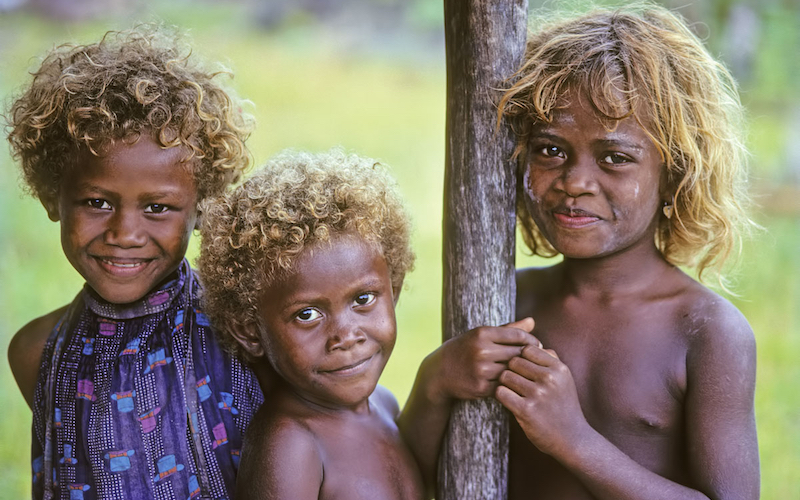
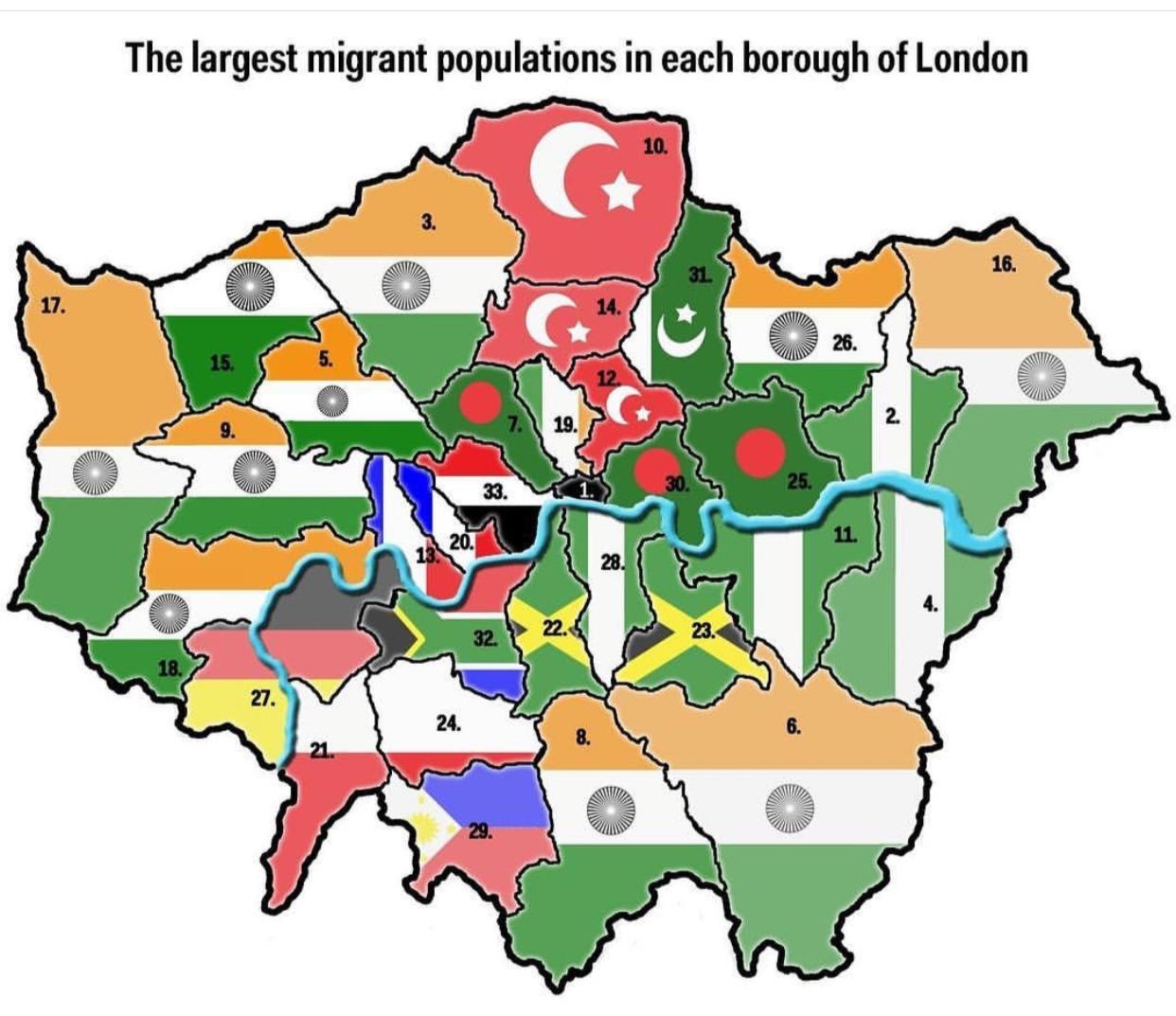
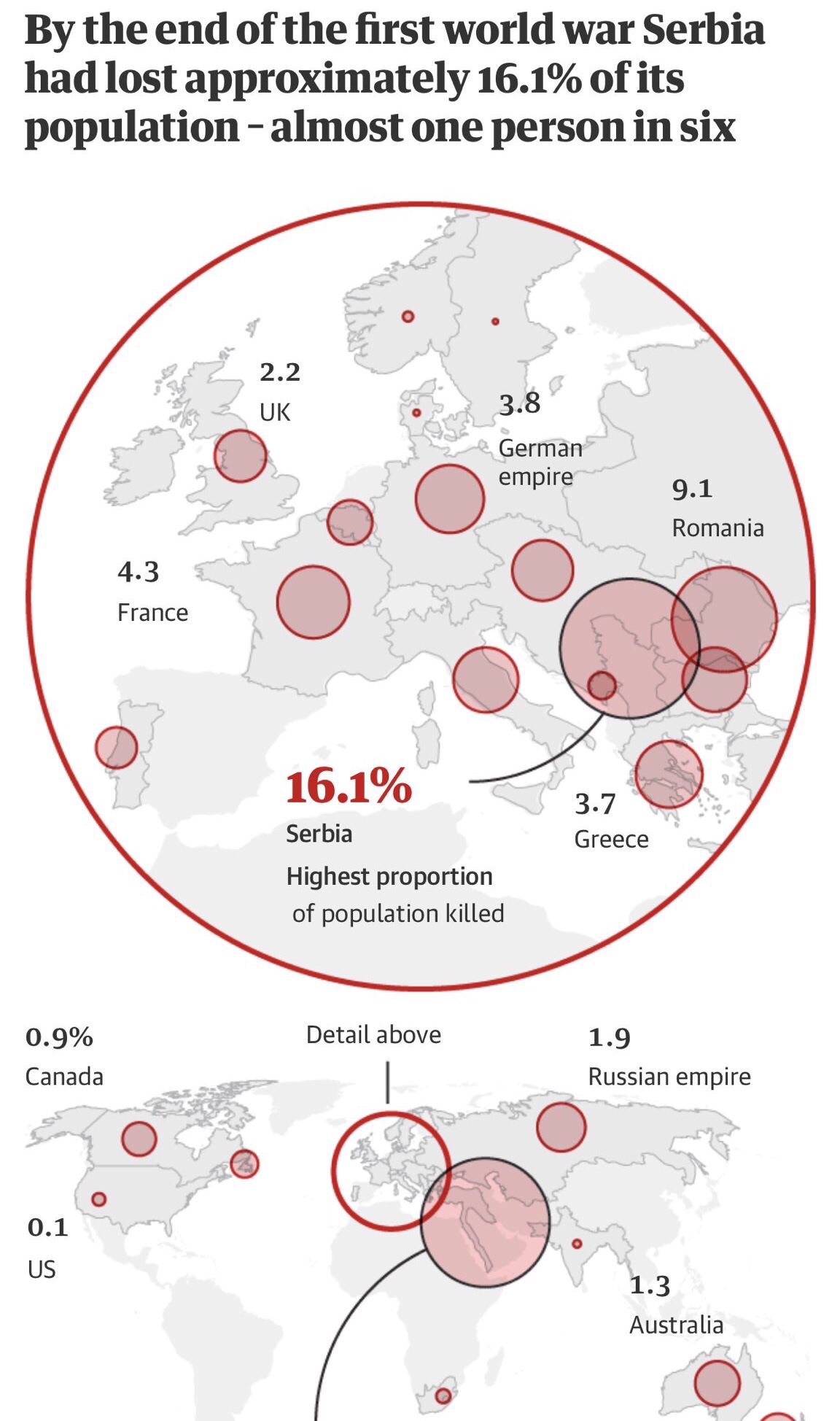 For our Serbian Comrade, Milan.