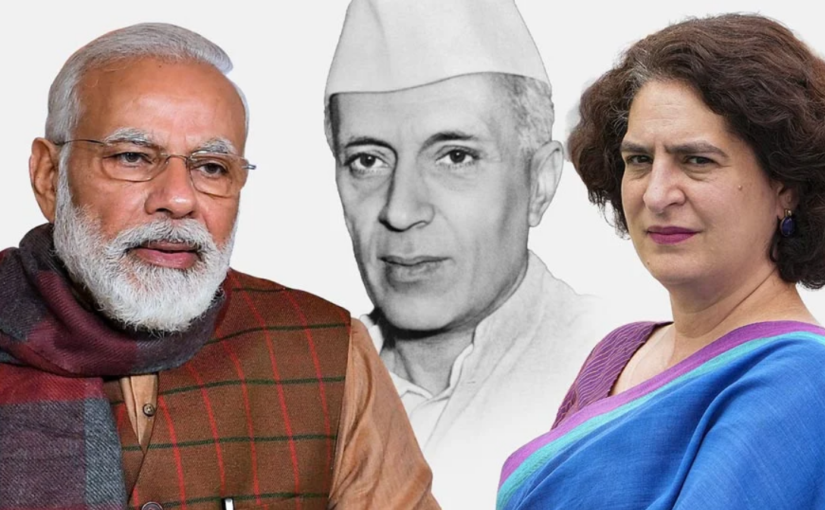
Priyanka Gandhi Vadra targeted PM Modi over the latter’s repeated Nehru bashing, and i felt a some happiness that someone was voicing what i had felt for 6 odd years now, and done so in a rhetorically effective way (unlike her brother).
“When Done Nehru Bashing, Debate Unemployment”: Priyanka Gandhi’s Top Quotes
You can find the entire speech on YouTube : LIVE: Smt. Priyanka Gandhi ji speaks in Parliament on the 150th anniversary of ‘Vande Mataram’.
Ram Guha has said multiple times that if Rahul and Priyanka were to leave the INC, the charge of dynasty and sins Nehru and Indira (real and alleged) wouldn’t pull the INC back as much as it does. But i think we are at a point where even firm BJP supporters are fed up of BJP’s Nehru bashing and its bound to have diminishing returns.
Its been 12 years and Nehru bashing brings cheers from only the hardcore supporters and none others. Maybe we are at an inflection point, maybe not.
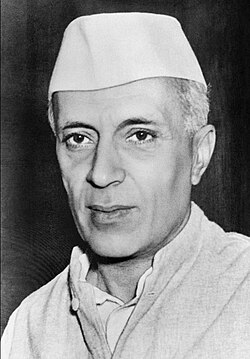
Personally I remain an admirer of Nehru while disagreeing with his decisions profoundly. Maybe i will expand upon my criticisms and praise at some point but i do not think Gandhi erred massively in choosing Nehru over Patel. While i do think Gandhi shouldn’t have gone against democratic nature of congress (which had chosen Patel), I do think Nehru would have been a better PM had Patel remained alive longer into Nehru’s term. A bit cliched but Nehru’s life kind of reminds me of famous lines from Dark knight trilogy.
You die a hero or you stay alive long enough to become a villain.
I am not into fortune telling but i think the path Modi is following is very similar to his great opponent (atleast in his own mind), Jawahar Lal Nehru. I think they’re a bit more alike that their followers think. But all thats for another time.