
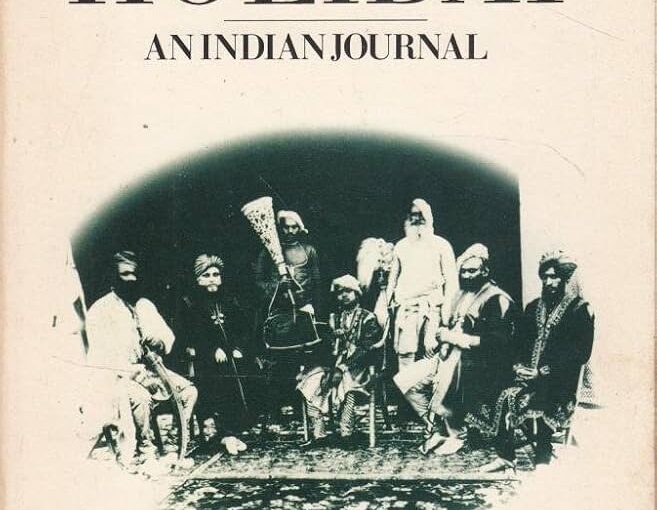
Review: Hindoo Holiday by J.R. Ackerley

I am cross posting this review here because Hindoo Holiday is a fascinating work of literature describing one man’s experience in a princely state during late colonial rule.  Ackerley is a well-regarded British author. 

J.R. Ackerley’s Hindoo Holiday–originally published in 1932–tells the story of the five months (December 1923-May 1924) he spent as secretary to Maharaja Vishwanath Singh of Chhaturpur (called “Chhokrapur” in the book). In his “Explanation”, Ackerley describes the Maharaja’s motivations for hiring a private secretary from England. He writes:

He wanted someone to love him–His Highness, I mean; that was his real need, I think. He alleged other reasons, of course–an English private secretary, a tutor for his son; for he wasn’t really a bit like the Roman Emperors, and had to make excuses.

As a matter of fact, he had a private secretary already, though an Indian one, and his son was only two years old; but no doubt he felt that the British Raj, in the person of the Political Agent who kept an eye on the State expenditure and other things, would prefer a label–any of the tidy buff labels that the official mind is trained to recognize and understand–to being told ‘I want someone to love me.’ But that, I believe, was his real reason nevertheless.
Continue reading Review: Hindoo Holiday by J.R. Ackerley

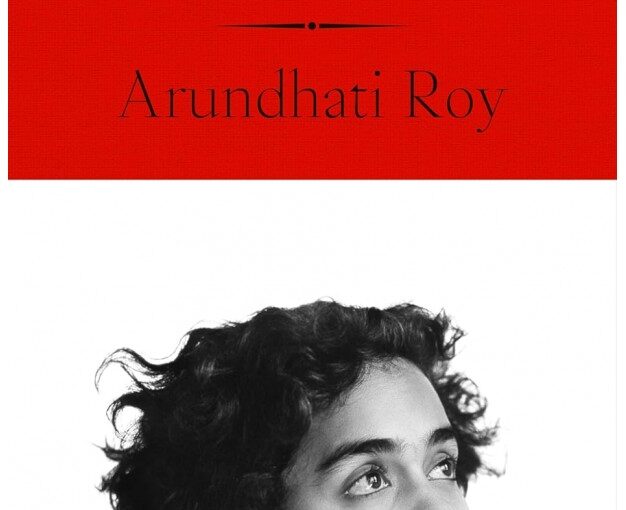
Review: Mother Mary Comes to Me by Arundhati Roy

Arundhati Roy is an Indian writer and public intellectual best known for her Booker prize winning novel The God of Small Things. In 2017, she published her second novel The Ministry of Utmost Happiness (which I have previously reviewed).

I eagerly looked forward to reading Roy’s recently published memoir Mother Mary Comes to Me (Scribner 2025). Though it is ostensibly about her contentious relationship with her mother, Mary Roy, the book is really about Roy’s own development as a writer and a thinker. It will particularly appeal to those who are already familiar with Roy’s novels, especially The God of Small Things. Many of the sections describing Roy’s family background and childhood clearly have parallels to that novel.

The memoir also details the evolution of Roy’s political views. Many of these will also be familiar to those who have read her non-fiction (or indeed The Ministry of Utmost Happiness which includes topics such as the Kashmir conflict, rising Hindutva, and Dalit assertion against upper-caste violence).

Some other reviewers have criticized the memoir for focusing too much on politics. In their opinion, the strongest sections are those that revolve around Roy’s relationship with her mother. However, Roy is an intensely political writer and I believe that it is impossible to understand her works without appreciating her political commitments–if not necessarily agreeing with them. Continue reading Review: Mother Mary Comes to Me by Arundhati Roy

Brown Pundits