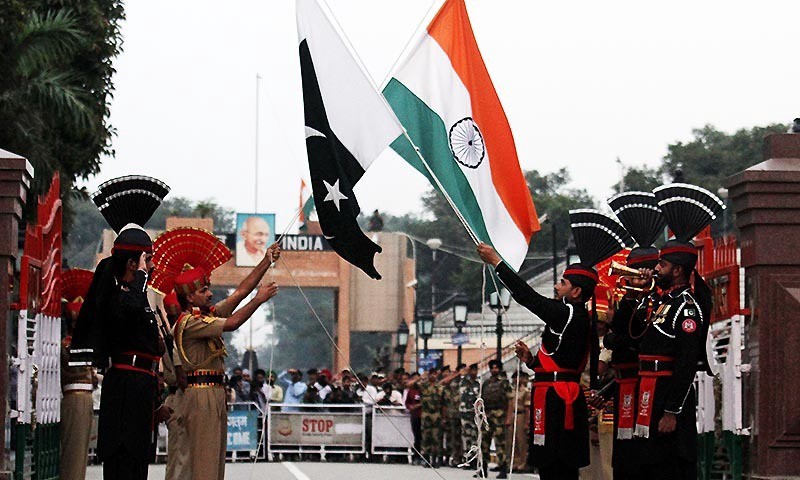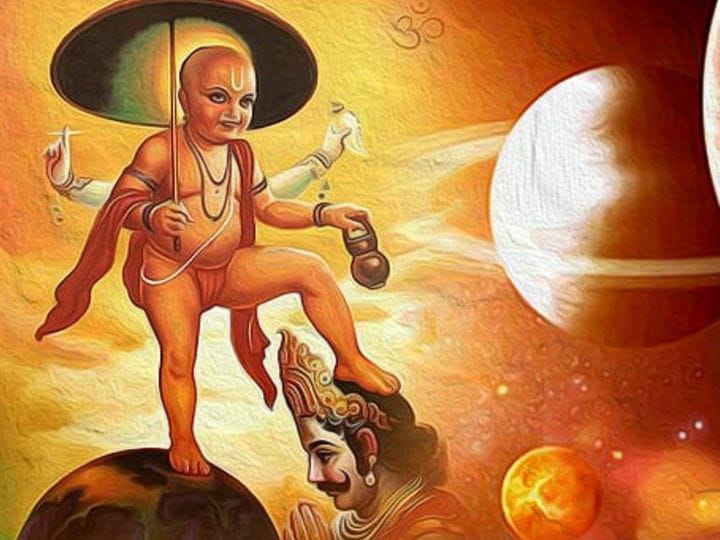
This is first in the series of blogposts I plan to write about my worries with Hindutva.
Every year on Onam, social media witnesses flame wars between Hindutva and Anti Hindutva forces. The point of contention often is the Hindutva assertion that Onam is Vamana Jayanti and the counter to that is Onam is a secular harvest festival of Kerala. BJP handles have been tweeting their versions of Onam ever since they have been active on internet. The level to which both sides are unwilling to compromise on occasions of festivals – which ought to reflect human community celebrations, is petty. This year Arvind Kejriwal, flush with his success as modeling himself as a Hindu (or Soft Hindutva), took to twitter with this. It was met with a reply from Shashi Tharoor which in turn was countered by ever growing internet Hindutva – including the widely popular TrueIndology. One cant expect these flame wars to subside anytime soon, given the interest people have been taking in history & hindutva these days.
For decades, liberals have critiqued the Hindutva project as exclusionary. The Hindutva response is – wrt Abhrahamic faiths – if that only these people (religions) connected with the culture on ground and accepted native customs along with their own customs, we wouldn’t protest. For the Hindutvavadis, the said project was always Indianize (not Hinduize they claim) these monotheistic faiths, so that these faiths are more integrated in the larger Indian society. By that train of logic the Hindutvavadis should be happy if Keralites Christians & Muslims celebrate Onam as a Secular festival. Couldn’t this be held as a beacon of syncretic Keralite culture which the country should follow ? For most times, festivals evolve and change with times, their origins though not irrelevant, tend to become less salient as time goes on. The origins of Christmas are testament to the fluid nature of festivals. Onam in Kerala is a truly spectacular festival full of dances, food, music, boat racing and many things, not unlike Diwali. Across the world, harvest seasons have festivals and religious significance because of the underlying material importance. Do contested origins of festivals matter or the human community experience of festivals matters? Nowruz (whether that is an Iranian mirror of Holi is something that interests me) celebrated by the broader Iranian people, after a millennium of Islam is a testament to the longevity festivals rooted in culture. The insistence of always getting sole ownership of the Onam story comes of as toxic chauvinism & deliberately exclusionary IMO. Yet every year, there are the same debates around Onam with Keralite Christians and Muslims abused for trying to own Onam in a way they have come to define it. (Ricebags and other demeaning words are often used).
The apparently ironic way the Hindutva movement is becoming very much like its primary enemy is not really unprecedented. VD Savarkar, the foremost and most intellectual ideologue of Hindutva was critical of Muslims and Christians putting their religion above the country. Sadly during the negotiations of princely states, Savarkar himself campaigned for independent Hindu Travancore against the plans of Sardar Patel. It can be alleged he put Hindutva before the country at that moment – exactly what he accused Muslims of for all those years. Yet Hindutvavadis have no qualms putting Patel and Savarkar in the same tent – while claiming Patel and Nehru had irreconcilable differences.
These flames wars were merely part of twitter for a few years but now they’re penetrating larger audiences via whatsapp. While this may be a symptom of taking trivial social media more seriously than it deserves, the point I am arguing is beyond the flame wars of twitter. There is a deliberate and uncompromising framing of Hindutva underway – which covers a variety of tropes from calling Jains/Sikhs Hindus to soft diktats against celebrating Christman/Eid. I consider these manifestations of the nascent ideological moorings, troubling. In a weird way at times, I hope Hindutva remains REACTIONARY and resists ideological framing, for I am more wary of deep ideological movements than mere reactionary ones.
While its not my argument that their might not be any deliberate maneuvering by the liberals in framing of the Onam as a secular festival – I dont know and I dont care enough to investigate. If the world Hindu is defined as broadly as some do, everything east of the Sindhu will be Hindu & most festivals will have some connection to traditional Hinduism/native religions. At end of the day what matters is Onam is a harvest festival for Keralites.
Post Script:
I personally have tried to indulge in the so-called Dharmic/Indic arguments for India (Harsh Madhusudan& Rajeev Mantri are publishing a book i am looking forward too), put they also indulge in unnecessary labeling IMO. I find the use of these labels – Dharmic/Indic – churlish at times.
As usual all comments short of abuse are welcome.
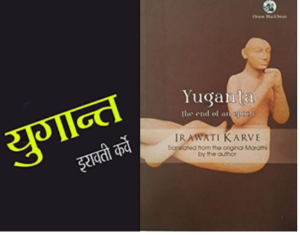 Yugant confronts various versions of Mahabharat analytically and tries to make sense of character arcs and motivations. Intelligently analyzed without religious respect but with literary respect. The motivations of Pandavas for marrying Draupadi as the Royal Queen are very well explained. The literary accounts of chats between Dhritarashtra and Gandhari & those of Draupadi’s death are very well written and move your heart. Krishna (Vasudeva) stands out not only because of the brilliance of his character but the wonderful analysis and the crisp unraveling of his motivations. The Arya (Kshatriya) Dharma is explained in Krishna and Yugant chapters. The author enthralls with deep and intelligent writing in the final chapter that resonates wonderfully even in the 21st-century internet age. The sincere and irreligious comparisons of Mahabharat Era – Arya Dharma to contemporary Hindu religion and other Prophetic Faiths are interesting. Throughout the book, the author refrains from applying current Zeitgeist as a yardstick – something which is refreshing in 21st century polarized analysis and debates which always have political undertones. Even without a direct running story arc – the arrangement of essays offers a wonderful climax – especially Krishna and Yugant chapters. With recent elevation of Heroic Karna in Indian literature and thought, a look back of the character of Karna as seen in 1950s-60s is a pleasant change.