
Listening to Iran

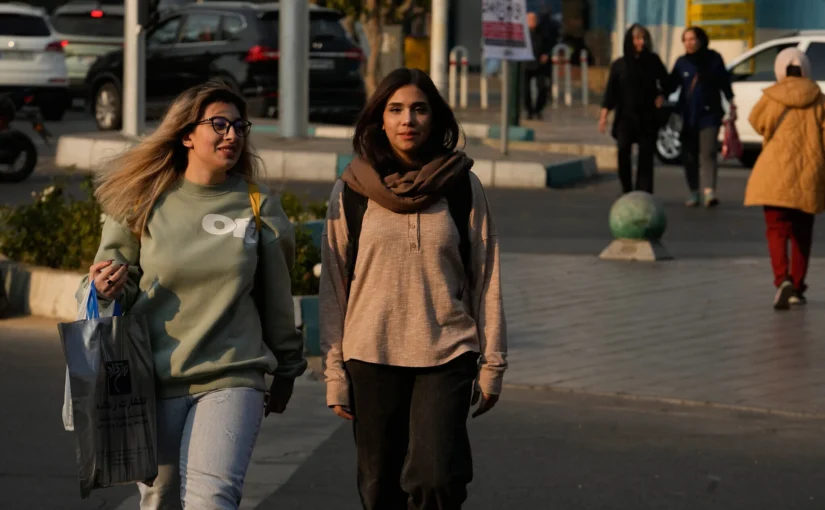
I was not reading reports. I was speaking to Iran. After weeks of silence, the internet briefly opened. Voices percolated through. What they described was not protest energy. It was systemic strain.

The figures circulating privately are severe. Tens of thousands dead, according to some accounts. Whether the numbers are precise is less important than where the pressure is concentrated. This is not confined to Tehran or large cities. It is acute in smaller towns and provincial centres.

The big urban areas remain relatively stable. It often is. But towns in the North and across the interior are absorbing the worst of the economic collapse. Inflation there is not political language. It is daily arithmetic.

This marks a shift. The Islamic Republic rested on a broad social base: provincial populations, lower-income groups, and religious constituencies. That base is now under strain. Discontent is no longer segmented. It is shared. Continue reading Listening to Iran
Pakistan, the deciding hinge between the West & CRINK

Pakistan does not announce itself as a great power. That is precisely why it works.

Prussia, built on Position, not Pretension

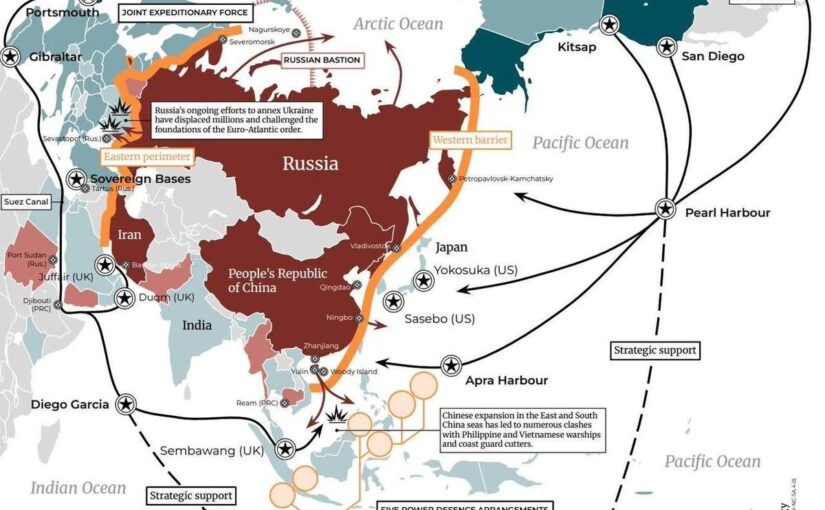
In a world that is reorganising around blocs, chokepoints, and undersea cables, Pakistan has emerged as one of the most dextrous middle powers on the planet. Not because it dominates geography, but because it understands it. Not because it leads alliances, but because it survives them. Most states are trapped by their alignments. Pakistan is not. It sits at the hinge of the Eurasian landmass: between the Gulf and Central Asia, between China and the Muslim world, between the Indo-Pacific and the Middle East. This position is dangerous for weak states. For competent ones, it is leverage. Pakistan has learned how to convert constraint into flexibility.

Dexterity & Diplomacy as Strategy Continue reading Pakistan, the deciding hinge between the West & CRINK

Brown Pundits