
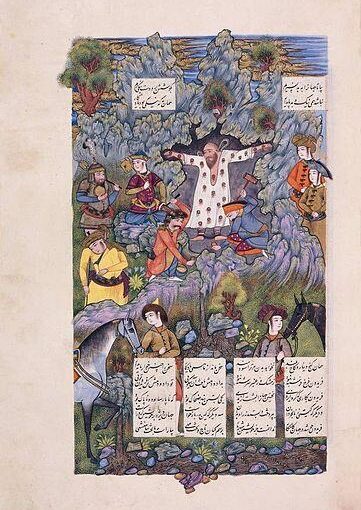
Zahak versus Husayni

On March 1, 2026, Reza Pahlavi issued his statement on the killing of Ali Khamenei: “Ali Khamenei, the Zahhak of our time; the evil being who, just a few weeks ago, issued the order to slaughter tens of thousands of Iran’s finest children, is gone.

The Shahnameh framing was not ornamental. For years, Pahlavi has used the Zahhak figure, the serpent-shouldered tyrant who fed on the brains of Iran’s youth, as his shorthand for the Islamic Republic.

Zahhāk: An Etiology of Evil - The Markaz Review

And Khamenei, symmetrically, had organized his entire ideological project around the Husayni archetype: the martyr of Karbala, the one who refused submission before Yazid’s overwhelming power. Every day is Ashura. Every land is Karbala. That was the grammar of the revolution.
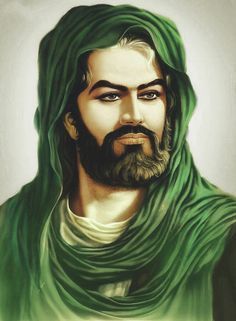
Imam Hussain: The Man Who Opposed the Founding Fathers of ISIS | HuffPost  Contributor

Now the “Zahhak” is dead (or the Husseiny attained martyrdom depending on your viewpoint). The question that follows is the only one that matters: who is Iran? Continue reading Zahak versus Husayni
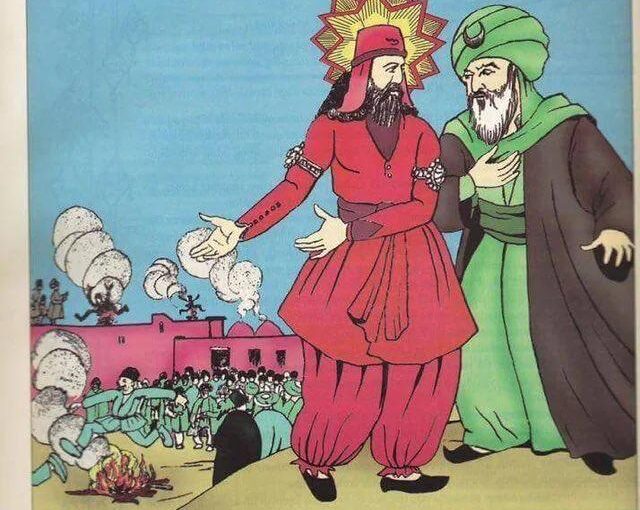
Lord Zoroaster’s Fire Still Burns

In the 1920s, Soviet Azerbaijan produced a remarkable satirical magazine called Molla Nasreddin. It mocked clerics, superstition, empire, and authority with a sharpness that would soon be extinguished by Stalinist conformity. One cartoon from that period shows two figures standing side by side: Lord Zoroaster in red, radiant and amused; Prophet Muhammad in green, solemn and slightly defensive. Below them, a crowd leaps over a fire.

Lord Zoroaster turns and says: “You claimed to bring them a new religion, but they still jump over my fire.”

The joke is simple. The implication is not. It is a jab at how ancient Persian customs; Nowruz, fire-jumping, seasonal rites, survived Islamic conversion not as relics, but as living practice. Islam arrived. The civilisation did not leave. The fire stayed lit.

Iran Is Not a Regime Problem Continue reading Lord Zoroaster’s Fire Still Burns

Brown Pundits