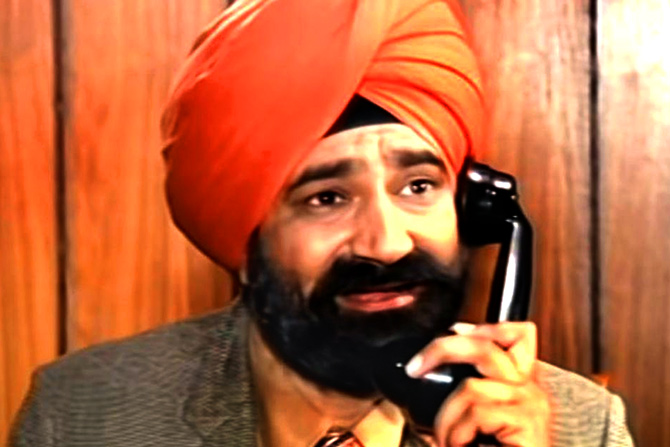
Growing up in 90s India, one couldn’t avoid the jovial Sardar caricature in the Entertainment industry. Most Sardars one saw on television we either Jaspal Bhatti/Navjot Siddhu or Jaspal Bhatti/ Navjot Sidhu on steroids. It’s been decades since these caricatures made an impression on my mind, but still, the moment I see a Sardar, I tend to start assuming him to be a jovial, funny, and extroverted person – and in my experience, that stereotype has mostly held up in my eyes. So when I read news articles of Sikhs being targetted in the United States in wake of the 9/11 attacks as an 11-year-old, I was extremely confused. In my eyes how someone could confuse a full and rich bearded and turbaned Sardar with a moustacheless Muslim extremist stereotype.
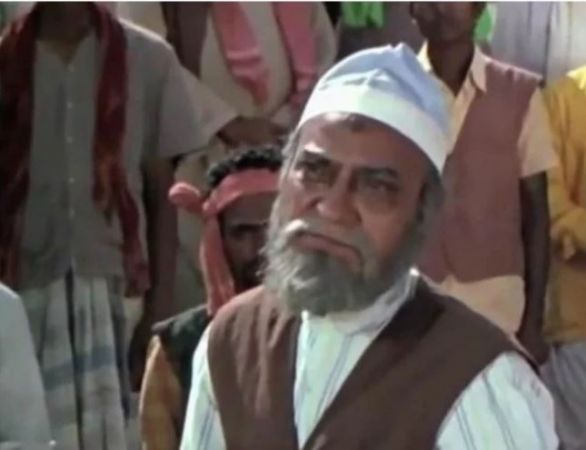
Similarly, the honest Muslim Chacha was surely aimed at creating a positive image for bearded and capped Muslims who had humble professions. But for someone like me who was initially inoculated with even more powerful imagery of the bearded Muslim (as illustrated below), the Bollywood Muslim stereotype wasn’t enough to leave an impact on my subconscious mind.
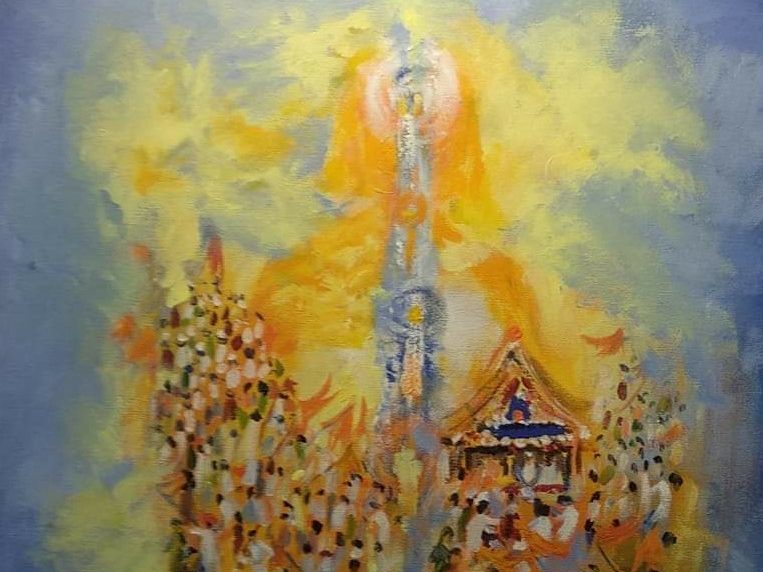
The image I am talking about is shown below :
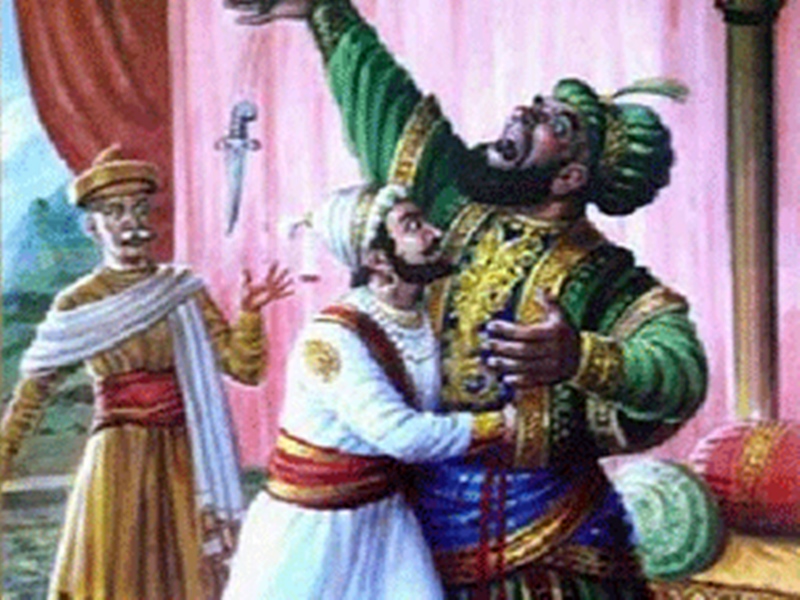
Around 1 km from where I stay, an entire wall is painted with this image with the title – “This is how terrorism ought to be tackled” in Marathi. Growing up in Maharashtra, every Ganesh festival, half the pandals (decorations made for celebration ) are about Shivaji – and a significant number of them have either bearded & mustache-less Afzal Khan, Shaista Khan, Aurangzeb. The strong impact this imagery made on my psyche wasn’t countered enough by the various Bollywood chacha’s I grew up seeing.
As a result even at age of 25, I held on to a tiny bit of the initial instinctive negative reaction when encountering bearded moustacheless individuals. Some years ago, I had convinced myself that my reaction was due to the aesthetics of certain styles of facial hair which I do not find appealing. Later reading a novel in which the daughter/son (Thousand splendid suns or Kite Runner or Not without my daughter) was playing with her Abbu’s mustache less beard made me realize the error in my ways. Since then I have made a conscious effort to curtail that initial reaction and have been largely successful Was this reaction bigotry on my part? or something else?
Coming to the recent controversy where the radical atheist author Taslima Nasreen made an off-hand and poor tweet about England cricketer Moeen Ali. Taslima Nasreen is known to fly off the handle – especially with poorly worded tweets – was instantly attacked by Moeen’s England teammates. Irish England captain Eoin Morgan made special mentions after the 2019 world cup of the multicultural atmosphere of the English team – which means bearded (conservative?) Muslims like Moeen Ali and Adil Rashid (or Monty Panesar) don’t stick out like a sore thumb and that is progress of a kind in my opinion.
Similarly, at the age of 16-21 as a radical atheist (when I assume I was a lot more immature than I am today), even the Hindu Tilak invoked a strong reaction in me. But today, like the beards, skull caps (the *out of tribe* symbols of identity/belief) I do not have any reaction to the Hindu religious symbols. It’s a sign of shedding some of my atheistic/judgemental roots. But still, an image remains, even the sight of which troubles me to an unreasonable and illogical extent.
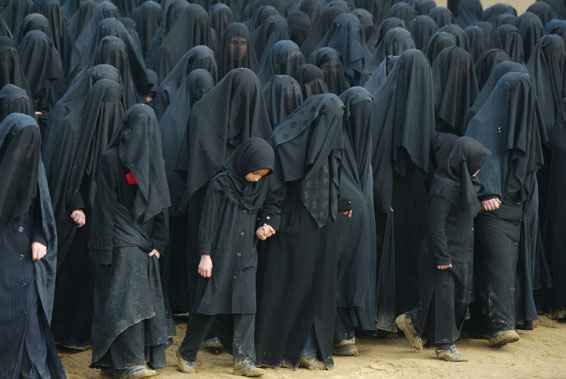
From beards and turbans, we come to the Burqa. Arguably the most controversial garment in the world, no matter how much I try, I cannot empathize or humanize the Burqa. I have observed over the years that whenever I travel (outside my ghetto Pune urban life) – especially in the summers – I grow more Islamophobic. The appearance of the Burqa in the sweltering heat of India sends such a strong and negative emotion in me, I cannot humanize it no matter how much I try. In the end, I feel it’s only the French who have got this issue sorted the way it should be. Of course, it infringes on the freedom of choice but I concede I am not that libertarian. As a wannabee male feminist, I do cringe when I see the North Indian (even Maharashtrian) Purdah or the hijab, but Burqa is definitely a line I believe I can never cross in the 21st century. Does this make me bigoted? I personally don’t think so but I could see the wokesters calling me so.
I have read the passionate defense by Khatija ( AR Rahman’s daughter ) of her choice to wear the Burqa. Having seen an iota of merit in that argument, I still feel for the greater good Burqas ought to be banned. (I don’t see it getting banned anytime soon anywhere in India). However, I have to acknowledge that whenever someone uses the *For the Greater Good* as part of their argument, maybe the argument isn’t watertight.
Post Script:
I understand this is a highly politically incorrect blog post to write. I have wanted to express these thoughts for months now, but something held me back. I have tried to be as honest and rounded in my thoughts as I could.
Please be constructive and respectful in feedback.
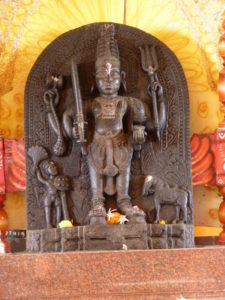
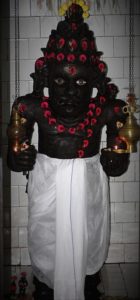 While Ravalnath is a Kuladevata for most Goans (all castes), Betal is a Gramadevata of some local communities. Vithoba, the popular God of Pandharpur( the annual Waari) is a very important figure of the Bhakti movement. Religious scholar and Sahitya Akademi winner RC Dhere who extensively studied Vithoba also hypotheses pre Vedic origins of Vithoba. Khandoba is another deity whose origins are similarly muddy with a range of theories explaining him as the fusion of earlier deities including Kaal Bhairav. Interestingly in the Puranic tale of Kaal Bhairav “his struggle for the atonement of Brahmanhatya” is central. Khandhoba of Jejuri remains a deity for not only the Sudra castes, but Brahmins, Jains, Lingayats, and even some Muslims including the patronage of comparatively tolerant Bijapur Sultan Ibrahim Adil Shah. While it would be tempting to dismiss this as some tenuous Donigerish take, the sheer numbers of such stories spread across the country strengthen the hypothesis.
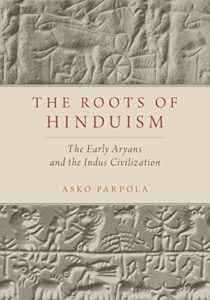 Whether the Pashupati seal from IVC or other Proto-Lingas are Proto-Shiva or not will likely not be resolved till we decipher the IVC script, but these speculations seem very plausible. Even Parpola doesn’t dismiss them in his Roots of Hinduism. In addition, Parpola makes a good argument in the IVC origins of Durga with seals of Tiger riding goddesses from Kalibangan. Similarly, we can say the Dravidian Murukan and the Vedic Skanda gave rise to the Karthikeya we know today. We still don’t have any intelligent speculation about the origins of Ganesha (other than some references to Gajapati), buts it fair to assume the elephant-headed god is a pretty late addition to the Hindu pantheon. The aim here is not to discuss and speculate the origins of these deities but to guess the mechanisms of integration of these deities and customs into Brahmanism. Brahmins had a huge ritualistic/moral capital, but given the tenuous or conflicting relations they had with the Kshatriyas and other dominant castes (as seen through numerous puranic stories especially those of Parshuram) it is fair to assume Brahmins would not often get their way with subtracting traditions they found Adharmic or uncouth, yet they could continue to shape these traditions from inside with participation. Pressure both from the masses and Brahmins would’ve actively shaped the integration of these traditions for centuries to the point where it’s often hazy where Brahmanism ends and where “Non-Brahmanical” traditions begin. (This probably happened with Sramana or Proto-Sramana traditions competing with Brahmanism but that is a different discussion)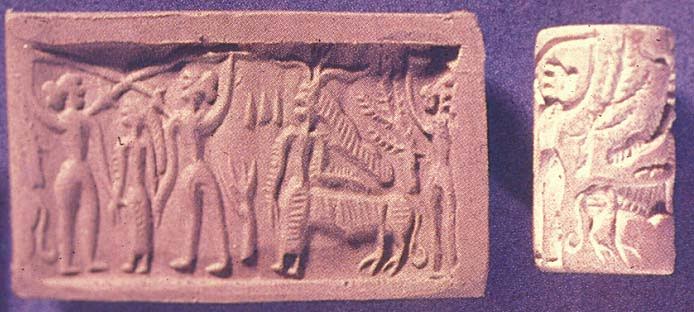

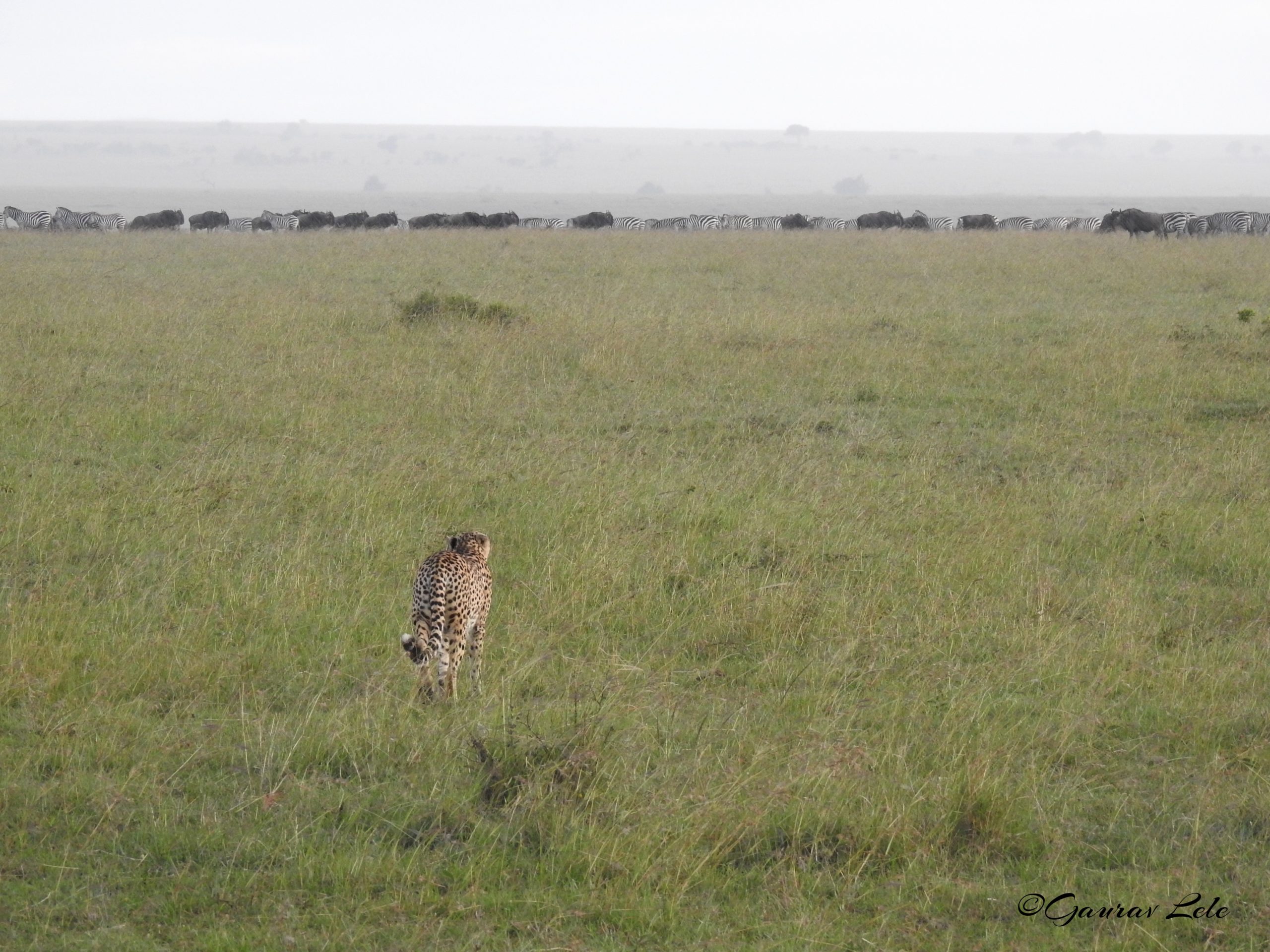
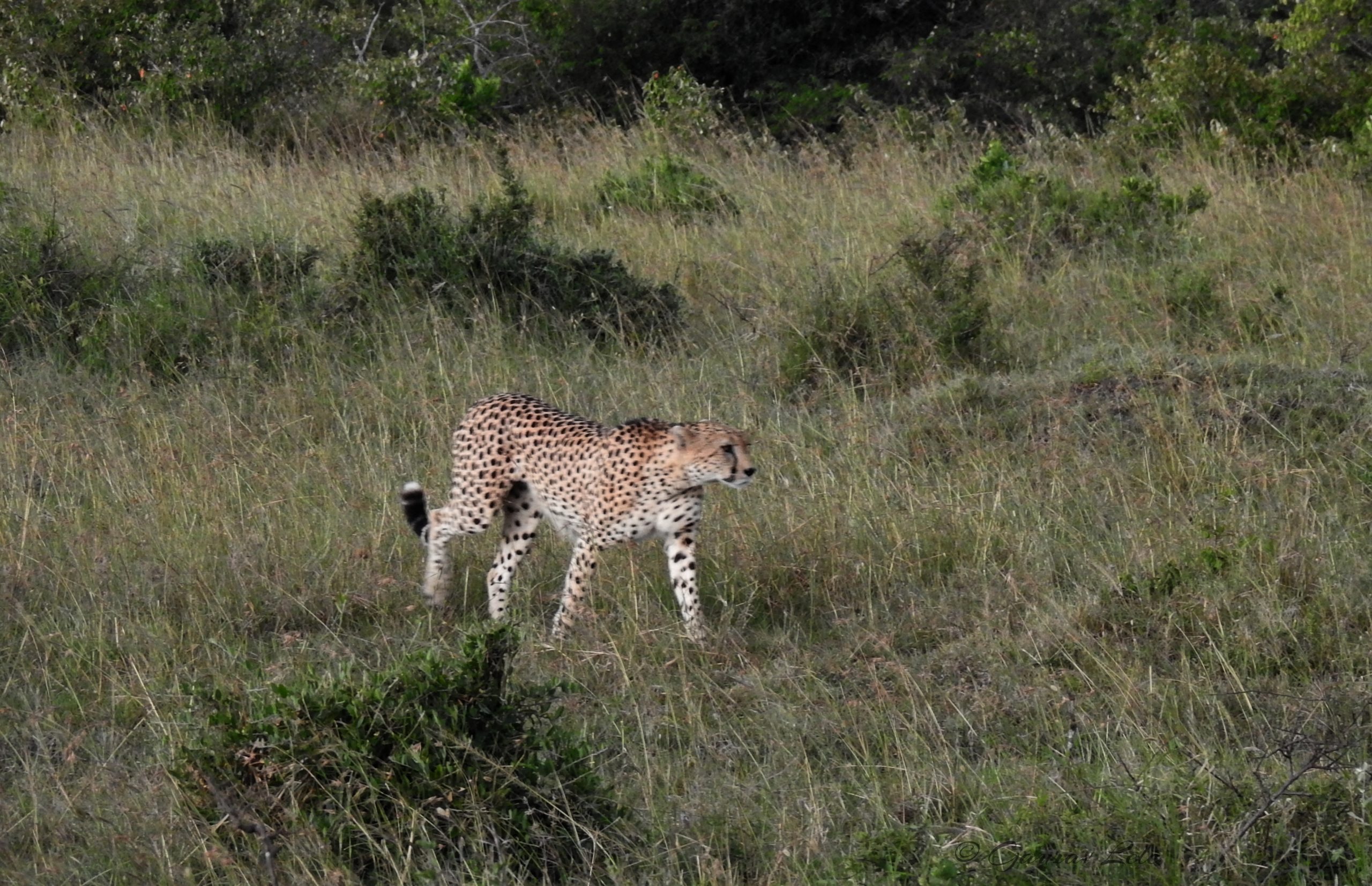
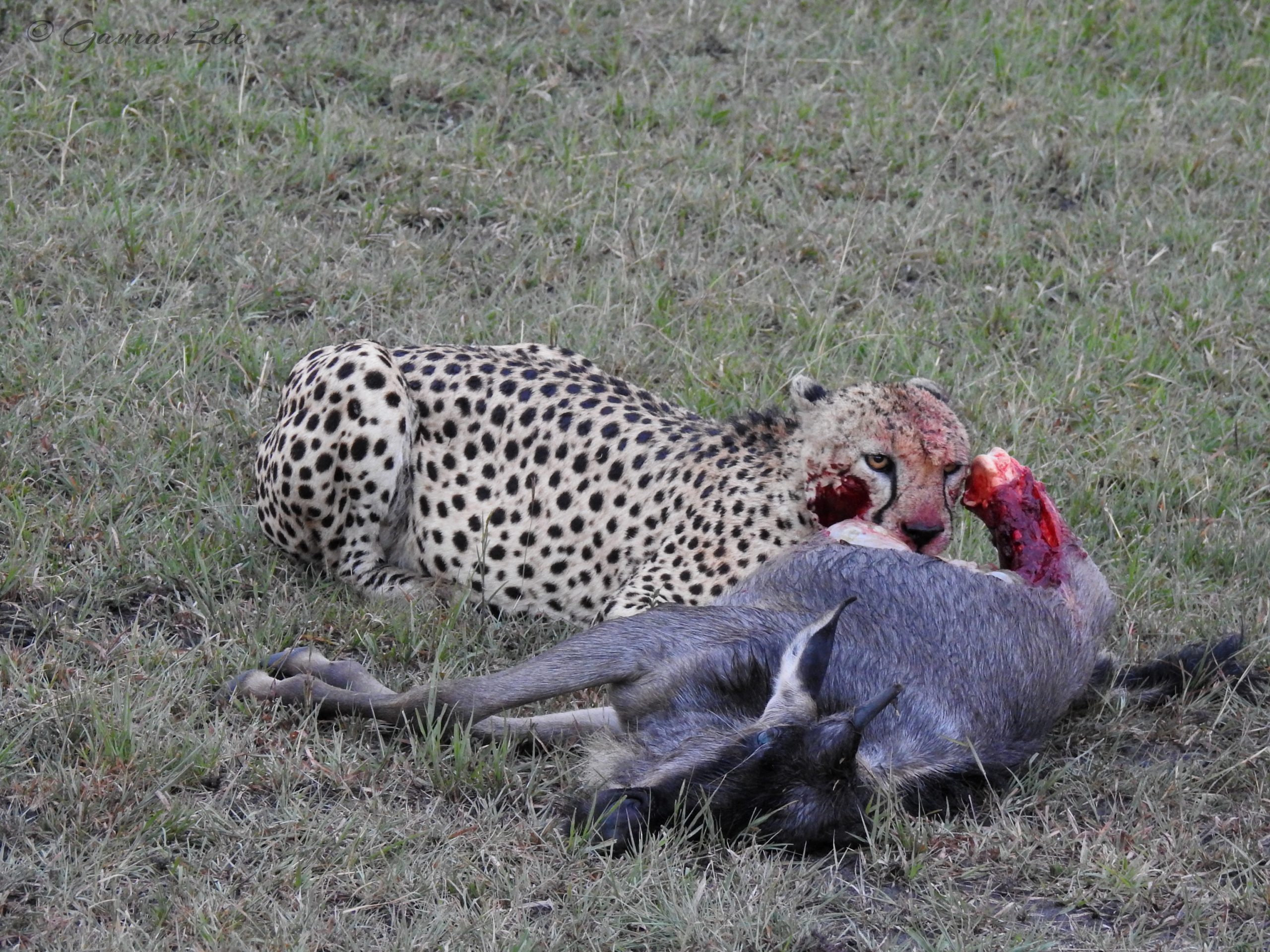
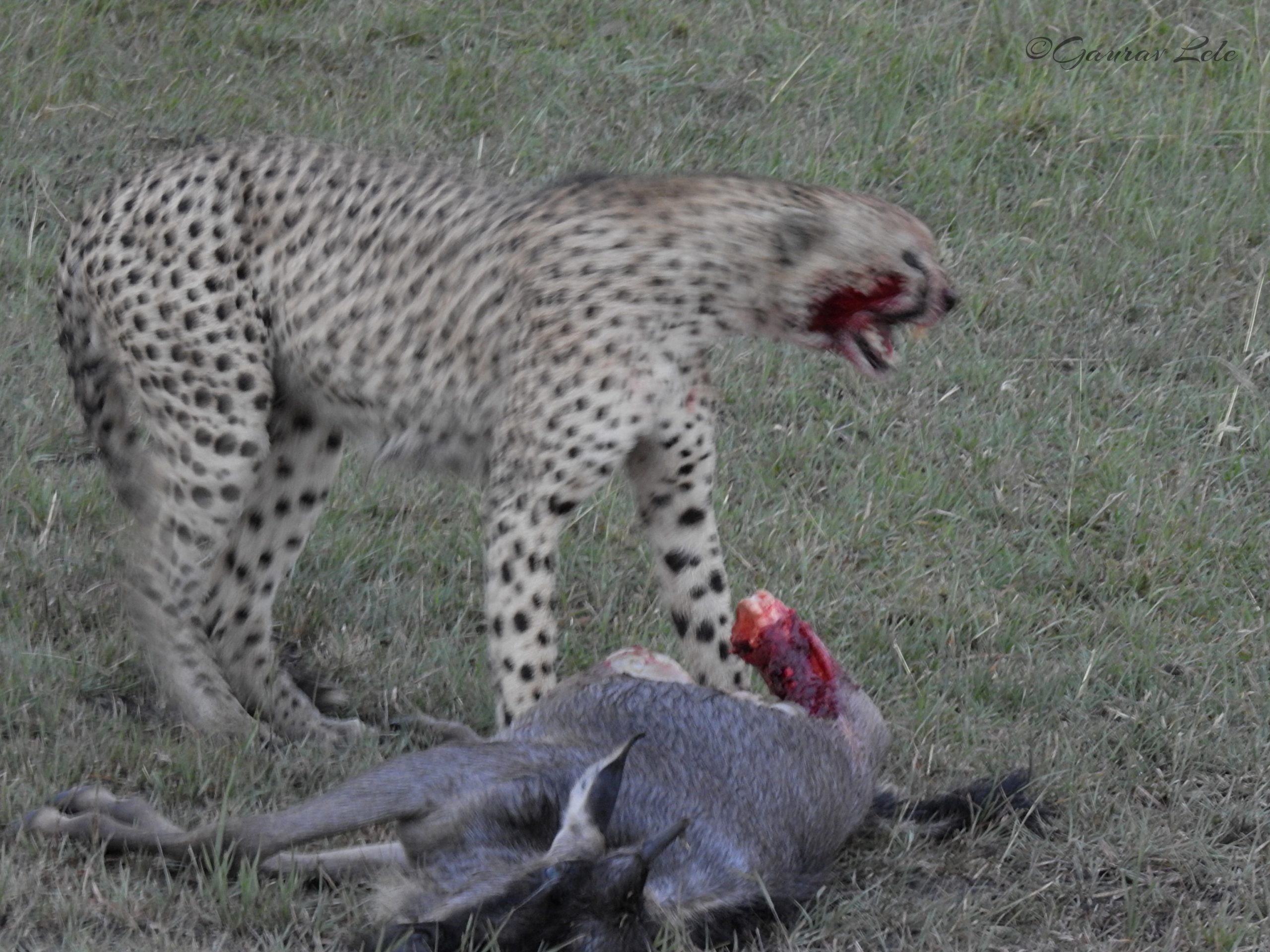
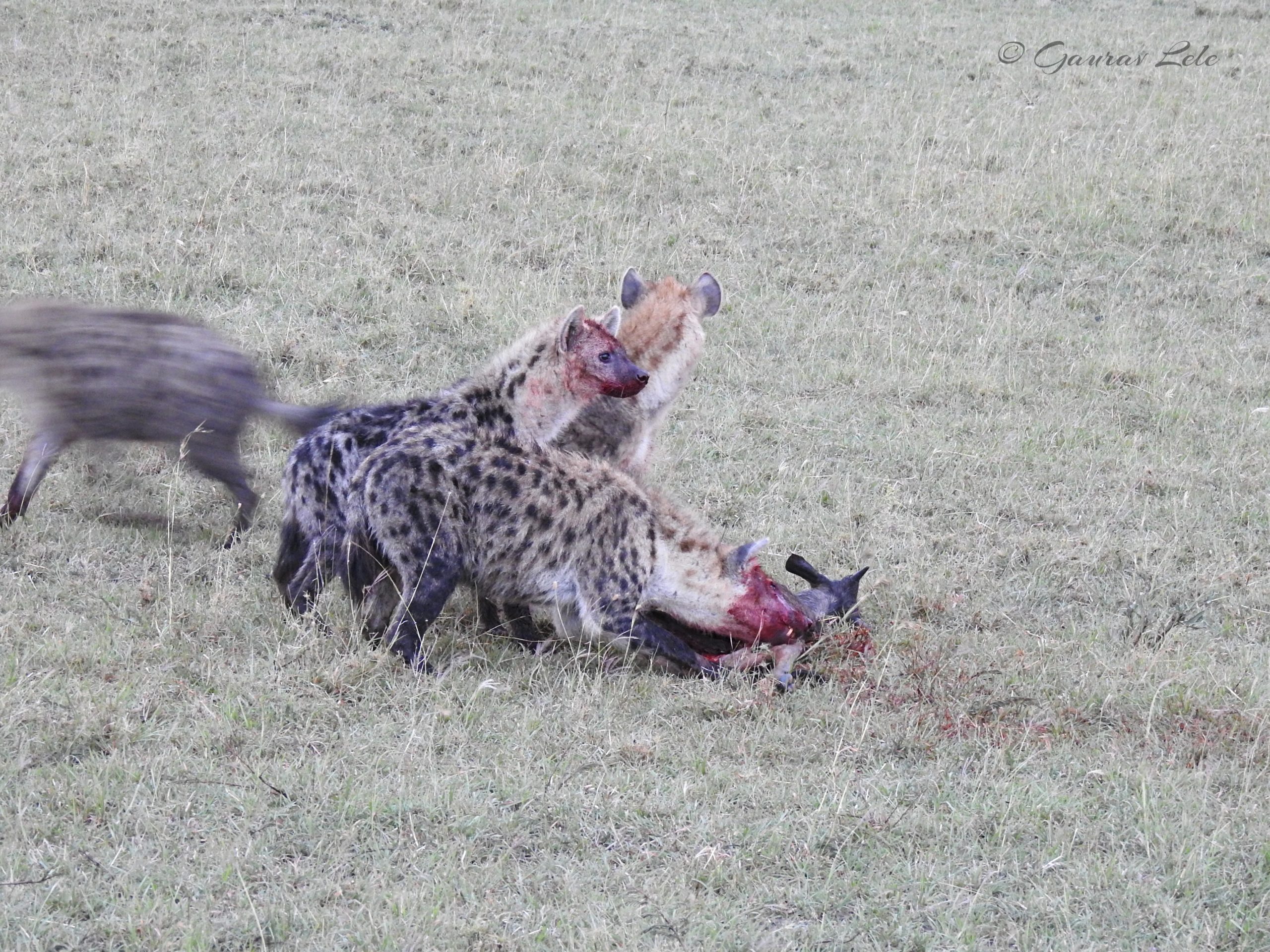 The hyenas finished the wildebeest within literal minutes. The noises of groans, laughter, and cracking of bones I heard that evening remains one of the most singular cacophonies ever.