
When Bahá’u’lláh wrote that every word of the Qur’ān bears meaning and intention, he was reminding us that revelation, properly read, resists reduction. Scripture, like language itself, is alive; it breathes, it hesitates, it renews. Yet somewhere between the living word and the legislated code, the hijab became a symbol, of modesty, of defiance, of cultural siege, of theological purity, until its nuance was lost to politics.
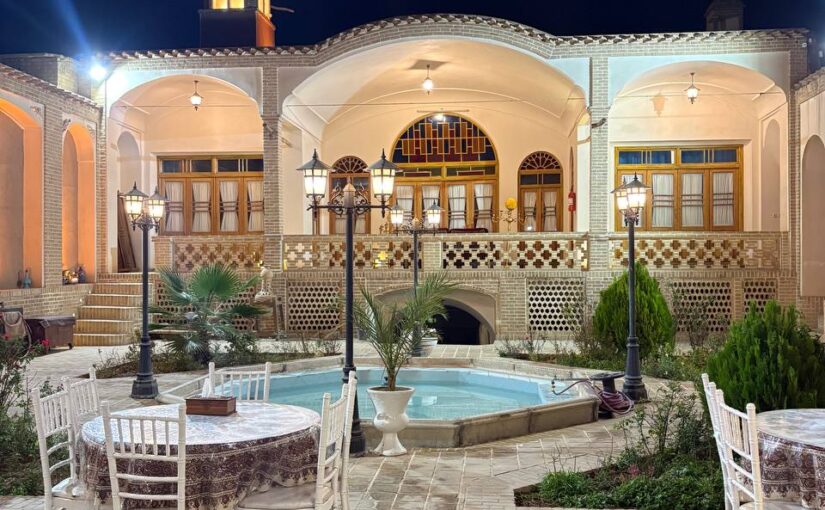
My friend is in Kashan, a city of gardens and scholars, and perhaps among the most traditional pockets of Iran. She forgot her hijab back in her home city and now cannot step out of her hotel. The irony is sharp: the veil that once signified spiritual privacy has become an enclosure of space. Kashan’s cobbled lanes whisper poetry, but they also enforce silence.
Meanwhile, the liberal axis of Iran, Shiraz, Tehran, Gilan, Mazandaran, Semnan, walks the tightrope between revelation and rebellion. The North dresses as Europe, the Centre prays as Qom. Mahsa Amini’s martyrdom was Kurdish, and therefore doubly liminal: ethnically marginal, religiously symbolic (the Kurds are very secular as a rule of thumb; more Zoroastrian than the Persians). Her death reopened a question the Qur’ān itself leaves open — what, after all, does ḥijāb mean?
1. The Qur’ānic Vocabulary of Modesty Continue reading Hijab: Between Revelation and Regulation