Episode 22 – The British East India Company

Another Browncast is up. You can listen on LibsynAppleSpotify, and Stitcher (and a variety of other platforms). Probably the easiest way to keep up the podcast since we don’t have a regular schedule is to subscribe to one of the links above!
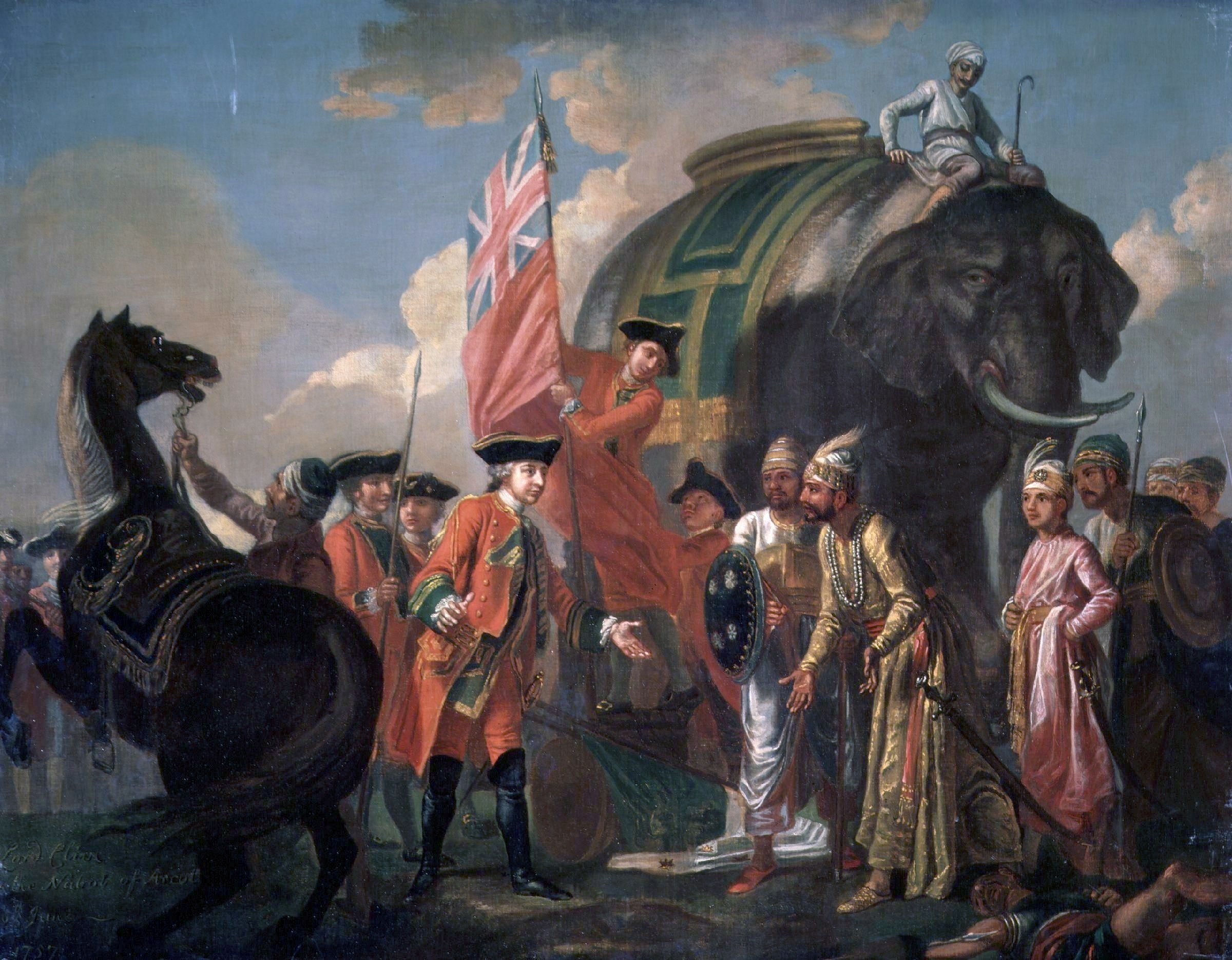
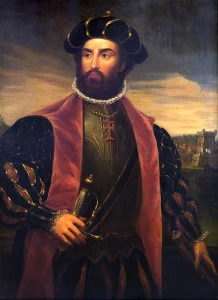
In this episode, Shrikant, Gaurav and Omar talk to Maneesh about the beginning, consolidation and end of the British East India rule in India. We end the episode on the 1857 revolt.

References:

The East India Company; the most powerful corporation in the world- Tirthankar Roy
Indian Empire – its People, history and products – William Wilson Hunter
Empire – Niall Ferguson
The Men who ruled India – Philip Mason
The Anarchy – William Dalrymple
1857 revolt – RC Majumdar
The British Empire – Stephen Sears
The European theft of India – Roy Moxhom
The inglorious empire – Shashi Tharoor


A Conversation on Caste with Dr. Prakash Shah

Postscript from Omar Ali: My apologies to Maneesh and Gaurav, who got very little air time. And my apologies to listeners. I think Prakash and I should have explained more clearly what his argument is. I can see that many listeners expected a description of caste oppression in India, not a discussion of why this description is itself problematic or at least, incomplete..

We may have ended up with a discussion that will fail to get past the existing beliefs of most listeners. I hope we will try again in the future and as is the case with all complicated arguments, it may become clearer with repetition and rejigging. For now, take my advice from late in this podcast and see what happens if you suspend judgment and give the arguments a chance… Also see the articles and books linked at the end.

Another Browncast is up. You can listen on LibsynAppleSpotify, and Stitcher (and a variety of other platforms). Probably the easiest way to keep up the podcast since we don’t have a regular schedule is to subscribe to one of the links above!

Dr Prakash Shah, Reader in Culture and Law at School of Law Queen Mary University of London, talks to Dr Ali on the framework of studying caste in India and it’s colonial antecedents.

A list of publications from Prakash Shah and associates can be found here. 

A long talk from Prakash Shah on this topic may give more background:


Conversation with Chitra Iyer: Founder- Space2Grow a Social Impact Firm

Another Browncast is up. You can listen on LibsynAppleSpotify, and Stitcher (and a variety of other platforms). Probably the easiest way to keep up the podcast since we don’t have a regular schedule is to subscribe to one of the links above!

Chitra Iyer, Co-founder and CEO of Space2Grow, talks to Maneesh about Anti Child Trafficking, Digital Safety and making  Indians employable.


You can read more about Space2Grow on:

Website : www.space2grow.in
LinkedIn  – Space 2 Grow (https://www.linkedin.com/company/space-2-grow/)
Facebook – Space2grow (https://www.facebook.com/profile.php?id=100064233876263)
Twitter – space2grow_llp (https://twitter.com/space2grow_llp)


Episode 21: South India Post Vijayanagar Empire till 1857


Another Browncast is up. You can listen on LibsynAppleSpotify, and Stitcher (and a variety of other platforms). Probably the easiest way to keep up the podcast since we don’t have a regular schedule is to subscribe to one of the links above!

Shrikanth talks to Maneesh about the History of South India post Vijayanagar kingdom till the year 1857.  He talks about the varies polities, their interactions and the Europeans among other facets that shaped the history of Deccan.

He wraps up the episode with the socio-cultural legacy of this period.


Sources and References:

1. History of the Nayaks of Madura : R Sathianatha Aiyar
2. The Nayaks of Tanjore : V. Vriddhagirisan
3. Textures of time : Writing history in South India – 1600-1800 – Sanjay Subramaniam, Velchuru Narayana Rao, David Shulman
4. Haidar Ali and Tipu Sultan : Lewin Bowring
5. Symbols of Substance : Court and State in Nayaka Period Tamil Nadu – Sanjay Subramaniam, Velchuru Narayana Rao, David Shulman
6. Thomas Munro : The Origins of the Colonial State and His Vision of Empire – Burton Stein
7. Why Europe Grew Rich and Asia Did Not? Global Economic Divergence, 1600–1850 – Prasannan Parthasarathi

8. India, Modernity and the Great Divergence: Mysore and Gujarat 17th to 19th c – Kaveh Yazdani

9. History, Institutions, and Economic Performance: The Legacy of Colonial Land Tenure Systems in India – Abhijit Banerjee and Lakshmi Iyer


Conversation with Pooja Sharma: Founder The Sarvodya Collective


Another Browncast is up. You can listen on LibsynAppleSpotify, and Stitcher (and a variety of other platforms). Probably the easiest way to keep up the podcast since we don’t have a regular schedule is to subscribe to one of the links above!


Maneesh is in a freewheeling conversation with Pooja Sharma, founder of The Sarvodya Collective. A NPO working to build awareness and allyship for Neurodiversity as a cause.

You can mail Pooja at pooja.sharma@sarvodya.org

The Sarvodya Collective Instagram handle: https://instagram.com/thesarvodyacollective

Inclusive Duniya Instagram handle: https://instagram.com/inclusiveduniya


Episode 20: History of Europeans in India


Another Browncast is up. You can listen on LibsynAppleSpotify, and Stitcher (and a variety of other platforms). Probably the easiest way to keep up the podcast since we don’t have a regular schedule is to subscribe to one of the links above!


Prathamesh and Omar talk to Maneesh about Europeans in India.

This a precursor to a dedicated episode on the history of British in India.

Books and References:

Indica by Arrian

A Forgotten Empire by Robert Sewell

The First Republic: The Untold True Story of the Imperial Karbhari Sarkar by Venkatesh Rangan

White Mughals and The Anarchy by William Dalrymple


Episode 19 – The Rajputs

Another Browncast is up. You can listen on LibsynAppleSpotify, and Stitcher (and a variety of other platforms). Probably the easiest way to keep up the podcast since we don’t have a regular schedule is to subscribe to one of the links above!


The references for the podcast are:

1. Early History of Rajputs (750 to 1000 A.D.) by C.V Vaidya
2. History and Culture of the Indian People – Vol III, IV, V, VI & VII
3. Al-Hind, the Making of the Indo-Islamic World: Early Medieval India and the Expansion of Islam 7th-11th Centuries by André Wink
4. Al-Hind, Volume 2 Slave Kings and the Islamic Conquest, 11th-13th Centuries
by André Wink
5. The Political History of the Hunas in India by Atreyi Biswas
6. The Making of Early Medieval India by Brajadulal Chattopadhyaya

Mr. Tilak Devasher on his book The Pashtuns- A Contested History


Another Browncast is up. You can listen on LibsynAppleSpotify, and Stitcher (and a variety of other platforms). Probably the easiest way to keep up the podcast since we don’t have a regular schedule is to subscribe to one of the links above!

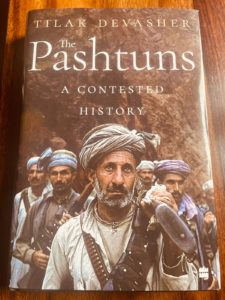
Mr. Tilak Devasher, Author, Member, National Security Advisory Board and former Special Secretary, Govt of India joins Maneesh, Somnath and Dr. Ali to talk about his latest book The Pashtuns- A Contested History.


Sunny Narang in Conversation with Dr. Omar Ali.


Another Browncast is up. You can listen on LibsynAppleSpotify, and Stitcher (and a variety of other platforms). Probably the easiest way to keep up the podcast since we don’t have a regular schedule is to subscribe to one of the links above!


Sunny Narang, a Punjabi born and brought up in Delhi with ancestral roots in Pakistan, speaks with Dr. Ali on post partition Punjabis in Delhi; they also talk about culture and people who have and continue to shape the history of the sub-continent, from Jain bankers in Mughal India to the business clans of modern India.


Some of the books talked about on the episode.

Indiraji Through my Eyes: Usha Bhagat
The City of Hope The Faridabad Story L.C. Jain
The South Asian Papers” , a collection of 16 papers by Stephen Philip Cohen
All These Years: A Memoir by Raj Thapar
Civilization and Capitalism: 15th-18th Century by Fernand Braudel
Punjabi Century by Prakash Tandon


Episode 18 – The Maratha Empire

Another Browncast is up. You can listen on LibsynAppleSpotify, and Stitcher (and a variety of other platforms). Probably the easiest way to keep up the podcast since we don’t have a regular schedule is to subscribe to one of the links above!

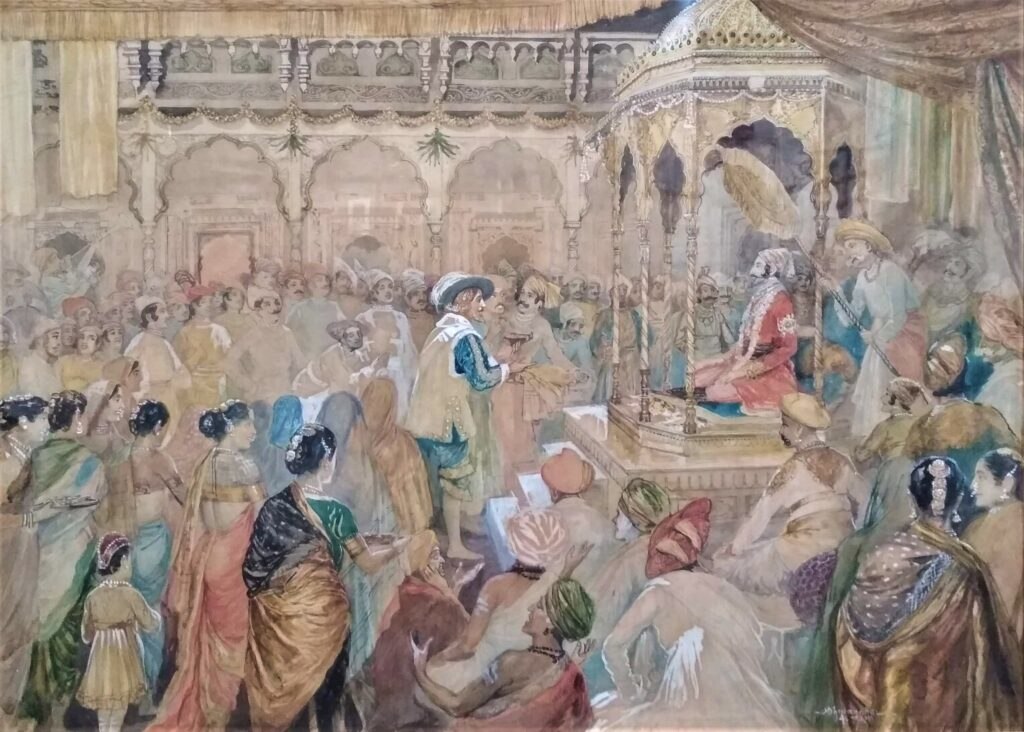
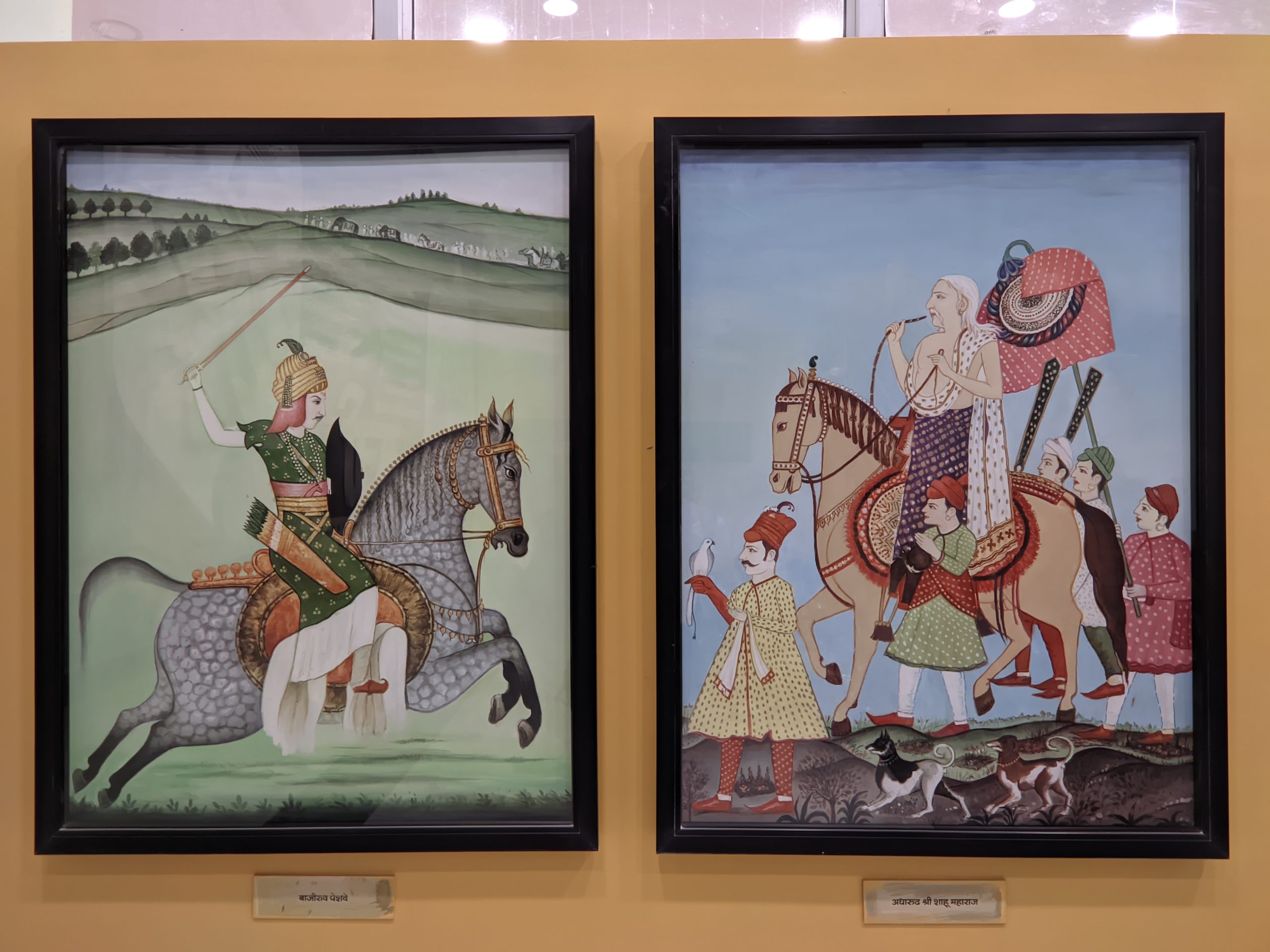
In this episode, Prathamesh Godbole and Amit Paranjpe discuss the Maratha empire – spanning from its humble origins as a Jagir of Adilshahi to the largest power in the subcontinent before the British conquest. We discuss the great maratha rulers Shivaji Raje, Sambhaji Raje and the Peshwas.

Postscript (from Omar): At 1 hour 27 minutes on the youtube recording I was asked how they are perceived in Pakistan and i went on about their role against Tipu, but I should have mentioned Panipat first. THAT is, of course, taught as a great Muslim victory, but without too much background information.

References:
English
Solstice at Panipat, Era of Bajirao, Epoch of Nanasaheb Peshwa, Mastery of Hindustan – Uday Kulkarni
A New History of Marathas, Volumes I-III by G.S Sardesai
Shivbharat – Shivaji Raje’s biography in Sanskrit by a court historian – has been translated to English
History of Marathas- Grant Duff
History of the Maratha People – Kincaid
Translations done by Prathamesh, of selected letters from multiple Marathi sources regarding battles, diplomatic exchanges and other military matters.
Its about ~300 pages equivalent, and covers 1720-1803.
Marathi
Itihasachi Sadhane some 20 volumes- Rajwade
Peshwe Daftar- 40 volumes
Aitihasik Lekh Sangraha – 15 volumes
About 20 different Bakhars, Eg: Panipat – chronicles written by prominent nobles and about major battles. Not always fully reliable, but still a useful source.
Brown Pundits