
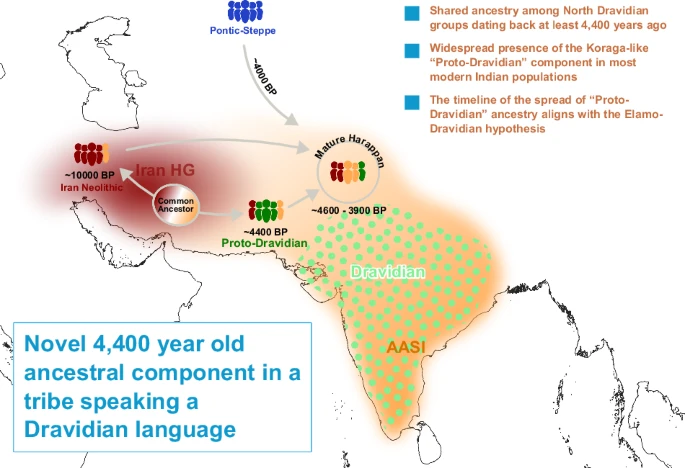
New DNA research paper sheds light on proto-Dravidian and Indus Valley Civilization genetics.

Disclaimer

Please note I am a dentist — not a geneticist — and I do not claim formal expertise in this field. I have a long-standing interest in history and look to archaeogenetics as one of the best tools available for addressing some of the most enduring questions about South Asian origins and identity.

Credit is due to the many researchers, bloggers, and science communicators who have made this field accessible — including Razib Khan (whom I haven’t met, though he happens to be a fellow Bengali), who’s writing first inspired me to engage deeply with these questions.
Continue reading New DNA research paper sheds light on proto-Dravidian and Indus Valley Civilization genetics.
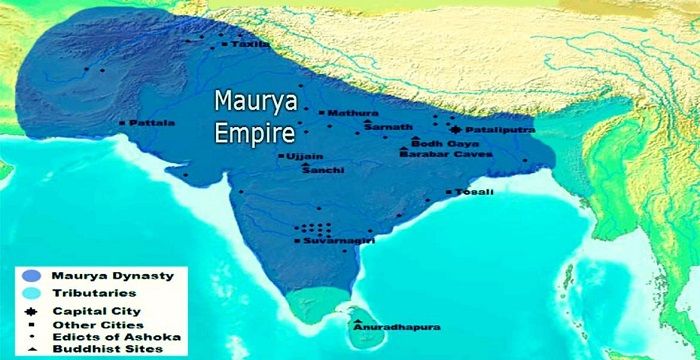
When was India’s Golden Age?

When people claim that India and Pakistan are “equally artificial,” they erase the long, uneven civilisational trajectories that produced both. Kabir, who is generally more courteous than the average Saffroniate imagines, still falls into this conceptual trap. But the question this raises is larger than contemporary geopolitics:

When was India’s Golden Age, and for whom?

A Golden Age can be political, cultural, philosophical, or civilisational. The answer depends on what we measure: scale, radiance, confidence, or continuity. Asking it forces us to examine whether India is a recent invention or a very old organism repeatedly broken and reconstituted.

Pakistan complicates this picture. As the Indus zone, it has deep civilisational roots of its own; older than Islam, perhaps as a geographic expression even older than the Vedic world. This is why, despite its ideological volatility, Pakistan will likely persist: it sits on a basin that has generated coherent cultures for five millennia. Its anti-India posture gives it political definition, but its underlying geography gives it durability. Continue reading When was India’s Golden Age?

Brown Pundits