
Pakistan Is Not About to Break Apart

There is a persistent habit, especially among our soi-disant commentators, of predicting Pakistan’s imminent disintegration. The arguments are familiar: Baloch insurgency, Pashtun irredentism, low Kashmiri fertility, economic weakness, and analogies to 1971. They are also, taken together, wrong.

To begin with, most people discussing Pakistan do not understand its internal sociology. They begin with a conclusion, “Pakistan is artificial and unstable”, and then select facts to confirm it. This is confirmation bias dressed up as analysis.

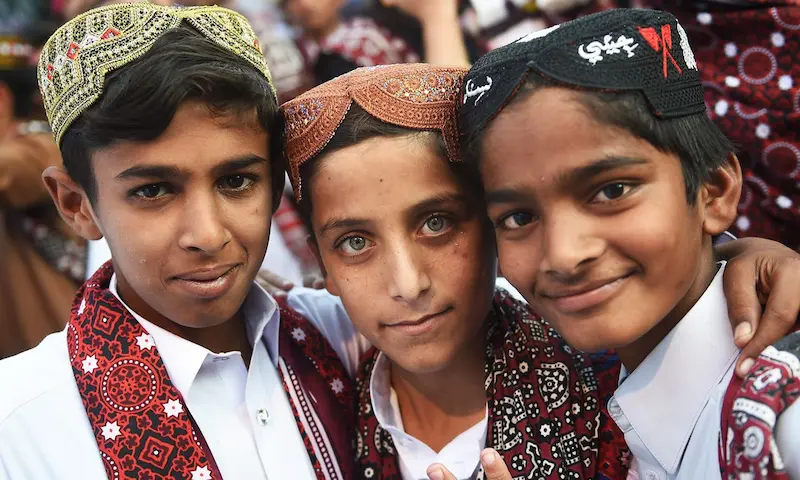
Consider the Pashtuns. The claim that they are natural irredentists misunderstands who they are and how they live. Pashtuns in Pakistan are not a marginal population looking across the border for salvation. They are deeply integrated into the Pakistani state, economy, and military. They dominate transport, logistics, security, and large parts of urban informal commerce. Large numbers have moved permanently into Karachi, Lahore, and Islamabad. Assimilation is not failing; it is proceeding at scale. Continue reading Pakistan Is Not About to Break Apart
Pakistan and the Act of Union

A Cold Comparison, Not a Romantic One

There is only one historical analogy worth using when discussing Pakistan “rejoining” India: the Act of Union of 1707 between Scotland and England. Not Rome and Greece. Not Yugoslavia. Not German reunification. And certainly not civilizational nostalgia. The reason is simple. The 1707 Union was not about love, memory, or reconciliation. It was about bankruptcy, security, elite survival, and managed loss of sovereignty without humiliation. That is the only way such a union could ever happen.

Union Is an Elite Exit, Not a Popular Dream

Scotland did not join England because it felt British. It joined because it was broke. The Darien Scheme collapsed. The Scottish state was insolvent. The elite faced personal ruin. England controlled capital, markets, and trade. The Act of Union absorbed Scottish debt, protected elite property, preserved law and church, dissolved sovereignty while preserving status. The public opposed it. It passed anyway. Unions are not plebiscites. They are elite exits under pressure.

Pakistan’s Position Is Structurally Similar

Pakistan today is not Scotland in 1707. But the resemblance is close enough to matter. Pakistan is chronically indebted, permanently IMF-dependent, over-militarised by design, economically capped by scale and FX limits. It is run by elites whose lives are already offshore, Like Scotland, the state is failing faster than rents can be extracted, sovereignty has become expensive, security dominates fiscal policy and there is no credible independent growth path. This is not ideology. It is arithmetic.

Why India Is England in This Analogy Continue reading Pakistan and the Act of Union

“I Will Never Speak Kannada”

SBI Manager Sparks Language Flashpoint in Karnataka

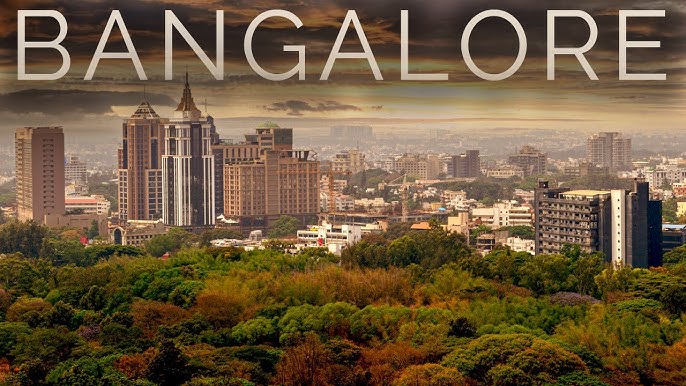
A now-viral video captures a moment that feels both petty and profound: an SBI bank manager, posted in Karnataka, flatly refuses to speak Kannada to a customer. When reminded that Karnataka has its own official language — and that RBI guidelines encourage local language use — the manager responds curtly:

“I will never speak Kannada.”

She then walks off.

She has since been transferred, but not before the clip set off a digital firestorm.

This incident may seem minor — another viral tiff between state pride and bureaucratic indifference — but it exposes a deeper tension in India’s federal fabric. At its heart is a language question that never died: who accommodates whom in a multilingual republic? Full clip after the jump.

Continue reading “I Will Never Speak Kannada”

Brown Pundits