

Cyclone Ditwah may have been a once in a 1,000 year event. However the Oceanographic and Atmospheric Physics implies this could be in all probability a regular even, may be a once in 10 years event.
First, energy for cyclones comes fir the ocean. Usually sea surface temperatures higher then 27 degrees is required. The ocean around Sri Lanka is currently more than 30 degrees. More than sufficient energy.
Second, more importantly the formation history of TC Ditwah. This is from the analysis of Dr Sarath Wijeratne.The system started with the formation of two low pressure systems: one to the south-east of the Island and the other south-west. The one to the south-west was stronger and moved to the east whist the one south-east moved slowly to the west. Ultimately they joined together to form TC Ditwah. This merging of two low pressure system is called the Fujiwhara effect. This very rare event and has not been documented in this region. The merging of the two low pressure systems intensified TC Ditwah. Now we know the result. (Charitha Pattiarachi)
Watch video
https://web.facebook.com/511554041/videos/pcb.10164281956204042/828565176728130
There are two basic Physics that make the current condition conducive to devastating storms
a) Evaporation becomes exponential around 30C
b) Water holding capacity of Atmosphere too turns exponential around 30C
Thus a small change in air temperature results in a large change in amount of water vapor that can be held in the Atmosphere
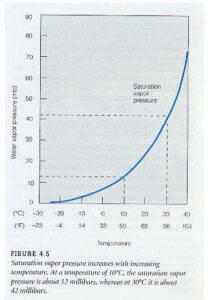
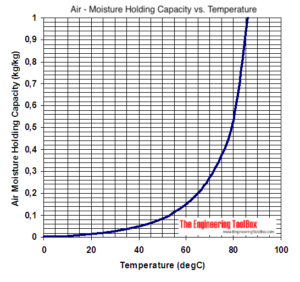
The larger the amount of water held in the atmosphere, bigger possibility of it condensing i.e. becoming rain. Worse because bigger amounts, it will come down in buckets,
Increases in atmospheric water vapor also amplify the global water cycle. They contribute to making wet regions wetter and dry regions drier. The more water vapor that air contains, the more energy it holds. This energy fuels intense storms, particularly over land. This results in more extreme weather events. (This was known by Year 2000 from Climate Models) For South Asia means wetter Kerala, Tamil Nadu and Sri Lanka. Drier North India.

shocking events – I’ll be in SL end of the year for my birthday.. but just a terrible reminder of what Industrialised Mankind is wrecking on the climate (and is being suffered by Rural Mankind)
We all have benefited by Industrialization. We all will also pay the price. Some earlier, some later eg Dickens England earlier.
some benefit more than others; some pay the price more than others.