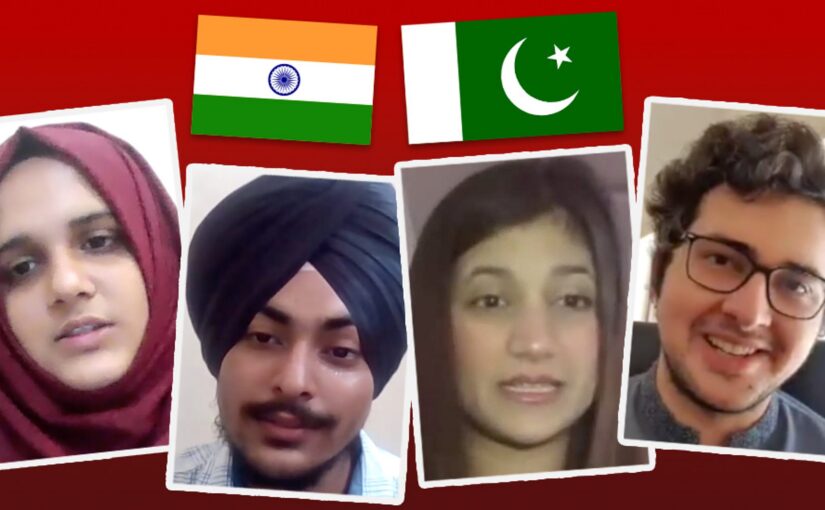
What Is Not India Is Pakistan

As Dave mentioned, there is a lively WhatsApp group of BP authors and editors, and it inevitably shapes the comment ecosystem. But one comment on the blog stood out:

“The very foundation of Pakistan is an anti-position. What is not India is Pakistan. So isn’t it obvious?”

It’s an extraordinarily crisp description of Pakistani identity-building. What is not India is Pakistan. That is not a slur; it is, in many ways, a psychologically accurate frame for how the state narrates itself.

What I increasingly find misplaced on this blog is the recurring assumption that Pakistanis are somehow “Indians-in-waiting,” or that Punjab is “West Punjab,” Pakistan “Northwest India,” or Bangladesh “East Bengal.” These are irredentist projections that simply do not match lived identities. This is not “North Korea” or “East Germany,” where both sides continue to imagine themselves as fragments of one common nation.

Yes, Pakistan consumes Bollywood and Hindi music, which themselves derive from Mughal and Indo-Persian syncretic traditions. Yes, Pakistan is culturally embedded in the greater Indo-Islamic civilizational sphere. But emotionally, Pakistan has severed itself from the Indian Subcontinent as a cohesive landscape. It has constructed a hybrid identity; part Turko-Persian, part Islamic internationalist, part anti-India.

I don’t personally agree with this move, and my own trajectory has been toward a strong Hinducised, Dharmic identification. But my view is irrelevant here. What matters is that Pakistani identity is defined negatively; as the commentator put it, “What is not India is Pakistan.”

Whether that is healthy or sustainable is another matter. But identities can persist in unhealthy configurations for a very long time; the stock market can be irrational longer than your liquidity can survive.
Why we must talk about caste

Every few months (years?), Brown Pundits goes through its own small earthquake. A post lands wrong, a comment thread ignites, and the whole Commentariat erupts.

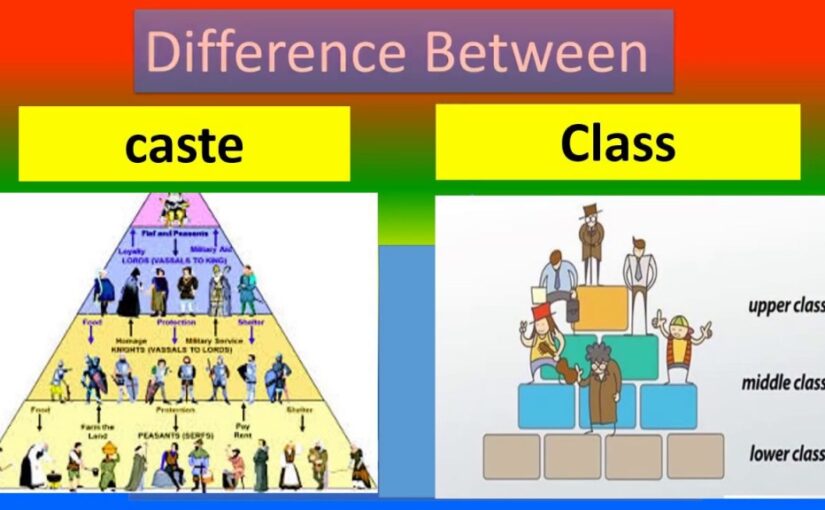
The latest rupture began with a mild jibe on caste. I pointed out, in passing, that caste shapes political instincts far more than many admit. The backlash was instant. A section of the readers declared a quiet boycott. The threads went cold. No one wanted to break ranks. The more one claims to have transcended caste, the clearer its caste blind-spots become. Silence itself becomes a shibboleth.

And when the silence hit, the blog froze. Continue reading Why we must talk about caste

Love Jihad Zohran

Congrats to Furan who was mentioned in this Five lessons for India’s Opposition from Zohran Mamdani’s triumph.

Born a Shia Muslim, he spoke to the Indian Eye of being raised in an interfaith family. “My mother’s side of the family is Hindu” he said, “and I grew up celebrating Diwali, Holi and Raksha Bandhan. Though I identify as Muslim, these Hindu traditions and practices have shaped my worldview
” His mother named him Zohran, which means the first star in the sky.

Zohran does seem to be a product of Love Jihad.


Free Speech

Free speech is inviolable, and unfortunately I can not restore the deleted thread (it’s been deleted from archives).

The notion that criticism of Pakistan, or of any country, should be off-limits on this platform contradicts everything Brown Pundits stands for. It is always better to err on the side of liberty than against it.

I am weary of the threats and emotional blackmail that appear whenever freedom is exercised. BP will continue to stand, whatever exoduses may come.

The Broken Compact

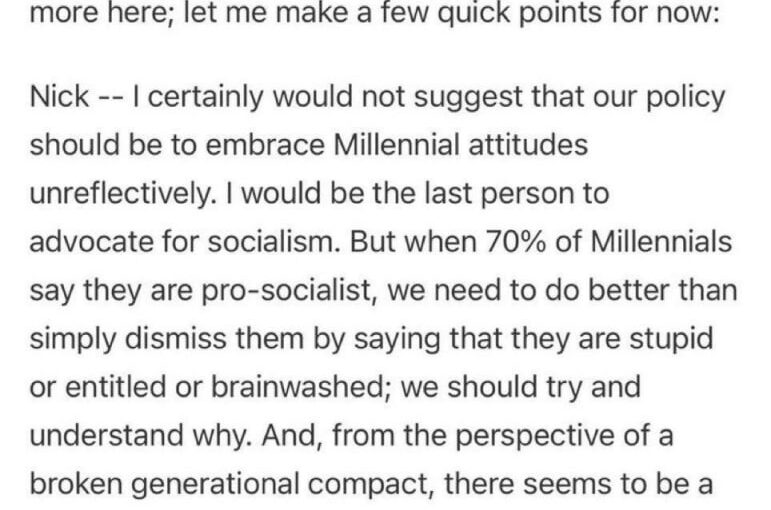
Why the India, and American, Dream No Longer Holds

It was Dr V’s birthday this weekend, and we found ourselves in the Great English countryside; those great undulating fields and hedgerows that still whisper of an older order. There’s something about England’s pastoral stillness that throws modern anxiety into relief. The calm of inherited hierarchy, the sense that everything has already been decided, makes you think of those of us who were told that nothing was fixed, that we could climb forever if we just kept studying, working and performing.

The Dreams Continue reading The Broken Compact

Islam the Religion of Peace part ii

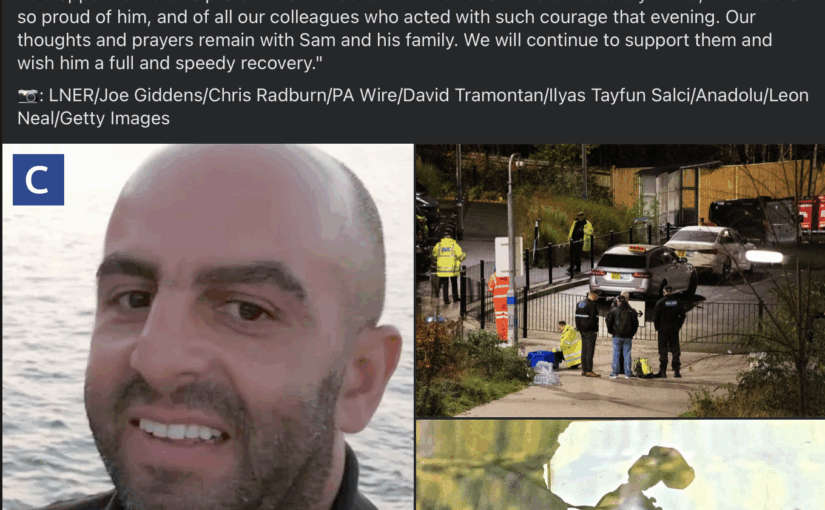
Samir Zitouni, a 48-year-old rail worker, is in critical condition after stepping between a knife-wielding attacker and passengers on a Doncaster–London train. Witnesses say he blocked the assailant from stabbing a girl and was slashed across the head and neck.

He has worked for LNER for more than twenty years. His managers call his actions “nothing short of heroic.” The attacker, Anthony Williams, has been charged with ten counts of attempted murder.

A Muslim man (most likely Algerian origin) from the Midlands saw people in danger and acted without hesitation.


Open Thread

The boycott has made Brown Pundits quieter, almost peaceful. I don’t mind it. Every few years the site reaches this point; it grows, gains noise, and starts to feel less like a hobby and more like an obligation. Then it falls back to something smaller and saner.

I’ve also realised that the Indo-Pak frame doesn’t really fit my life anymore. It was useful once because that’s where the conversation was; it gave the blog an audience. But most of that talk is stale now; the same arguments, just louder.

What interests me instead are the wider patterns: how post-colonial societies move in a world that is no longer unipolar. The Gulf’s rise, Africa’s experiments, China’s reach, India’s own breadth. How old hierarchies break down, and new ones form.

I don’t like following the news. So perhaps BP will drift in that direction. Fewer posts, less noise, more reflection. A space for thinking about what comes after the post-colonial age, when the world starts to finally balance itself again.

Caste, Civilisation, and the Courage to Own It

Kabir suggested that I apologise but for what, exactly? Why should Saffroniate be considered offensive? Own it. I don’t see anything inherently wrong with the idea of Akhand Bharat; the concept of a broader Dharmic civilisation makes eminent sense to me.

Likewise, I don’t understand why questioning caste identities provokes such sensitivity. Again, own it because the more caste is repressed, the more likely it is to resurface.

At heart, I’m a reformist, not a revolutionary. I believe in improving and refining what exists, not erasing it. Cultural features should only be abolished when they are truly harmful or deleterious, not simply because they make us uncomfortable.

Brown Pundits