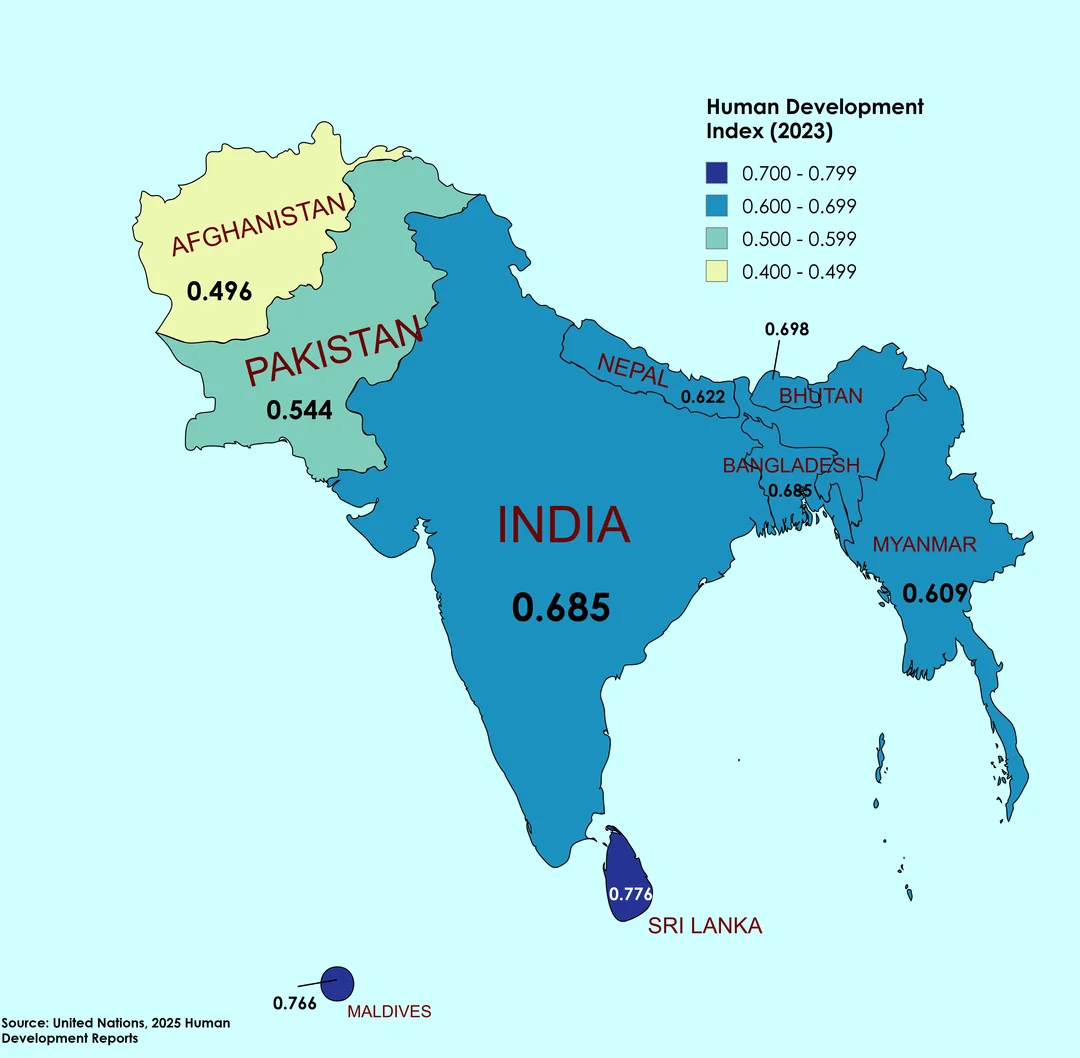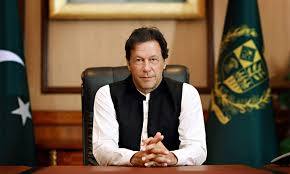
Pakistan’s Inner Logic

On Nivedita & Archer’s joint request (Mamnoon/Tashakor/Merci for the kind words); I’m going to expand on my comment:

“Kabir is definitely right. Ethnicity in Pakistan is complex; there are three tiers of society. The English speaking elite (Imran is part of that so is Kabir), who are “Pakistanis” and ethnicity isn’t really reflected on…”

This comment, which the BP archives have tons of similar posts on (BP was venerable even in 2014), sketches the bones of Pakistan’s sociological map. But what lies beneath the skin?

Pakistan is feudal; India is not.

That one statement alone explains much. Landholding elites dominate politics, rural economies still function on patronage, and class mobility is rare. Caste, though “denied,” is real and sharper, in some ways, than it could ever be in India (the reservation system does not really exist in Pakistan except for religious minorities but not for socio-economic castes). Pakistanis can sniff out class in one another with a dexterity that’s probably only matched in the United Kingdom, which is the home of class stratification (I remember reading Dorian Gray in Karachi in the early millennium and shocked how similar late Victorian early Edwardian England was).

The postcolonial state froze itself in amber. There has never been a serious leftist rupture, excepting 1971’s successful Bengali revolution. Even Imran Khan, who styled himself a reformist, is a product of elite schools, Aitchison College, Oxford, and aristocratic lineage. His “Islamic socialism” was only ever viable because Pakistanis still believe in myths of the benevolent landlord.

And yet, Pakistanis sometimes seem happier than their Indian counterparts, even if not remotely successful. Why? Continue reading Pakistan’s Inner Logic
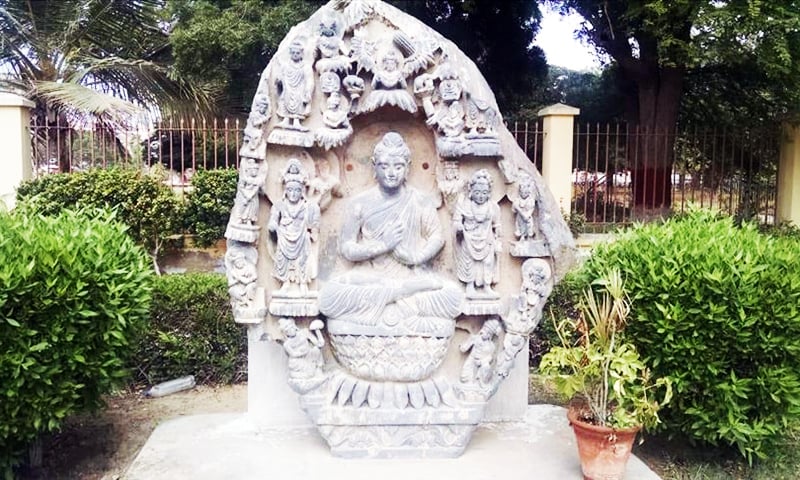
The Long Defeat: How Hinduphobia Hollowed Out Pakistan

I lost an entire post earlier, but perhaps it’s for the best. I’ve had the time now to clarify my thoughts and this is better to make clear the new policy of just junking comments that don’t “smell right.”

What prompted me to write again was a small but telling excerpt from a recent Dawn article. It wasn’t just that they misspelled “Brahman”; they wrote “Barhaman,” a word that doesn’t exist in any linguistic tradition. It was also the order in which they listed religions. They wrote:

“
revered for not only the followers of the world’s three major religions — Buddhism, Sikhism and Hinduism
”

Hinduism, the oldest and most foundational of the three, was placed last. This is not trivial. Both Buddhism and Sikhism evolved from Hinduism. Yet in Pakistani discourse, so marked by dislocation and disavowal, Hinduism is routinely treated as a junior or fringe faith. This is what endemic Hinduphobia looks like: not explicit violence, but civilizational misordering, semantic erasure, and the subtle, continuous downgrading of Hindu memory.

It’s barely recognized. And that’s the point. Continue reading The Long Defeat: How Hinduphobia Hollowed Out Pakistan

Hinduphobia Exists, But Pakistan Was Not Born from It

I was riffling through the comments and my jaw dropped when Kabir claimed Hinduphobia doesn’t exist. It struck me as both historically and emotionally tone-deaf. I didn’t respond at the time, but I’ve been reflecting on it since.

Let me say upfront: Hinduphobia does exist. It may not always manifest in overt violence or systemic persecution (at least not today, and not in most places globally), but it does appear in more insidious, ideological forms; especially in academic and diasporic discourse.

Take, for instance, the backlash against H1B visa recipients. Much of that criticism is coded; targeting upper-caste Indians, especially Hindus, who are the primary beneficiaries of this brain-drain dynamic. It’s not just about class or meritocracy; there’s an unspoken discomfort with their presence and success, often couched in progressive rhetoric.

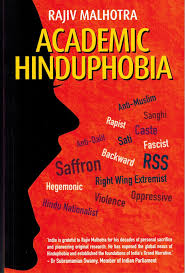
On the intellectual front, academics like Audrey Truschke and others within the left-liberal Western consensus have regularly challenged or dismissed Hindu identity altogether; reducing it to political nationalism or caste oppression. This refusal to acknowledge Hinduism as a living, plural, and spiritual tradition creates an environment where Hindu self-articulation is delegitimized. That too is a form of Hinduphobia.

Now, is this Hinduphobia the same as the systemic anti-Muslim, anti-Black, or anti-immigrant hatred we see elsewhere? No. Hinduphobia today is more dismissive than violent, more erasure than exclusion, but it is real and it needs to be acknowledged.

Pakistan Was Not Born from Hinduphobia Continue reading Hinduphobia Exists, But Pakistan Was Not Born from It

Denial Isn’t Just a River in Egypt—It’s a Dammed Indus Too

By X.T.M | Acting Editor, Brown Pundits

“Qureshi” has glibly informed me that caste doesn’t exist in Pakistan, and that had I not deleted his comment, I would have seen his thoughtful explanation on why his ancestors would (or wouldn’t- tough to follow) have “embraced caste.”

Let’s address both claims.

I. Denial, and the Geography of Amnesia

First: the deletion. The reason I removed Qureshi’s comment was simple—it referred to “when the Hindus left Pakistan in 1947.” As if they left. As if it were a long vacation. That turn of phrase is emblematic of a deep, disturbing historical erasure—a civilizational amnesia that’s not just inaccurate, but actively offensive.

To phrase the violent dislocation of millions as “leaving” is a textbook case of internalized Hinduphobia—a posture so normalized in Pakistani elite discourse that it barely registers as cruelty.

This is not about word policing. It’s about confronting the inherited violence buried in euphemism. Continue reading Denial Isn’t Just a River in Egypt—It’s a Dammed Indus Too

Browncast: Prof Vamsee Juluri on Hindus and Hindophobia

Another Browncast is up. You can listen on Libsyn, Apple, Spotify, and Stitcher (and a variety of other platforms). Probably the easiest way to keep up the podcast since we don’t have a regular schedule is to subscribe to one of the links above!

In this episode Mukunda and I talk to Prof Vamsee Juluri, professor of media studies at the University of San Francisco and the author of several books, including “rearming Hinduism“. We asked him how he defines Hinduism, what is Hinduphobia and why (and how) Hindus should “re-arm” (or not).

Professor Juluri tweets on twitter as @vamseejuluri

This was a joint podcast with Mukunda Raghavan of Meru Media, so for a change we have video (a fact I did not realize when we started recording, so the light and the face are less than ideal 🙂 )

Brown Pundits