
Pan-Sindhi Cross-Border Virality


A Pakistani Sindhi song, Paiso Aa, has crossed the border and gone viral among Indian Sindhis. It is light, playful, and unselfconscious. And it exposes something we repeatedly forget.

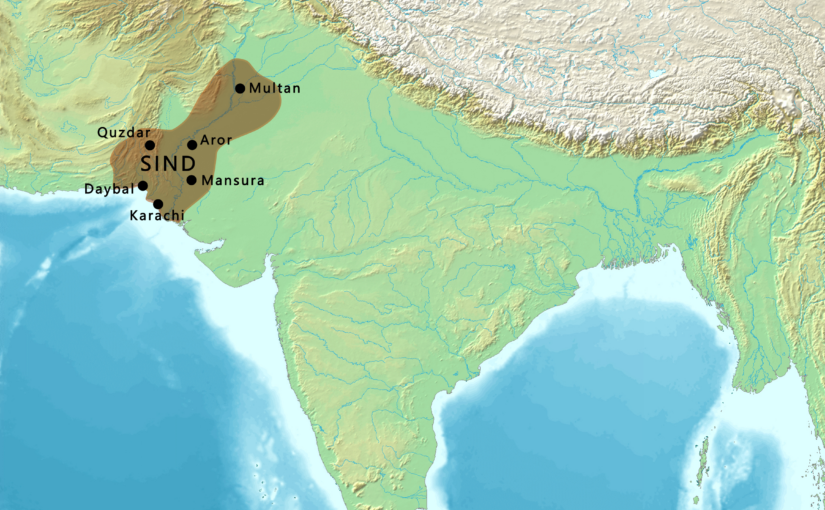
Sindh has been Muslim for over thirteen centuries.

The region was conquered in 711 CE by Muhammad bin Qasim, the teenage governor of Fars—thirteen when he entered Sindh, dead by nineteen. Almost an Alexander figure in miniature. Since then, Sindh and Multan have known uninterrupted Muslim rule longer than many parts of the Islamic world itself.

That matters, because it complicates a habit of thought that treats Islam in the Indian Subcontinent as permanently “foreign.”

In Sindh, it is not. Continue reading Pan-Sindhi Cross-Border Virality
When was India’s Golden Age?

When people claim that India and Pakistan are “equally artificial,” they erase the long, uneven civilisational trajectories that produced both. Kabir, who is generally more courteous than the average Saffroniate imagines, still falls into this conceptual trap. But the question this raises is larger than contemporary geopolitics:

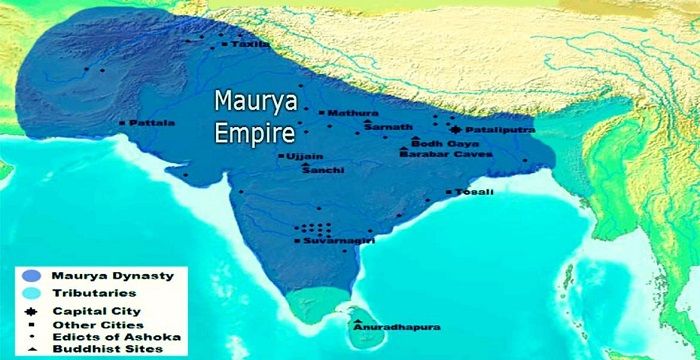
When was India’s Golden Age, and for whom?

A Golden Age can be political, cultural, philosophical, or civilisational. The answer depends on what we measure: scale, radiance, confidence, or continuity. Asking it forces us to examine whether India is a recent invention or a very old organism repeatedly broken and reconstituted.

Pakistan complicates this picture. As the Indus zone, it has deep civilisational roots of its own; older than Islam, perhaps as a geographic expression even older than the Vedic world. This is why, despite its ideological volatility, Pakistan will likely persist: it sits on a basin that has generated coherent cultures for five millennia. Its anti-India posture gives it political definition, but its underlying geography gives it durability. Continue reading When was India’s Golden Age?

Brown Pundits