On Islamism, the Oneness of Mankind, and the Burden of Public Bahá’ís

For too long, the term Islamism has functioned as a lazy shorthand in Western discourse; one that often sanitizes the dehumanization and securitization of Muslim bodies. And when it’s used by those claiming spiritual insight, especially from within a global Faith like the Bahá’í Faith, it becomes more than just a rhetorical misstep. It becomes a betrayal.

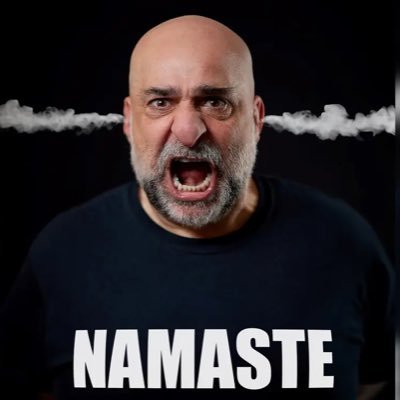
This week, a prominent British Bahá’í comedian made such a misstep.

A Moment of Caution — Dismissed

When Omid Djalili posted a news clip, which gently reframed the Bahá’í concept of the Oneness of Mankind, I appreciated the gesture. In fact, I said so. The “toe-stubbing” analogy was clever, and there was something moving in seeing profound principles gently repackaged for a wider audience.
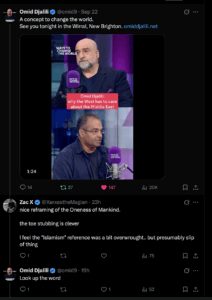
But I raised one concern: the reference to Islamism. It was, I suggested, overwrought, unnecessary, and ultimately unwise. I proposed an alternative: perhaps rephrasing the same concern as “security anxieties around mass migration” or similar language that doesn’t dog-whistle. This wasn’t a condemnation. It was, as any Bahá’í should recognize, consultation. An invitation to reflection.

Instead, I was told: “Look up the word.”

The Burden of Bahá’ís in Public

It’s not about semantics. It’s about responsibility. And especially so when one is invoking sacred teachings, teachings that thousands upon thousands have died for; on public platforms. The Bahá’í Faith is not a marketing device to win over a Western liberal audience by soft-launching its principles in the language of border panic and counter-terrorism.
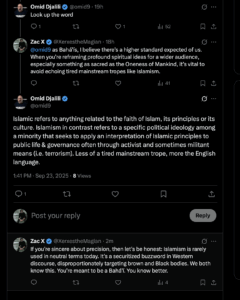
To reduce Islamism to a “technical English-language distinction” is disingenuous. The term has never been neutral. In nearly all Western contexts, it has become a floating signifier for violence, extremism, and “dangerous Muslims.” It serves to other, to isolate, and to justify state and vigilante violence often against entirely innocent people (Afghanistan, Iraq & Palestine).

And when Bahá’ís, of all people, repeat that language without self-awareness, without contrition, and without consultation, we should all be worried.

The Problem Isn’t the Joke. It’s the Response.

I understand the pressures of performance. I’ve done media. I know how easy it is to slip. What matters is what happens next. When another Bahá’í, someone you know, someone with many mutual connects, raises a concern gently and in good faith, the correct response isn’t smugness. It isn’t defensiveness. It certainly isn’t “learn English.”

That response is hurtful, racist, and deeply contrary to the values we both claim to serve. And that’s what cut. Not the line in the show but the refusal to listen afterwards. The arrogance of elite Bahá’ís who believe proximity to celebrity, applause, or power gives them carte blanche to reframe revelation in their own image.

This Is Why We Need to Talk

As Brown Pundits reshapes itself, I’m re-examining my own priors, too. What voices we platform. What values we uphold. Who gets to speak for our communities and under what banner.

So I say this plainly: The oneness of mankind cannot be proclaimed by marginalizing Muslims. And Bahá’ís, especially public ones, must hold themselves to the standard of humility, consultation, and truthfulness we profess to believe in. We cannot serve justice while echoing injustice. We cannot preach unity while casually reinscribing division. The world is watching. Let’s be worthy of what we claim.

đŸ§” Open Thread: Hate Speech, Travel Notes, and Diplomatic Surprises

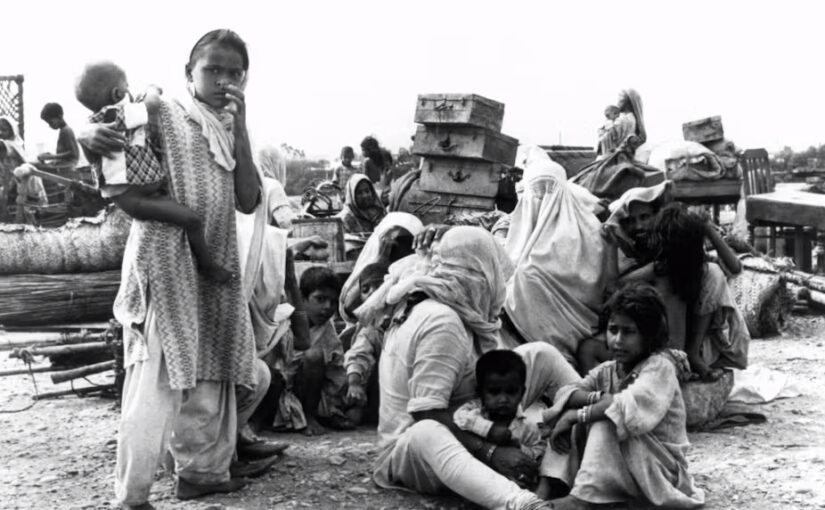
I just saw a comment that genuinely crossed the line; not just a misstep, but something hateful, dehumanizing, and deeply communal. It invoked Partition violence in a way that glorified massacre. That’s not just a dogwhistle, that’s a foghorn.

As most of you know, I’m a light-touch moderator. I tolerate a lot. I believe in messy dialogue. I’ve been fair on my WhatsApp groups, fair on BP, and generally try to err on the side of letting things play out. But this? This wasn’t a close call. It was a clear failure of moral language.

Even if the commenter didn’t “mean it,” this kind of rhetoric has consequences. When you’re speaking about events like 1947, where entire families were destroyed, you need to speak with care, not contempt. There’s no room for casual violence, coded language, or historical gloating. None. Zero.

Before this commenter contributes further to the blog, he will need to fully retract and apologise for the communal language he used. Criticism is fair game. But hate speech is not. Kabir can be theatrical, yes but he does not traffic in dehumanization. The standards must be consistent, and that comment clearly crossed the line.

Please observe this on the thread. I’m traveling, and this is an open post. I’ll be back with more soon. I’ve written a bit in my newsletter but I will expand on those.

In the meantime:

âžĄïž Yes, it appears Pakistan is running smart diplomacy — both with Iran and the U.S.

âžĄïž  I don’t have time to share the links (plane about to take off); they’re all Google-able.

âžĄïž But credit where it’s due. There is no infallibility in foreign affairs. But when someone cannot stand to see Pakistan get anything right, it reveals more about their own biases than about geopolitics.

This isn’t about defending states or “sides”; it’s about defending basic decency in discourse.

Open Thread: From Flattery to Fatigue — What the Iranian Diaspora Can’t Admit

On July 14, I wrote about Ta’arof ; the millennia-old Persian art of flattery, refusal, and ritualised courtesy. It’s often misunderstood in the West as “saying no three times,” but it’s really about emotional high-context negotiation, reading the room before the room speaks.

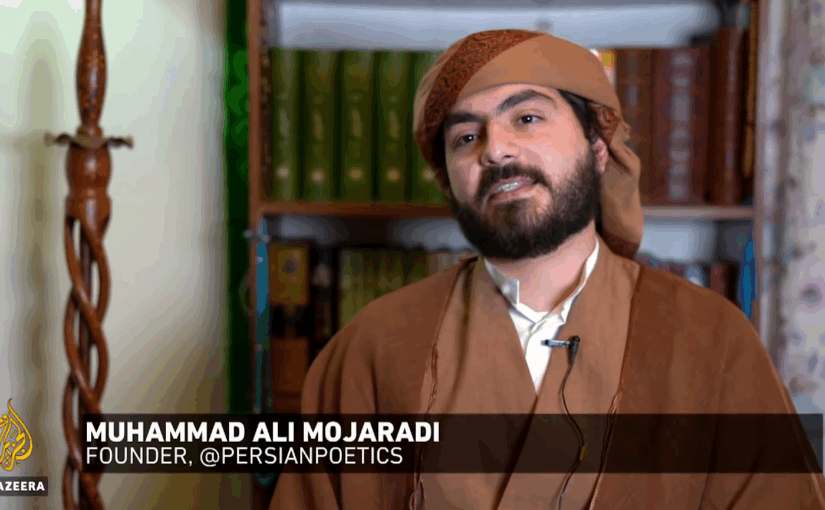
The next day, on July 15, Sharghzadeh posted a powerful video, calling it Iranian Diaspora Fatigue. A searing takedown of the Iranian Diaspora’s toxic racial insecurities, internalised Islamophobia, misogyny masked as modernity, and cultural denialism. He’s mostly right.

What he calls fatigue, I’d call poisoned flattery turned inward. Because Tehranglos are no longer performing Ta’arof to honour guests or elders. They’re doing it to whiteness itself. Hoping if they refuse our own identity long enough, maybe the West will say: “Yes, come in.”

That’s not assimilation. That’s exhaustion. And the worst part? Even the racism feels borrowed; against Arabs, against Afghans, against Iranians back home. It’s not even Iranian. This isn’t just about cringe TikToks or awkward panel guests. It’s about who gets to narrate Persian culture. And what gets flattened when tradition becomes product. I was stunned when Zachary Newman — one of the most prominent Persian-Jewish American chefs — endorsed Netanyahu’s strikes on Iran. That moment crystallised something.

Sharghzadeh and I are saying the same thing: Persian culture is being gentrified by its own children. What survives isn’t tradition. It’s content. It’s vibes. If Iran is an unreadable poem, diaspora is turning it into a slogan. If Iran is lived, diaspora is increasingly just captioned. And they wonder why they’re tired. Is the Persian diaspora preserving a culture, or just performing it for the algorithm?

Brown Pundits