Another Browncast is up. You can listen on Libsyn, Apple, Spotify, and Stitcher (and a variety of other platforms). Probably the easiest way to keep up the podcast since we don’t have a regular schedule is to subscribe to one of the links above!
In this episode Maneesh Taneja and myself talk to Shaifq ur Rahman and Jyoti Rahman, Bangladeshi academics and scholars with an interest in the current political churn.
India–Pakistan threads are totally fine when the post is about India–Pakistan, or if it’s an Open Thread. Let the sparks fly there.
But on other posts—please avoid steering every conversation back to India–Pakistan. It’s not always relevant and derails useful discussion.
I won’t be actively moderating every thread. If something is genuinely offensive or disruptive, feel free to flag it—I’ll step in only if needed. Continue reading 🧵Quick Moderation Note
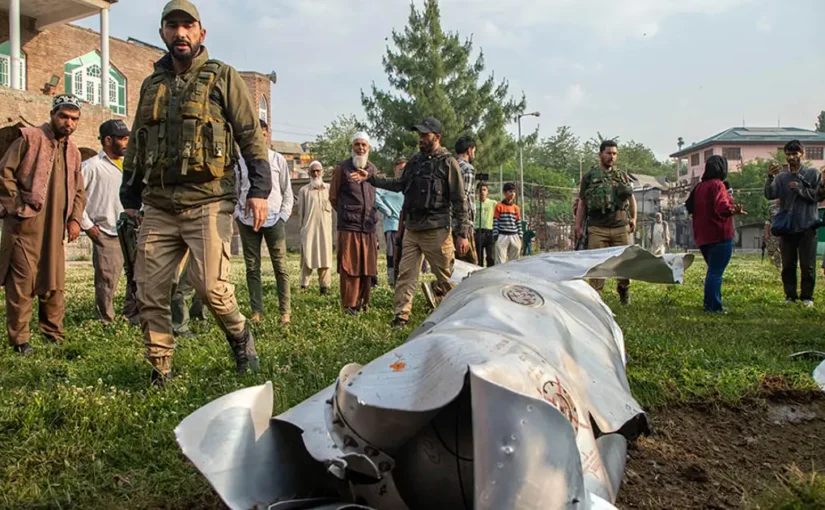
I’ve just listened to the first half-hour of Op Sindoor, the latest Brown Pundits Browncast featuring Amey, Poulasta, and Omar. The full episode runs over 90 minutes; I’ll be reflecting on the rest in due course. For now, some thoughts on the opening segment, which focuses on the recent terror attack in Pahalgam and its aftermath.
🧨 The Attack Itself: Pahalgam as a National Trauma
The episode begins by recounting the massacre in Pahalgam, Kashmir—a tourist meadow turned execution ground. Twenty-six people, most of them honeymooning Hindus, were murdered after being identified through religious markers: circumcision, Kalma recitations, names. The hosts don’t shy away from calling it what it is: a targeted Islamist attack. The group responsible, the TRF (The Resistance Front), is introduced as a Lashkar-e-Taiba cutout, designed to launder Pakistan-backed militancy through a local Kashmiri lens.
There is a palpable sense of cumulative fatigue in how the Indian speakers describe it—not as an aberration, but as part of a 30-year continuum of such violence. The emotional register is high, but justified. The use of plain terms like terrorists over euphemisms such as militants or gunmen reflects a long-standing frustration with how such attacks are framed in international discourse.
Another Browncast is up. You can listen on Libsyn, Apple, Spotify, and Stitcher (and a variety of other platforms). Probably the easiest way to keep up the podcast since we don’t have a regular schedule is to subscribe to one of the links above!
In this episode Amey hosts myself (omar) and Poulasta (our resident Bengali expert) to talk about the recent India-Pakistan kerfuffle. Amey was ready for war, but we found common ground 😉 (as usual with India and Pakistan, a lot of the discussion is about partition and related misunderstandings)
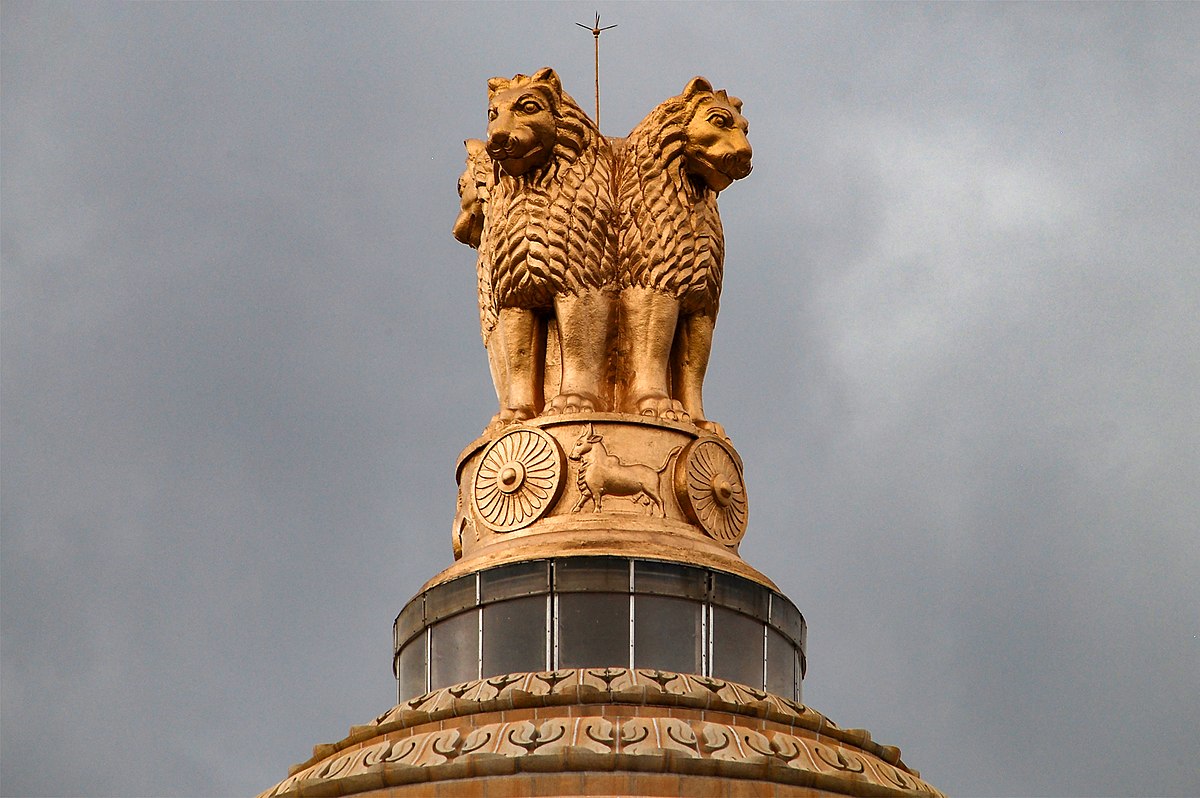
Around the time of Mahavir and Gautam Buddha, a powerful ancient monarch named Bimbisar reigned on western side of Ganga.
On the east lay the ancient Vrjji Gana-Sanghas – Sakya Malla Licchavi Videha –
The lands to the east of Ganga had no Kings but were ruled by leaders of various Kshatriya clans in an assembly where every family had a voice.
As part of his strategy, Bimbasara married a princess of Videha and to her was born Ajatashatru – the one without any enemies.
When Ajashatru ascended to the throne of Magadha, he formed staging post on the western bank of Ganga and waged a terrible war against the Vrjji Republics lead by the Licchavis and won.
This staging post would be called Pataliputra and serve as the seat of the Magadhan Monarchs like Mahapadma Nanda, ChandraGupta Maurya and Ashok Maurya.
800 years later when Ancient Bharat lay fragmented and scattered after centuries of Yavana, Shaka and Kushana invasions, a Small King called Chandra entered a matrimonial alliance with the same Licchavis marrying Kumara Devi.
His fine golden coins carried images of both him and his queen.
His young son who called himself Licchavayah – to emphasise the backing of the prestigious Licchavis in the Gupta Game of thrones. This young man would go on the reshape Bharat with his sword and help usher in the Golden Age of Ancient India.
His name of Samudra-Gupta – which means Protected by the Sea because his sword had added the Southern coastal kingdoms into his Raja-Mandala.
But this Golden Era of Ancient India also meant the fight between the ideas of Gana-Sangha and Rajatantra was almost settled in the favor the Chakravatri in the ideal of a fearsome conquerer like the Licchavi Dauhitra – Samudragupta
Another Browncast is up. You can listen on Libsyn, Apple, Spotify, and Stitcher (and a variety of other platforms). Probably the easiest way to keep up the podcast since we don’t have a regular schedule is to subscribe to one of the links above!
In this episode Mukunda and I talk to Prof Vamsee Juluri, professor of media studies at the University of San Francisco and the author of several books, including “rearming Hinduism“. We asked him how he defines Hinduism, what is Hinduphobia and why (and how) Hindus should “re-arm” (or not).
This was a joint podcast with Mukunda Raghavan of Meru Media, so for a change we have video (a fact I did not realize when we started recording, so the light and the face are less than ideal 🙂 )
Well, here we are. Razib and Amey talk about Sri Lankan genetics, casteism or lack thereof in the USA, the FUBAR of American immigration and finally how William Dalrymple triggers Amey’s Maratha pride.
Since I haven’t asked in a while, please review positively on Apple and Spotify.
Also, if you want to support the hosting fees for the podcast as well as recording software, please consider joining the Patreon.
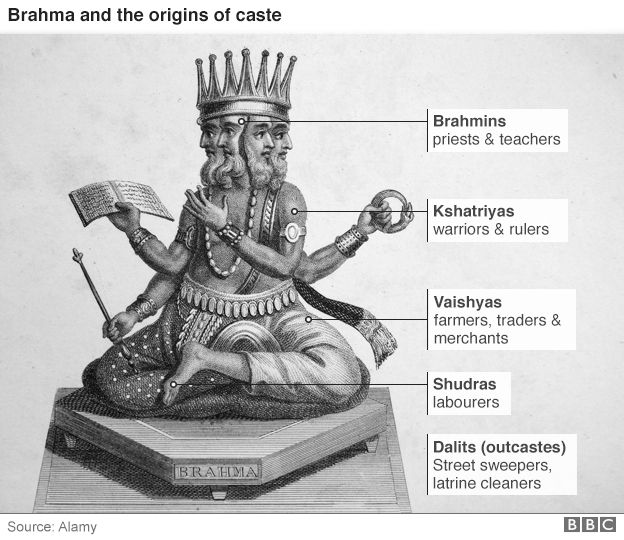
The 100th Browncast! Razib and Mukunda talk to Pushpita Prasad and Sudha Jagannathan of the Coalition of the Hindus of North America to talk about where we stand on the “caste question” in the US today. There are lots of different opinions here between the four guests, and platform of Dalits and Bahujan.
Another BP Podcast is up. You can listen on Libsyn, Apple, Spotify, and Stitcher (and a variety of other platforms). Probably the easiest way to keep up the podcast since we don’t have a regular schedule is to subscribe to one of the links above!
In this episode, Omar talks to Ambassador Kamran Shafi and Columnist Dr Mohammed Taqi about the current political crisis in Pakistan. We take our best guess on whether the army is falling apart or just having a hiccup.
Some background:
NFP (nationalist-leftist columnist from Karachi) writes a pretty good summary of the Imran Khan experiment and how it fell apart. https://www.dawn.com/news/1719266/smokers-corner-the-self-destruction-of-imran-khan
Former ISI chief Asad Durrani writes about the failure of Project Imran: https://timesofindia.indiatimes.com/world/pakistan/the-army-took-a-back-seat-because-its-project-imran-khan-bombed-says-former-isi-chief-asad-durrani/articleshow/95305574.cms
Mainstream Pakistani nationalist Mosharref Zaidi writes on this topic: https://www.thenews.com.pk/print/1007665-november-29-and-pakistan-s-polycrisis
it is worth noting that I could not find a single recent good article by a pro-khan columnist. That is not his style. He has a simple message, and no details and no plan.
Another BP Podcast is up. You can listen on Libsyn, Apple, Spotify, and Stitcher (and a variety of other platforms). Probably the easiest way to keep up the podcast since we don’t have a regular schedule is to subscribe to one of the links above!
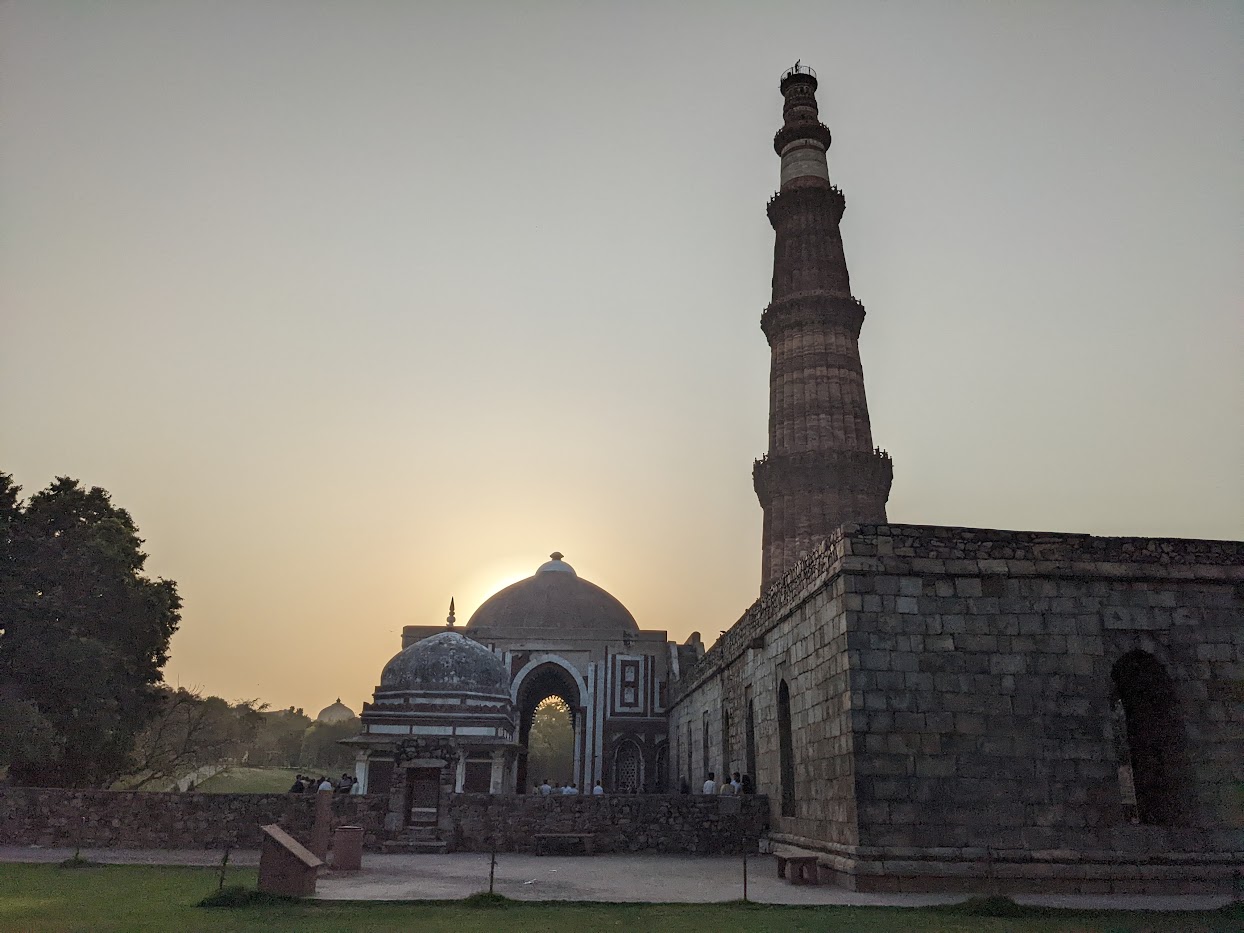
In this episode of the history podcast, Omar and Jay discuss the period of Delhi Sultanate with Jay and Gaurav. We go over all the major dynasties and also discuss the religious, economic aspects of this time.
As Omar Ali puts it, the legacy of Delhi Sultanate is the legacy of Islam in the subcontinent.
References:-
1. The Emergence of the Delhi Sultanate, 1192-1286 by Sunil Kumar
2. The History and Culture of the Indian People: Volume 6: The Delhi Sultanate
3. India in the Persianate Age: 1000-1765 by Richard M. Eaton
4. Medieval India – Vol. 1 by Satish Chandra
5. Advanced Study in the History of Medieval India: Volume I by J L Mehta
6. A Comprehensive History of India: The Delhi Sultanat (A.D. 1206-1526), ed. by Mohammad Habib and Khaliq Ahmad Nizami