Hijab: Between Revelation and Regulation

When Bahá’u’lláh wrote that every word of the Qur’ān bears meaning and intention, he was reminding us that revelation, properly read, resists reduction.  Scripture, like language itself, is alive; it breathes, it hesitates, it renews.  Yet somewhere between the living word and the legislated code, the hijab became a symbol, of modesty, of defiance, of cultural siege, of theological purity, until its nuance was lost to politics.

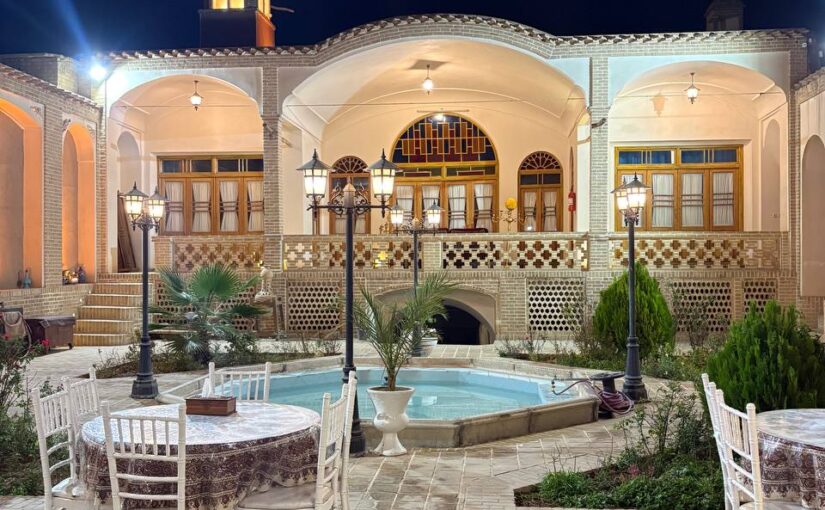
My friend is in Kashan, a city of gardens and scholars, and perhaps among the most traditional pockets of Iran.  She forgot her hijab back in her home city and now cannot step out of her hotel.  The irony is sharp: the veil that once signified spiritual privacy has become an enclosure of space.  Kashan’s cobbled lanes whisper poetry, but they also enforce silence.

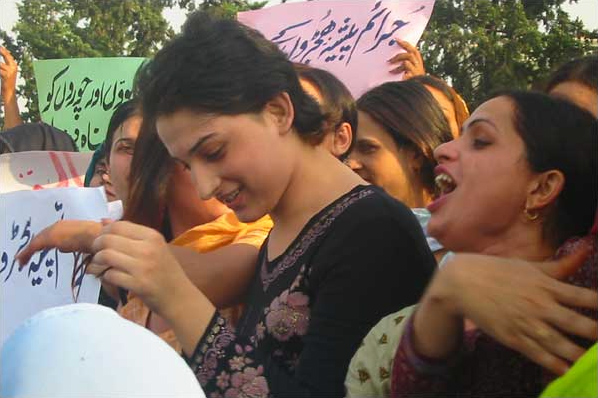
Meanwhile, the liberal axis of Iran, Shiraz, Tehran, Gilan, Mazandaran, Semnan, walks the tightrope between revelation and rebellion.  The North dresses as Europe, the Centre prays as Qom.  Mahsa Amini’s martyrdom was Kurdish, and therefore doubly liminal: ethnically marginal, religiously symbolic (the Kurds are very secular as a rule of thumb; more Zoroastrian than the Persians).  Her death reopened a question the Qur’ān itself leaves open — what, after all, does áž„ijāb mean?

1. The Qur’ānic Vocabulary of Modesty Continue reading Hijab: Between Revelation and Regulation
Links on My Browser Right Now – Open Thread

A few pieces I’ve been reading this week:


Reflections

On the Ummah: Muslims have often failed to concede ground in internal debates, which has left them politically boxed in. One reform across all denominations would be to return directly to the Quran as the primary authority. That alone would dissolve many cultural accretions, halal (animals should be stunned before slaughter), hijab (a Sassanian trait), and other practices, into something more adaptive.

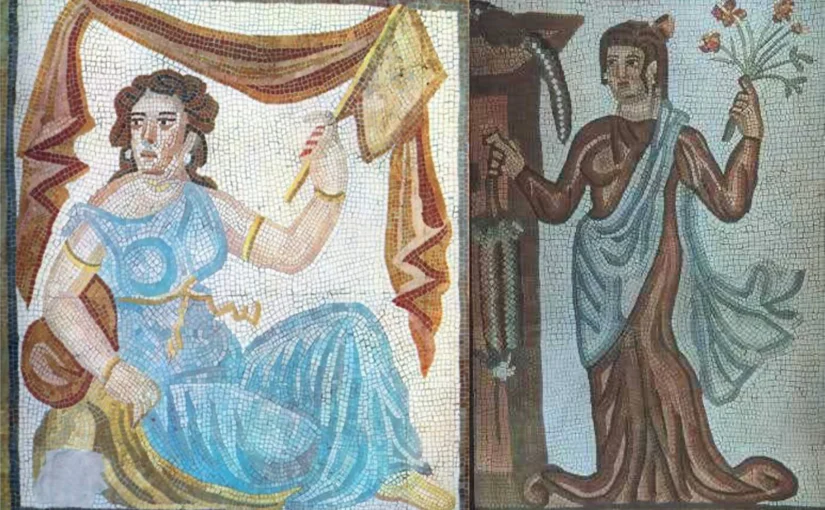
And here’s a more speculative question: if the “Satanic Verses” were reconsidered if Al-Lat, Al-Uzzah, and Al-Manat were understood as sacred divinities at the threshold of the Lote Tree, would that make Islam more fluid, especially for minority-majority dynamics?

On Kabir: I’m not moderating him out, but readers should be aware that he frames everything through Muslim-rights activism. Engage, but don’t get gaslit into endless provocations. Everyone is entitled to their nationalisms — but they can’t claim liberalism at the same time. That tension makes it worth examining how plurality is treated within the Hindu fold itself. Dharma, unlike the Abrahamic Faiths, tends to all for multiple truths co-existing with each other (Buddhism and indigenous East Asian religions).


👉 Over to you. I’m retreating from heavy moderation — I see BP’s strength in letting the commentariat lead. Biases are fine. Gratuitous abuse is not.

Image

“In March 1998 the Indian PM Gujral, told 
 “Pakistan was not capable of making atomic bombs.” he had been convinced by Indian Intelligence and Dr Raja Raman, the head of Indian Atomic Energy Commission, who had publicly claimed that nuclear weapon were beyond Pakistan’s reach.”

Open Thread; Trans in the Muslim World

Other Stories (thank you Nivedita):

🔗 India Today – Harshvardhan Jain Scam

A man posed as a diplomat, set up fake embassies, and ran a multi-crore loan fraud racket via fake companies. He even issued “official” visas.

🔗 Business Standard – Karnataka Vendor GST Nightmare

A vegetable vendor in Karnataka received a GST notice due to high UPI volume — triggering a cascade of tax bureaucracy.

🔗 Economic Times – Indian Man Stabbed in Ireland

An Indian man in Ireland issues a public warning after surviving a random stabbing in Dublin.

🔗 NDTV – Hyderabad Man Kills Wife

In Hyderabad, a man stabbed his estranged wife to death at a birthday party for a child.

Brown Pundits: Broad Church or Narrow Canon?

Brown Pundits Must Stay a Broad Church

Reading Kabir’s thoughtful post on the “soft Hindutva” bias at Brown Pundits, I found myself both agreeing with parts of his argument and diverging from its framing. My own journey with BP goes back to its inception. The blog was born in Twixmas December 2010; 10 days after I had met Dr. Lalchand, whose presence has profoundly shaped my civilizational views.

I say this not as a biographical aside but because BP, at its best, is where the personal and civilizational collide. We bring who we are; our marriages, our migrations, our contradictions, into this messy, brilliant conversation.

At the time, like many Pakistanis, I held a deep-seated assumption: that Hindus were fundamentally “other.” It wasn’t overt hatred; just a civilizational distance, internalized from birth. But Dr. V & Brown Pundits challenged that.

A Forum With Bias? Yes. But Which One?

The heart of BP is not neutrality; it’s the willingness to host contradiction. That is its genius, and it must be protected.

Continue reading Brown Pundits: Broad Church or Narrow Canon?

Brown Pundits