Interdiction

I’ve made a decision: Kabir will no longer be allowed to comment on Brown Pundits.

This isn’t about silencing the only active Pakistani Muslim voice here. Nor is it about shutting down disagreement. It’s about something more basic: respect; for this space, for conversation, and for the people who show up in good faith.

Earlier today, I had to invoke the five-comment deletion rule after one of Sbarrkum’s replies crossed a line. He implied grotesque accusations. I’ve said it before: all life is sacred. That kind of slander won’t stand. Ever.

The admins have asked me for some time to be firmer. I’ve held back. I value openness. But Brown Pundits is not a free-for-all. We care about how people argue, not just what they argue.

I’d meant to write something calmer after yoga. Because I care about this project. I believe in it. BP must be a place of respect. That comes from a deeper idea; dharma, a commitment to plurality and balance. Even when we fall short, that’s the standard we aim for.

I’m not saying India, or the BP commentariat, always gets it right. Sometimes, on topics like caste, we speak from a place of blind privilege. And as the founder, I know my voice carries weight. That’s not always fair.

But this is the key: we must disagree with grace. And Kabir doesn’t. His tone is often scornful. He treats this space as beneath him.

Over the years, I’ve seen something: for many Pakistanis, the deepest value is ‘Izzat; honour and status. It often matters more than truth. But that ‘Izzat seems to vanish in the face of power—especially when that power is Western or Arab. Kabir speaks glowingly of ā€œthe West.ā€ But when it comes to Dharma Asia, he sneers.

That sneer has been aimed at Brown Pundits. And I won’t allow that anymore. Kabir may see BP as ā€œlesser,ā€ unworthy of his respect. You don’t get to sneer and stay.

This isn’t a permanent ban. But it is an interdiction. Kabir is welcome to focus on his Substack. I wish him well. If he ever wants to return, he can contact me directly. But that will require real contrition; not performance.

Let me end with this: this is not about politics. People here hold strong views; on India, on Palestine, on religion. That’s not the problem. The problem is contempt. Mockery. Scorn. Brown Pundits will always welcome hard conversations. But only if they’re honest. And only if they’re respectful.

On another happier note, Nigerian ingenuity:
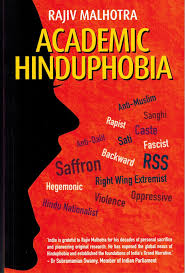
Hinduphobia Exists, But Pakistan Was Not Born from It

I was riffling through the comments and my jaw dropped when Kabir claimed Hinduphobia doesn’t exist. It struck me as both historically and emotionally tone-deaf. I didn’t respond at the time, but I’ve been reflecting on it since.

Let me say upfront: Hinduphobia does exist. It may not always manifest in overt violence or systemic persecution (at least not today, and not in most places globally), but it does appear in more insidious, ideological forms; especially in academic and diasporic discourse.

Take, for instance, the backlash against H1B visa recipients. Much of that criticism is coded; targeting upper-caste Indians, especially Hindus, who are the primary beneficiaries of this brain-drain dynamic. It’s not just about class or meritocracy; there’s an unspoken discomfort with their presence and success, often couched in progressive rhetoric.

On the intellectual front, academics like Audrey Truschke and others within the left-liberal Western consensus have regularly challenged or dismissed Hindu identity altogether; reducing it to political nationalism or caste oppression. This refusal to acknowledge Hinduism as a living, plural, and spiritual tradition creates an environment where Hindu self-articulation is delegitimized. That too is a form of Hinduphobia.

Now, is this Hinduphobia the same as the systemic anti-Muslim, anti-Black, or anti-immigrant hatred we see elsewhere? No. Hinduphobia today is more dismissive than violent, more erasure than exclusion, but it is real and it needs to be acknowledged.

Pakistan Was Not Born from Hinduphobia Continue reading Hinduphobia Exists, But Pakistan Was Not Born from It

Genocide by any other name

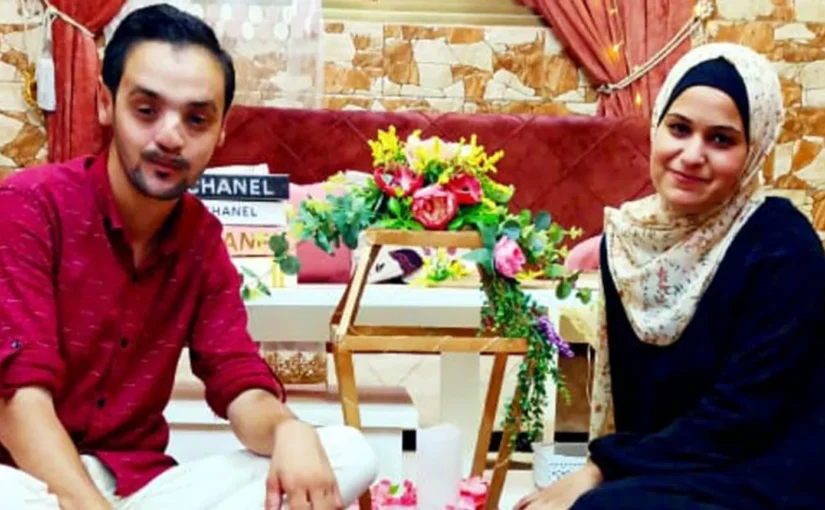
“My nerves are shattered,” says Noura, a 26-year-old Palestinian woman, explaining that she has been “left with nothing”.

After years of IVF treatment, she became pregnant in July 2023. “I was overjoyed,” she remembers, describing the moment she saw the positive pregnancy test.

She and her husband Mohamed decided to store two more embryos at Al-Basma Fertility Centre in Gaza City, which had helped them conceive, in the hope of having more children in the future.

“I thought my dream had finally come true,” she says. “But the day the Israelis came in, something in me said it was all over.”

Israel launched a military campaign in Gaza in response to Hamas’s cross-border attack on 7 October 2023, in which about 1,200 people were killed and 251 others were taken hostage.

Since then at least 54,000 people have been killed in Gaza, according to the territory’s health ministry.

Like thousands of Gazans, Noura and Mohamed had to repeatedly flee, and were unable to get the food, vitamins and medication she needed for a healthy pregnancy.

šŸ•Æļø Saving Adam

I don’t often comment on the Israel–Palestine conflict, and I try not to be reactive. But there comes a point where neutrality becomes its own kind of indulgence.

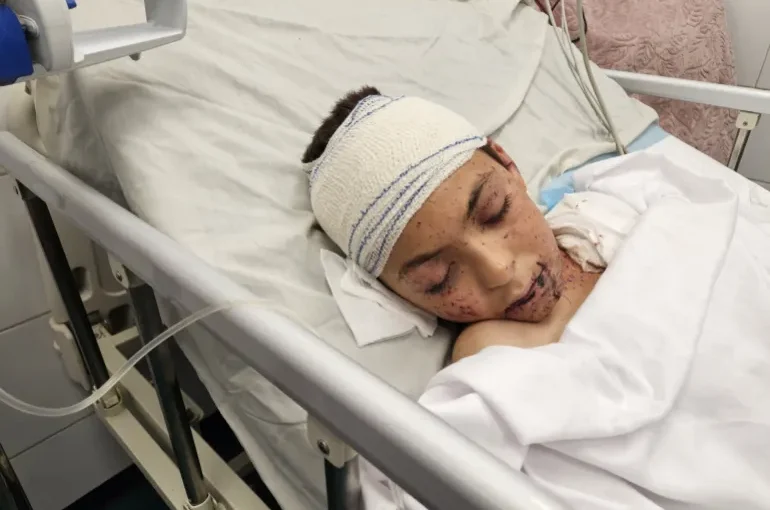
Alaa al-Najjar, a pediatrician, lost nine of her ten children, and her husband, in an airstrike on their home in Khan Younis. Her surviving son, Adam, 11, had his hand amputated and was flown out of Gaza to Italy, where he says he hopes to live in ā€œa beautiful place… where houses are not broken and nobody dies.ā€

The children killed were: Sidar (7 months), Luqman (2), Sadeen (3), Rifan (5), Raslan (7), Jubran (8), Eve (9), Rakan (10), and Yahya (12). May they rest in the Highest Heaven. Continue reading šŸ•Æļø Saving Adam

Brown Pundits