
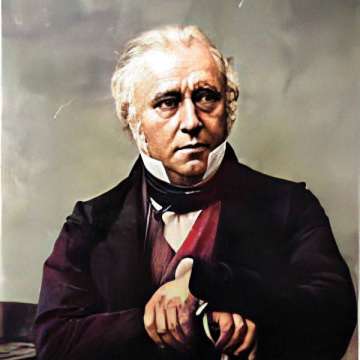
Macaulay, English, and the Myth of Colonial Liberation

Rebuttal to When RSS-Modi Attack Macaulay and English, They Attack Upward Mobility of Dalits, Shudras, Adivasis

Follow-Up to Macaulay, Macaulayputras, and their discontents

A new orthodoxy has taken hold. It claims that criticising Macaulay or colonial education is an attack on Dalit, Shudra, and Adivasi mobility. English, we are told, was not a colonial instrument but a liberatory gift. Macaulay is recast as an unintended ally of social justice. This view is wrong. More than that, it is historically careless and civilisationally corrosive.

The Core Error

The mistake is simple: confusing survival within a system with vindication of that system. No serious person denies that English became a tool of mobility in modern India. No serious person denies Ambedkar’s mastery of English or its role in courts and constitutional politics. But to leap from this fact to the claim that Macaulay was therefore justified is a category error. People adapt to power structures to survive them. That does not sanctify those structures. To argue otherwise is like saying famine roads liberated peasants because some learned masonry while starving. Adaptation is not endorsement.

Macaulay Was Explicit

There is no need to guess Macaulay’s intentions. He stated them plainly. He dismissed Indian knowledge as inferior. He wanted to create a small class: Continue reading Macaulay, English, and the Myth of Colonial Liberation
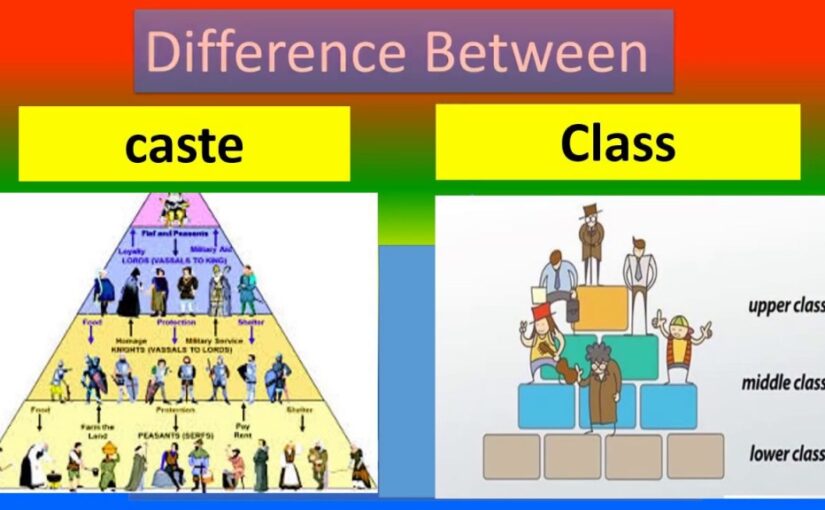
Caste, Civilisation, and the Courage to Own It

Kabir suggested that I apologise but for what, exactly? Why should Saffroniate be considered offensive? Own it. I don’t see anything inherently wrong with the idea of Akhand Bharat; the concept of a broader Dharmic civilisation makes eminent sense to me.

Likewise, I don’t understand why questioning caste identities provokes such sensitivity. Again, own it because the more caste is repressed, the more likely it is to resurface.

At heart, I’m a reformist, not a revolutionary. I believe in improving and refining what exists, not erasing it. Cultural features should only be abolished when they are truly harmful or deleterious, not simply because they make us uncomfortable.

Open Thread: From Murder to Mercy — The Midwives of Bihar

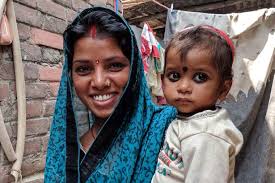
In the 1990s, rural midwives in Bihar were quietly killing baby girls under pressure from families. Some confessed to dozens of infanticides. Dowry, caste, poverty — all conspired to make daughters disposable.

Thirty years later, one of those girls has returned — adopted, loved, and thriving — to meet the women who chose to save rather than kill.

This story, told through BBC Eye’s The Midwife’s Confession, is brutal, human, and profoundly moving.

What does it say about India’s gender imbalance, social reform, and the moral grey zones of survival?

This thread is open for reflection. Please engage with care.

🎥 Watch on YouTube

📖 Read the full story

Brown Pundits