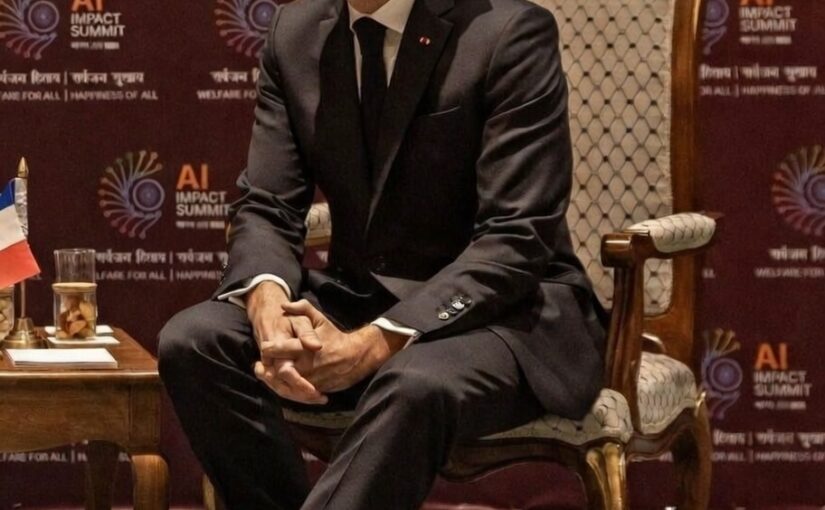
Bangladesh swears in its first male prime minister in 35 years Tarique Rahman.
The morning after the monsoon: Bangladesh votes for a fresh start
Bangladesh Nationalist Party leader Tarique Rahman, takes the oath as Prime Minister of Bangladesh 17 February. Screenshot BBC News report.
Intro
The electorate of this delta nation has given politicians another opportunity to build a democratic, peaceful and harmonious nation. The road ahead is challenging, but some tasks are achievable
Opinion
By Irfan Chowdhury / Sapan News
If democracy had a scent, in Bangladesh it would be the acrid smell of burning tires. For nearly four decades, elections in this delta nation have been martial events, marred by strikes, machetes, and the terrifying silence of the “hartal” (strike). Yet, as the sun rose over the river Buriganga on 13 February, the air was clear. The 13th Parliamentary Election, held the previous day, did not end in bloodshed. It ended in queuing.
For the first time since 2008, Bangladeshis cast ballots that were actually counted. And they delivered a verdict that is as decisive as it is retrograde.
As the final tallies from the election trickled into the Election Commission’s headquarters, the air of revolutionary fervour was replaced by the cold math of electoral reality. The Bangladesh Nationalist Party has returned from the political wilderness with a crushing two-thirds majority.
The numbers are startling. The Nationalist Party and its allies secured 212 out of 300 seats, an absolute majority that gives their leader, Tarique Rahman, the mandate to reshape the republic. For Rahman — the son of the late President Ziaur Rahman and former Prime Minister Khaleda Zia who passed away recently — this is a personal and political vindication. Having led the party from a self-imposed exile in London for nearly two decades, he returns to the centre of power