Macaulay, Macaulayputras, and their discontents

We had some discussion about Macaulay on X and I wanted to write a piece about it, but I also know I probably wont get the time soon, so I am going to just copy and paste the discussion here, I am sure people can follow what is going on and offer their comments..

It started with this tweet from Wall Street Journal columnist Sadanand Dhume:

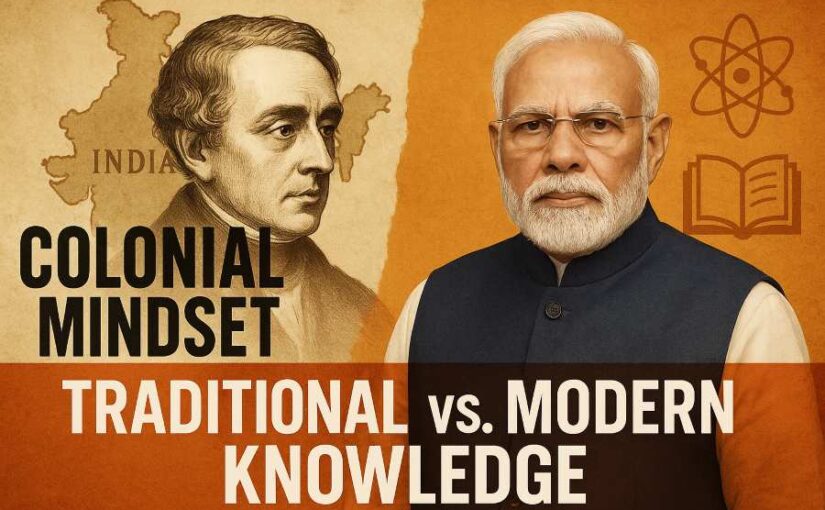
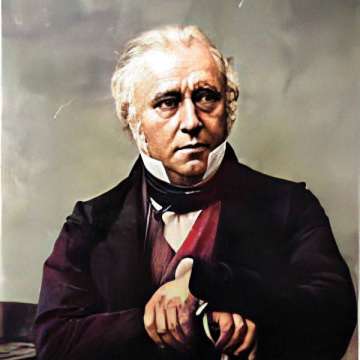
In India, critics of the 19th century statesman Thomas Macaulay portray him as some kind of cartoon villain out to destroy India. In reality, he was a brilliant man who wished Indians well. Link to article. 

I replied: 

I have to disagree a bit with sadanand here bcz I think while cartoonish propaganda can indeed be cartoonish and juvenile, there is a real case to be made against the impact of Macaulay on India.. Education in local languages with hindustami or even English (or for that matter, sanskrit or Persian, as they had been in the past during pre islamicate-colonization India and islamicate India respectively) as lingua franca would have been far superior, and the man really did have extremely dismissive and prejudiced views, the fact that they were common views in his world explains it but does not excuse it. The very fact that many liberal, intelligent and erudite Indians of today think he was “overall a good thing” is itself an indication that his work has done harm.. BTW, there were englishmen in India then who argued against Macaulay on exactly these lines..

Akshay Saseendran (@Island_Thought) replied: Continue reading Macaulay, Macaulayputras, and their discontents

Pakistaniat & Urdu from Qasim to Quaid

UP’s very long shadow:

As I board my flight back to the UK after a brief but productive trip, I find myself reflecting on a language that continues to haunt and inspire me: Urdu.

It is a tongue caught between paradoxes. The language of courtesans and qawwals, of sacred supplication and sly seduction. It carries within it the scent of jasmine and blood, of Delhi’s dusk and Lahore’s lingering grief.

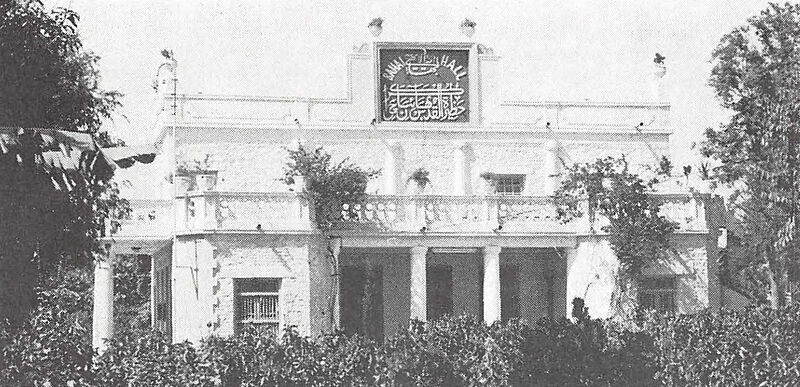
The Beloved Guardian of the Baha’i Faith once noted that while most Baha’i texts should be translated from English, Urdu alone is trusted for direct translation from Persian and Arabic. That proximity, that spiritual siblinghood with Persian, the language of kings, and Arabic, the language of God, renders Urdu magical.

Sanskrit, of course, is the language of gods, but Urdu, its stepdaughter of sorts, captures the longing of poet to partisan.

There’s a reason the Bahá’í prayer I share below is so piercing in Urdu. So here, before I cross back into another timezone, I offer this prayer—without commentary, without translation. Just Urdu, as it was meant to be heard.

And I wonder: perhaps this is what Pakistan truly is—a project in transcending the local. Not rooted in soil, but in sentiment. A place where Punjabis, Pathans, and Muhajirs are asked to shed skin and commune in Urdu. Where Pakistaniyat, for all its fractures, has succeeded in producing a common idiom: of piety, pride, and pain. Continue reading Pakistaniat & Urdu from Qasim to Quaid

Why Pakistan Is a Colonial Project & India a Civilizational One

Over the past few months, I’ve noticed a marked improvement in the quality of conversation on BP. A large part of this, I suspect, is due to eliminating trigger-response dynamics; as seen when I barred Q on a technicality. It created space: suddenly, the commentariat was thinking, not reacting. In that quiet, something became obvious.

Whenever Kabir invokes “neutral experts,” they always seem to be Western, usually venerably white, often from institutions directly involved in the colonial rape of India. And yet these same voices are elevated as if they were impartial or above it all. They aren’t. They are the architects, not the observers. This is the paradox at the heart of Pakistan. Continue reading Why Pakistan Is a Colonial Project & India a Civilizational One

đŸȘ™ What’s in a Name? Mukesh, Not Mukash.

While reading Brad DeLong’s fascinating newsletter on centi-billionaires and political power (I’m going to ignore Elon’s self-imploding stunt), I noticed something that jarred me more than it should have: Mukesh Ambani’s name was misspelled as “Mukash.” A minor slip, perhaps. But it was the only error in a list that included Bernard Arnault, Warren Buffett, and Michael Bloomberg—men whose names command a certain global familiarity.

What does it say that even after spending nearly half a billion dollars on a wedding for his son, India’s wealthiest man doesn’t merit a spellcheck? It says a lot.

🧠 The Chimera of Respect via Capital Continue reading đŸȘ™ What’s in a Name? Mukesh, Not Mukash.

Brown Pundits