Open Thread: From Floods to LaBal

A few updates from this week:

Sri Lanka is facing severe flooding. Sbarkkum reports major damage to rail and road networks, with Dutch support expected for reconstruction.

Sana Aiyar’s ā€œWorld at MITā€ video touches on her life and work

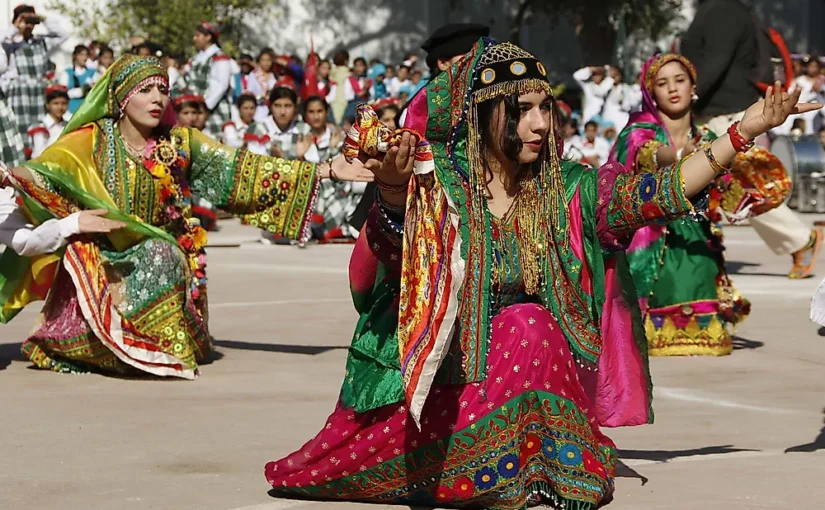
Sam Dalrymple has a clip on Lahore and Delhi—another reminder of how closely the two cities mirror each other despite partition.

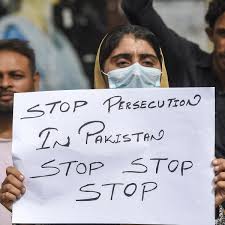
Pakistan’s minority rights bill is worth watching. Continue reading Open Thread: From Floods to LaBal

Open Thread: Rasam, Stray Dogs, and the Battle Over India’s Story

Life in Chennai has been calm. For breakfast I have rasam. It is a superfood: light, hot, and full of spice. Indian food is the only cuisine where I could be vegetarian. I know Persians who try. I feel sorry for them. No meat, no masala, no spice. There is only so much hummus one can eat.

But calm at the table contrasts with what I read in the news. The Delhi order to remove stray dogs is disturbing. I cannot look at the pictures of the removals.

Across the Trans-Wagah line, another current runs. The Pakistan Cricket Board may change its revenue-sharing with players. A small story, yet it speaks of a larger one: Pakistan may gain small tactical wins by tying its path as the flexible adversary to India. But for the top ten percent of its economy, the block is clear. They cannot flow into India’s success. They remain tied to Western patrons.

Meanwhile, old arguments are stirred again. Audrey Truschke has been active with fresh claims on Aurangzeb. The same week, Kabir wrote that Western philosophy outweighs Dharmic wisdom, and that Greek thought shaped Buddhism (I can’t remember if it was him). I wonder who first wrote this propaganda. It is damaging, and it lingers.

India’s stories stretch from the taste of rasam to the fate of stray dogs, from cricket boards to Aurangzeb’s ghost, from Kabir to the Greeks. Each is part of the same struggle: who owns the narrative of Bharat, and how it is told.

Links:

To the Dutch, a German Shepherd holds more worth: https://www.instagram.com/reel/DNYEoQForz2/?igsh=MTVrZW1kZW94NHdieQ==

Serial Killing at a Famous Karnataka Temple: https://youtube.com/shorts/YexL_ASaGqE?si=mQ-Kdj6jSMzNPrAx

Could be Social Media Frenzy: https://www.thehindu.com/news/national/karnataka/dharmasthala-burial-case-political-temperature-soars-as-no-major-recovery-after-digging-17-spots/article69937387.ece

Not one Football: https://youtube.com/shorts/DR8SFCTCaoQ?si=tut2ymQB3EcDHTY6

Sunny Narang in Conversation with Dr. Omar Ali.


Another Browncast is up. You can listen onĀ Libsyn,Ā Apple,Ā Spotify, andĀ StitcherĀ (and a variety of other platforms). Probably the easiest way to keep up the podcast since we don’t have a regular schedule is toĀ subscribeĀ to one of the links above!


Sunny Narang, a Punjabi born and brought up in Delhi with ancestral roots in Pakistan, speaks with Dr. Ali on post partition Punjabis in Delhi; they also talk about culture and people who have and continue to shape the history of the sub-continent, from Jain bankers in Mughal India to the business clans of modern India.


Some of the books talked about on the episode.

Indiraji Through my Eyes: Usha Bhagat
The City of Hope The Faridabad Story L.C. Jain
The South Asian Papers” , a collection of 16 papers by Stephen Philip Cohen
All These Years: A Memoir by Raj Thapar
Civilization and Capitalism: 15th-18th Century by Fernand Braudel
Punjabi Century by Prakash Tandon
Ā 


Brown Pundits