Context in BP is cumulative, mes amis.
As we know, certain members of the Crescentiate remain emotionally invested in Pakistan, and certain members of the Saffroniate respond by undermining Pakistan. Neither tendency is a criticism in itself, we try to keep as few Shibboleths as possible in BP.
As an aside the Crescentiate are “Zionesque” (or perhaps more appropriate Jinnahesque) in the sense of preferring Pakistan to Islam.
What is a criticism is repeatedly reaching across that line, eliciting the predictable reaction, and then presenting oneself as the neutral party once it arrives. This is a small community with a very long memory. The personality maps build over time, and we remember who did what first.
The Crescentiate, with whom Sbarrkum is aligned, correctly called Iran the victor in this year’s confrontation with the United States and Israel, a reading the Saffroniate has refused to grant. We deeply dislike the regime but acknowledge that its valiant defence of the homeland may augur new glimmerings for the Ummah (we are who we imagine ourselves to be hence why psych warfare is so dangerous).
Getting Indian Classical Music Wrong
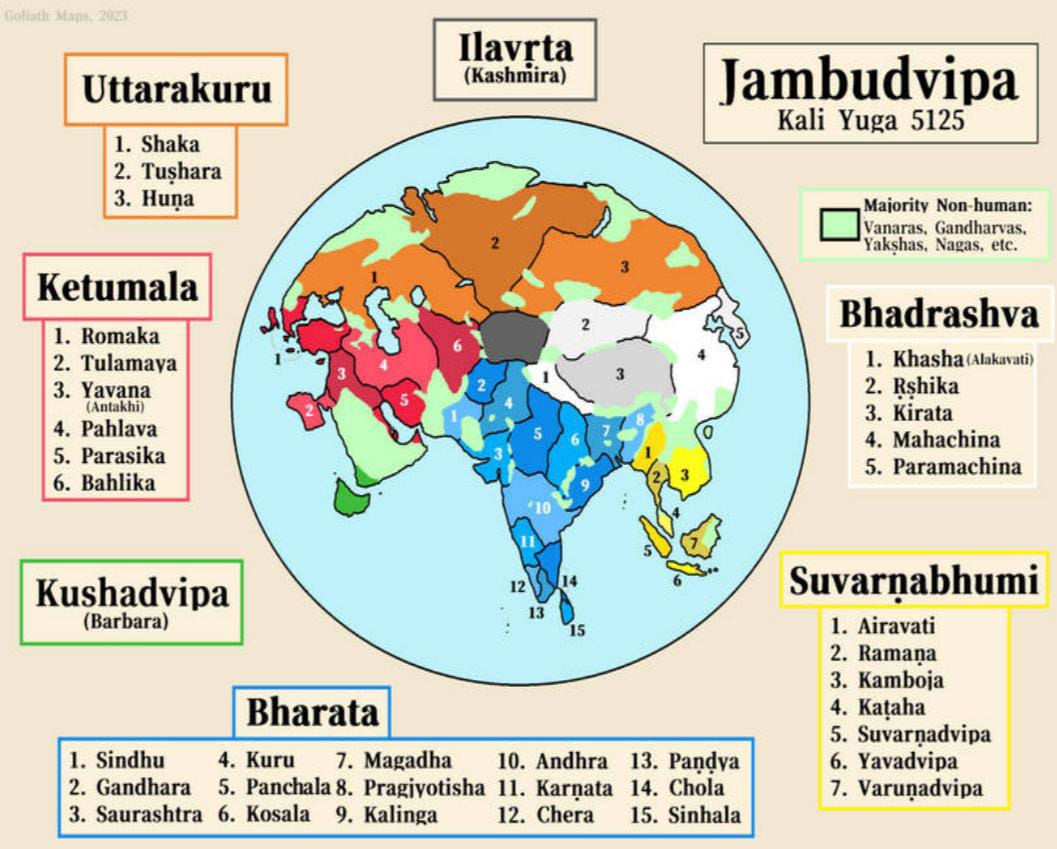
For instance, to tell our resident ethnomusicologist, an academic at Pakistan’s top university (Ivy+ crawls with LUMS researchers), that his field is entirely Hindu is ahistorical. Lest we be accused of green-washing, we prefer the Indian Continent be called Jambudvīpa.
But we are also appreciative of historical truth: all major khayal gharanas have Muslim founders, converts or otherwise. Islam has long since moved past the mawali stage.
Imam Bukhari, compiler of Sahih al-Bukhari and the most authoritative hadith scholar in Sunni Islam, had a great-grandfather who was a Zoroastrian convert and mawla of the Banu Ju’fa.
So when someone is triggered, we will look to understand whether the trigger is justified, and what “triggered” the trigger, before acting.
Parliament at her Best:
Remember this is Parliament. And in Parliament, the curious thing is that members of opposing benches are often more cordial with one another than they are with members of their own party. The hostility you see across the aisle is theatre. The knife-work happens at home.
We moderate by nunchi, not by formula, encouraging congeniality both within and across the benches.