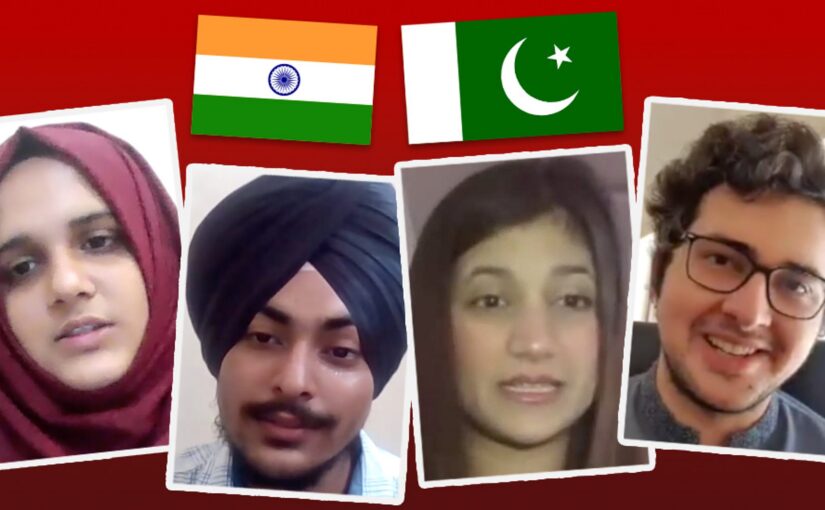
What Is Not India Is Pakistan

As Dave mentioned, there is a lively WhatsApp group of BP authors and editors, and it inevitably shapes the comment ecosystem. But one comment on the blog stood out:

ā€œThe very foundation of Pakistan is an anti-position. What is not India is Pakistan. So isn’t it obvious?ā€

It’s an extraordinarily crisp description of Pakistani identity-building. What is not India is Pakistan. That is not a slur; it is, in many ways, a psychologically accurate frame for how the state narrates itself.

What I increasingly find misplaced on this blog is the recurring assumption that Pakistanis are somehow ā€œIndians-in-waiting,ā€ or that Punjab is ā€œWest Punjab,ā€ Pakistan ā€œNorthwest India,ā€ or Bangladesh ā€œEast Bengal.ā€ These are irredentist projections that simply do not match lived identities. This is not ā€œNorth Koreaā€ or ā€œEast Germany,ā€ where both sides continue to imagine themselves as fragments of one common nation.

Yes, Pakistan consumes Bollywood and Hindi music, which themselves derive from Mughal and Indo-Persian syncretic traditions. Yes, Pakistan is culturally embedded in the greater Indo-Islamic civilizational sphere. But emotionally, Pakistan has severed itself from the Indian Subcontinent as a cohesive landscape. It has constructed a hybrid identity; part Turko-Persian, part Islamic internationalist, part anti-India.

I don’t personally agree with this move, and my own trajectory has been toward a strong Hinducised, Dharmic identification. But my view is irrelevant here. What matters is that Pakistani identity is defined negatively; as the commentator put it, ā€œWhat is not India is Pakistan.ā€

Whether that is healthy or sustainable is another matter. But identities can persist in unhealthy configurations for a very long time; the stock market can be irrational longer than your liquidity can survive.
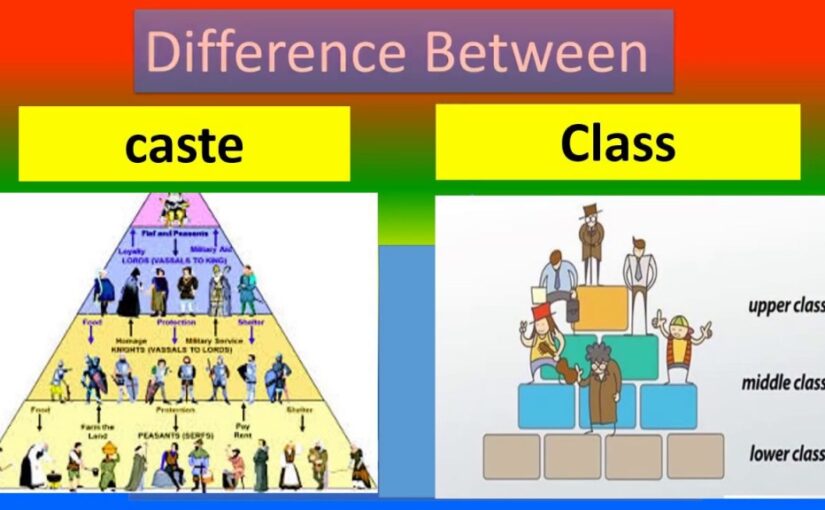
Why we must talk about caste

Every few months (years?), Brown Pundits goes through its own small earthquake. A post lands wrong, a comment thread ignites, and the whole Commentariat erupts.

The latest rupture began with a mild jibe on caste. I pointed out, in passing, that caste shapes political instincts far more than many admit. The backlash was instant. A section of the readers declared a quiet boycott. The threads went cold. No one wanted to break ranks. The more one claims to have transcended caste, the clearer its caste blind-spots become. Silence itself becomes a shibboleth.

And when the silence hit, the blog froze. Continue reading Why we must talk about caste

Red Fort Attack and Aftermath: Initial Thoughts by Manav S.


Red Fort Attack and Aftermath: Initial Thoughts by Manav S.

Last evening’s devastating car-explosion near the Red Fort in Delhi is not only a cruel assault on innocent lives but an assault on the very symbolism of our nation. According to early reports, a vehicle detonated close to the busy metro zone at the historic Red Fort complex, killing at least eight people and injuring more than twenty. ļæ¼ The government has invoked anti-terror legislation and launched a full probe under the Unlawful Activities (Prevention) Act (UAPA). ļæ¼

First, we must recognise the human tragedy behind the headlines. Lives shattered, families devastated, fear spreading in a city already grappling with chronic insecurity. For those of us of South Asian heritage who carry memories of communal strife, of migration and displacement, this attack touches a deeper chord of vulnerability and of collective memory. Hospitals have reported frantic cries, missing persons, relatives screaming for loved ones. ļæ¼

Second, the choice of location amplifies the message. The Red Fort is not just another landmark: it is an emblem of India’s sovereignty, its layered history, its identity. To strike here is to strike at the heart of public confidence and to send a message of audacious defiance. As scholars writing on ā€œbrown diasporic publicsā€ know, our public spaces carry meaning not just for those inside India, but for those of us abroad who anchor our identity in ā€˜homeland’ narratives. This attack disrupts that anchor.

Third, we must resist both fear and simplistic narratives. The invocation of terror laws suggests the state is treating this as a planned act of violence, not an accident. ļæ¼ But let us guard against quick binaries: Us vs Them, Hindus vs Muslims, India vs Outsiders. In a plural society like ours, sweeping communal attributions too often deepen fault-lines rather than heal them. Our commentary must demand both justice and wisdom: meticulous investigation, transparent process, and safeguarding civil rights in the process.

Fourth, what does this mean for our shared public culture? For someone born in Punjab and now living across borders, the explosion challenges our sense of movement, of belonging, of normalcy. We think of carrying family across continents, of re-configuring identity in Washington–DC and Delhi , how do such apparently random acts of terror recalibrate the psychic cost of migration and the distance between home and homeland? The answer is: they make the cost higher, the emotional freight heavier.

Finally, the path forward must hold three imperatives: one, empathy – for all victims, irrespective of religion, class or residence; two, accountability – for whoever plotted, financed or enabled this attack; and three, renewal – of the public realm, the shouting panic, the fear-laden sighs, with something stronger: resilient civic culture, public institutions we trust, cross-community solidarity.

As a brown pundit, I urge our readership to see beyond the flashes of violence, beyond the political spin, and to ask the deeper questions: What kind of society are we building? What kind of public spaces do we imagine, and what cost are we willing to pay for them? For if we shrug now, the symbolic scar will grow — far after the immediate blast damage is repaired.

In that moment of stillness after the blast, we owe to our fellow citizens not just sorrow, but vigilant hope.

The Broken Compact

Why the India, and American, Dream No Longer Holds

It was Dr V’s birthday this weekend, and we found ourselves in the Great English countryside; those great undulating fields and hedgerows that still whisper of an older order. There’s something about England’s pastoral stillness that throws modern anxiety into relief. The calm of inherited hierarchy, the sense that everything has already been decided, makes you think of those of us who were told that nothing was fixed, that we could climb forever if we just kept studying, working and performing.

The Dreams Continue reading The Broken Compact

Caste, Civilisation, and the Courage to Own It

Kabir suggested that I apologise but for what, exactly? Why should Saffroniate be considered offensive? Own it. I don’t see anything inherently wrong with the idea of Akhand Bharat; the concept of a broader Dharmic civilisation makes eminent sense to me.

Likewise, I don’t understand why questioning caste identities provokes such sensitivity. Again, own it because the more caste is repressed, the more likely it is to resurface.

At heart, I’m a reformist, not a revolutionary. I believe in improving and refining what exists, not erasing it. Cultural features should only be abolished when they are truly harmful or deleterious, not simply because they make us uncomfortable.

Co-Founders Confer

I sent this email to the CoFounders of the Blog (Omar | Razib) and tomorrow I will send through the Monthly Author Report.

Continue reading Co-Founders Confer

Genetics open thread

On popular request — or curiosity. Two recent studies are making the rounds:

I’m generally skeptical of population genetics papers, what is their point exactly? But presumably this will awaken the Commentariat, who have been quieter lately.

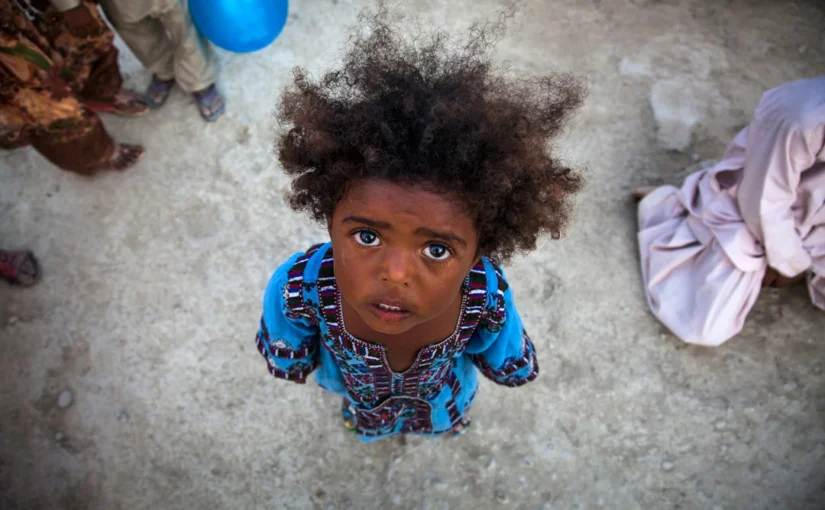
If nothing else, consider it intellectual cake; open to everyone, rich in speculation. As an aside the young girl featured is a Baloch.

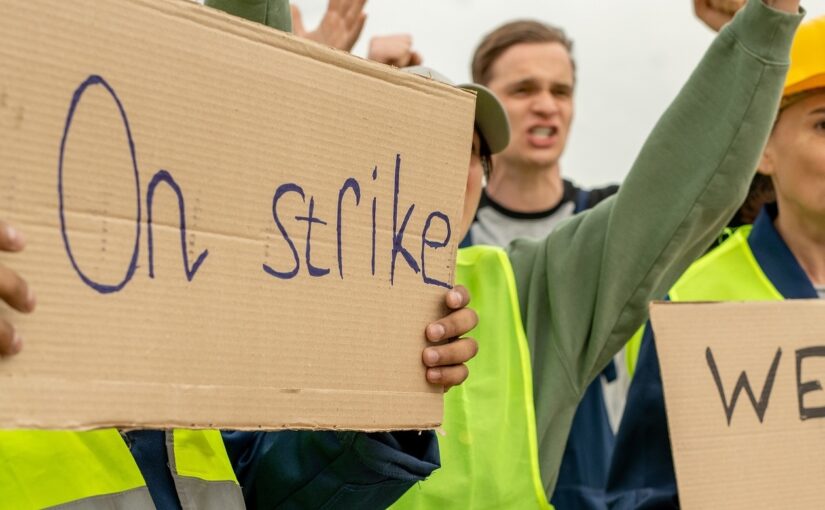
Saffron Strike

The silence on BP these past few days feels deliberate; a kind of Saffron Strike. If so, let it be known: this space was never meant to cater to ideological comfort.

It seems uncommonly quiet; I think I have been misunderstood. I do not care about the traffic and commentary of BP as much as I care about the integrity of the space.

For instance when I felt that Kabir had done wrong; interdiction was the answer. When I realised the narrative was being twisted so that I became his moderator (Kabir generally knows my red lines) then I realised I was wrong. Kabir’s recent postings and commentary have been very high-signal. Continue reading Saffron Strike

Was Kabir Right?

A week ago, I imposed an interdiction on Kabir ; a move I felt was necessary at the time, not because of his views, but because of the manner in which they were expressed. His tone, his dismissal of this platform, and his tendency to escalate rather than de-escalate all contributed to that decision. But now, I find myself wondering: was Kabir right about Brown Pundits?

Since his departure, the commentariat has gone unusually quiet. Threads that once sparked with disagreement, energy, and engagement have gone still. There is a strange calm but it feels like the calm of a museum, not a marketplace of ideas. And what’s become increasingly clear is that the ā€œpeaceā€ has come at a cost. That cost is vibrancy. That cost is friction. That cost is participation. Kabir, for all his faults, drew fire, and fire draws people.

This raises a more fundamental question: am I overestimating the commentariat’s interest in the core mission of Brown Pundits? Were people here for civilizational dialogue, or were they here for the masala of Indo-Pak antagonism? It’s disheartening to admit, but the numbers speak for themselves. Kabir had been blocked years before (not by me), and when I released Loki from his cage, well on his return, so did the attention. Continue reading Was Kabir Right?

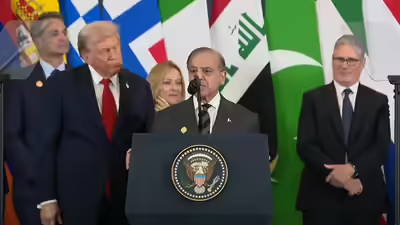
Pakistan’s Diplomatic Triumph (Trump?)

United States President Donald Trump especially thanked Prime Minister Shehbaz Sharif and ā€œmy favouriteā€ Field Marshal Asim Munir on Monday for their efforts in achieving peace in Gaza, among many other world leaders.

Trump thanks PM Shehbaz and ā€˜my favourite’ Field Marshal Asim Munir for Gaza peace efforts

I might expand on this tomorrow, but it’s telling that Dr. Lalchand finds all this quite amusing—Pakistan back again with a begging bowl. I, on the other hand, see it as something closer to a post-Pahalgam pivot. Perhaps India is underestimating Pakistan’s deep instinct for adaptation, especially as the region continues to drift in unpredictable directions.

Brown Pundits