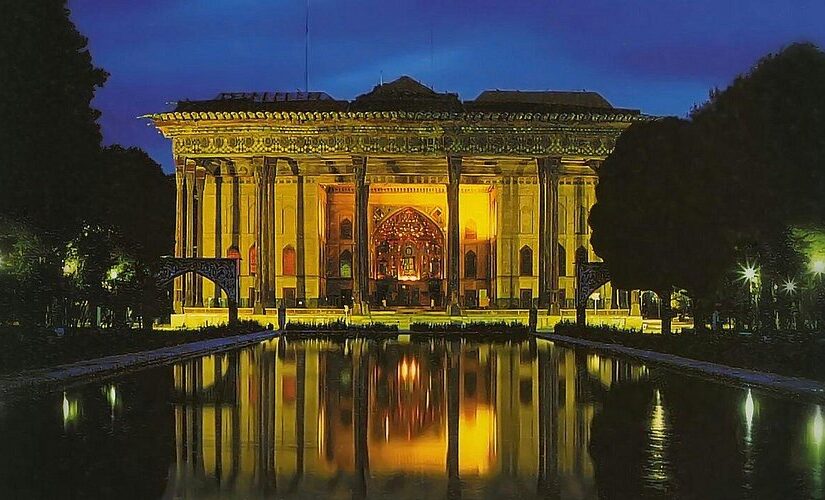
The Earth’s Lost Industrial Heart

After our discussion on industrialisation in India, I began to wonder: if the Earth were one country, one government, one infrastructure grid, one economy, where would its industrial heart lie?

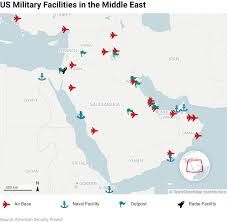
Geographically, the answer is obvious. The natural centre of the world, for energy, labour, and trade routes, isn’t London, New York, or Beijing. It’s the triangle between the Persian Gulf, the Indo-Gangetic plain, and the Red Sea.

Deserts rich in hydrocarbons. River basins dense with labour, water, and grain. Seas that touch every continent. If the world were united, this belt, Arabia to India to the Nile, would be the Ruhr, the Great Lakes, and the Pearl River Delta combined.

The Natural Order of Geography

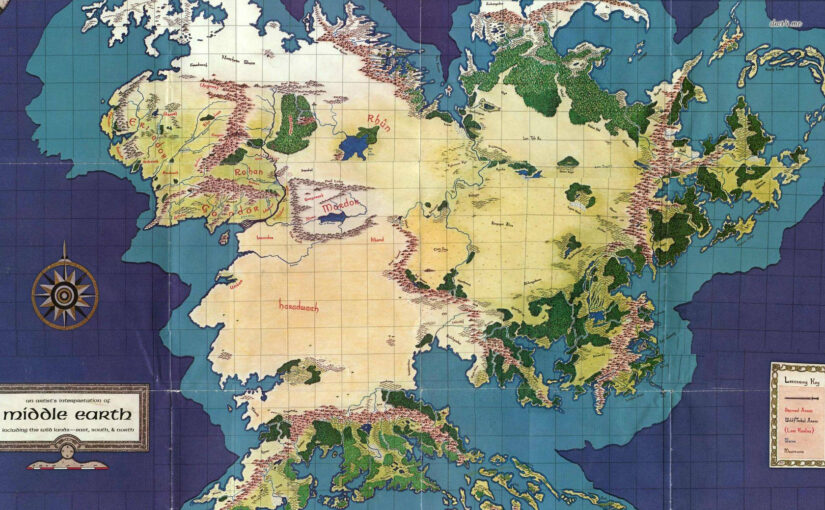
Before empire, this region was the planet’s connective tissue. Spices, silk, horses, and steel moved from India to Arabia to Africa. Energy, grain, and knowledge flowed through the Red Sea and the Persian Gulf like the arteries of the Earth. It was not the “Middle East”; it was Middle Earth. Continue reading The Earth’s Lost Industrial Heart

Hijab: Between Revelation and Regulation

When Bahá’u’lláh wrote that every word of the Qur’ān bears meaning and intention, he was reminding us that revelation, properly read, resists reduction.  Scripture, like language itself, is alive; it breathes, it hesitates, it renews.  Yet somewhere between the living word and the legislated code, the hijab became a symbol, of modesty, of defiance, of cultural siege, of theological purity, until its nuance was lost to politics.

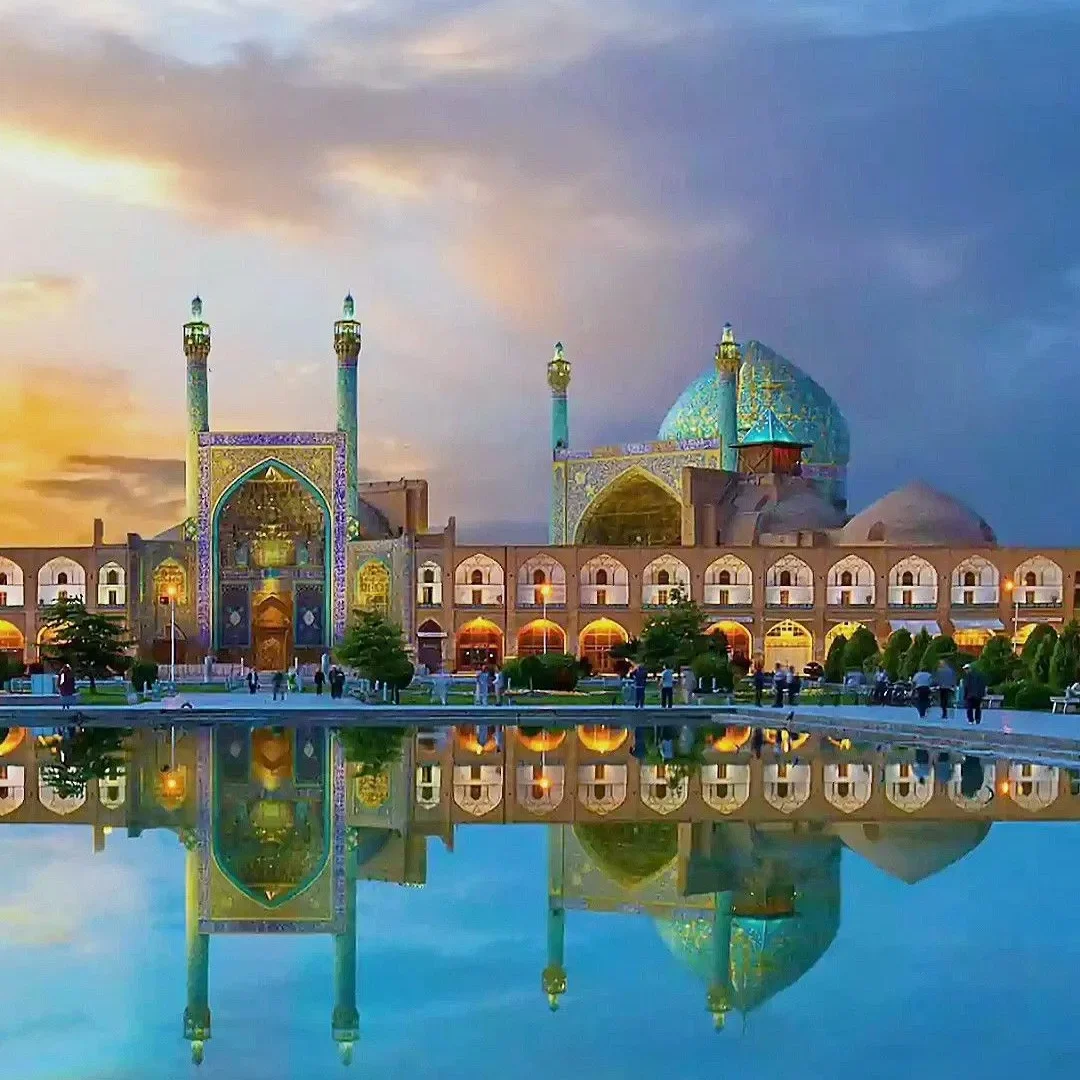
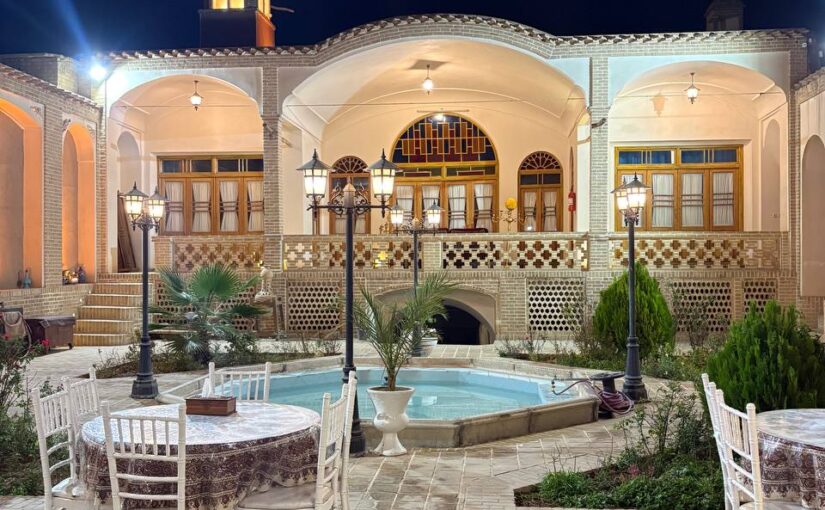
My friend is in Kashan, a city of gardens and scholars, and perhaps among the most traditional pockets of Iran.  She forgot her hijab back in her home city and now cannot step out of her hotel.  The irony is sharp: the veil that once signified spiritual privacy has become an enclosure of space.  Kashan’s cobbled lanes whisper poetry, but they also enforce silence.

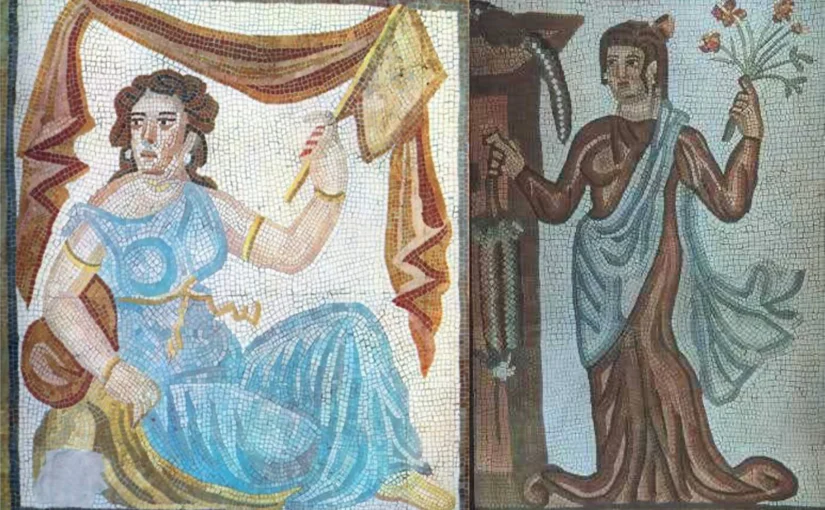
Meanwhile, the liberal axis of Iran, Shiraz, Tehran, Gilan, Mazandaran, Semnan, walks the tightrope between revelation and rebellion.  The North dresses as Europe, the Centre prays as Qom.  Mahsa Amini’s martyrdom was Kurdish, and therefore doubly liminal: ethnically marginal, religiously symbolic (the Kurds are very secular as a rule of thumb; more Zoroastrian than the Persians).  Her death reopened a question the Qur’ān itself leaves open — what, after all, does áž„ijāb mean?

1. The Qur’ānic Vocabulary of Modesty Continue reading Hijab: Between Revelation and Regulation

Roman Palestine and the Crusades

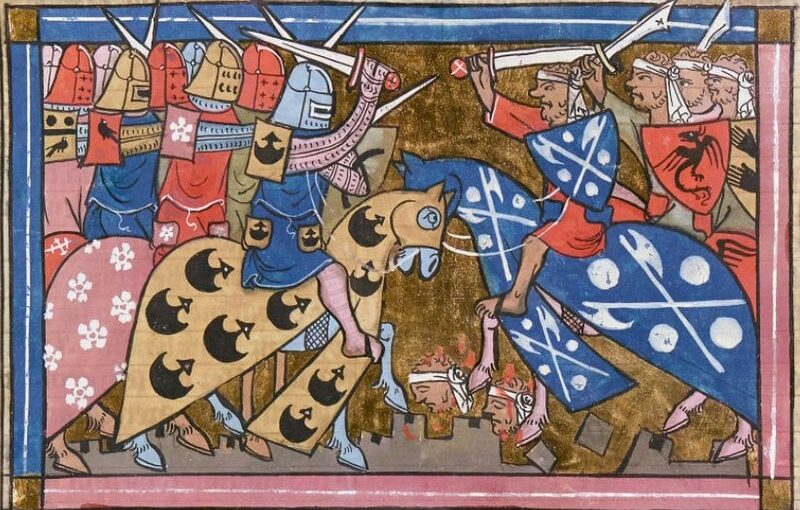
I am quite familiar with History of England and Europe since even before my teens. That was because my father had beautifully illustrated school History text books from England. Plus many historical novels eg Walter Scotts The Talisman which is set in Palestine during the Crusades. I read them all many times over as nothing better to do as no TV then in SL till 1977.

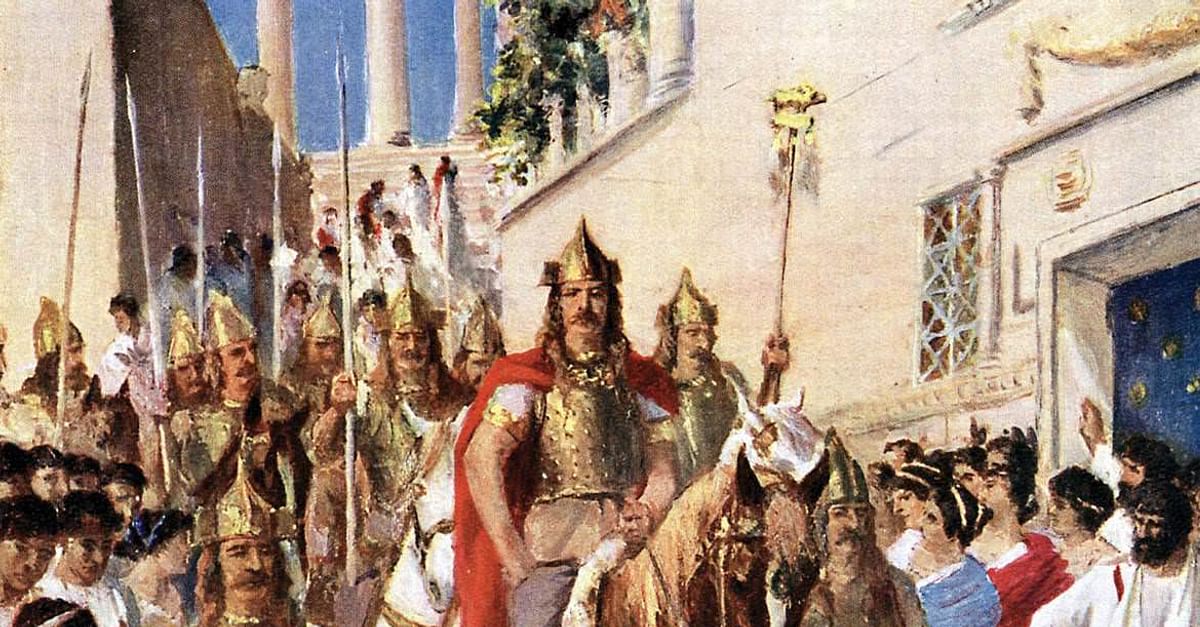
Let us start with the historical Jewish Diaspora. Historical as verified from sources other than the Bible. The Romans controlled the middle east around 1 BC. (Think Julius Caesar and Cleopatra an Egyptian Queen of Greek Origin)

To quote
Asia Minor after the Macedonian Wars (214–148 B.C.). In 63 B.C. The defeat of the Carthaginians gave Rome almost complete control of the Mediterranean. Romans conquered most of Asia Minor in 188 B.C., Syria and Palestine in 64 and 63 B.C.

In 70 C.E. (a few years after the purported passing of Jesus Christ the Romans Destroyed the Judaism Temple in Jerusalem. Apparently this ended the ability to make animal sacrifices to God (Yahweh). Plus the Roman persecution of the Jews and Judaism led to their disperal from Palestine, i.e. the Diaspora

Note: There is no evidence of a Kingdom or Country called Israel in any of the Historical or Pre-historical records of the Babylonians and Assyrians. There was region called Palestine (PalaistinĂȘ, ΠαλαÎčÏƒÏ„áż‘ÌÎœÎ·) since at least since the Greek times. The word Israel became considered “Fact” when Europe became Christian and the Bible an accepted source of fact given by the Divine. The Jews became notable and rich because they were money lenders. Christians (and Muslims) are forbidden to lend money on interest (usury). Think Merchant of Venice and Shylock the Jew

Continue reading Roman Palestine and the Crusades

Links on My Browser Right Now – Open Thread

A few pieces I’ve been reading this week:


Reflections

On the Ummah: Muslims have often failed to concede ground in internal debates, which has left them politically boxed in. One reform across all denominations would be to return directly to the Quran as the primary authority. That alone would dissolve many cultural accretions, halal (animals should be stunned before slaughter), hijab (a Sassanian trait), and other practices, into something more adaptive.

And here’s a more speculative question: if the “Satanic Verses” were reconsidered if Al-Lat, Al-Uzzah, and Al-Manat were understood as sacred divinities at the threshold of the Lote Tree, would that make Islam more fluid, especially for minority-majority dynamics?

On Kabir: I’m not moderating him out, but readers should be aware that he frames everything through Muslim-rights activism. Engage, but don’t get gaslit into endless provocations. Everyone is entitled to their nationalisms — but they can’t claim liberalism at the same time. That tension makes it worth examining how plurality is treated within the Hindu fold itself. Dharma, unlike the Abrahamic Faiths, tends to all for multiple truths co-existing with each other (Buddhism and indigenous East Asian religions).


👉 Over to you. I’m retreating from heavy moderation — I see BP’s strength in letting the commentariat lead. Biases are fine. Gratuitous abuse is not.

Image

“In March 1998 the Indian PM Gujral, told 
 “Pakistan was not capable of making atomic bombs.” he had been convinced by Indian Intelligence and Dr Raja Raman, the head of Indian Atomic Energy Commission, who had publicly claimed that nuclear weapon were beyond Pakistan’s reach.”

What Was the Point of Israel’s Iran Strike?

The Limits of Provocation

At some point, the world will have to ask: what exactly was Israel hoping to achieve?

In the days following the dramatic escalation between Tel Aviv and Tehran, we are left not with clarity but with a deepening sense of confusion. If the intention was to disrupt Iran’s nuclear program, there is little to show for it—centrifuges still spin, scientists remain in place, and the infrastructure of Iran’s deterrent capability stands unshaken. If the aim was to trigger chaos within the Iranian regime, then that too has failed—Tehran did not descend into disarray; it retaliated, measured and intact. And if the goal was symbolic, to remind the world of Israel’s reach and resolve, then the moment has already passed, clouded by questions of proportionality, legality, and consequence.

For all the fire and fury, the strike landed with the strategic weight of a gesture. Continue reading What Was the Point of Israel’s Iran Strike?

Genocide by any other name

“My nerves are shattered,” says Noura, a 26-year-old Palestinian woman, explaining that she has been “left with nothing”.

After years of IVF treatment, she became pregnant in July 2023. “I was overjoyed,” she remembers, describing the moment she saw the positive pregnancy test.

She and her husband Mohamed decided to store two more embryos at Al-Basma Fertility Centre in Gaza City, which had helped them conceive, in the hope of having more children in the future.

“I thought my dream had finally come true,” she says. “But the day the Israelis came in, something in me said it was all over.”

Israel launched a military campaign in Gaza in response to Hamas’s cross-border attack on 7 October 2023, in which about 1,200 people were killed and 251 others were taken hostage.

Since then at least 54,000 people have been killed in Gaza, according to the territory’s health ministry.

Like thousands of Gazans, Noura and Mohamed had to repeatedly flee, and were unable to get the food, vitamins and medication she needed for a healthy pregnancy.

The West’s War of Decline

Dear friends,

I just wanted to share a thought that’s been on my mind lately. Yes, Trump has attacked Iran — but Iran hasn’t responded in any major way. That in itself is telling. It seems less a climax than a provocation, more bait than strategy. In truth, this might be part of a larger Western pattern: in its long twilight, the West no longer seeks peace but relevance — and sometimes, relevance requires war.

I recently heard a wild claim: that Norway was positioning a remote island of 150 people to tempt a Russian invasion, hoping to activate NATO’s mutual defence clause. Whether true or not, it captures something of the moment — the performative anxiety of a declining order, looking for conflict to reaffirm its own centrality.

As Amar writes, “It is heart-wrenching to see Iran being bombed by two nuclear states, while it remains a signatory to the NPT and compliant with IAEA inspections.” He recalls living in Tehran in 1980, a schoolboy witnessing warplanes above Mehrabad and the skies of Tehran blazing with anti-aircraft fire. That memory isn’t abstract — it’s personal, etched in smoke. His excellent comment is after the jump: Continue reading The West’s War of Decline

đŸ•Šïž On Iran, Israel, and the Right to Self-Defense

Why loving Israel, believing in peace, and opposing regimes means defending Iran’s right not to be bombed.

Dear Friends,

I don’t usually write about politics. And when I do, I try to centre peace — not provocation.

Anyone who knows me knows I have always believed in the dignity of Israel, the rights of Palestinians, and the intertwined destinies of both peoples. I love Israel. I love Iran. I believe in Palestine. I believe in peace. And I believe that each nation — each people — has a right to their own story, their own future, and yes, their own defense.

Which is why I write today, with care and some sorrow, in response to the recent Israeli strikes on Iran’s nuclear facilities. Let me be clear: I oppose the Iranian regime. Vehemently. I stand with the brave women and men who chanted “Zan, Zendegi, Azadi” — women, life, freedom. But I cannot condone this unprovoked assault.

Read the rest at this link and please subscribe to my newsletter.

Why Iran Is Not Iraq

These reflections are evolving, and may shift without warning. The winds of change—Divine or otherwise—do not move by human forecast.

In the Western imagination, the idea that Iran could somehow be “dealt with” like Iraq is a dangerous illusion—one rooted not just in hubris, but in historical illiteracy.

Yes, Iraq was once the cradle of civilization. From Ur to Babylon, and later Baghdad under the Abbasids, its glories are undeniable. But geopolitically, Iraq is a lowland nation—deeply enmeshed within the Arab Mashreq, itself a corridor between Egypt and the Persianate world, susceptible to invasions, internal fragmentation, and competing powers.

Iran, by contrast, is a fortress civilization.

Continue reading Why Iran Is Not Iraq

Six Days of War. June 1967 and the Making of the Modern Middle East

Today was the 50th anniversary of the 1967 war. What follows is a review I wrote last year of Michael Oren’s book about the 1967 war. I am posting it today to commemorate the anniversary, and to think about what has changed, and what has not, about the equation between the “Muslim world” and its more modern competitors.

To the extent that it existed, this sense of the Muslim world being one of several “competitors” in a war of civilizations  existed mostly in the Muslim world in the last 100 years; and even there, mostly in the minds of religious fanatics such as Maudoodi or Sayyed Qutb or modern Islamists such as the Indian Islamist Mohammed Iqbal.  Most Western, Chinese or Japanese thinkers were unlikely to have something called “The Muslim World” on their list of civilizations competing in the modern world. This has certainly changed in recent time, with at least the Right wing of Western Civ and (and to a lesser extent, of Chinese and Japanese Civ) becoming almost hysterical about the threat posed by Islam. But has the balance of power changed? and if it has, has it changed enough? I think today’s drama in the GCC (among many things) indicates that the balance on the ground has not changed by much. The Muslim world is richer, and some countries (Turkey, Pakistan, Egypt, Iran, Indonesia) are more powerful than they were in 1967; Pakistan is even a nuclear power (and in the minds of many of its own citizens, if not all its power brokers, an “Islamic nuclear power”), but in many other ways the dreams of May 1967 were the high point of (delusional) confidence in the Muslim core region. In that year, many, perhaps most, in the Muslim street were eager to believe that their armies could, if given the opportunity, annihilate the “Zionist entity”. Which is why so many spent the first few hours of the war celebrating what their leaders were describing as “great successes”; that reaction seems unlikely today. If there were a new war, and Arab radio stations claimed the Israelis were losing, most people would not believe it, even if the Israelis really WERE losing.
Anyway, on to the review. And don’t miss the documentary at the end.

Review Continue reading Six Days of War. June 1967 and the Making of the Modern Middle East

Brown Pundits